
Kazakhstan Enters a New Era of Atomic Energy, with the Institute of Nuclear Physics Viewed as a Key Pillar of the National Nuclear Industry
 Scan to share
Kazakhstan is entering a new stage of nuclear energy development. The construction of a nuclear power plant means not only the addition of a major energy project, but also the need for the country to simultaneously establish a complete nuclear industry system, including research support, personnel training, experimental infrastructure, nuclear and radiation safety systems, and indigenous technological capabilities. A nuclear power plant can be built using foreign project designs, but true scientific and technological capability cannot be purchased along with the equipment; it is gradually formed through the long-term operation of nuclear facilities, conducting research, training engineering teams, and passing on experience.
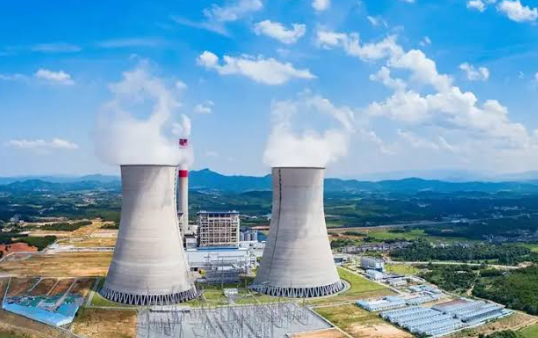
Against this backdrop, the Institute of Nuclear Physics of Kazakhstan is regarded as an important pillar of the future nuclear energy industry. The institution possesses the VVR-K research reactor, accelerator facilities, critical assemblies, as well as laboratories for nuclear and neutron physics, radiation materials science, radiochemistry, radioecology, and nuclear energy safety, along with production departments and a training center. This concentration of research, engineering, and educational resources makes it one of the few comprehensive nuclear science and technology platforms in Kazakhstan, capable of providing technical support across the entire lifecycle of nuclear power plants, including reactor type selection, design, construction, operation, modernization, radioactive waste processing, and decommissioning.
Although the VVR-K research reactor is not used for electricity generation, it plays an important role in nuclear science and applied research. It can provide neutron fields for material irradiation, radioisotope production, scientific experiments, and professional training. The sense of responsibility, safety culture, and practical operational experience involved in running nuclear facilities cannot be acquired solely through textbooks or simulators; they must be developed through real installations and practical environments. Therefore, the research reactor and critical assemblies hold irreplaceable value in bridging university education, research training, and hands-on nuclear facility practice.
Nuclear power safety is highly dependent on the performance of materials under neutron irradiation, high temperatures, high pressures, and mechanical loads. The reactor and accelerator infrastructure at the Institute of Nuclear Physics can be used to study changes in material structure and properties and to develop non-destructive testing methods. These capabilities are expected to become the foundation of Kazakhstan's nuclear materials science and equipment diagnostics system. At the same time, the nuclear power industry requires not only operators but also reactor physicists, materials specialists, radiochemists, dosimetry experts, automation and digital systems engineers, cybersecurity personnel, and radioactive waste management professionals. Personnel training must proceed in parallel with the design and construction of nuclear power plants.
The significance of nuclear technology extends beyond the energy sector. Leveraging the reactor and accelerators, Kazakhstan can develop production capabilities for medical radioisotopes such as molybdenum-99, iodine-131, fluorine-18, and lutetium-177, and apply nuclear physics methods to industrial inspection, ecology, geology, archaeology, and materials research. In the future, building new multipurpose research reactors, strengthening fundamental research, and developing reactor process simulation, artificial intelligence, high-performance computing, and digital safety monitoring will be key to enhancing national technological autonomy. Sustained investment in research and critical infrastructure is also regarded as a strategic investment to ensure nuclear safety, reduce technological dependence, and safeguard national scientific and technological sovereignty.
Disclaimer: Information republished from partner media, institutions or other websites is provided for reference and communication purposes only. It does not imply endorsement of its views or verification of its accuracy. Please contact us if any content infringes rights or requires correction.