
Search Results
Keyword:accelerators

Superconducting Accelerators Reduce Liquid Helium Dependence: How Niobium-Tin Materials Change Cooling and Operating Conditions
To reduce the dependence of superconducting accelerators on liquid helium, what must change first is not helium procurement, but the materials of the accelerating cavity and the method of heat extraction. The progress of a domestically developed niobium-tin thin-film radio-frequency superconducting electron accelerator, disclosed on November 10, has once again brought this route into public view. It should be clarified that the Institute of Modern Physics had already announced the achievement of stable beam loading in a prototype as early as April 2024, and this recent report is not the first completion of the test. Its long-term value lies in demonstrating that, through superconducting materials better suited to higher cryogenic temperature ranges and mechanical refrigeration, some accelerators have the opportunity to break away from liquid helium bath cooling; however, industrialization still needs to overcome the thresholds of average beam power and long-term reliability. Superconducting...
2026-11-13
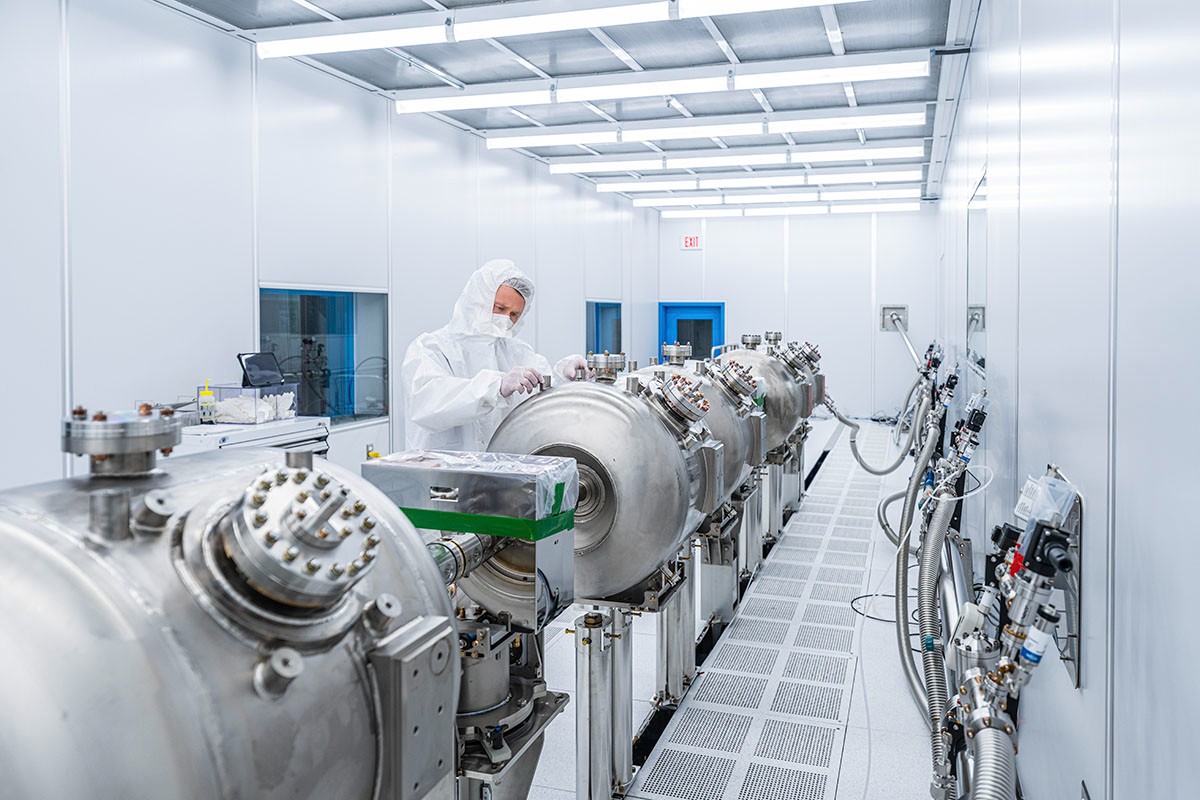
U.S. Department of Energy Selects Fermilab to Lead AI Project to Enhance Superconducting Radio-Frequency Cavity Control in Particle Accelerators
The U.S. Department of Energy's Genesis Program recently selected an artificial intelligence project led by Fermi National Accelerator Laboratory, supporting its collaboration with national laboratories, universities, and industry to use AI and machine learning technologies to improve resonance control in particle accelerators. The project aims to enhance accelerator operational performance and beam stability while reducing energy consumption and operating costs. Superconducting radio-frequency cavities are being assembled and tested, ready for installation on the Proton Improvement Plan-II at the Fermilab Accelerator Complex. By finely tuning the resonant frequency of the cavities, scientists can optimize acc...
2026-08-21
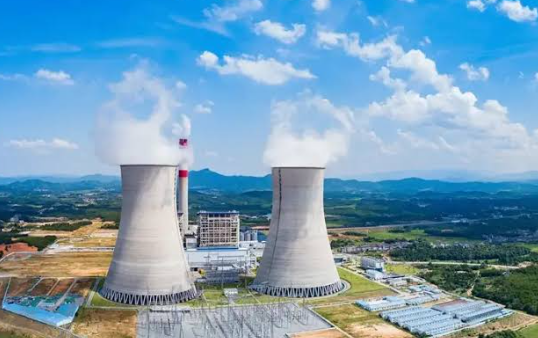
Kazakhstan Enters a New Era of Atomic Energy, with the Institute of Nuclear Physics Viewed as a Key Pillar of the National Nuclear Industry
Kazakhstan is entering a new stage of nuclear energy development. The construction of a nuclear power plant means not only the addition of a major energy project, but also the need for the country to simultaneously establish a complete nuclear industry system, including research support, personnel training, experimental infrastructure, nuclear and radiation safety systems, and indigenous technological capabilities. The article points out that a nuclear power plant can be built using foreign project designs, but true scientific and technological capability cannot be purchased along with the equipment; it is gradually formed through the long-term operation of nuclear facilities, conducting research, training engineering teams, and passing on experience. Against this backdrop, the Institute of Nuclear Physics of Kazakhstan is regarded as an important pillar of the future nuclear energy industry. The institution...
2026-08-14