
Search Results
Keyword:research reactors
Baiyunshan Xike Visits Jiujiang, Jiangxi to Explore Nuclear Medicine Industry Chain Cooperation
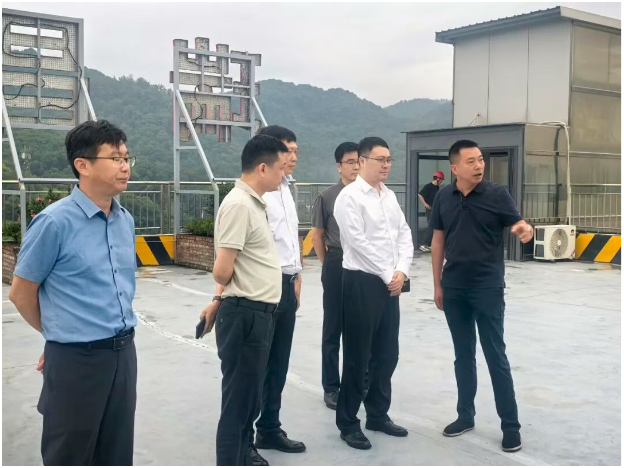
Recently, a delegation from Guangzhou Baiyunshan Xike Health Pharmaceutical Co., Ltd., a subsidiary of Guangzhou Pharmaceutical Holdings Limited (GP Corp.), visited Jiujiang City, Jiangxi Province, conducting field inspections and discussion exchanges in Ruichang City, Jiujiang Economic Development Zone, and Pengze County, focusing on cooperation across the full nuclear medicine industry chain. Liu Hong, Director of the Scientific Research Project Management Department of GP Corp. and Chairman and General Manager of Baiyunshan Xike, led the core team in exchanges with Chen Shuilian, Member of the Party Leadership Group and Vice Mayor of Jiujiang Municipal People's Government, as well as responsible officials from Ruichang City, Pengze County, and Jiujiang Economic Development Zone, reaching multiple consensuses on subsequent cooperation. The inspection covered key facilities including the Ruichang Institute of Nuclear Physics Applications, the Biomedical (Nuclear) Industrial Park in Jiujiang Economic Development Zone, and the Jiangxi Tianhong Nuclear Technology project site in Pengze County. The delegation conducted in-depth visits to research laboratories, industrial parks, and projects under construction to understand local capabilities in nuclear technology research, isotope R&D infrastructure, project construction progress, as well as land and industrial supporting conditions.
2026-09-07
Malaysia Advances Nuclear Energy Workforce Planning Capacity Building
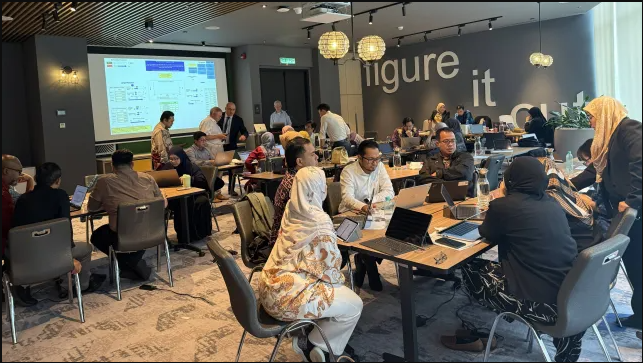
The International Atomic Energy Agency (IAEA) recently held a national workshop on nuclear energy human resource planning in Malaysia to help the country enhance its workforce forecasting and capacity building for existing and future nuclear applications. The workshop was held from 17 to 21 August 2026 over five days, with participants from MyPOWER Corporation, the Malaysian Nuclear Agency, regulatory bodies, national utilities, and academic and training institutions. The five-day workshop was held in Malaysia from 17 to 21 August 2026, with participants including representatives from MyPOWER Corp...
2026-08-27
Research reactors provide critical support for global medical, scientific, and industrial innovation
The International Atomic Energy Agency recently reported that research reactors continue to play a vital role in medical, scientific, industrial innovation, and nuclear workforce development, serving as key infrastructure for many countries to build their nuclear science and technology capabilities. Currently, 228 research reactors are in operation across 54 countries worldwide, with another 23 under construction or in the planning stage. Unlike nuclear power reactors used for electricity generation, research reactors primarily produce neutrons for applications in medicine, industry, agriculture, geological sciences, forensics, and other fields. With capabilities such as neutron irradiation, neutron imaging, elemental analysis, and radioisotope production, research reactors have become important platforms for advancing peaceful nuclear technology applications. In the medical field, research...
2026-08-23
IAEA Launches New Project to Enhance Nuclear Fuel and Materials Testing Capabilities in Research Reactors
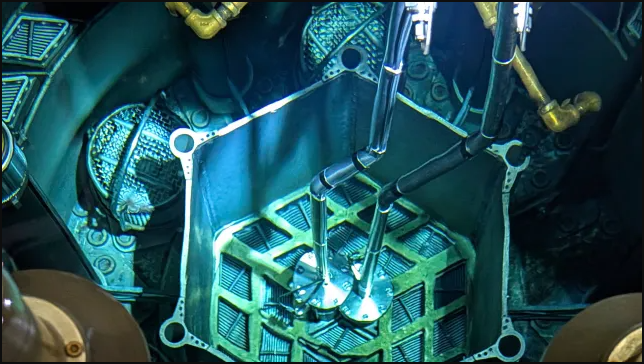
The International Atomic Energy Agency (IAEA) recently launched a four-year coordinated research project aimed at optimizing the experimental design of nuclear fuel and structural materials testing in research reactors, enhancing the safety, effectiveness, and efficiency of irradiation experiments. Top view showing a materials testing reactor core loaded with two in-core materials testing devices. (Photo: Y. Ostrovsky/MIT) With the continued advancement of new nuclear reactor technologies, growing interest in small modular reactors, and existing nuclear power plants seeking long-term operation, the demand for reliable testing of new nuclear fuels and structural materials is increasing. Before being put into use in nuclear reactors, these fuels and materials must be tested and qualified under harsh conditions such as radiation and high temperatures...
2026-08-21
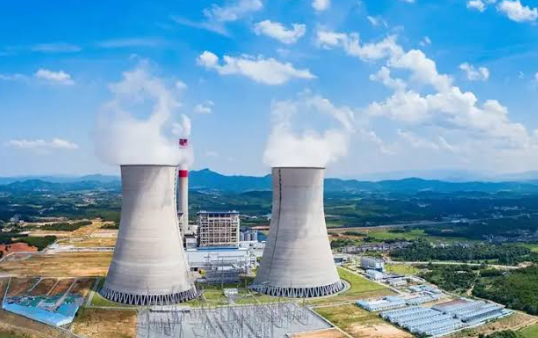
Kazakhstan Enters a New Era of Atomic Energy, with the Institute of Nuclear Physics Viewed as a Key Pillar of the National Nuclear Industry
Kazakhstan is entering a new stage of nuclear energy development. The construction of a nuclear power plant means not only the addition of a major energy project, but also the need for the country to simultaneously establish a complete nuclear industry system, including research support, personnel training, experimental infrastructure, nuclear and radiation safety systems, and indigenous technological capabilities. The article points out that a nuclear power plant can be built using foreign project designs, but true scientific and technological capability cannot be purchased along with the equipment; it is gradually formed through the long-term operation of nuclear facilities, conducting research, training engineering teams, and passing on experience. Against this backdrop, the Institute of Nuclear Physics of Kazakhstan is regarded as an important pillar of the future nuclear energy industry. The institution...
2026-08-14
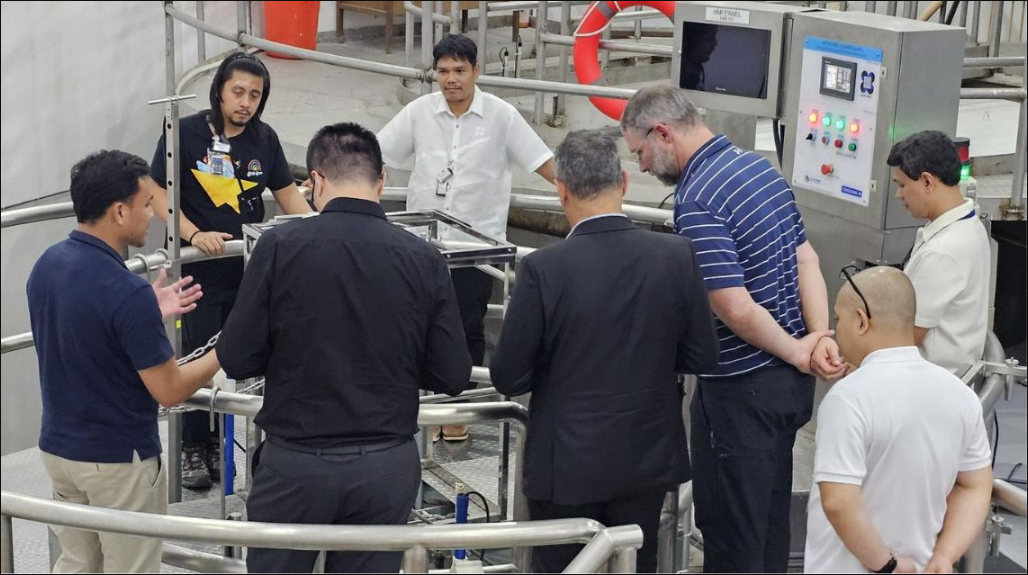
IAEA Expert Team Acknowledges Safety Progress of Philippine Research Reactor
The International Atomic Energy Agency (IAEA) conducted a follow-up Integrated Safety Assessment of Research Reactors (INSARR) mission to the Philippine Research Reactor-1 (PRR-1) Subcritical Assembly for Training, Education and Research (SATER) facility in Quezon City, approximately 10 kilometers northeast of Manila, Philippines, from August 10 to 12, 2026. The review was conducted at the request of the Philippine Nuclear Research Institute (PNRI) to examine the implementation status of safety recommendations made during the initial INSARR mission in 2023. The mission team consisted of two experts from Romania and the United States, along with one IAEA official. During the visit, they conducted an on-site inspection of the assembly facility, reviewed relevant documents, and engaged with the facility's management, operations, and technical staff...
2026-08-13
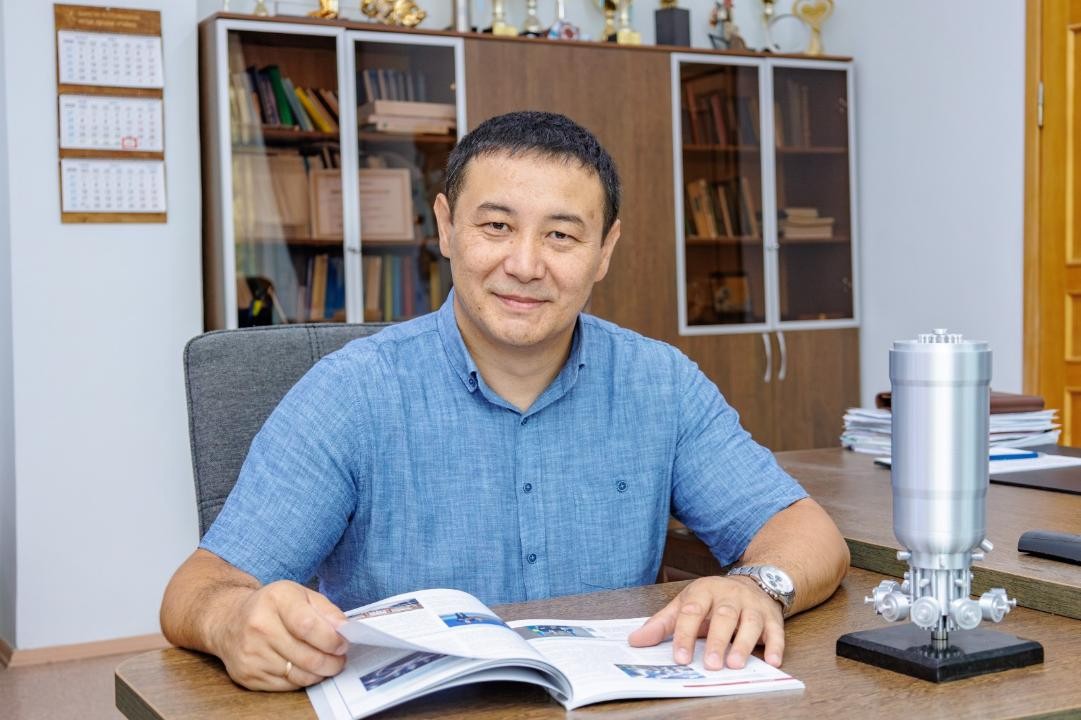
Kazakhstan's National Nuclear Center Advances Material Testing Research for Future Reactors
On August 11, the National Nuclear Center of the Republic of Kazakhstan presented its progress in research on structural materials for advanced reactors. Yerzhan Ernatuly Sapataev, head of the Radiation Materials Science Laboratory at the center's Institute of Atomic Energy, stated that the development of next-generation reactors and fusion technologies has imposed higher requirements on structural materials in terms of high-temperature resistance, radiation tolerance, and corrosion resistance, and that material reliability will directly determine the safety and service life of future nuclear energy systems. Materials inside future reactors typically need to...
2026-08-12
Research Reactors Support Kazakhstan's Safe Nuclear Energy Development
Against the backdrop of growing demand for low-carbon electricity, nuclear energy is being regarded by many countries as a key energy option. Kazakhstan is also advancing its own nuclear energy development. Equally critical to the construction of nuclear power plants is the long-term research, testing, and validation of nuclear fuel, structural materials, reactor operating conditions, and safety systems. Research reactors and experimental facilities are precisely the core platforms undertaking such work. Unlike power reactors, which primarily target electricity generation, research reactors are closer to specialized nuclear science laboratories. Researchers can study the behavior of nuclear fuel and structural materials, simulate different reactor operating states, including off-normal conditions, test new technologies, and validate engineering solutions subsequently used in nuclear...
2026-08-09
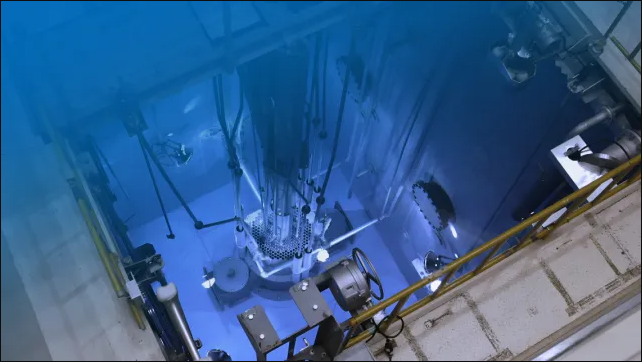
228 Research Reactors Worldwide in Operation, Supporting Medical Isotope Production and Neutron Science Innovation
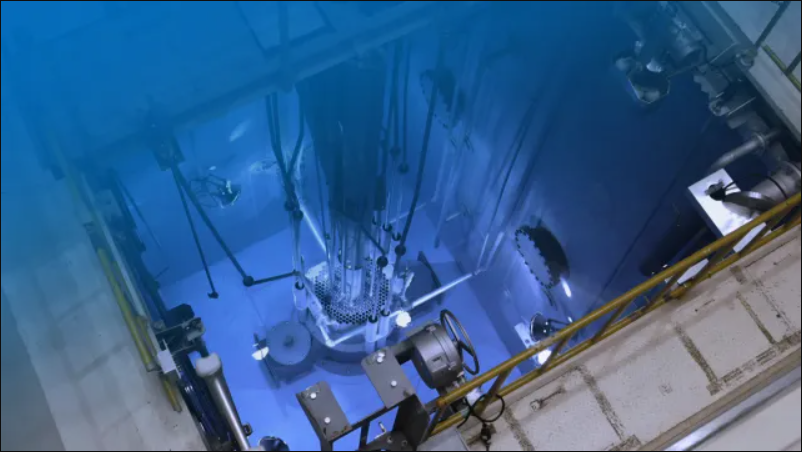
According to the International Atomic Energy Agency on August 7, research reactors continue to drive innovation in science, medicine, and industry worldwide. Currently, 228 research reactors are in operation across 54 countries, with another 23 under construction or in the planning stage. Unlike nuclear reactors used for power generation, these reactors primarily produce neutrons to support medical, industrial, agricultural, geological, forensic, and nuclear science research. A research reactor pool photographed from above. (Photo: IAEA) In the medical field, research reactors are a vital source of medical radioisotopes. Among them, technetium-99m is widely used for diagnosing cancer and diseases of the heart, brain, and bones; a large number of medical diagnostic and therapeutic procedures worldwide rely on this isotope. Other radioisotopes such as iodine-131 are also used in the treatment of cancer and thyroid diseases. The IAEA states that radioisotopes produced by research reactors serve millions of patients globally and are an essential component of modern nuclear medicine systems.
2026-08-09
Vietnam Issues 470 International Nuclear Energy Standards Covering the Full Chain of Nuclear Power Plants, Research Reactors, SMRs, and Radiation Protection
Vietnam is preparing for nuclear energy development, with the Ministry of Science and Technology recently issuing a list of 470 international and foreign standards directly applicable to the atomic energy sector. These standards cover multiple aspects including safety, design, operation, equipment, personnel, radiation protection, nuclear security, and accident response, aiming to ensure the safe and reliable operation of nuclear facilities throughout their entire lifecycle. The list encompasses requirements across a wide range of fields, from nuclear power plants and research reactors to fuel technology, monitoring systems, radioactive waste management, and nuclear security. For nuclear power plants, the standards cover analysis, safety assessment, design, commissioning, equipment classification, accident management, aging management, maintenance...
2026-08-06
Kazakhstan's National Nuclear Center Experimental Base Supports Nuclear Power Safety and Advanced Energy Research
On July 30, Vyacheslav Gnyrya, Deputy Director of the Institute of Atomic Energy at the National Nuclear Center of the Republic of Kazakhstan (NNC RK), presented the development of the center's experimental research base. He stated that Kazakhstan is leveraging existing research facilities to establish a scientific foundation for next-generation reactor technologies and controlled thermonuclear fusion energy research. According to the presentation, the NNC RK experimental base is a strategic scientific research infrastructure developed over decades in Kazakhstan, featuring research reactors, specialized test facilities, and materials science equipment capable of simulating conditions difficult to replicate in operating nuclear reactors, including the behavior of nuclear fuel, structural materials, and safety system components under high temperatures, intense irradiation, and transient conditions.
2026-07-31