
Boric Acid Leakage During Spent Fuel Transfer Preparation at South Korea's Hanul Nuclear Power Plant
 Scan to share
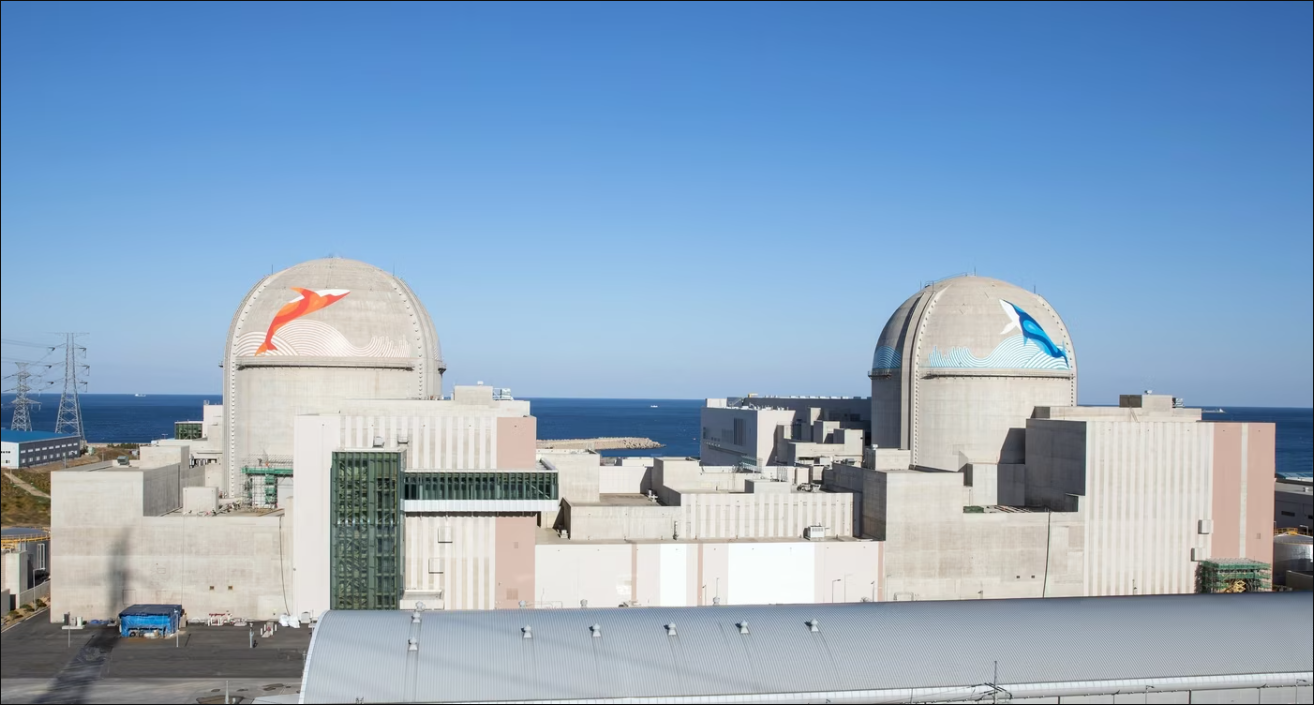
Hanul Nuclear Power Plant in Uljin County, North Gyeongsang Province, South Korea, recently disclosed that at 10:16 a.m. on the 3rd, a boric acid solution leakage incident occurred in the auxiliary building of Unit 2 at Shin Hanul Nuclear Power Plant. The incident happened while workers were preparing to transfer spent fuel from a transport container in the spent fuel loading pool to the spent fuel storage pool, and the preliminary cause has been attributed to improper on-site operations.
Boric acid solution is used in spent fuel storage-related operations. As the solution is associated with the spent fuel storage environment, it carries radioactive management attributes. Hanul Nuclear Power Plant stated that leakage containment measures were immediately taken after the leak occurred, and the leaked material was collected in the decontamination area and recovered to the controlled area.
The plant subsequently performed decontamination of the affected areas, including managing the exterior area of the auxiliary building and removing portions of the asphalt surface and concrete from the external leakage area. Hanul Nuclear Power Plant headquarters stated that after decontamination, surrounding radiation levels have returned to natural background radiation levels.
The incident had not been widely publicized until local institutions such as the Uljin County Council issued statements that drew attention. On the 27th, the Uljin County Council Special Committee on Nuclear Power, the Hanul Nuclear Power Plant Environmental Monitoring Committee, and the Hanul Nuclear Safety Committee issued a joint statement demanding that the Nuclear Safety and Security Commission (NSSC) and Korea Hydro & Nuclear Power (KHNP) disclose the details of the boric acid leakage incident and the status of accountability.
In the statement, the relevant local organizations stated that on the 3rd, due to an error by on-site operators during the spent fuel transfer process, a portion of the boric acid solution leaked to the outside, but the accident facts and safety information were not promptly and adequately disclosed to the local community. The statement demanded disclosure of the potential radiological impact of the external leakage, the cause of the accident, the leakage volume, the extent of the leak, the recovery and treatment process, and the safety assessment results.
These organizations also demanded an investigation into why the incident was not reported, the information disclosure decision-making process, and the attribution of responsibility, and proposed the establishment of an investigative body with resident participation. The statement also demanded that KHNP transparently disclose relevant materials and that Hanul Nuclear Power Plant headquarters suspend spent fuel transfer operations between reactor units.
Hanul Nuclear Power Plant responded that the boric acid leakage incident does not fall under the reporting requirements stipulated by relevant laws, nor does it constitute a matter that must be reported to the local environmental monitoring committee. The plant also stated that the leakage did not occur during road transport but rather inside a storage tank.
Hanul Nuclear Power Plant headquarters stated that no similar issues had occurred in past spent fuel receiving processes, that this leakage was attributed to human error, and that measures to prevent recurrence will be developed. The plant stated that, taking this incident as an opportunity, it will further transparently disclose safety information in line with local residents' expectations, in addition to matters required to be reported by law.
Disclaimer: Information republished from partner media, institutions or other websites is provided for reference and communication purposes only. It does not imply endorsement of its views or verification of its accuracy. Please contact us if any content infringes rights or requires correction.