
U.S. Deployable Energy Microreactor Selected for Two Nuclear Energy Demonstration Projects
 Scan to share
Deployable Energy announced on August 28 that its advanced deployable energy system has been selected for two upcoming demonstration projects under the National Reactor Innovation Center (NRIC): a full-power demonstration of the nuclear energy startup platform at Idaho National Laboratory (INL), and an offshore demonstration of the U.S. nuclear energy startup platform in collaboration with Hornbeck Offshore.
Established in 2019, the National Reactor Innovation Center works primarily with industry and the U.S. national laboratory system to advance nuclear technologies from conceptual design through demonstration, validation, and commercial deployment. The two selected projects will continue Deployable Energy's prior collaboration with INL under the nuclear energy startup platform program, accumulating technical and operational data to support subsequent testing, validation, and regulatory engagement for advanced nuclear technologies.
Deployable Energy stated that the demonstrations will center on its Unity nuclear battery, with a focus on evaluating the system's performance under real-world operating conditions. Bobby Gallagher, co-founder and CEO of the company, said that continued collaboration with INL and the U.S. Department of Energy's Idaho Operations Office enables the company to advance its path from concept validation and achieving criticality to full-power demonstration; the partnership with Hornbeck Offshore will further extend the validation scenario to offshore environments.
Under the plan, the INL demonstration will enable Deployable Energy's reactor to achieve full-power operation with support from the laboratory's operating team. Building on existing collaboration, the project will conduct larger-scale evaluations of system performance, integration capabilities, control methods, safety characteristics, and operating procedures. The data will be used to support licensing efforts with the U.S. Nuclear Regulatory Commission (NRC) and provide a reference for subsequent deployment.
John Wagner, director of Idaho National Laboratory, stated that Deployable Energy took 155 days from initial discussions to achieving criticality, and INL will continue to support the company's progress toward commercialization. INL's infrastructure and operational capabilities will also provide a validation environment for energy systems that must maintain reliable operation under demanding conditions.
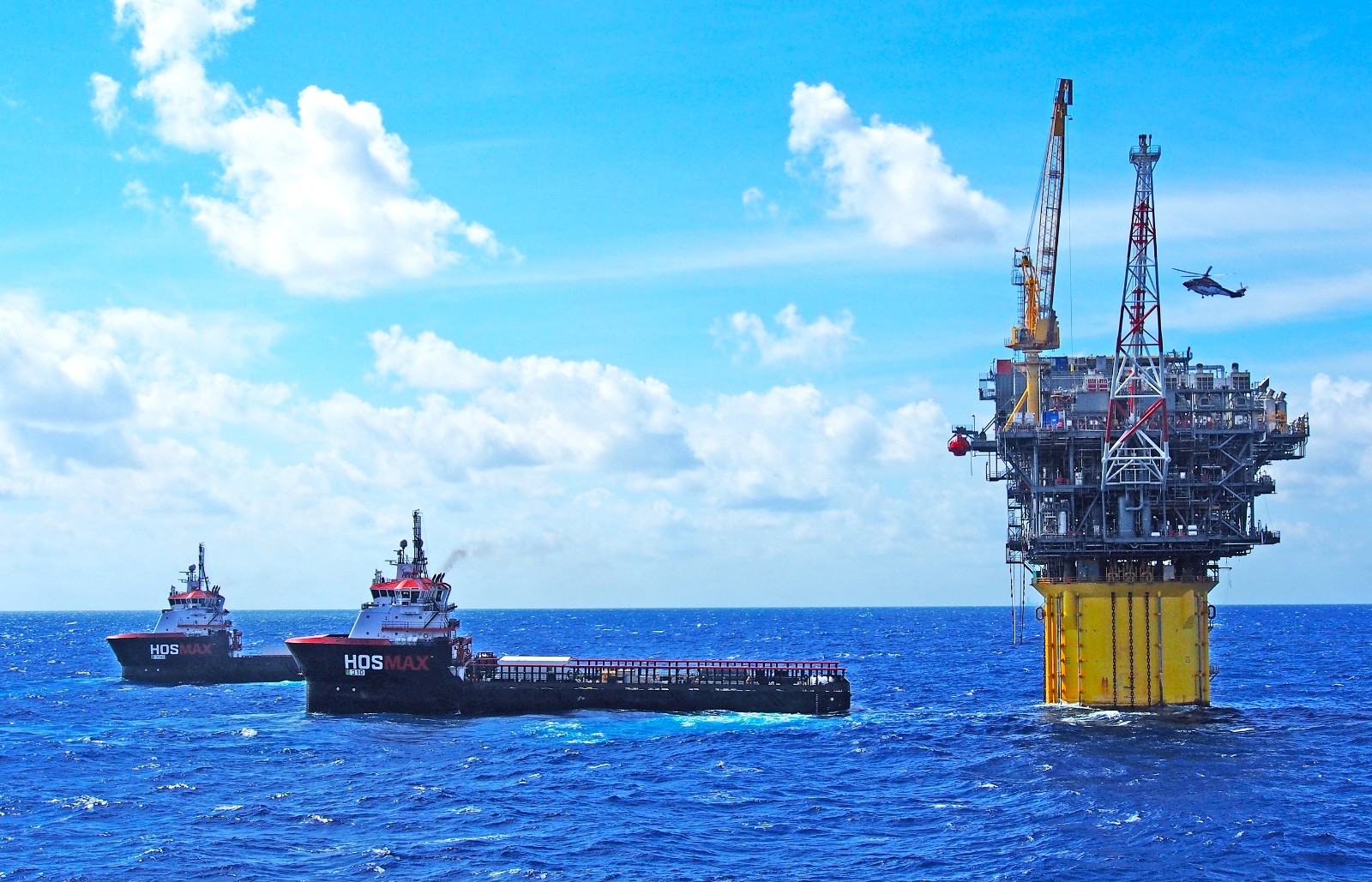
Meanwhile, Deployable Energy will conduct an offshore demonstration with Hornbeck Offshore to evaluate the suitability of the Unity nuclear battery in offshore operating environments. Offshore applications impose more complex requirements on microreactors, including space and weight constraints, transportation and installation, system integration, environmental adaptability, safety and security, and the ability to provide continuous power in locations far from traditional infrastructure.
Todd M. Hornbeck, Chairman, President, and CEO of Hornbeck Offshore, stated that the offshore demonstration will not only test power generation capability but also validate the overall deployment model from transportation and integration to operation.
Deployable Energy stated that the company will continue advancing testing with INL and relevant U.S. Department of Energy partners, and has invited the NRC to observe the demonstration process to support future license applications and commercial operation readiness. The company believes that the shared goal of the two demonstrations is to validate an energy system that is transportable, installable, integrable, operable, and redeployable, providing reliable power for remote areas, offshore operations, emergency response, and other scenarios.
According to Deployable Energy, the company is developing microreactors for real-world operating scenarios and positioning them as nuclear energy products that can be mass-produced and rapidly deployed. The company stated that its commercial microreactor has achieved criticality and received approval in principle from a maritime authority.
Disclaimer: Information republished from partner media, institutions or other websites is provided for reference and communication purposes only. It does not imply endorsement of its views or verification of its accuracy. Please contact us if any content infringes rights or requires correction.