
Search Results
Keyword:Idaho National Laboratory

Lightbridge Approved to Conduct Advanced Nuclear Fuel Irradiation Testing at Idaho National Laboratory
On September 9, Lightbridge Corporation (Lightbridge, Nasdaq: LTBR), a developer of advanced nuclear fuel technology, announced that it has completed the signing of Project Task Statement No. 2 (PTS No. 2) under the Cooperative Research and Development Agreement (CRADA) with Battelle Energy Alliance, LLC (BEA), the operating contractor of Idaho National Laboratory (INL). Under this task statement, Lightbridge will gain access to the loop test facility of the Advanced Test Reactor (ATR) at Idaho National Laboratory to conduct irradiation testing of Lightbridge Fuel™ cladded fuel rods. The loop...
2026-09-10
US Lightbridge Aims to Accelerate Advanced Nuclear Fuel Commercialization via INL Project
Lightbridge Corporation, a US advanced nuclear fuel technology company, announced on September 8 that it has been selected for the "Launchpad" program advanced by the US Department of Energy (DOE) at Idaho National Laboratory (INL), and plans to leverage this opportunity to accelerate the deployment of Lightbridge Fuel™ in commercial reactors. According to a shareholder letter from Lightbridge Chairman and CEO Seth Grae, the company will pursue a two-track commercialization strategy: on one track, under DOE authorization, it will build the Specialized High-Assay Low-Enriched Uranium Extrusion Demonstration (SHED) facility to produce Lead Test Assemblies (LTAs); on the other...
2026-09-09

U.S. Plans to Build Second Uranium Conversion Plant
Raven-Flint Nuclear Corporation announced on August 31 that it has been selected for the Nuclear Energy Startup Platform project advanced by the U.S. Department of Energy (DOE) National Reactor Innovation Center (NRIC) at Idaho National Laboratory (INL), and plans to build a pilot uranium conversion facility named "Torch" at INL. The company stated that the Torch facility aims to become the second uranium conversion plant in the United States, with a designed annual processing capacity of 500 metric tons of uranium, capable of converting uranium into uranium hexafluoride (UF6). According to the company, this scale can meet the fuel demand of two large nuclear reactors. Upon project completion, it is intended to serve the U.S. Department of Energy and its affiliated agencies, and may provide domestically produced uranium hexafluoride for specific needs.
2026-09-02
U.S. Lightbridge Selected for DOE LaunchPad INL Program to Advance Commercialization of Advanced Nuclear Fuel
Lightbridge Corporation, a U.S. advanced nuclear fuel technology company, announced on August 31 that it has been selected for the Nuclear Energy LaunchPad program (LaunchPad INL) managed by the U.S. Department of Energy's (DOE) National Reactor Innovation Center (NRIC) at Idaho National Laboratory (INL). The company stated that the program will provide an accelerated pathway for it to design, construct, and operate a dedicated facility at INL to manufacture lead test assemblies (LTAs) of Lightbridge Fuel™, with subsequent testing supported at U.S. commercial nuclear power plants. Lead test assemblies are generally regarded as a critical qualification step for nuclear fuel after reactor testing and before commercial fuel sales...
2026-09-01
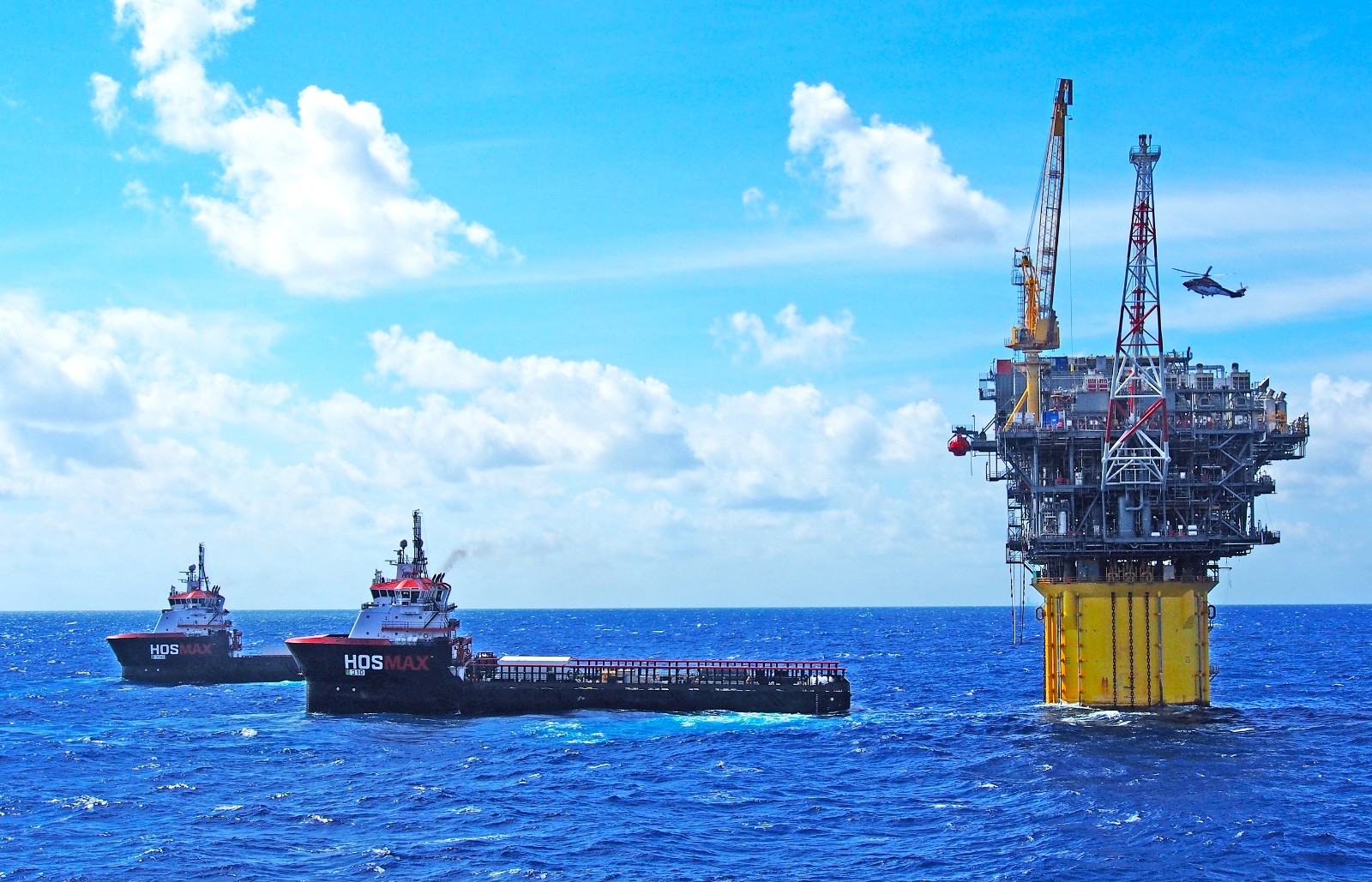
U.S. Deployable Energy Microreactor Selected for Two Nuclear Energy Demonstration Projects
Deployable Energy announced on August 28 that its advanced deployable energy system has been selected for two upcoming demonstration projects under the National Reactor Innovation Center (NRIC): a full-power demonstration of the nuclear energy startup platform at Idaho National Laboratory (INL), and an offshore demonstration of the U.S. nuclear energy startup platform in collaboration with Hornbeck Offshore. Established in 2019, the National Reactor Innovation Center works primarily with industry and the U.S. national laboratory system to advance nuclear technologies from conceptual design through demonstration, validation, and commercial deployment. The two selected projects will continue Deployable Energy's prior collaboration with INL under the nuclear energy startup platform program, accumulating technical and operational data to support subsequent testing, validation, and regulatory engagement for advanced nuclear technologies.
2026-08-29
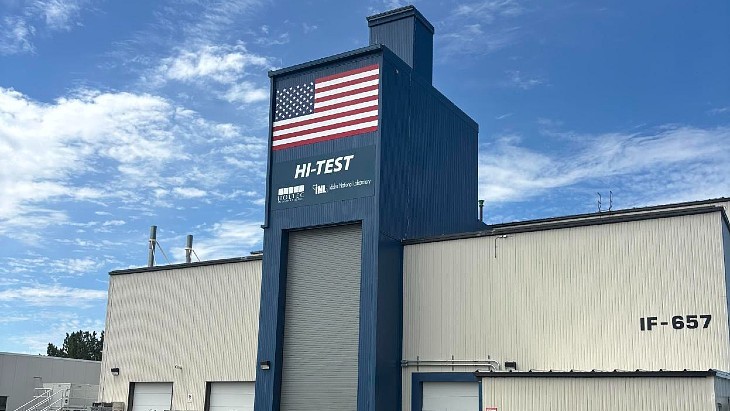
Construction Advances for Holtec's SMR-300 Test Facility at Idaho National Laboratory
Holtec International recently announced that construction of its HI-TEST test facility, supporting the SMR-300 small modular reactor, is advancing at Idaho National Laboratory (INL), with manufacturing of key test components and preparation for facility installation already underway. The facility simulates the SMR-300 plant at approximately one-third scale and is designed to quantify reactor design and operational performance margins, providing a test basis for potential future power uprates. Supported by the U.S. Department of Energy (USDOE), the HI-TEST facility's primary mission is to validate SMR-300 design margins under steady-state and transient conditions, offering physical test data for the plant's power generation capacity, resilience, and operability...
2026-08-28
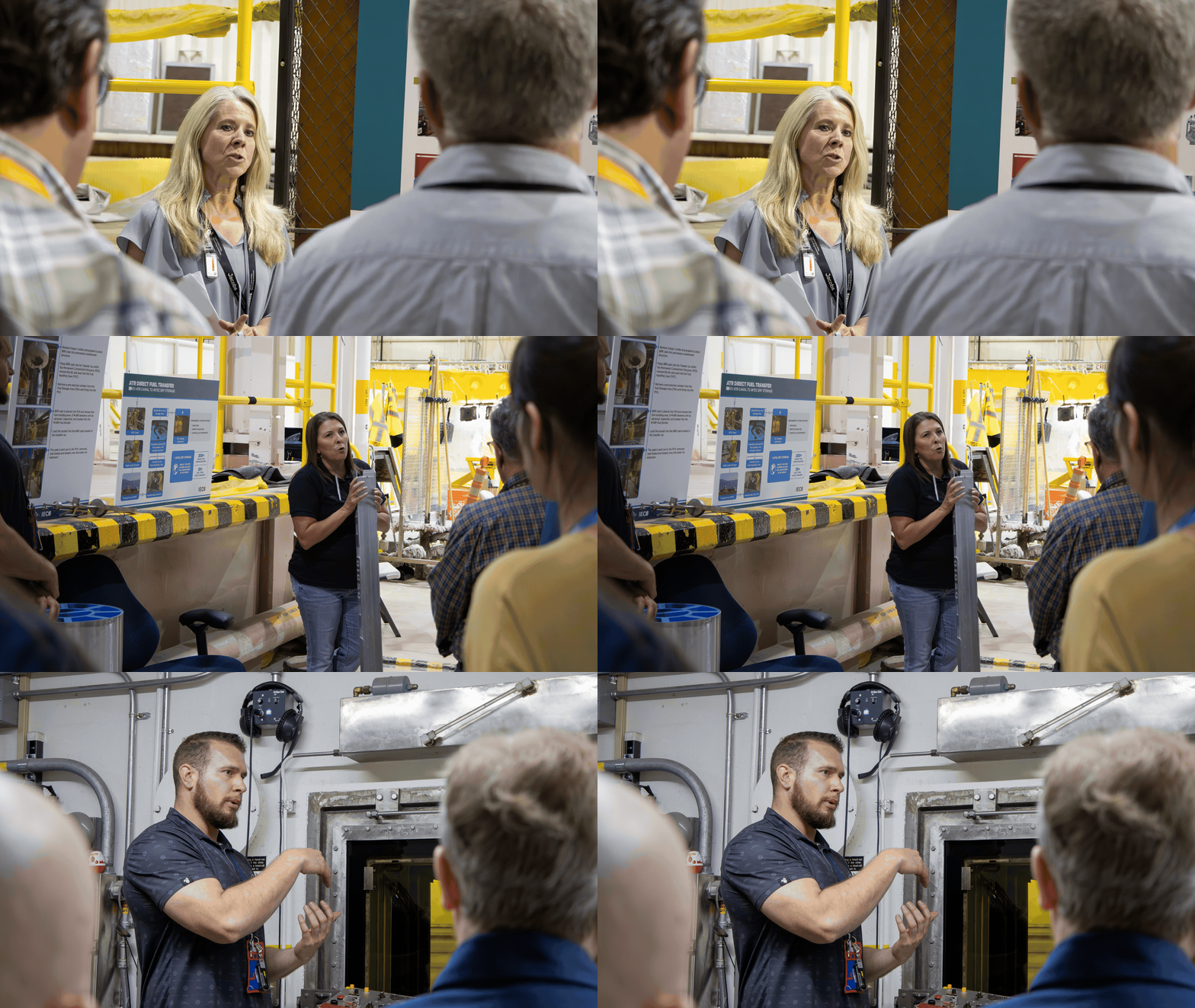
US Advances Preparations for High-Burnup Spent Fuel Shipment to Idaho for Research
The U.S. Department of Energy (DOE) recently stated that the Idaho Cleanup Project (ICP) is participating in preparations for transporting a high-burnup spent nuclear fuel research cask. The cask is planned to be shipped from Dominion Energy's North Anna Nuclear Power Station in Virginia to the Idaho National Laboratory (INL) for subsequent spent fuel-related research. INL was selected as the receiving site primarily because it possesses the specialized facilities, equipment, and personnel expertise required for handling spent nuclear fuel. The DOE noted that these capabilities are typically not part of routine commercial nuclear power plant configurations. High-burnup fuel refers to nuclear fuel that remains in the reactor for a longer period to increase energy output...
2026-08-26
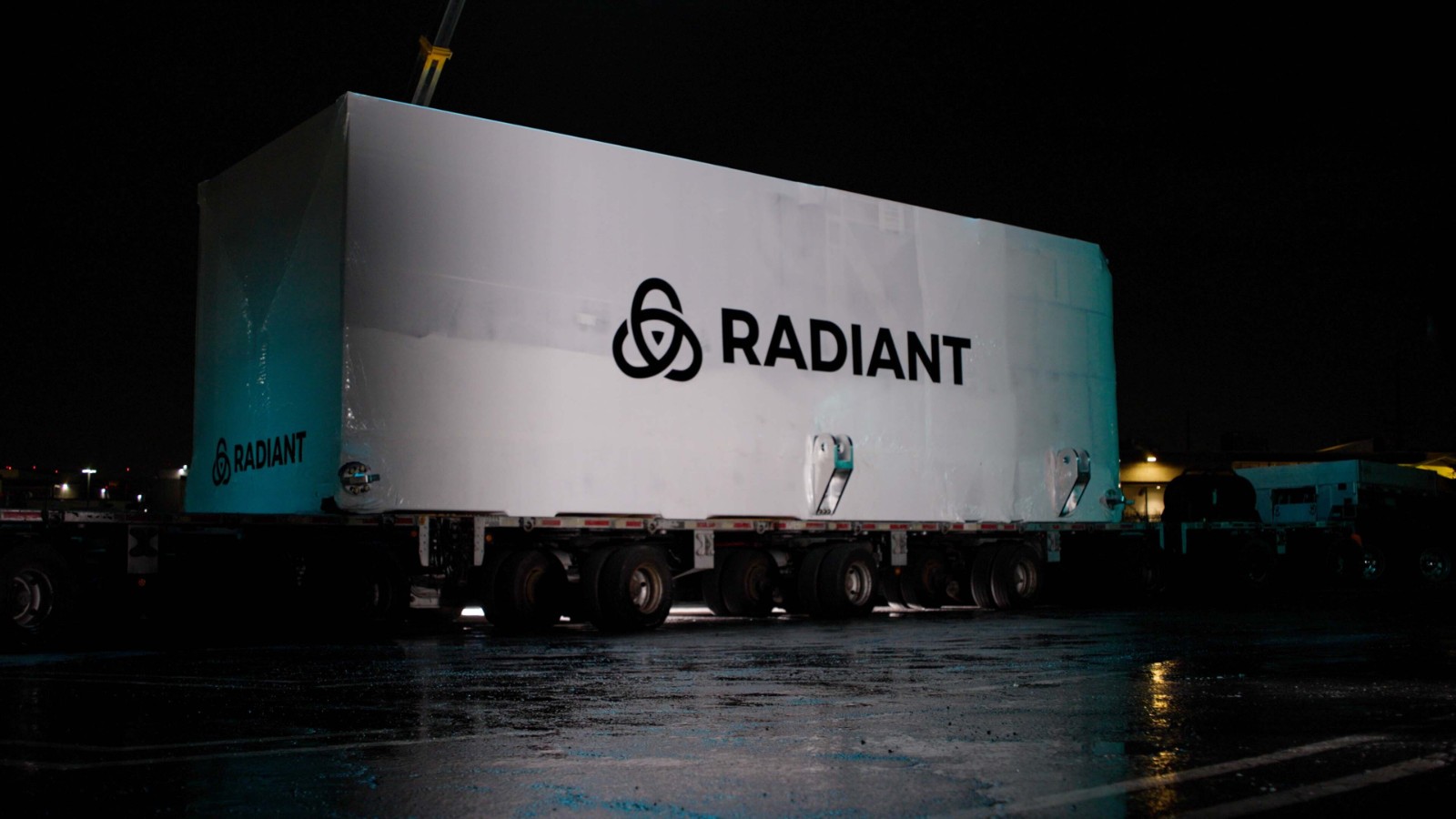
Radiant's Kaleidos Microreactor Shipped to Idaho National Laboratory for Testing
On August 13, Radiant announced that its 1-MW-class portable microreactor Kaleidos has departed its facility in El Segundo, California, and is being transported by trailer to Idaho National Laboratory (INL). The unit will undergo testing at INL's Microreactor Experimental Demonstration Facility (DOME). According to Radiant, the Kaleidos transport distance exceeds 1,000 miles. The company stated that the unit shipped to INL is not a scaled test article, but rather a reactor model consistent in design, dimensions, and commercial fuel loading with the units planned for delivery to customers. The DOME facility has completed modifications for microreactor testing. According to...
2026-08-15
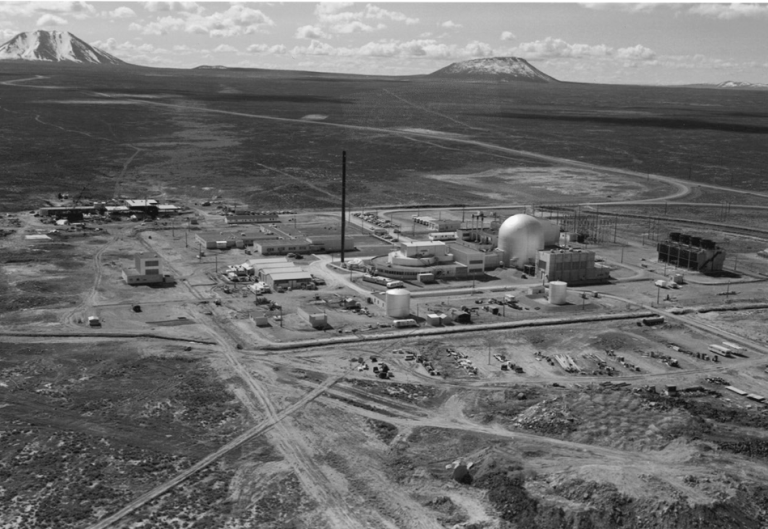
Idaho National Laboratory's Hot Fuel Examination Facility Named U.S. Nuclear Historic Landmark
The American Nuclear Society (ANS) recently designated the Hot Fuel Examination Facility (HFEF) at Idaho National Laboratory (INL) as a Nuclear Historic Landmark. Since becoming operational in 1975, the facility has conducted post-irradiation examination of nuclear fuel and materials, and continues to support research on advanced reactors, commercial nuclear fuel, and related energy security. HFEF is located within the Materials and Fuels Complex (MFC) at Idaho National Laboratory and houses the largest inert-atmosphere hot cell in the United States dedicated to nuclear materials research. The hot cell operates in an argon environment and features approximately 4-foot-thick shielding walls, enabling remote, non-destructive, and high-precision examination of highly irradiated fuel and material samples while reducing worker radiation exposure.
2026-08-13
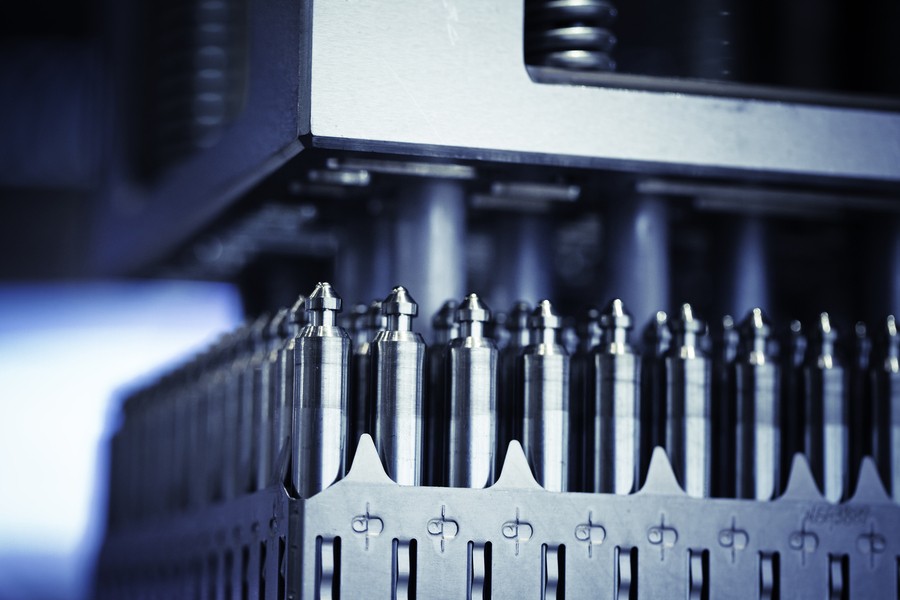
Study Reveals Three-Dimensional Pore Networks Inside Uranium-Zirconium Metallic Nuclear Fuel
Researchers at the Massachusetts Institute of Technology (MIT), in collaboration with Idaho National Laboratory (INL), conducted three-dimensional imaging studies on irradiated uranium-10 zirconium metallic fuel, revealing the internal pore networks within the fuel and their relationship with chemical changes and fuel-cladding interactions. The researchers believe these results will help improve metallic fuel performance models, providing references for extending the operating cycles of certain reactors and for the design of next-generation sodium-cooled fast reactor fuel systems. Uranium-10 zirconium (U-10Zr) is a uranium-zirconium alloy metallic fuel containing 10% zirconium, which has been extensively tested in sodium-cooled fast reactors such as Experimental Breeder Reactor II (EBR-II) and the Fast Flux Test Facility (FFTF). As advanced reactor research and development progresses, this type of metallic fuel has regained attention, but the details of pore formation, swelling, heat transfer, and interactions with cladding materials under reactor irradiation conditions still require further clarification.
2026-08-13
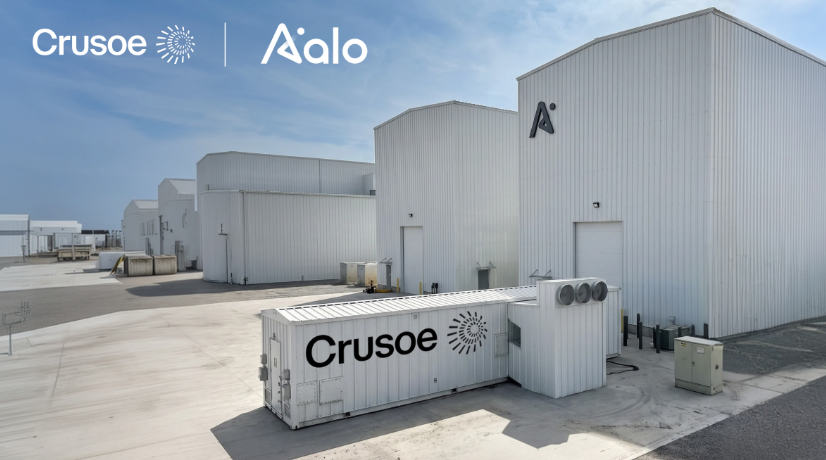
Crusoe and Aalo Atomics Forge Strategic Partnership: First Nuclear-Powered AI Facility Planned
U.S.-based Crusoe and Aalo Atomics have reached a strategic partnership aimed at deploying the first nuclear-powered artificial intelligence facility. This commercial collaboration builds on Aalo's recent criticality achievement, underscoring U.S. leadership in AI and energy. Crusoe's Spark modular AI data centers will be co-located with Aalo Atomics' nuclear reactor buildings at Idaho National Laboratory. The project aims to validate the effectiveness of nuclear energy for AI workloads. Cully Cavness, co-founder, president, and chief strategy officer of Crusoe, stated that next-generation AI infrastructure requires reliable, abundant, clean, and scalable power, and Aalo's reactors are designed precisely for that purpose. Crusoe's core value is "bending the energy arc toward sustainability," guided by the principle of leveraging its market position to support and accelerate energy innovation...
2026-07-31
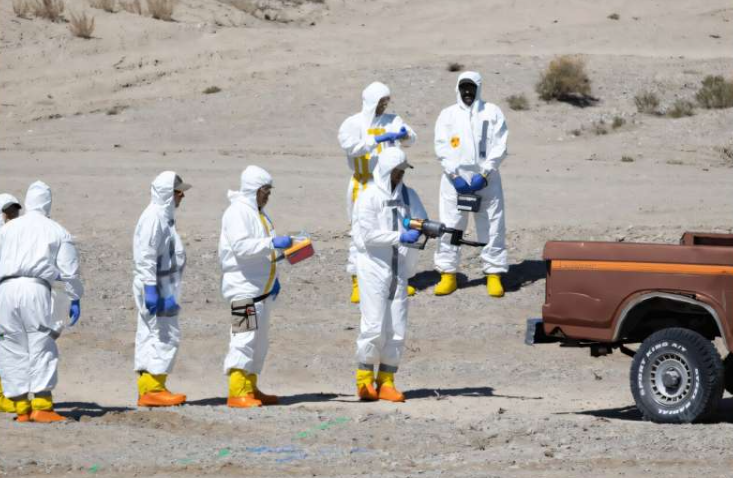
U.S. Idaho National Laboratory (INL) Develops New Vacuum Attachment for Nuclear Fallout Collection
Nuclear nonproliferation researchers at Idaho National Laboratory (INL) have invented a specialized attachment compatible with commercial handheld vacuum cleaners, designed to safely and efficiently collect radioactive fallout generated after a nuclear explosion. The intense heat from a nuclear blast lifts ground debris into the atmosphere, where it melts and cools into radioactive glass beads less than 1 millimeter in diameter that fall back to the ground. In the past, nuclear experts undergoing training could only collect samples using brooms, dustpans, and ordinary household battery-powered vacuum cleaners, making manual containment difficult and posing extremely high radiation exposure risks. The INL team began producing prototypes with a thermoplastic 3D printer in 2017, and after multiple rounds of iteration, has now commissioned a company in American Falls, Idaho, to mass-produce the attachment using industrial-grade 3D printing, significantly improving durability.
2026-07-31