
German Photon and Neutron Research Data Alliance Receives €8.3 Million in Second-Phase Funding
 Scan to share
The German “National Research Data Infrastructure for Photon and Neutron Experimental Data” consortium (DAPHNE4NFDI) will enter its second funding phase, receiving initial funding of €8.3 million, with the funding period running until the end of 2028. Since 2021, the consortium has been working to improve the management of research data from photon and neutron experiments, making the data easier to find, access, and reuse over the long term.
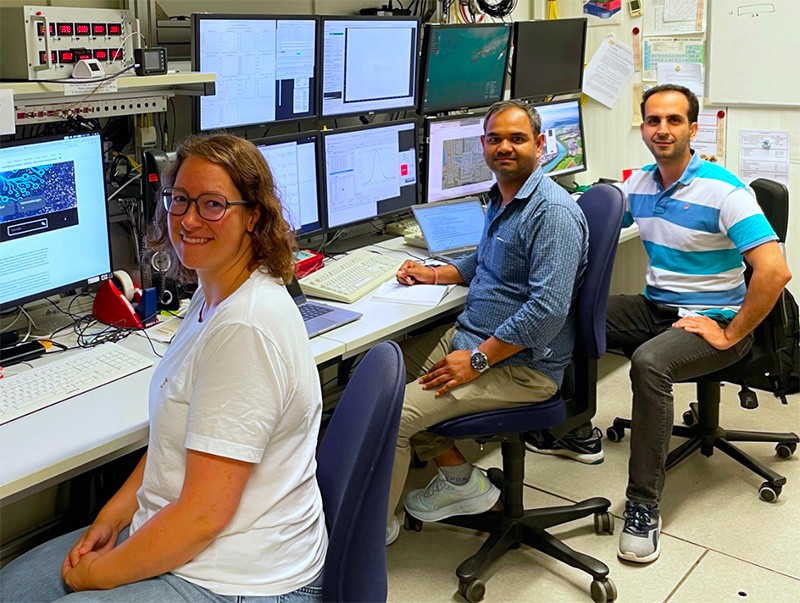
DAPHNE4NFDI is one of the disciplinary consortia under the German National Research Data Infrastructure (NFDI), with members including the German Electron Synchrotron (DESY), Kiel University (CAU), and other universities and research institutions. The funding decision is based on a recommendation from the German Research Foundation (DFG). From October 2026 to the end of 2028, the German federal and state governments will provide a total of approximately €71 million in initial funding to the 10 NFDI consortia that have been approved for continued funding in the second round, with DAPHNE4NFDI among them.
Photon and neutron experiments typically generate research data that is vast in scale and complex in structure. To support the long-term use of this data, DAPHNE4NFDI is developing standards and digital tools in accordance with the FAIR principles, i.e., promoting data that is findable, accessible, interoperable, and reusable. During the first funding phase, the consortium has made recommendations on research data management aspects such as metadata, electronic laboratory notebooks, and data catalogs, and has established the PaN database to store and publish metadata of curated data from photon and neutron experiments, ensuring the long-term accessibility of the relevant research data.
The Kiel University Computing Centre has also contributed to the development of the associated basic services, operating the IGSN sample registration service on behalf of DAPHNE4NFDI to provide unique identifiers for experimental samples in support of research data management. In the second phase, the consortium's focus will shift further from tool and standard development toward application and dissemination, with plans to develop research data quality standards and strengthen connections with other NFDI consortia.
Bridget·Murphy, spokesperson for the DAPHNE4NFDI project, stated that the new round of funding will help strengthen collaboration between photon and neutron research infrastructures, universities, and research institutions. The consortium will continue to develop digital tools to improve the findability and reusability of research data, and will explore the potential of artificial intelligence in scientific data management. The Ruprecht·Haensel Laboratory, a joint research facility between Kiel University, the Kiel Nano, Surface and Interface Science Center, and the German Electron Synchrotron, will also continue to serve as an important hub for the relevant collaboration.
Disclaimer: Information republished from partner media, institutions or other websites is provided for reference and communication purposes only. It does not imply endorsement of its views or verification of its accuracy. Please contact us if any content infringes rights or requires correction.