
Search Results
Keyword:Germany
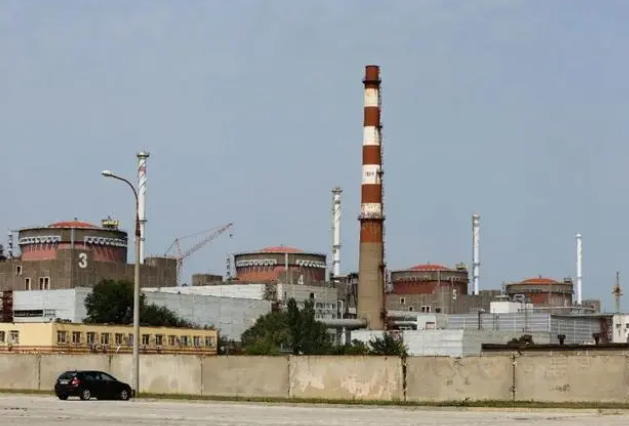
Germany to provide an additional 1 million euros to help address nuclear safety issues at the Zaporizhzhia NPP
Germany will provide an additional 1 million euros to help address nuclear safety issues at the Zaporizhzhia NPP. Recently, according to the German Federal Ministry for the Environment, the German government will provide an additional 1 million euros in aid to improve the safety level of Ukrainian nuclear power plants. Rita Schwarzelühr-Sutter, Parliamentary State Secretary at the German Federal Ministry for the Environment, is expected to formally announce this additional 1 million euros in funding on Tuesday at a meeting of the International Atomic Energy Agency (IAEA) in Vienna. Previously, Germany had cumulatively provided 7.3 million euros in financial support to the IAEA's nuclear safety and security work in Ukraine. Since...
2026-09-16

Lower Saxony, Germany Plans to Build Europe's First Large-Scale Fusion-Grade High-Temperature Superconducting Tape Plant
Proxima Fusion and the Lower Saxony state government of Germany signed a memorandum of understanding in Hanover on September 9, planning to build Europe's first large-scale fusion-grade high-temperature superconducting tape production facility in the state, laying the foundation for large-scale industrial production of high-temperature superconducting (HTS) tape. According to the plan, the first two phases of the project involve an investment of approximately 140 million euros, with public funds and private capital each covering about half. Of this, Lower Saxony plans to contribute 21 million euros, accounting for nearly 30% of the public funding portion. The first two phases of construction are expected to be completed by the end of 2029. High-temperature superconducting tape is a type of metal tape that exhibits superconducting properties at relatively higher temperatures. In the superconducting state, it can transmit current with nearly zero resistive loss and is used to manufacture high-power, compact electromagnets. For stellarator fusion devices, magnets made from high-temperature superconducting tape can generate the magnetic fields needed to confine and control high-temperature plasma, making them an important foundational material for achieving compact fusion devices and future fusion power plants.
2026-09-12

ITM and SpiroChem Announce Strategic Collaboration to Advance Novel Radiopharmaceutical Development
Garching/Munich, Germany and Basel, Switzerland, September 8, 2026 – Radiopharmaceutical biotechnology company ITM Isotope Technologies Munich SE and Swiss collaborative research organization SpiroChem AG today announced a strategic drug discovery partnership focused on a novel radiopharmaceutical candidate within ITM's pipeline. The specific target and financial terms of the collaboration were not disclosed. Under the agreement, the parties will combine their respective capabilities to advance candidate discovery and optimization. SpiroChem will leverage its drug discovery platform, macrocycle library, and screening engine to lead hit identification and optimization, while ITM will provide...
2026-09-09

German BESSY II 3D Magnetic Field Experiments Reveal Mechanism of Weak Magnetic Field Control over Magnetic Textures
A team at the Helmholtz-Zentrum Berlin (HZB) in Germany has made progress in controlling magnetic textures in the magnetic material (Fe0.63Ni0.3Pd0.07)3P (abbreviated as FNPP) through 3D magnetic field experiments conducted at the BESSY II synchrotron facility. The research shows that a very small external in-plane magnetic field is sufficient to alter the magnetic stripe structure in this material, providing new experimental evidence for the development of functional magnetic materials for spintronics. FNPP is a magnetic material that exhibits complex magnetic structures at room temperature, making it a focus of spintronics research. Spintronics is considered promising for lower-energy data processing and novel data storage applications. However, to achieve practical applications, the key lies in...
2026-09-08
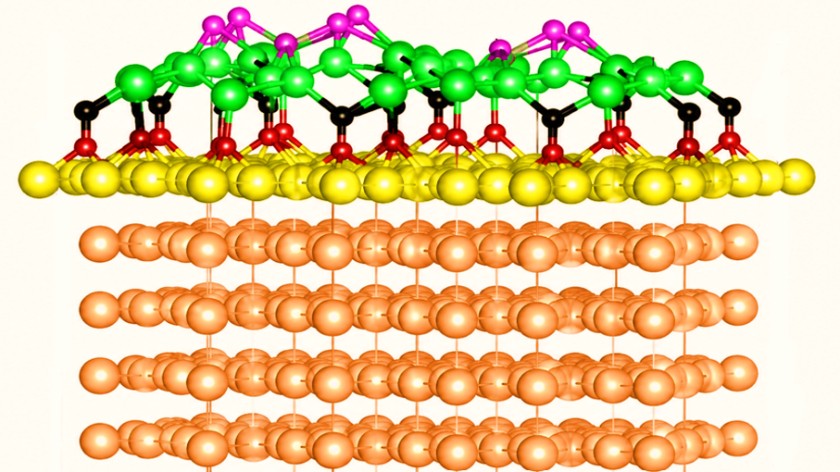
BESSY II reveals early-stage copper oxidation: providing evidence for catalyst development and corrosion research on nuclear waste final disposal containers
Germany's BESSY II synchrotron facility has recently provided new experimental insights into the early-stage oxidation process of copper surfaces. The study shows that before the formation of pure copper oxides, copper and oxygen atoms first form complex surface superstructures, such as "29"CuₓO. The chemical state of such structures has long been debated, and the findings are of reference value for catalyst research as well as for corrosion protection studies of copper containers used for radioactive waste final disposal. Before the formation of pure copper oxide, complex superstructures composed of copper and oxygen atoms emerge—such as "29"CuxO. HZB In everyday environments, copper surfaces gradually lose their red metallic luster and form a greenish oxide layer. This layer structure can slow further corrosion over an extended period. Regarding the initial stages of this process, the core question researchers focus on is: to what extent are copper atoms actually oxidized once oxygen enters the copper surface. Since conventional spectroscopic methods struggle to clearly distinguish between pure copper and partially oxidized surfaces, such oxidation states have previously been difficult to determine directly.
2026-09-07
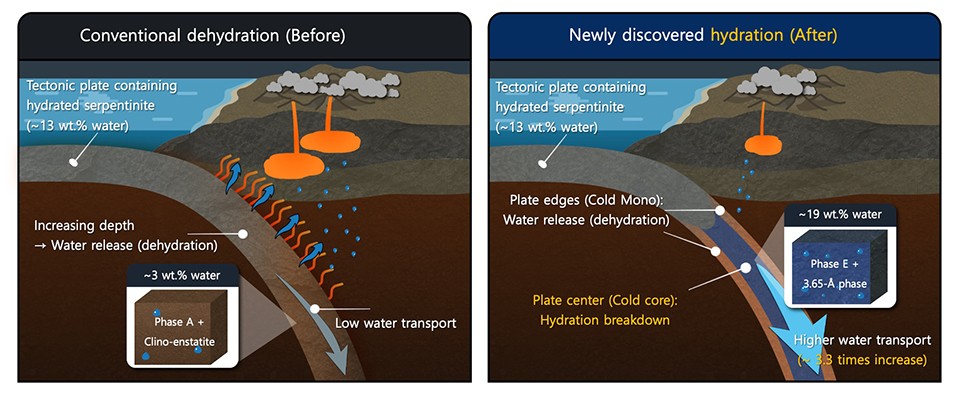
South Korean research team reveals that water storage capacity of cold subducting slabs has been underestimated using synchrotron radiation sources
A research team led by Professor Yongjae Lee of the Department of Earth System Sciences at Yonsei University in South Korea has recently found that in cold, rapidly descending tectonic subduction zones, crustal rocks may transport up to 1 trillion kilograms of water to the mantle each year—approximately twice the previous estimate. The findings have been published in Nature Communications. Subduction zones are regions where Earth's tectonic plates converge and one plate descends beneath another, often accompanied by volcanic and seismic activity. For a long time, the academic community has generally believed that serpentinite, a water-bearing rock, gradually dehydrates as it descends with the plate due to increasing pressure and temperature, and the released water further promotes melting of the overlying plate and is associated with the formation of volcanic arc chains.
2026-09-07
Germany's BEST and Luvata Partner to Expand Supply of RRP Superconductors for Fusion
Bruker Energy & Supercon Technologies (BEST) of Germany and Luvata Materials & Solutions, part of the Luvata Group, have announced a strategic partnership to expand the industrial supply capacity of high-performance RRP® superconductors for next-generation magnetic confinement fusion power demonstration projects worldwide. According to information released by the two companies, the collaboration will focus on enhancing the industrial readiness and availability of RRP superconductors, expanding manufacturing capabilities, and strengthening supply chain resilience to meet the large-scale demand for superconducting materials in high-field magnetic confinement fusion projects...
2026-09-05

Bayer Presents Phase III Data for Iodine-124 PET Tracer: High Sensitivity Shown in Cardiac Amyloidosis Diagnosis
At the 2026 European Society of Cardiology Congress, Bayer presented results from the Phase III REVEAL study of its investigational PET radiotracer iodine-124 evuzamitide (I-124 evuzamitide). Data showed that the tracer met the study's primary endpoints in diagnostic sensitivity and specificity when used for imaging in patients with suspected cardiac amyloidosis. The REVEAL study, sponsored by Brigham and Women's Hospital, is a multicenter, open-label, single-arm Phase III clinical trial conducted at 18 sites in the United States, enrolling 170 adult patients with suspected cardiac amyloidosis. Following a single intravenous injection of I-124 evuzamitide, subjects underwent cardiac and...
2026-09-01
German Team Achieves Ultrafast Shaping of Extreme Ultraviolet Pulses Using High-Density Helium Gas
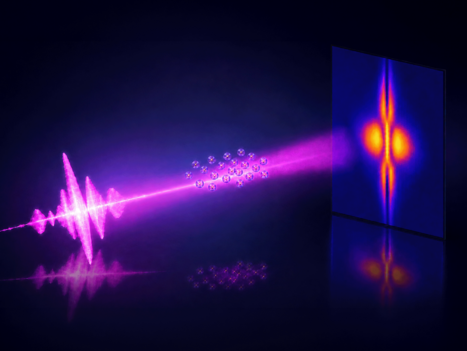
August 20, 2026, the international team led by researchers from the Max Planck Institute for Nuclear Physics (MPIK) in Heidelberg announced that they have utilized atomic gas as a rapidly switchable time-varying lens to control the beam shape and spectrum of intense high-frequency laser pulses. This achievement is expected to provide a new pathway for the fine control of extreme ultraviolet (XUV) and X-ray pulses, and may serve research directions such as improved spectroscopic methods, control of chemical reactions, and quantum computing. Extreme ultraviolet light can provide important tools for studying atomic-scale processes. With the development of free-electron lasers, researchers have been able to generate ultrashort, high-intensity XUV light pulses, but how to manipulate them like...
2026-08-31
German Photon and Neutron Research Data Alliance Receives €8.3 Million in Second-Phase Funding
The German National Research Data Infrastructure consortium for photon and neutron experimental data (DAPHNE4NFDI) will enter its second funding phase, receiving initial funding of €8.3 million, with the funding period running until the end of 2028. Since 2021, the consortium has been working to improve the management of research data from photon and neutron experiments, making the data easier to find, access, and reuse over the long term. DAPHNE4NFDI is one of the disciplinary consortia under the German National Research Data Infrastructure (NFDI), with members including the German Electron Synchrotron (DESY), Kiel University (CAU), and other universities and research institutions. The funding decision is based on a recommendation from the German Research Foundation (DFG). Since January 2026...
2026-08-31
German BESSY II Research Reveals: Cesium Chloride Seed Layer Can Improve Quality of Perovskite-Silicon Tandem Solar Cells
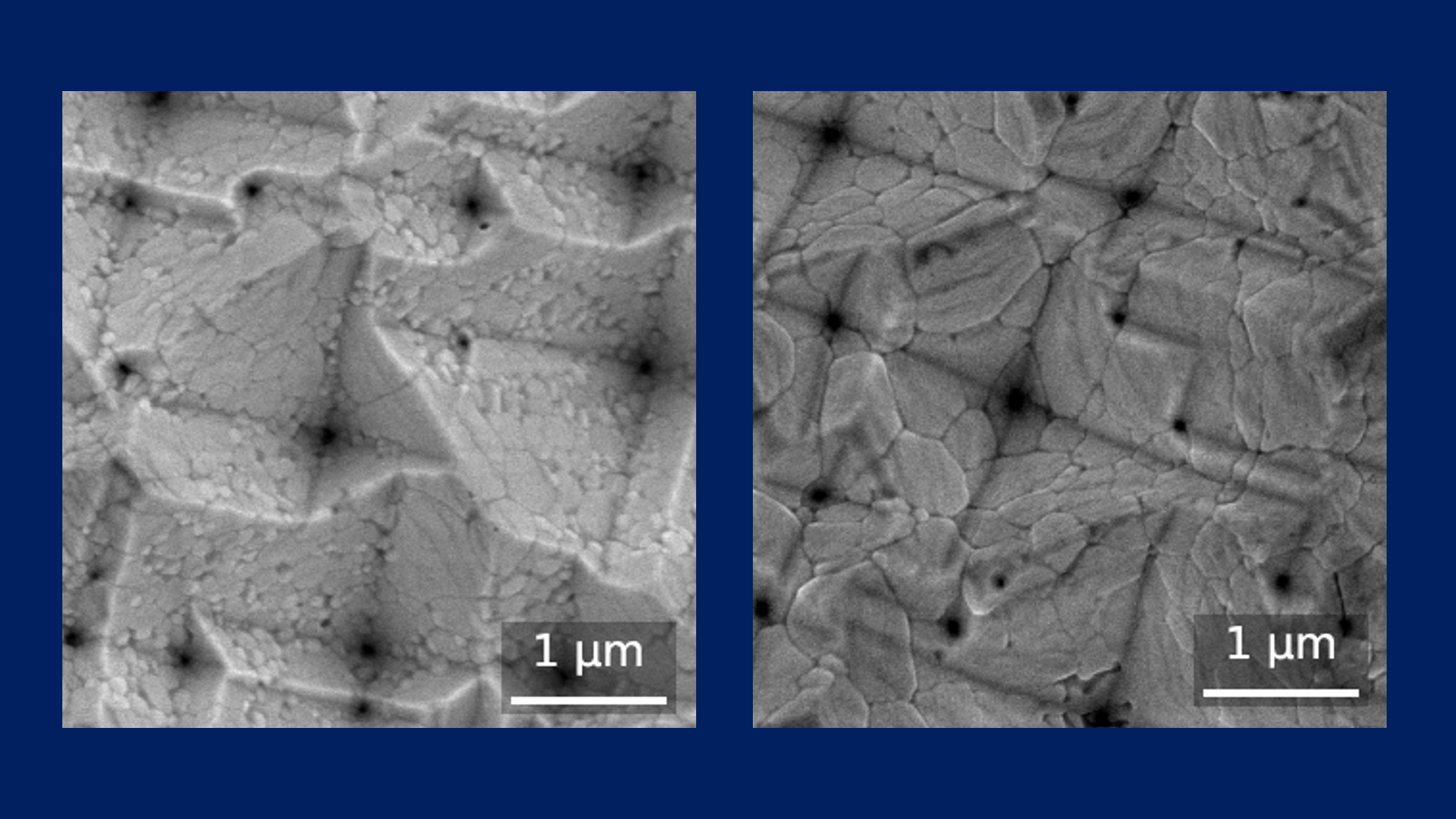
A team from the Helmholtz-Zentrum Berlin (HZB) in Germany used the BESSY II synchrotron radiation facility to conduct nanoscale analysis of perovskite-silicon tandem solar cells fabricated by evaporation methods, and proposed a new approach to improve the quality of perovskite thin films. The study shows that introducing a thin cesium chloride (CsCl) seed layer between the two sub-cells promotes uniform growth of the perovskite layer while reducing undesirable lead iodide deposition at the interface. The research demonstrates that the cesium chloride seed layer improves the growth of the evaporated perovskite layer and reduces the formation of lead iodide. Scanning electron microscopy images show that the perovskite layer grown without a seed layer (left image) consists of extremely fine crystallites...
2026-08-27
Akiram Therapeutics and ITM Sign Lutetium-177 Supply Agreement to Support Radiopharmaceutical Development for Solid Tumors
Akiram Therapeutics, a Swedish clinical-stage biotechnology company, and ITM Isotope Technologies Munich SE, a German radiopharmaceutical biotechnology company, recently announced the signing of a supply agreement. Under the agreement, ITM will supply no-carrier-added lutetium-177 (nca Lu-177) to Akiram to support the clinical development of its targeted antibody-radionuclide conjugate, 177Lu-AKIR001 (AKIR001). AKIR001 is Akiram's lead radiopharmaceutical candidate, currently being investigated in clinical studies for the treatment of CD44v6-expressing solid tumors. The candidate combines the therapeutic radioisotope nca Lu-177 with a proprietary antibody targeting CD44v6. CD...
2026-08-20
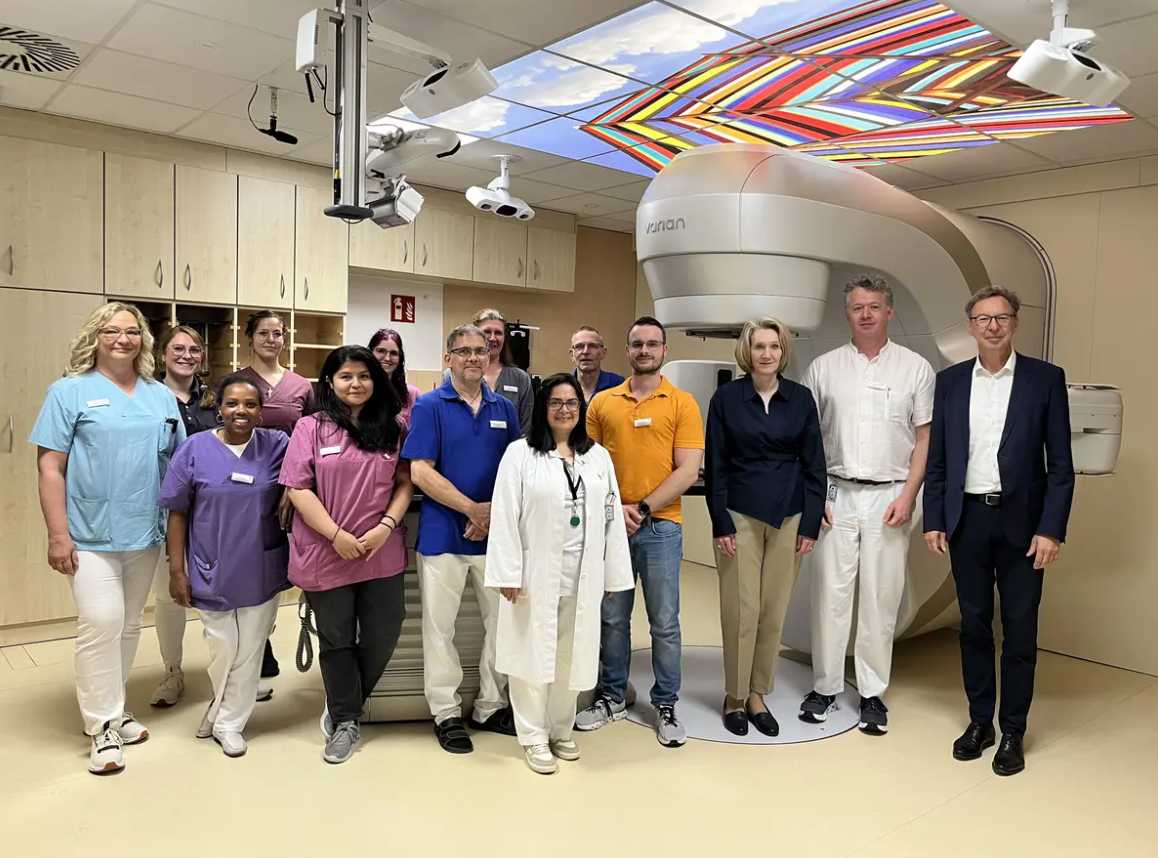
Second Radiotherapy Linear Accelerator Commissioned at Buchholz Hospital in Germany
The second medical linear accelerator for cancer radiotherapy at Buchholz Hospital in the North Heath region of Germany has been commissioned. The device was activated by the hospital's radiotherapy department under the direction of Chief Physician Dr. Günter Bohlen, marking a further enhancement of local oncological radiotherapy capabilities. The management of Buchholz Hospital and Winsen Hospital, Dr. Franziska von Brunnig (third from right) and Dr. Martin Meyer (first from right), together with Chief Physician Dr. Günter Bohlen (second from right) and the radiotherapy team, posed for a photo at the official commissioning ceremony of the second linear accelerator at Buchholz Hospital. Photo: Buchholz-Winsen Hospital. According to available information, Buchholz Hospital...
2026-08-20
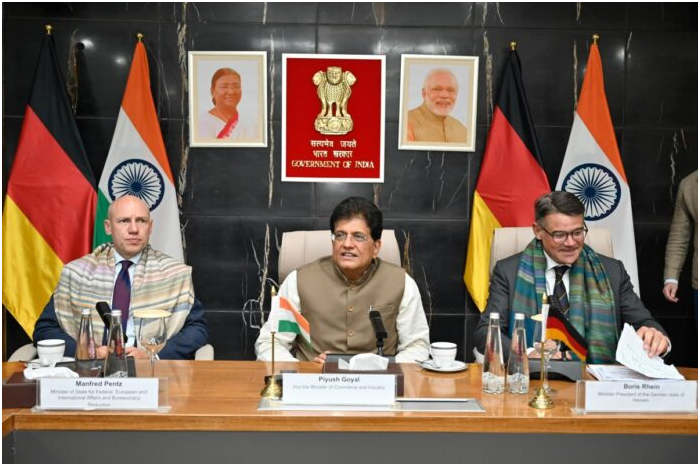
India and Germany's Hesse Explore Clean Energy Cooperation, with Discussions Covering Laser-Based Nuclear Fusion Research
On August 19, India's Minister of Commerce and Industry Piyush Goyal held talks with Boris Rhein, Minister-President of the German state of Hesse, to discuss strengthening economic and technological cooperation between India and Hesse. Manfred Pentz, Minister for Federal and European Affairs, International Affairs and Deregulation, along with a German business delegation, attended the meeting. The talks covered several emerging and high-growth sectors, with energy-related discussions focusing on clean energy and future technologies. The two sides discussed Hesse's initiatives in next-generation energy technologies, including laser-based...
2026-08-20
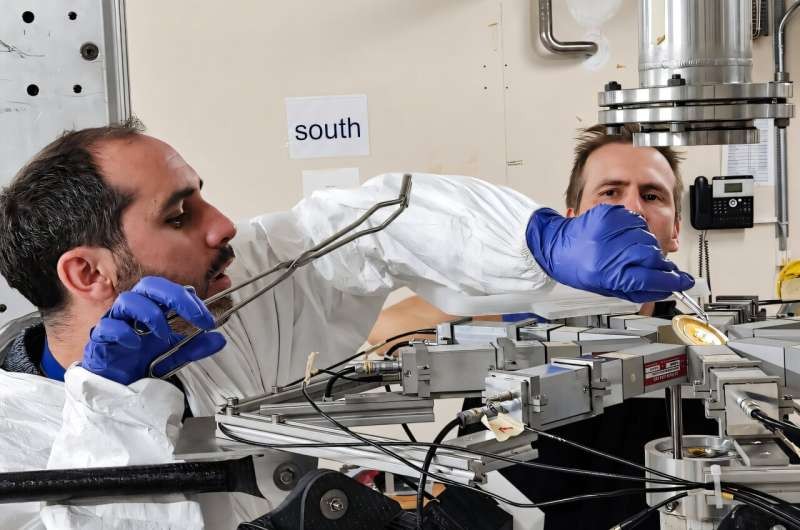
CERN measures niobium-94 neutron capture for the first time, shedding new light on the mystery of molybdenum abundance in ancient stardust
The n_TOF collaboration at CERN recently reported that researchers have for the first time measured the probability of neutron capture by niobium-94. The results, published in Physical Review Letters, provide new experimental evidence for explaining the anomalous abundance of molybdenum-94 in presolar grains. The EAR2 facility in the n_TOF experiment at CERN produces intense neutron beams, opening new possibilities for nuclear research. Credit: CERN Niobium-94 is a niobium isotope containing 41 protons and 53 neutrons, occupying a critical juncture in the nuclear reaction chain that produces heavy elements in dying stars. Researchers are interested in it because niobium-94 is very close to molybdenum-94, differing by just one fewer proton and one more neutron. Under the high-temperature, high-pressure conditions inside stars, niobium-94 may either transform into molybdenum-94 through beta decay or form niobium-95 through neutron capture. The competition between these two reaction pathways directly affects scientists' understanding of the origin of molybdenum-94.
2026-08-20