
Portable X-ray Equipment in the U.S. Used for On-Site Assessment of American Football Injuries
 Scan to share
As the 2026—2027 American football season approaches, team training camps, player evaluations, and medical support preparations are getting underway. Given the risk of acute sports injuries from the high-intensity physical contact in American football, portable X-ray equipment is being used to improve the efficiency of injury assessment on the sidelines and at training facilities.
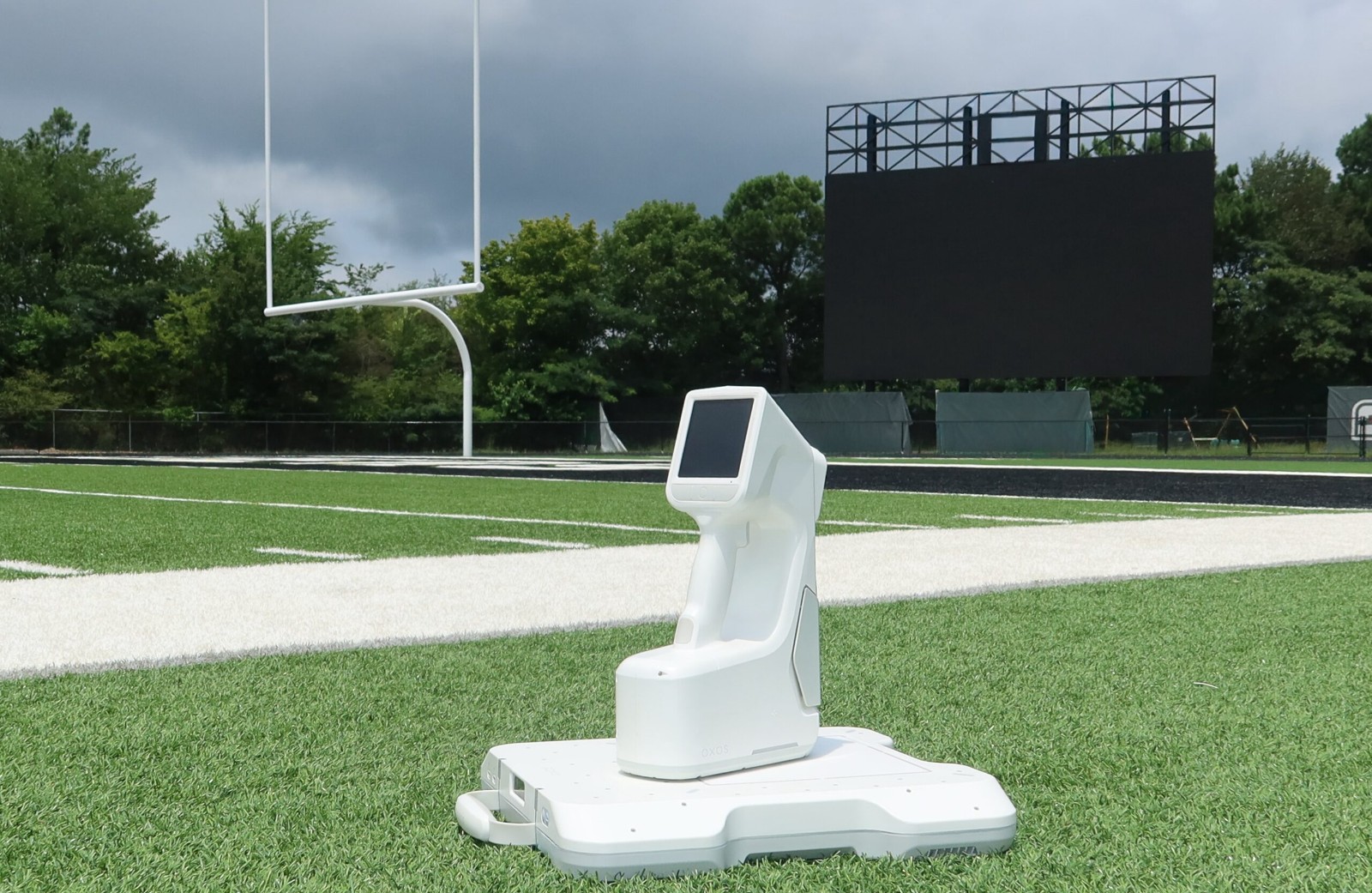
According to reports, American football players are prone to fractures, sprains, joint dislocations, and contusions. Relevant data indicates that the incidence of severe injuries such as fractures, dislocations, and contusions in this sport is higher than in other sports, with fractures accounting for approximately 10% of all football injuries. Such injuries typically require X-ray radiography to aid diagnosis, but traditional X-ray machines are bulky and fixed in place, usually requiring use in facilities with appropriate shielding. Injured players often need to be transported to the radiology department for examinations, which may delay diagnosis and treatment decisions.
The MC2 portable X-ray device launched by OXOS is designed for sports medicine scenarios, capable of capturing X-ray images in environments such as training rooms and stadiums. Its MC2 Go solution includes a portable X-ray device, a handheld tablet, and a travel case, enabling medical teams to acquire images on-site and send image files to radiologists or remote team physicians for interpretation, thereby shortening the injury assessment process.
Bob Murphy, Associate Director of Sports Medicine and Nutrition at Georgia State University, stated that obtaining high-quality images quickly on-site helps medical teams make more informed decisions. For athletes in season, the speed of imaging may affect whether they can continue playing, whether further treatment is needed, and the length of time they are sidelined.
The application of portable X-ray equipment demonstrates that radiography technology is extending from fixed medical spaces to sports venues. For sports medicine teams requiring rapid response, such devices can provide more flexible imaging support for orthopedic and sports injury diagnosis and treatment.
Disclaimer: Information republished from partner media, institutions or other websites is provided for reference and communication purposes only. It does not imply endorsement of its views or verification of its accuracy. Please contact us if any content infringes rights or requires correction.