
Russian Academician Says SKIF Synchrotron Light Source Will Not Produce Radionuclides, Safe and Controllable in Operation
 Scan to share
Yevgeny Levichev, an academician of the Russian Academy of Sciences and director of the Collective Use Center of the Siberian Circular Photon Source (SKIF), recently stated that synchrotron light sources, including SKIF located near Novosibirsk, are electrophysical equipment with safe and controllable operation that poses no threat to personnel even in the event of a malfunction.
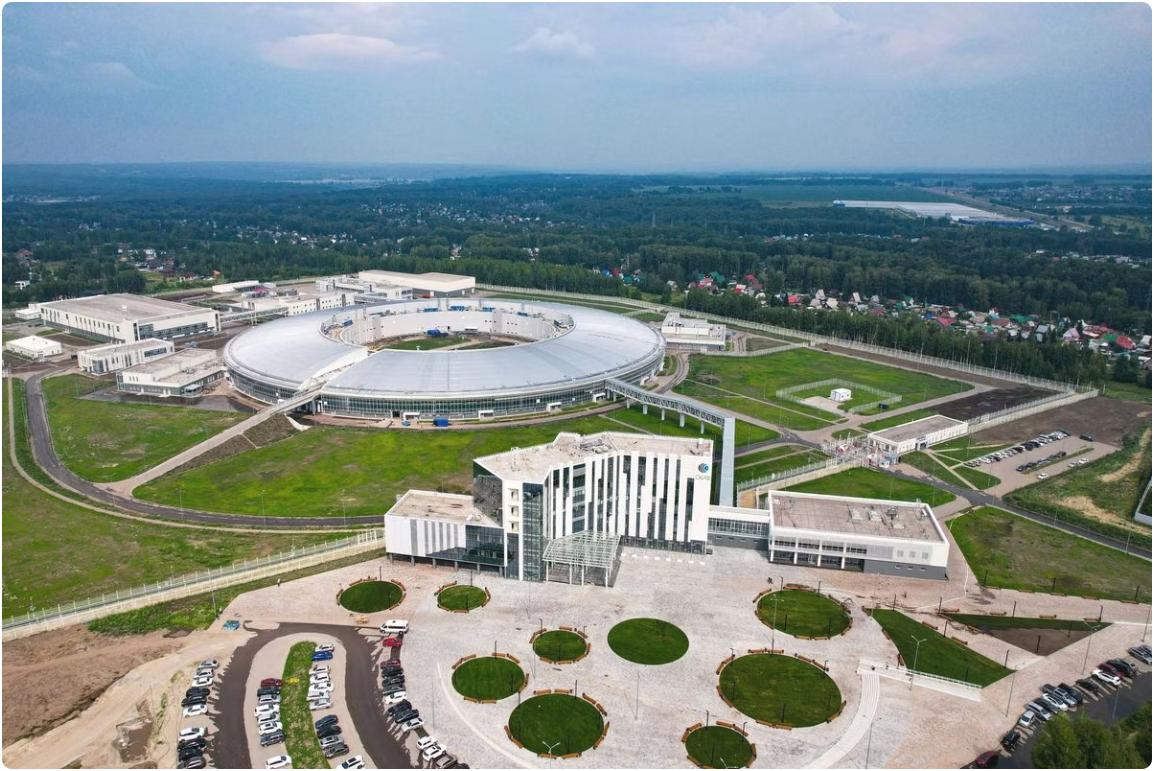
Levichev said that unlike facilities such as nuclear power plants, synchrotron light sources do not generate isotopes or radionuclides in their systems. Once an anomaly occurs, the beam is reset, and the facility's risk level is close to that of ordinary electrical equipment.
According to reports, construction of the SKIF synchrotron was completed in June 2026, with an inauguration ceremony held in August. Once the facility is operational, it will use synchrotron radiation to help researchers obtain high-precision data on the structure and behavior of matter. In the accelerator system, electron beams are accelerated and then produce radiation through the magnetic fields of bending magnets or dedicated insertion devices.
Levichev pointed out that the primary risk of a synchrotron light source exists only inside the accelerator tunnel during electron beam operation. To ensure safety, biological shielding walls approximately 1.5 to 2 meters thick are installed around the facility, along with an interlock control system. During synchrotron operation, access to the relevant areas is locked; if anyone attempts to open the access doors, the electron beam will be immediately terminated.
Disclaimer: Information republished from partner media, institutions or other websites is provided for reference and communication purposes only. It does not imply endorsement of its views or verification of its accuracy. Please contact us if any content infringes rights or requires correction.