
Rosenergoatom Celebrates 34 Years: Operating 33 Nuclear Power Units
 Scan to share
On September 7, Rosenergoatom celebrated its 34th anniversary. The company is the management company of the electric power division of Rosatom, Russia's state atomic energy corporation. In 1992, Russian nuclear power plants were consolidated into a unified nuclear power operating organization, leading to the establishment of Rosenergoatom.
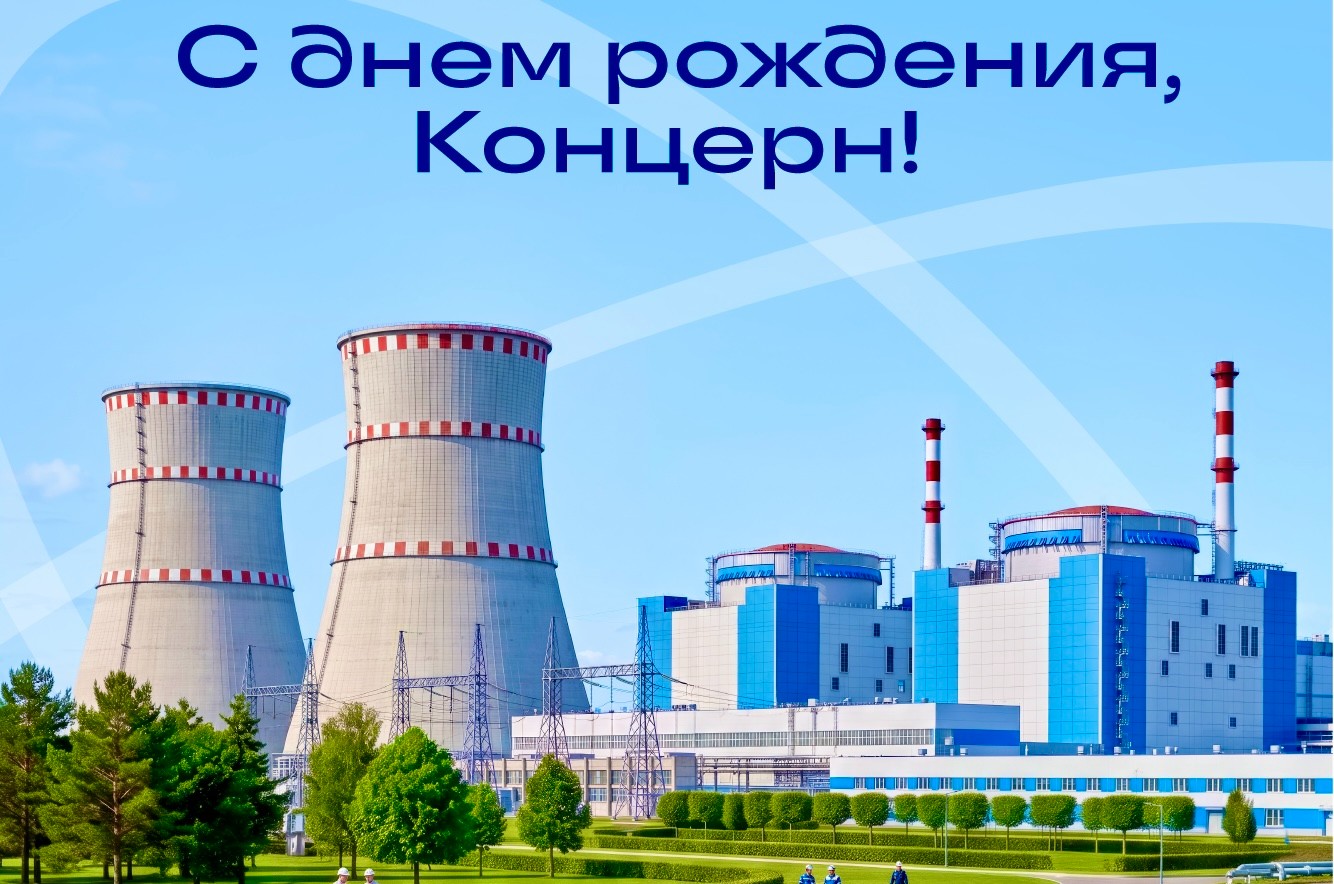
Currently, Rosenergoatom is Russia's largest electricity generator and one of the world's major nuclear power operators in terms of installed capacity. The company operates 11 nuclear power plants with 33 units, including the Akademik Lomonosov floating nuclear power unit comprising two reactor plants, with a total installed capacity exceeding 29.8 GW. The Bilibino NPP was fully shut down at the end of 2025 and currently remains in a non-power-generating operational state.
In 2025, Russian nuclear power plants generated a cumulative total of 218.349 billion kWh, a year-on-year increase of 1.3%; the average capacity factor of the units reached 87.22%. As of September 7, 2026, the cumulative electricity generation of Russian nuclear power plants within the year had exceeded 149.1 billion kWh, exceeding the target approved by the Federal Antimonopoly Service of the Russian Federation by 6.73%.
According to plans, Rosenergoatom will commission 38 new nuclear power units in 7 regions of Russia by 2042, increasing the share of nuclear power in the national electricity generation mix from approximately 19% to 25%.
Over the past 34 years, Rosenergoatom has generated a cumulative total of over 5.4 trillion kWh of electricity, equivalent to approximately 5 years of Russia's national electricity consumption; it has commissioned 14 nuclear power units, including the two reactor plants of the Akademik Lomonosov floating nuclear power unit. The company states that no serious radiation incidents have occurred throughout its operational history.
Currently, several new nuclear construction projects are underway in Russia, including Units 2-4 of the Kursk II NPP with VVER-TOI reactors, Units 3 and 4 of the Leningrad II NPP with VVER-1200 reactors, and Unit 5 of the Beloyarsk NPP with a BN-1200 fast reactor. The Smolensk II NPP with two VVER units, the Primorskaya NPP with two VVER-1000 units, and the Yakutia small-scale NPP project are at various stages of preparation.
In addition to nuclear power operations, Rosenergoatom is also engaged in engineering and energy services, isotope production, electricity sales, nuclear power plant services, training of operating personnel for overseas nuclear power plants, digital products, robotics, electric vehicle charging infrastructure, and biogas reactors. The company holds approximately 30% of the global cobalt-60 market share. Cobalt-60 is primarily used in fields such as sterilization of medical devices and materials. Its fast-charging stations account for approximately 6% of Russia's total fast-charging infrastructure, with a market share of about 40% in Moscow's fast-charging station market.
In 2025, development agreements signed by Rosatom with relevant regions allocated approximately 7.3 billion rubles to projects in municipalities hosting nuclear power plants. Of this amount, regional funds exceeded 5.7 billion rubles, municipal funds amounted to 306.5 million rubles, and the management company of the electric power division contributed over 1.2 billion rubles. The funds were primarily used for major repairs and upgrades of social facilities, transportation and engineering infrastructure development, as well as the preparation of master plans and strategic development documents for nuclear cities.
Disclaimer: Information republished from partner media, institutions or other websites is provided for reference and communication purposes only. It does not imply endorsement of its views or verification of its accuracy. Please contact us if any content infringes rights or requires correction.