
Search Results
Keyword:nuclear power units
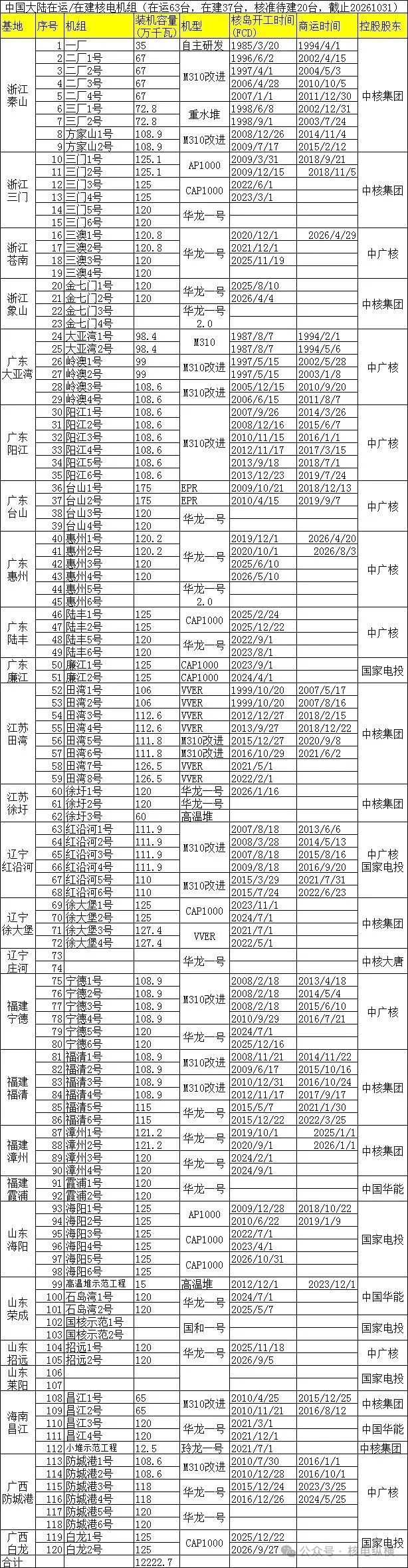
The scale of nuclear power units in operation and under construction in Chinese mainland continues to expand
Recently, the latest statistics show that the construction and operation scale of nuclear power units in Chinese mainland continues to maintain a globally leading momentum. As of October 31, 2026, Chinese mainland had 63 nuclear power units in operation, 37 units under construction, and another 20 units approved and awaiting construction. It is reported that this massive nuclear power engineering system fully covers third-generation pressurized water reactors with completely independent intellectual property rights as well as cutting-edge advanced reactor demonstration projects. With the batch construction and efficient and safe operation of advanced units such as Hualong One and Guohe One, China's nuclear power industry is playing an increasingly central supporting...
2026-11-02
Rosatom Plans to Build Eight New Nuclear Power Units and SMRs in Iran
Recently, Alexey Likhachev, Director General of Rosatom, announced that Russia and Iran have reached an agreement to jointly construct 8 new nuclear power units in Iran, and signed a cooperation agreement this autumn for the construction of small modular reactor (SMR) nuclear power generation facilities in Iran. It is reported that the two sides are currently steadily advancing the construction of Units 2 and 3 of the Bushehr Nuclear Power Plant. Likhachev refuted rumors that Russian personnel might evacuate from Bushehr, and explicitly stated that Rosatom is expanding the on-site construction workforce as planned, with the total number of Chinese and Russian technical personnel on site expected to gradually increase to ...
2026-10-28
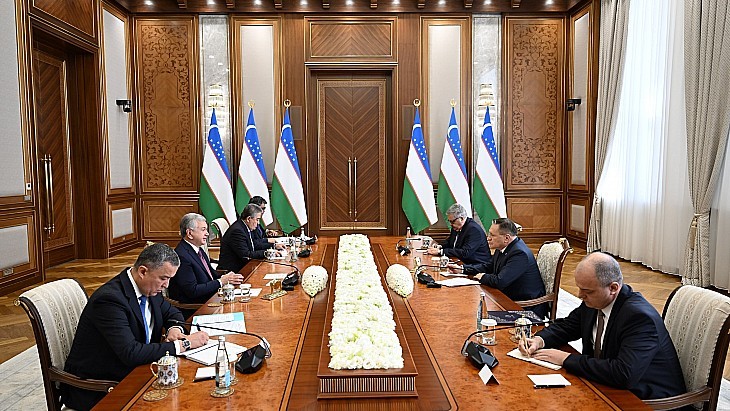
Rosatom Plans to Start Construction of Large Nuclear Power Units in Uzbekistan in 2027
Alexey Likhachev, Director General of Rosatom, stated during an inspection of the construction site of the planned nuclear power plant in Uzbekistan that the company plans to officially launch construction of the large nuclear power units at the plant in 2027. Prior to this, Uzbekistan President Shavkat Mirziyoyev held a working meeting with Likhachev on October 23 regarding the progress of the relevant project. Currently, two Small Modular Reactors (SMR) are already under construction at the project site in the Jizzakh region...
2026-10-24
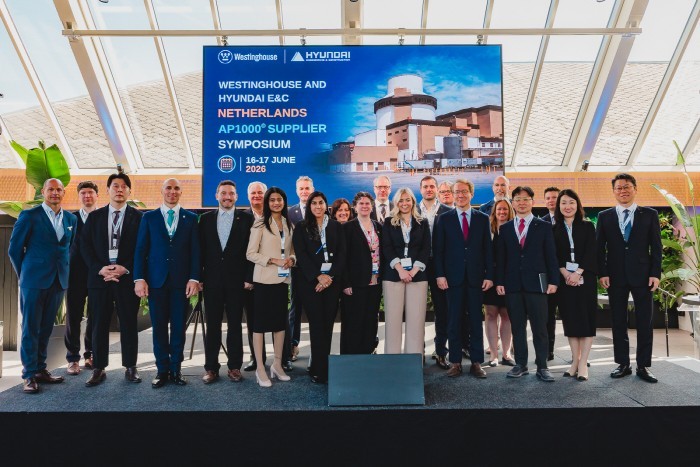
Hyundai E&C Joins Forces with Westinghouse to Sign Pre-FEED Contract for Two Large Nuclear Power Units in the Netherlands
Hyundai E&C recently announced that it has formally signed a subcontract with Westinghouse of the United States for Phase 1 Front-End Engineering Design (FEED 1) of the Netherlands' new large nuclear power plant project. The contract derives from the FEED 1 main contract awarded to Westinghouse by the Nuclear Energy Organization Netherlands (NEO NL). As a key engineering partner of Westinghouse, Hyundai E&C will focus on two gigawatt-scale large nuclear power units adopting Westinghouse's AP1000 advanced pressurized water reactor technology, comprehensively carrying out front-end engineering design and integrated project assessment work. According to the division of work, Hyundai E&C...
2026-10-08

Dongfang Electric Signs Low-Pressure Diaphragm Supply Agreement with Électricité de France, Supporting the Upgrade and Retrofit of European Pressurized Water Reactor Nuclear Power Units
Recently, Dongfang Electric International Corporation (hereinafter referred to as "Dongfang International"), a subsidiary of China Dongfang Electric Group Co., Ltd., and Arabelle, a subsidiary of Électricité de France (EDF), officially signed a nuclear power steam turbine low-pressure diaphragm supply agreement. According to the agreement, Dongfang Electric will serve as a key equipment supplier, providing core steam turbine low-pressure diaphragm components for the life extension and modernization technical retrofit projects of pressurized water reactor (PWR) nuclear power units under Électricité de France. For more than three decades, Dongfang Electric Group and Électricité de France have consistently maintained close strategic collaboration in the field of civil nuclear energy, from...
2026-09-28

CGN's 33 in-operation nuclear power units achieve RMB-denominated pricing and settlement for operational period insurance
On September 10, the "CGN In-Service Nuclear Power Plant Operational Period Insurance Project Co-Insurance Agreement" was signed in Shenzhen. The agreement achieves RMB-denominated pricing and settlement for major types of nuclear power plant operational period insurance, changing the convention of China's nuclear insurance market's over thirty years of primarily relying on foreign currency transactions. Nuclear insurance is an important type of insurance for ensuring the safe and stable operation of nuclear power units. Due to the enormous insured amount of a single policy, it typically requires joint underwriting by hundreds of insurance companies both domestically and internationally, and is regarded by the insurance industry as one of the most special and complex types of insurance. Since China's first nuclear power plant operational insurance policy——the Daya Bay Nuclear Power Plant operational insurance policy——was issued in 1993, China's nuclear power industry has long followed mature foreign models...
2026-09-11
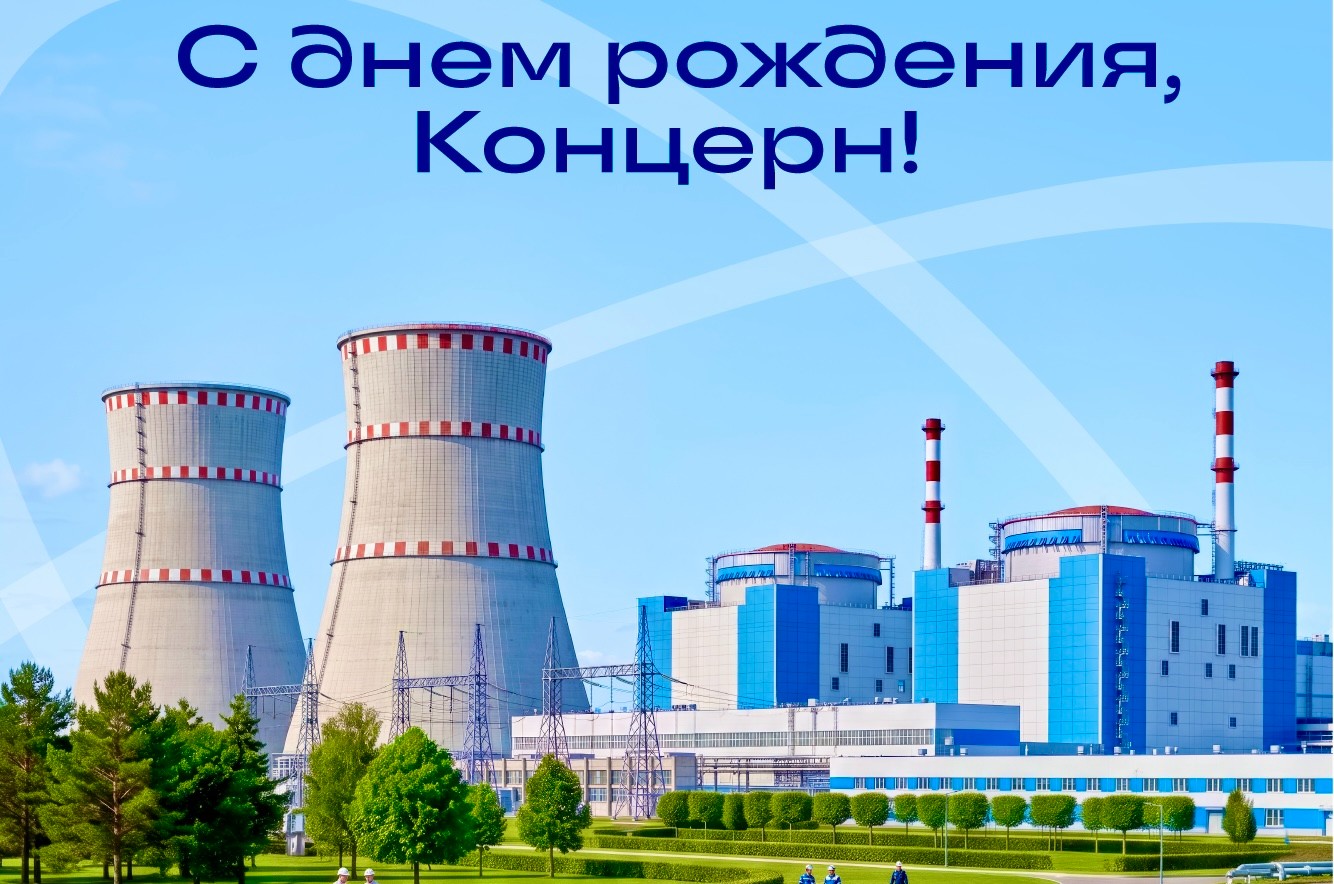
Rosenergoatom Celebrates 34 Years: Operating 33 Nuclear Power Units
On September 7, Rosenergoatom celebrated its 34th anniversary. The company is the management company of the electric power division of Rosatom, Russia's state atomic energy corporation. In 1992, Russian nuclear power plants were consolidated into a unified nuclear power operating organization, leading to the establishment of Rosenergoatom. Currently, Rosenergoatom is Russia's largest electricity generator and one of the world's major nuclear power operators in terms of installed capacity. The company operates 11 nuclear power plants with 33 units, including the Akademik Lomonosov floating nuclear power unit comprising two reactor plants, with a total installed capacity exceeding 29.8 GW. Bilibino NPP...
2026-09-08
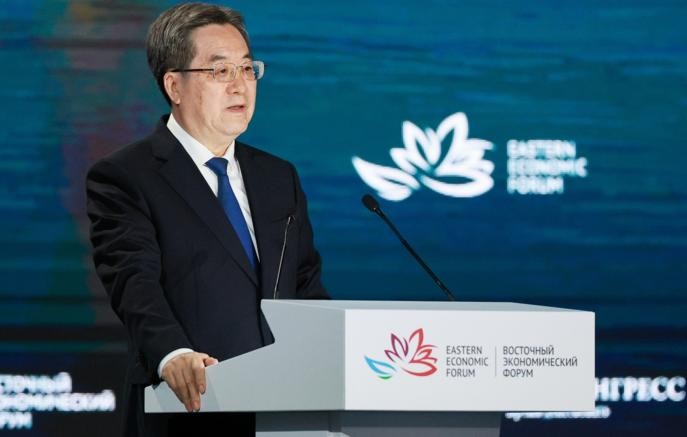
China and Russia Advance Cooperation on Tianwan and Xudabao Nuclear Power Plant Construction
During the meeting of the China-Russia Intergovernmental Energy Committee, Chinese Vice Premier Ding Xuexiang stated that enterprises from both countries are expanding cooperation in the energy sector, strengthening power technology exchanges, and exploring the possibility of reverse power supply from China to Russia. During the meeting, Ding Xuexiang also mentioned the construction progress of the Tianwan and Xudabao nuclear power plants. He noted that the two countries are systematically advancing the relevant nuclear power projects, with Unit 1 of the Xudabao Nuclear Power Plant scheduled to commence operation by the end of this year. The meeting was held as part of the Eastern Economic Forum activities. In addition to nuclear power projects, China and Russia also exchanged views on cooperation in the power sector...
2026-09-05
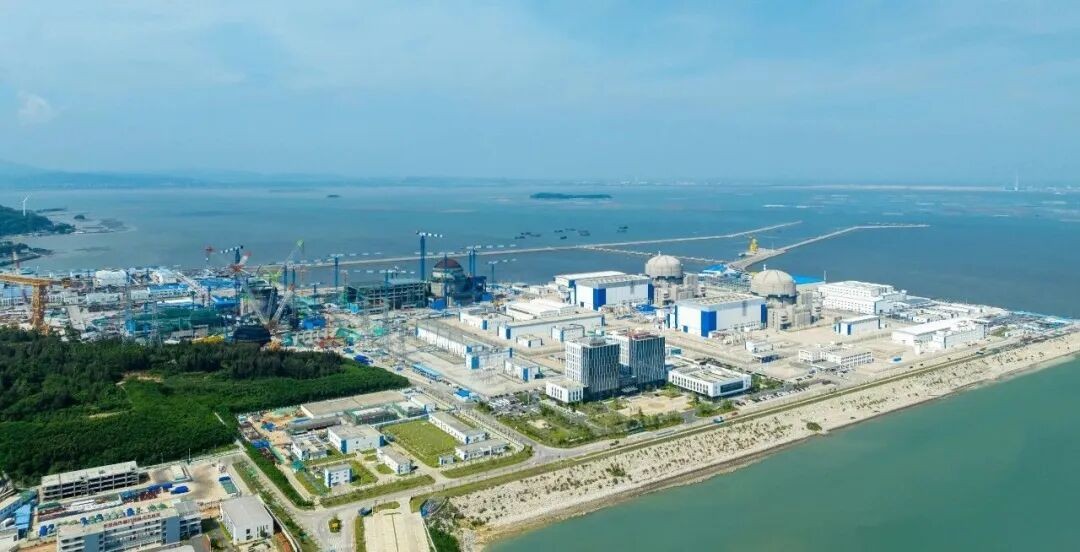
Zhangzhou Nuclear Power Units 3 and 4 Trench Civil Engineering Completes Milestone Phase
On August 27, with the final cubic meter of concrete poured into place, the B1 and B6 sections of the GS and GB trench civil engineering works for Zhangzhou Nuclear Power Units 3 and 4, undertaken by CNNC Huachen, along with the No. 4 overflow well, successfully completed their milestone phase. This phase involved multi-disciplinary cross-operations spanning civil works, installation, electrical, and piping, characterized by complex construction conditions and significant coordination challenges. Among these, Section B1, as the project's main critical path, featured narrow working areas, difficult access for large equipment, and intensive vertical and horizontal cross-operations among multiple units. Seven days before commencement, the project department established a dedicated planning team to verify site conditions, material routes, and cross-operation scopes drawing by drawing, identifying key difficulties such as foundation pouring, equipment positioning, and material supply, and conducting multiple rounds of discussions to optimize the construction plan. The construction period coincided with the rainy season, and Section B1, situated in a low-lying area, faced a high risk of rainwater backflow. The project department implemented measures including full-coverage rain shelters over the base slab, water-retaining curbs at passage openings, and round-the-clock pumping in two shifts, securing dry working areas amid accumulated water; simultaneously, discarded waterproof membranes were collected and reused to cover rebar cages and scaffolding, preventing corrosion and slippery conditions. On-site daily meetings were held, management personnel maintained 24-hour duty, and verbal confirmation with signed handovers was practiced, ensuring issues were resolved the same day, with no plan failures, rain-related stoppages, or process disconnections throughout the period. Facing the immense scheduling pressure from multi-process cross-operations, the project department established a dynamic scheduling system. In terms of manpower loading, fixed posts and personnel quotas were implemented, with zonal responsibility and flexible reinforcement; during peak periods, core work crews were consolidated and work areas were precisely delineated. For machinery, a dynamic scheduling ledger was established, with tower cranes, excavators, and lifting equipment staggered and cross-utilized. Material coordination was also optimized through advance stocking, zoned storage, dedicated management, and emergency replenishment. During the campaign, when the transport of main materials was obstructed, the project department organized management staff and labor crews to manually carry rebar, pipes, and auxiliary materials point-to-point to the working areas, effectively safeguarding project progress. Currently, the main structure construction of the GS and GB trenches by the Zhangzhou Nuclear Power Project Department has achieved phased results, with the GB trench completing 74 sections cumulatively, an 82% completion rate, and the GS trench exceeding 1,160 meters, accounting for 72% of the total length. The company will further strengthen construction organization, optimize construction logic, and continue to advance the remaining sections of the Zhangzhou Nuclear Power Project Department, fully ensuring high-quality performance of the contracted projects.
2026-08-29
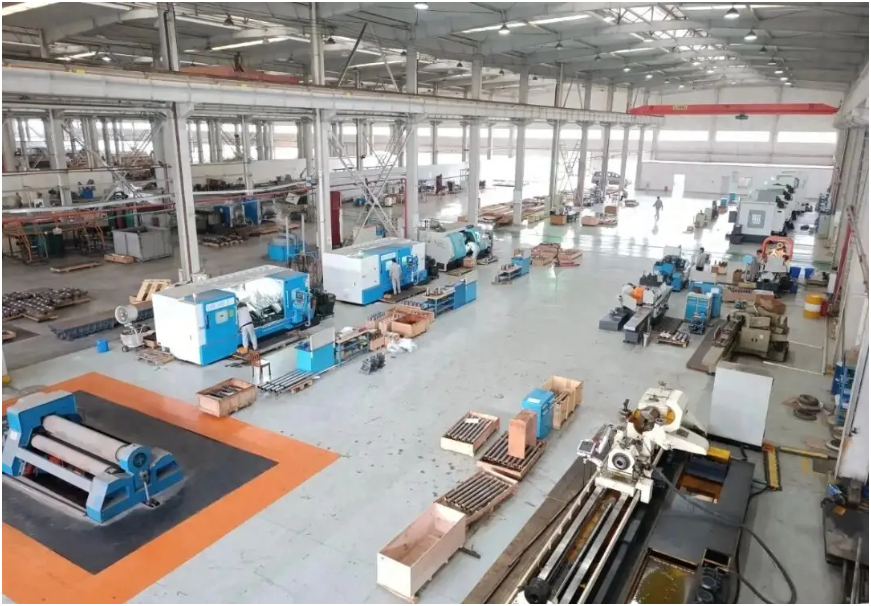
Sichuan Huadu Nuclear Energy Wins Control Rod Drive Mechanism Orders for 4 Nuclear Power Units
On August 24, news came from Sichuan Huadu Nuclear Equipment Manufacturing Co., Ltd., located in Dujiangyan, Chengdu, Sichuan, that the company has won the orders for control rod drive mechanisms for 4 units among the first batch of nuclear power units approved for construction during the 15th Five-Year Plan period in China, with a total new contract value of 504 million yuan. The winning projects include Units 3 and 4 of Zhejiang Jinqimen Nuclear Power Plant, as well as Units 1 and 2 of Phase I of Liaoning Zhuanghe Nuclear Power. According to the previous approval arrangement by the State Council Executive Meeting, the new batch of nuclear power projects involves a total of 4 projects and 8 units, including Phase II of Zhejiang Jinqimen Nuclear Power, Phase III of Guangdong Taipingling Nuclear Power, Phase I of Liaoning Zhuanghe Nuclear Power, and Phase I of Shandong Laiyang Nuclear Power, all adopting China's self-developed third-generation nuclear power technology...
2026-08-27
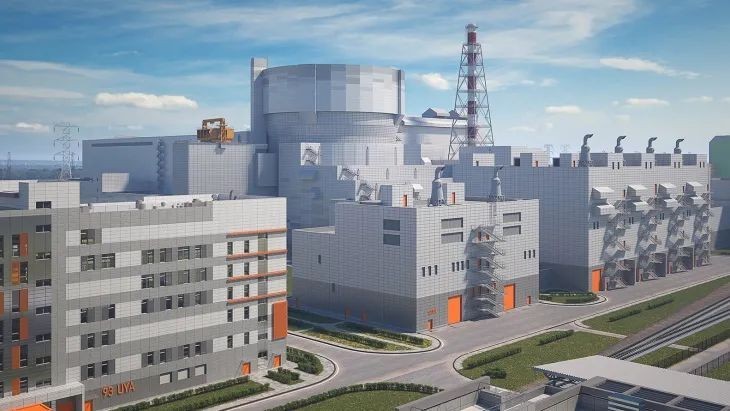
Half of Turbines at Hungary's Paks Nuclear Power Plant Back in Operation
Hungarian Prime Minister Péter Magyar stated that the Paks Nuclear Power Plant has restored approximately half of its generating capacity, with full restoration expected to be completed earlier than originally planned. Four of the plant's eight turbines are currently in operation, and restoration efforts are ongoing. Magyar said on social media that operating conditions at the plant have improved as construction work near the Paks site progresses and the Danube River water level recovers. Based on the current pace, the Paks plant is expected to regain a generating capacity of 2,000 megawatts by Wednesday, which could meet about 35% of Hungary's electricity demand. Earlier, Unit 3 of the Paks plant was announced to resume power generation ahead of schedule on Saturday evening. Magyar noted that the unit's resumption of power generation is linked to on-site engineering measures and changes in the Danube water level.
2026-08-24
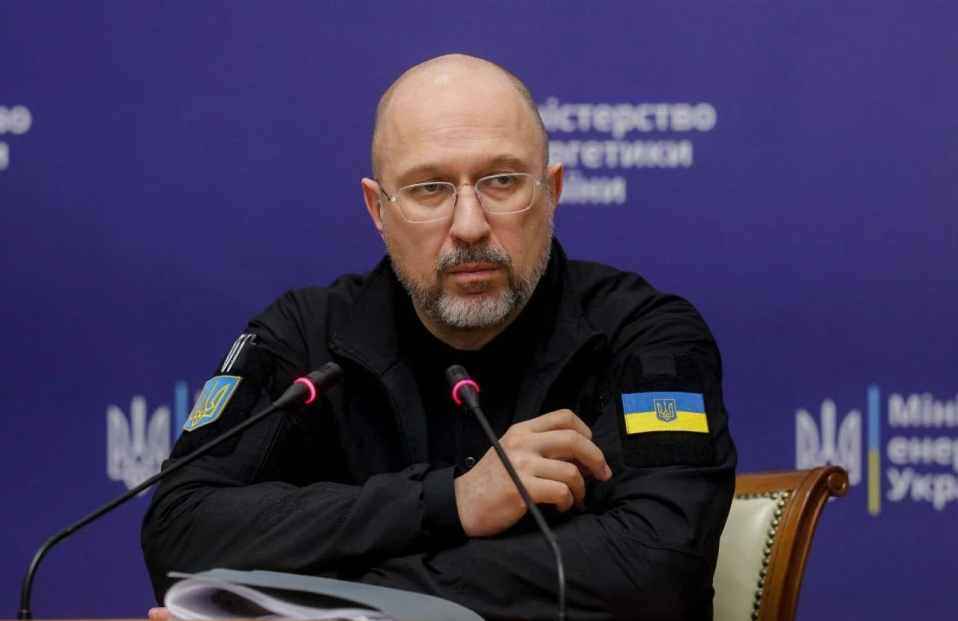
Six nuclear power units in operation in Ukraine, three under planned maintenance
Ukraine's First Deputy Prime Minister and Minister of Energy Denys Shmyhal stated on August 21 during the government question time at the Verkhovna Rada that Ukraine's power system is currently operating stably, with no planned power cuts implemented for the time being. However, he also pointed out that the future power supply situation will still depend on the intensity of attacks on energy facilities and the progress of repairs. Shmyhal noted that Ukraine's current available power supply capacity is approximately 15 GW, including combined heat and power units and imported electricity. Among this, nuclear power contributes over 40%, thermal power accounts for about 25%, and hydropower about 15%. Of the 9 nuclear power units under Ukrainian control, 6 are currently generating electricity, and 3 are under planned...
2026-08-23
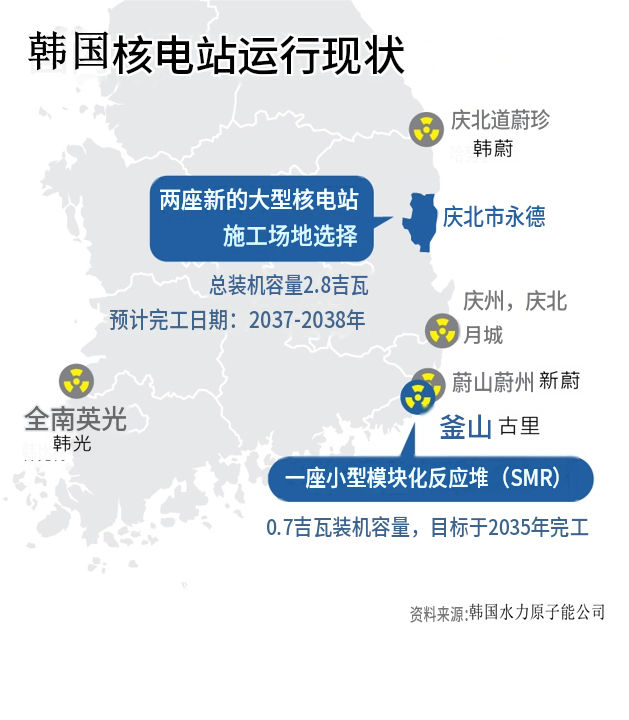
South Korea Raises 2040 Electricity Demand Forecast, Increment Equivalent to 19 Large Nuclear Power Units
A forum on the formulation of South Korea's 12th Basic Plan for Electricity Supply and Demand was held in Seoul on August 20. The new round of electricity demand forecasts submitted at the meeting showed that by 2040, South Korea's annual maximum electricity demand is expected to reach 158.4 GW to 165.0 GW, an upward revision of 26.6 GW to 26.8 GW compared to the forecast proposed in April this year. Based on the 1.4 GW single-unit capacity of the AP1400 large nuclear power unit under construction in South Korea, the increment in electricity demand from this upward revision is equivalent to the electricity provided by approximately 19 large nuclear power units operating at full power. The previous April forecast for the 2040 annual maximum electricity demand was 131.8 GW to 138.2 GW. The new forecast reflects semiconductor industry clusters...
2026-08-21
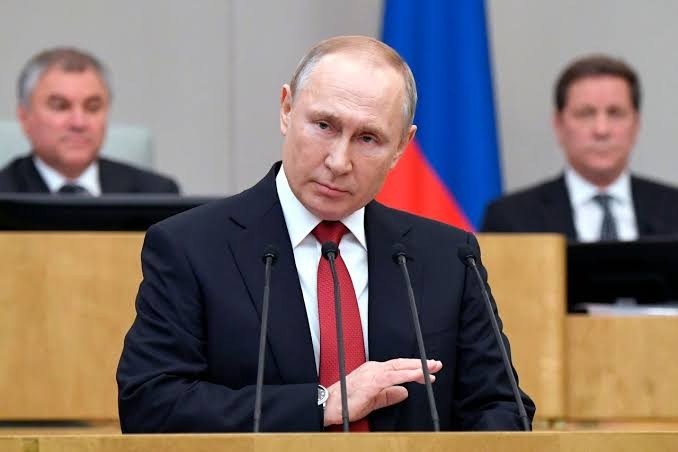
Russia Plans to Add Approximately 30 GW of Nuclear Power Capacity and Expand Regional Deployment
Russian President Vladimir Putin stated at a meeting on nuclear energy development that Russia will continue to uphold high standards of nuclear power plant safety and reliability, and plans to add approximately 30 GW of nuclear power capacity, including small modular reactors. Putin said the new capacity will not only replace units approaching the end of their service life, but also significantly increase Russia's total nuclear power generation capacity. Russia also plans to expand the geographical deployment of nuclear power units, building a new generation of nuclear power plants in the Urals, Siberia, and the Far East to provide affordable clean electricity to these regions. He also noted that Russia will strengthen...
2026-08-21
Hungary's Paks Nuclear Power Plant expected to resume full generating capacity from August 23
Hungarian Prime Minister Magyar stated that as the Danube water level is expected to recover, the remaining 6 turbines at Hungary's Paks Nuclear Power Plant are planned to restart from August 23, which is expected to fully restore the plant's original generating capacity. Due to recent high temperatures and Danube water levels, the Paks Nuclear Power Plant had previously been unable to maintain full-load operation as originally planned. On the evening of August 10, the second of the plant's 8 turbines was started, and the current generating power is approximately 480 megawatts, lower than the originally planned 2,000 megawatts. Magyar stated that once the relevant water-retention facilities are completed and the river water level rises as expected, the nuclear power plant will have the conditions to restart the remaining turbines...
2026-08-19