
Russia Plans to Add Approximately 30 GW of Nuclear Power Capacity and Expand Regional Deployment
 Scan to share
On August 20, Russian President Vladimir Putin chaired a meeting on nuclear energy development, proposing a long-term plan to add approximately 30 GW of nuclear power capacity, including small modular reactors. Putin stated that this plan will not only replace nuclear power units gradually reaching the end of their service life, but also significantly increase Russia's total nuclear power generation capacity.
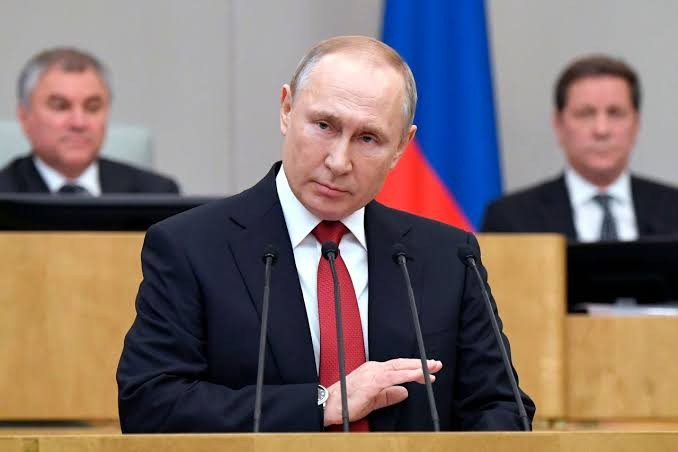
At the meeting, Putin said Russia will expand the deployment of nuclear power units across the country, with a new generation of nuclear power plants to be built in the Urals, Siberia, and the Far East to provide affordable clean electricity to these regions. He noted that these efforts are aimed at strengthening infrastructure needed for long-term regional development and supporting the growth of emerging energy-intensive industries, including industries focused on deep processing of natural resources in the Arctic, Siberia, and the Far East, as well as sectors with rapidly growing energy demand such as electric transportation, industrial robotics, and automation systems for the service industry.
Regarding nuclear construction capabilities, Putin stated that Russia needs to improve the technical maturity of the design and construction of both large and small nuclear power plants, and develop a series of standardized nuclear power units that can be mass-produced and assembled on production lines. This implies expanding the output of power engineering products based on domestic technological developments. Putin also noted that ensuring fuel supply for nuclear power plants is a key task, and Russia needs to strengthen its resource base by advancing geological exploration and mineral deposit development.
Putin stated that Russia possesses professional expertise covering the entire nuclear energy industry chain and has always adhered to high standards of nuclear power plant safety and reliability. He also mentioned that Russia has mastered advanced closed nuclear fuel cycle technology enabling the reuse of nuclear fuel, and that relevant technical solutions need to be applied more widely. In the face of intense global competition in the nuclear energy sector, Russia needs to continue consolidating its technological leadership while continuously improving nuclear power safety levels and economic efficiency.
Regarding overseas markets, Putin stated that Russia holds a leading position in the global nuclear power plant construction market, with export orders of Rosatom including 28 nuclear power units in different countries. Alexey Likhachev, Director General of Rosatom, said at the meeting that the corporation is building 28 large, medium, and small nuclear power units in 10 countries, with projects advancing in India, China, Turkey, Egypt, Iran, Bangladesh, and Hungary. He also said that Rosatom has reached agreements to build 17 more nuclear power units in six countries, the latest example being the signing of a relevant intergovernmental agreement with Vietnam; in addition, the corporation is in negotiations with another 15 countries.
Putin also emphasized that the construction, operation, and maintenance of nuclear facilities require a stable talent base. Russia's nuclear industry has a solid foundation in training professional technical personnel, scientists, engineers, workers, and managers, but competitors are also making continuous progress, so it is necessary to maintain a high level of training and provide existing practitioners with opportunities for continuous skill improvement. He also stated that the smooth implementation of nuclear energy programs requires a sustainable industrial financing model that fully considers factors such as investment project financing characteristics, investment scale, and payback periods.
The day marked the 81st anniversary of the creation of Russia's nuclear industry. Putin extended congratulations to the veteran practitioners and current employees of Russia's nuclear industry, stating that the nuclear energy sector brings together science and technology, advanced materials, production and construction solutions, and professional talent, representing an important industrial achievement for Russia.
Disclaimer: Information republished from partner media, institutions or other websites is provided for reference and communication purposes only. It does not imply endorsement of its views or verification of its accuracy. Please contact us if any content infringes rights or requires correction.