
Search Results
Keyword:Al
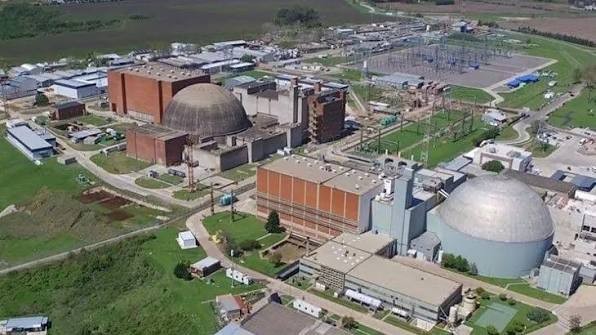
Argentina's Atucha II Nuclear Power Plant Ranks First in National Installed Capacity
Atucha II Nuclear Power Plant is located in Lima, Buenos Aires Province, Argentina, and is part of the Atucha nuclear power plant complex, adjacent to Atucha I, the first nuclear power plant in Latin America. The unit has an installed capacity of 745 megawatts, making it the largest nuclear power unit in Argentina by installed capacity. The recent phase of the Atucha II project's construction process began in 2006, when relevant parties initiated engineering completion work. Unit installation was completed in 2011, followed by a pre-commissioning testing phase during which systems were verified item by item. On June 3, 2014, the Atucha II reactor was first started up. Several weeks later, the plant supplied electricity to Argentina's national grid for the first time, and obtained its commercial operation license in May 2016...
2026-09-02
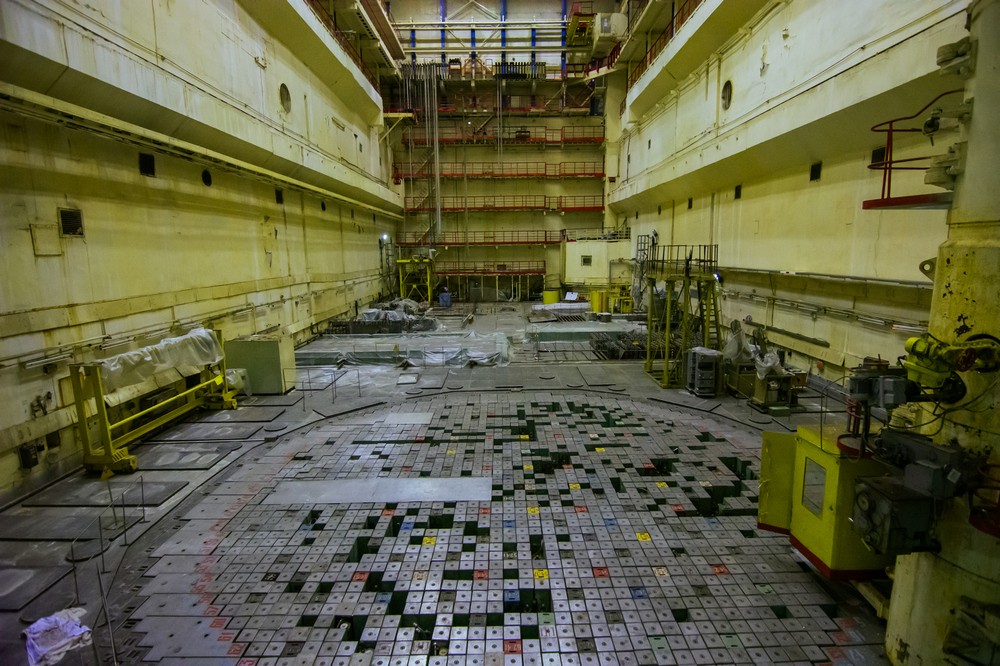
Chornobyl NPP Advances Phase 2 of Decommissioning
The decommissioning of the Chornobyl Nuclear Power Plant (ChNPP) is currently in the second of four phases, with the primary task being the final shutdown and decommissioning preparation of Reactors 1, 2, and 3. To date, ChNPP staff are advancing on-site preparation work within the protected area of the first-stage units. Among these, site preparation for Unit 2 is 94% complete, while Unit 1 stands at 44%. Related work includes dismantling systems and components within the protected area, removing thermal insulation and combustible materials, stripping electrical, signal, and control cables, and sealing wall penetrations, mounting holes, and process openings at the boundary between the protected and controlled areas, as well as installing fire-resistant panels and fire barriers on wall openings and ventilation ducts within the protected area.
2026-09-02
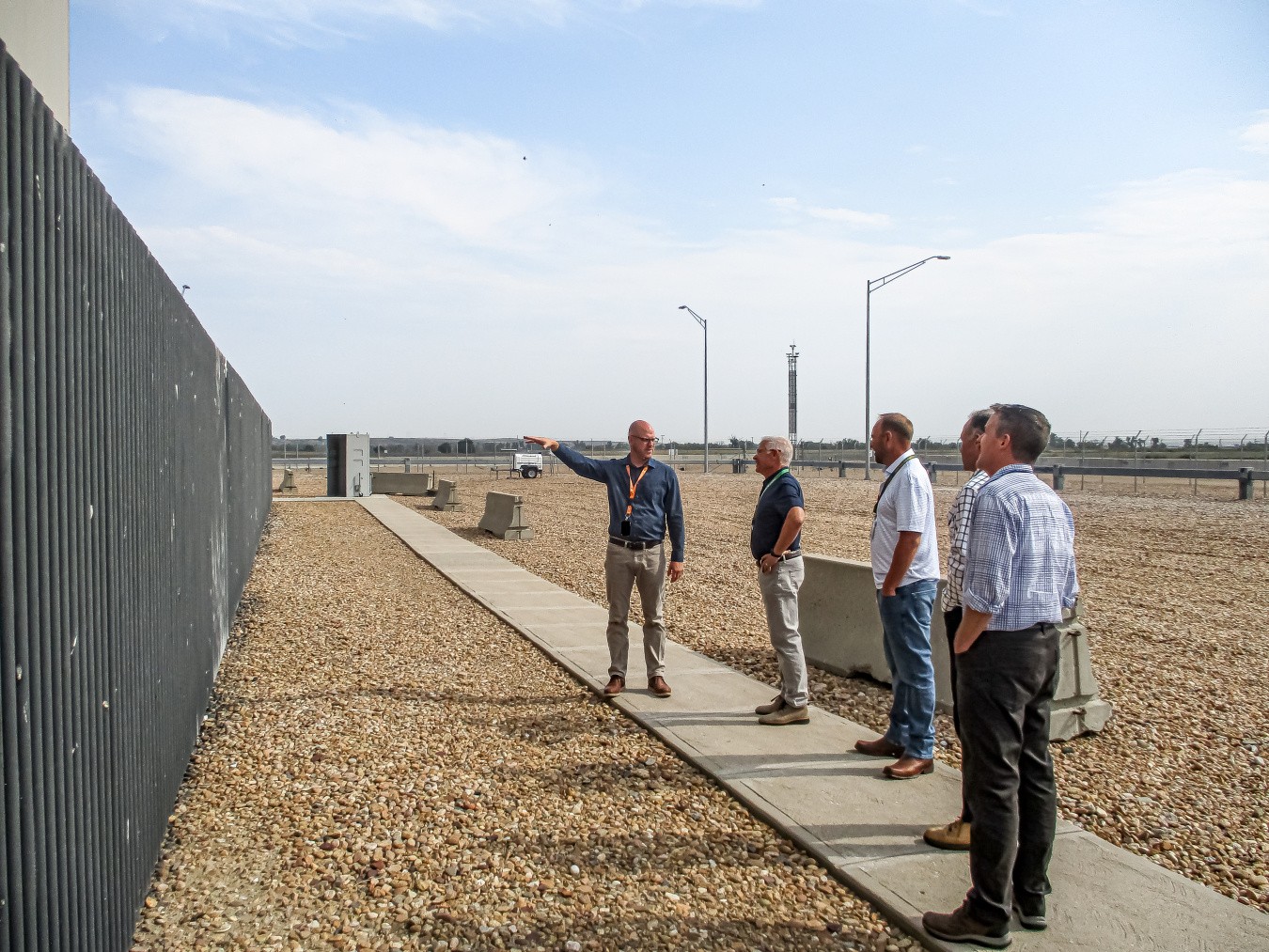
DOE Officials Visit Fort St. Vrain Spent Fuel Storage Facility in Colorado
Tim Walsh, Assistant Secretary of the U.S. Department of Energy's Office of Environmental Management (EM), recently visited the Fort St. Vrain spent nuclear fuel storage facility near Platteville in northern Colorado. The facility is managed by the DOE's Idaho Cleanup Project (ICP) and its contractor, Idaho Environmental Coalition (IEC). During the visit, Walsh inspected the storage facility and multiple supporting buildings to learn about the operational mission and historical background of the Fort St. Vrain facility. The facility currently stores spent nuclear fuel from the former Fort St. Vrain power station, which operated using gas-cooled reactor technology and was shut down in 1979...
2026-09-02

New Monitoring Well Characterizes Hexavalent Chromium Plume at Los Alamos National Laboratory
LOS ALAMOS, New Mexico — The U.S. Department of Energy Environmental Management Los Alamos Field Office continues to advance characterization efforts for the hexavalent chromium plume at Los Alamos National Laboratory to inform future remediation alternative selection. According to reports, its legacy cleanup contractor, Newport News Nuclear BWXT-Los Alamos LLC, has completed drilling of a new groundwater monitoring well. Designated R-80, the well reaches approximately 1,030 feet below ground surface and will be used to further characterize the northeastern extent of the hexavalent chromium plume and evaluate different remediation alternatives. Completion of this monitoring well also marks the achievement of a Fiscal Year 2026 consent order milestone for the hexavalent chromium remediation project...
2026-09-02

Demolition Begins on Contaminated Buildings in Isotope Area at Oak Ridge National Laboratory
The Oak Ridge Environmental Management Office in Tennessee recently initiated demolition of a group of highly contaminated buildings in the Isotope Area at Oak Ridge National Laboratory. Located in the laboratory's central campus, this area is considered one of the more challenging sites in the local cleanup effort. The Isotope Area comprises 10 facilities, constructed between the late 1940s and early 1960s, which once served the laboratory's isotope program. These facilities were used for decades in the production, processing, and research of chemical elements for medical, industrial, and scientific applications. As the laboratory evolved, the facilities were taken out of service in the early 1990s but remained standing. According to reports, the area retains contaminated...
2026-09-02

LUX-ZEPLIN Experiment Reports Anomalous Event in Dark Matter Search, More Data Needed for Verification
On September 1, the LUX-ZEPLIN (LZ) dark matter direct detection experiment released a new analysis result: researchers recorded a single-particle interaction event in the data whose characteristics could be interpreted as a Weakly Interacting Massive Particle (WIMP) signal, but the current evidence is insufficient to confirm a dark matter discovery. The LUX-ZEPLIN main detector is shown in a surface laboratory before being installed underground. (Matthew Kapust/Sanford Underground Research Facility) The LZ experiment involves approximately 250 scientists and engineers from 39 institutions, with the detector located nearly one mile underground at the Sanford Underground Research Facility in South Dakota, USA, and managed by the U.S. Department of Energy's Lawrence Berkeley National...
2026-09-02
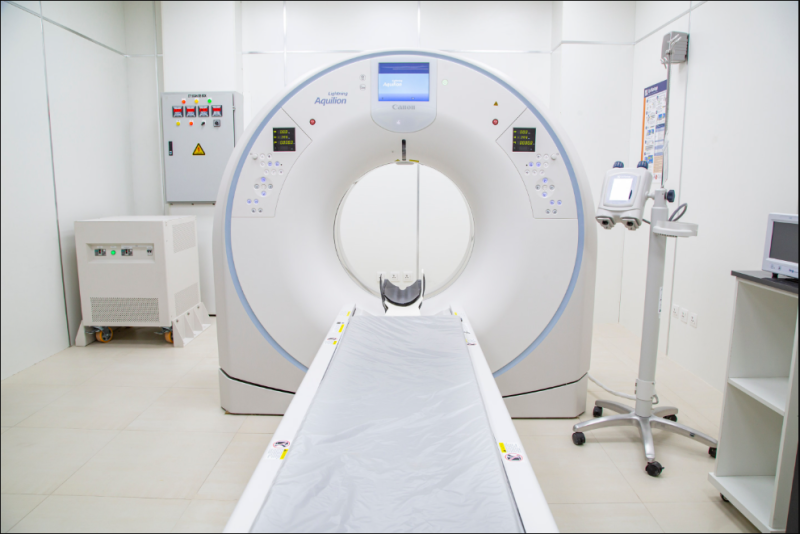
Sejong City Requests National Support for Proton Cancer Therapy Center Budget
On September 2, 2026, the Democratic Party of Korea and Sejong City held their first budget policy consultation meeting at the Sejong City Government to discuss key agenda items and budget support for the city. At the meeting, Sejong City Mayor Cho Sang-ho requested the Democratic Party's attention to several issues, including securing national funding for the construction of a cancer proton therapy center, improving the general grant system for Sejong City, and promoting the passage of the Special Act on the Administrative Capital within the year. After the closed-door consultation, a relevant spokesperson stated in a briefing that the meeting proposed allocating 300 million KRW each in the next year's national budget for a feasibility study on the construction of the cancer proton therapy center and for the formulation of the basic plan for the National Central Bioresource Center.
2026-09-02
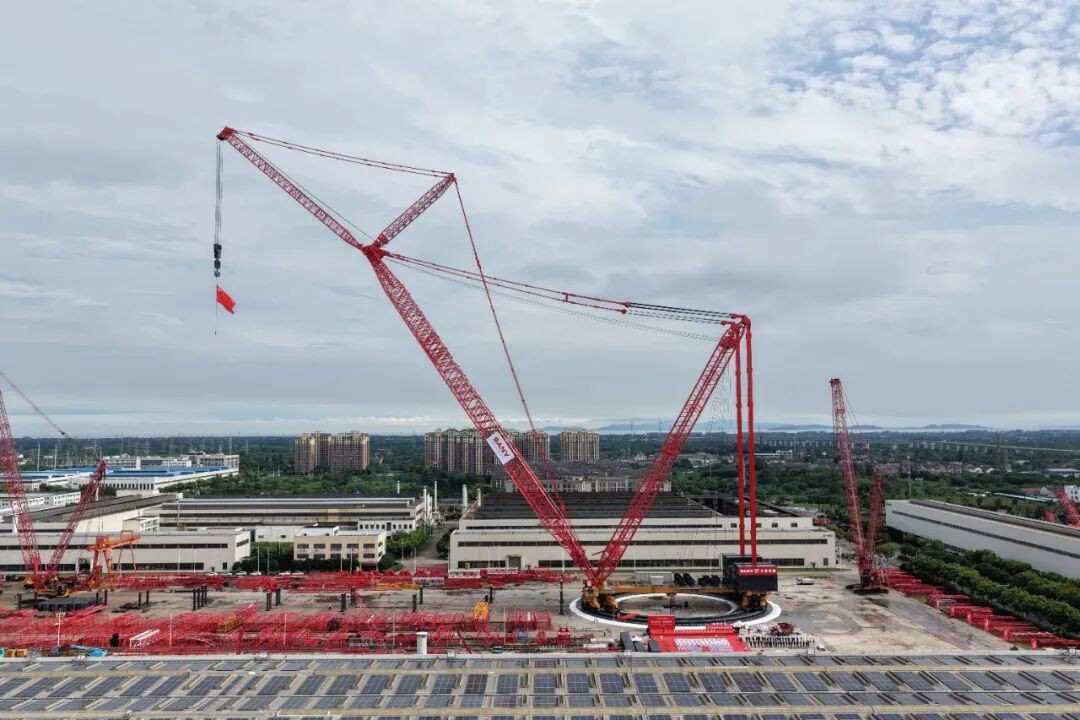
World's First 250,000 Tonne-Meter Ring Crane Rolls Off Production Line, Supporting Hualong One 2.0 Nuclear Power Construction
On August 31, the world's first 250,000 tonne-meter ring crane, jointly developed by SANY Heavy Lift and China Energy Engineering Group Guangdong Thermal Power & Litte Company, rolled off the production line at SANY's Huzhou Industrial Park in Zhejiang. Designed for the "one crane, two islands" construction requirements of Hualong One 2.0, the equipment can address the engineering challenge of covering module hoisting for two nuclear islands with a single unit, marking a key domestic localization breakthrough in China's ultra-large-tonnage nuclear power hoisting equipment. With the advancement of the Hualong One 2.0 "one crane, two islands" construction method, nuclear power projects have imposed higher requirements on the working radius, load capacity, and hoisting precision of heavy lifting equipment. In the past, related high-end equipment technology was long controlled by a few overseas companies. The 250,000 tonne-meter ring crane rolled off the production line this time has undergone seven years of technical research, achieving breakthroughs in structural design, manufacturing processes, and assembly control.
2026-09-02

Unit 1 of Russia's Kalinin NPP completes scheduled maintenance ahead of schedule
Unit 1 of Russia's Kalinin Nuclear Power Plant has been restored to rated power operation after completing equipment modernization and planned major overhaul. The unit was connected to the grid on August 27, 2026, with maintenance work completed two days ahead of the original schedule. Kalinin NPP is a nuclear power plant under Rosenergoatom, located in Udomlya, Tver Oblast, Russia. During this maintenance period, plant personnel and experts from Atomenergoremont completed nuclear fuel reloading, preventive maintenance of the reactor plant and turbine-generator unit, metal condition inspection of major equipment, and diagnostic testing of heat exchange tubes in 2 of the 4 steam generators, among other tasks...
2026-09-02

Russian Academy of Sciences Reveals Mechanism of Microbial Bioremediation Reducing Actinide Content in Groundwater
September 1, 2026 news: Researchers from the Vernadsky Institute of Geochemistry and Analytical Chemistry of the Russian Academy of Sciences, in collaboration with the Frumkin Institute of Physical Chemistry and Electrochemistry of the Russian Academy of Sciences and other institutions, studied the biogeochemical mechanisms affecting the distribution of actinides such as uranium, plutonium, and neptunium during bioremediation of nitrate-contaminated groundwater. Radionuclide-contaminated groundwater is a significant environmental issue in areas associated with nuclear fuel cycle facilities. Long-lived actinides such as uranium, plutonium, and neptunium, once released into the environment, can migrate over considerable distances with groundwater. Bioremediation, which alters geochemical conditions by stimulating natural microbial processes in the subsurface environment, is considered a potential approach for remediating contaminated zones...
2026-09-02

Institute of Nuclear Technology at Samarkand State University Introduces Radiation Monitoring Training Equipment
On August 24–25, 2026, experts from Doza Scientific Production Enterprise (NPP Doza) visited the Institute of Nuclear Technology at Samarkand State University named after Sharof Rashidov (SamSU) and completed the installation and commissioning of a demonstration model of the Fregat radiation monitoring system. The equipment has been integrated into the institute's teaching and research infrastructure and will be used for laboratory courses, student practical training, and related research work. Through this demonstration model, students and young professionals can gain exposure to modern technological solutions in the field of radiation monitoring, enhancing their understanding of the operation and application scenarios of relevant equipment. This installation...
2026-09-02
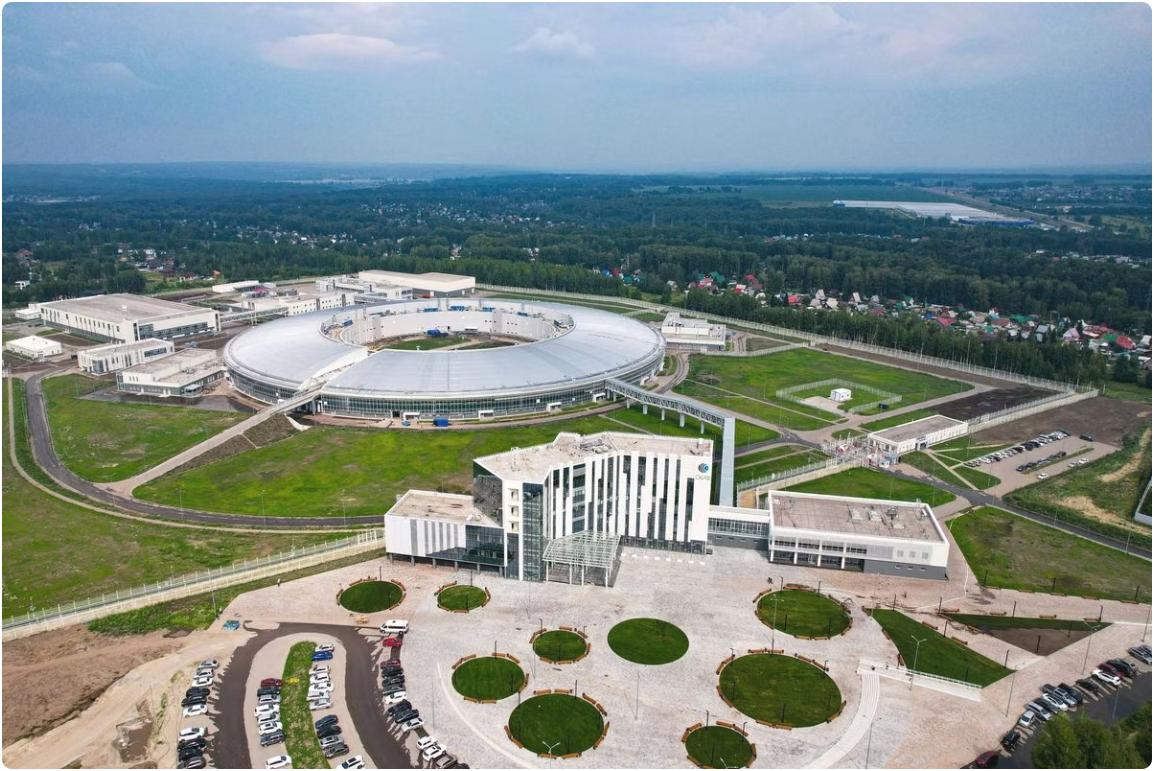
Russia's SKIF and China's HEPS Explore Building Joint Synchrotron Radiation Experimental Station
The Siberian Circular Photon Source (SKIF) synchrotron radiation facility in Russia is considering closer cooperation with China's High Energy Photon Source (HEPS), including exploring the construction of a joint experimental station. Yevgeny Levichev, Director of the SKIF Collective Use Center, stated that the Russian side plans to sign cooperation agreements with three synchrotron radiation facilities in China by the end of this year, including the Shanghai Synchrotron Radiation Facility, the Beijing High Energy Photon Source (HEPS), and a synchrotron radiation facility in Hefei. Among these, Russia is particularly interested in advancing joint projects with HEPS, potentially even establishing a joint experimental station. Levichev noted that the Russian and Chinese synchrotron radiation facilities are complementary in terms of energy range, which will facilitate joint experiments by researchers and improve the utilization efficiency of large-scale scientific facilities.
2026-09-02

U.S. Plans to Build Second Uranium Conversion Plant
Raven-Flint Nuclear Corporation announced on August 31 that it has been selected for the Nuclear Energy Startup Platform project advanced by the U.S. Department of Energy (DOE) National Reactor Innovation Center (NRIC) at Idaho National Laboratory (INL), and plans to build a pilot uranium conversion facility named "Torch" at INL. The company stated that the Torch facility aims to become the second uranium conversion plant in the United States, with a designed annual processing capacity of 500 metric tons of uranium, capable of converting uranium into uranium hexafluoride (UF6). According to the company, this scale can meet the fuel demand of two large nuclear reactors. Upon project completion, it is intended to serve the U.S. Department of Energy and its affiliated agencies, and may provide domestically produced uranium hexafluoride for specific needs.
2026-09-02
New Hampshire Advances Nuclear Power and Small Modular Reactor Roadmap
The U.S. state of New Hampshire is making the expansion of nuclear power a priority in its next phase of electricity policy. The state government is developing an advanced nuclear energy roadmap, expected to cover the utilization of existing nuclear resources, construction of advanced nuclear plants, and potential deployment scenarios for small modular reactors (SMRs), with a preliminary plan slated for release in September. Governor Kelly Ayotte has directed the state's energy department to advance the roadmap's development. The state is currently soliciting input from utilities, consumer representatives, and energy industry stakeholders to assess nuclear power's role in addressing rising electricity demand and high electricity prices. New England...
2026-09-02

Changwon National University and Doosan Enerbility Conduct On-Site Training on Nuclear Power Main Equipment Design
The AI-based Next-Generation Nuclear Power Equipment and Components Manufacturing Innovation Research Center (AI-NMIC) at Changwon National University, together with the Regional Innovation Alliance Center for Medium-Sized Enterprises, recently completed on-site training on nuclear power main equipment design. The training was held for students participating in related projects at Doosan Enerbility's site. According to Changwon National University on August 31, the training lasted five days, totaling 30 hours, and was designed to help students acquire professional knowledge related to the design and manufacturing of key nuclear power equipment, as well as to understand the design, manufacturing processes, and practical application scenarios of nuclear power equipment through on-site corporate instruction. The tra...
2026-09-02