
Search Results
Keyword:Czech Republic
South Korean Companies Advance Nuclear Hydrogen Demonstration Project in Czech Republic
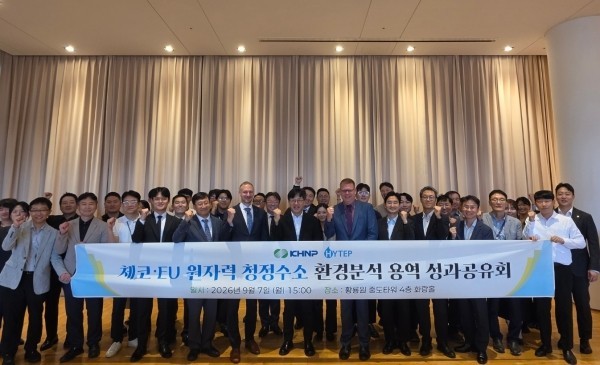
Korea Hydro & Nuclear Power (KHNP) announced on September 8 that it has completed a joint research review with the Czech Hydrogen Association (HYTEP) on the legal, institutional, and policy environment for nuclear hydrogen production in the Czech Republic and the European Union, and exchanged views on advancing a clean hydrogen production demonstration project in the Czech Republic. The two sides held a results-sharing meeting on September 7 at Hwangnyongwon in Gyeongju, South Korea, to review the final outcomes of the research. The study, launched in September 2025 and spanning approximately 11 months, primarily examined policy directions, laws and regulations, certification requirements, and market access conditions in the nuclear and hydrogen sectors in the Czech Republic and the EU, providing an institutional basis for the implementation of nuclear hydrogen production projects. Based on the research findings, KHNP plans to promote a clean hydrogen production demonstration project integrated with nuclear power in the Czech Republic.
2026-09-08
Czech Republic Proposes Amendments to Low-Carbon Act, Key Dukovany Nuclear Contracts May Exit Public Registry
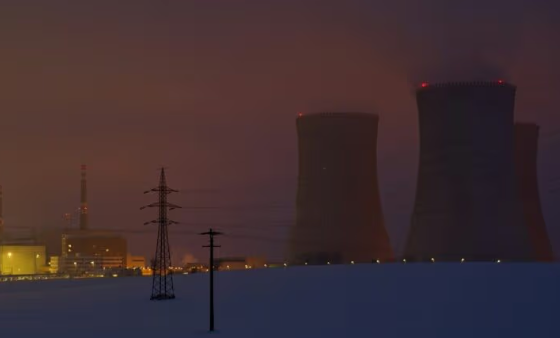
The Czech Ministry of Industry and Trade recently published a draft amendment to the Low-Carbon Act, proposing adjustments to the Act on Measures for the Transition to Low-Carbon Energy and related energy laws and contract registration regulations. On the surface, this legislative change is primarily aimed at unifying the support mechanisms, contract signing procedures, and compensation settlement rules for new nuclear power projects. However, the most notable change is that certain key contracts involving the construction and financial support of nuclear power units may no longer be required to be disclosed in the public contract registration system. The draft proposes the "compensation mechanism contract" as the basic model for supporting new nuclear projects, with a nature similar to a bilateral contract for difference—providing compensation when market electricity prices fall below agreed levels, and requiring repayment or settlement when prices exceed agreed levels.
2026-08-13
Temelín Nuclear Power Plant in Czech Republic Records Second-Highest Monthly Generation in July
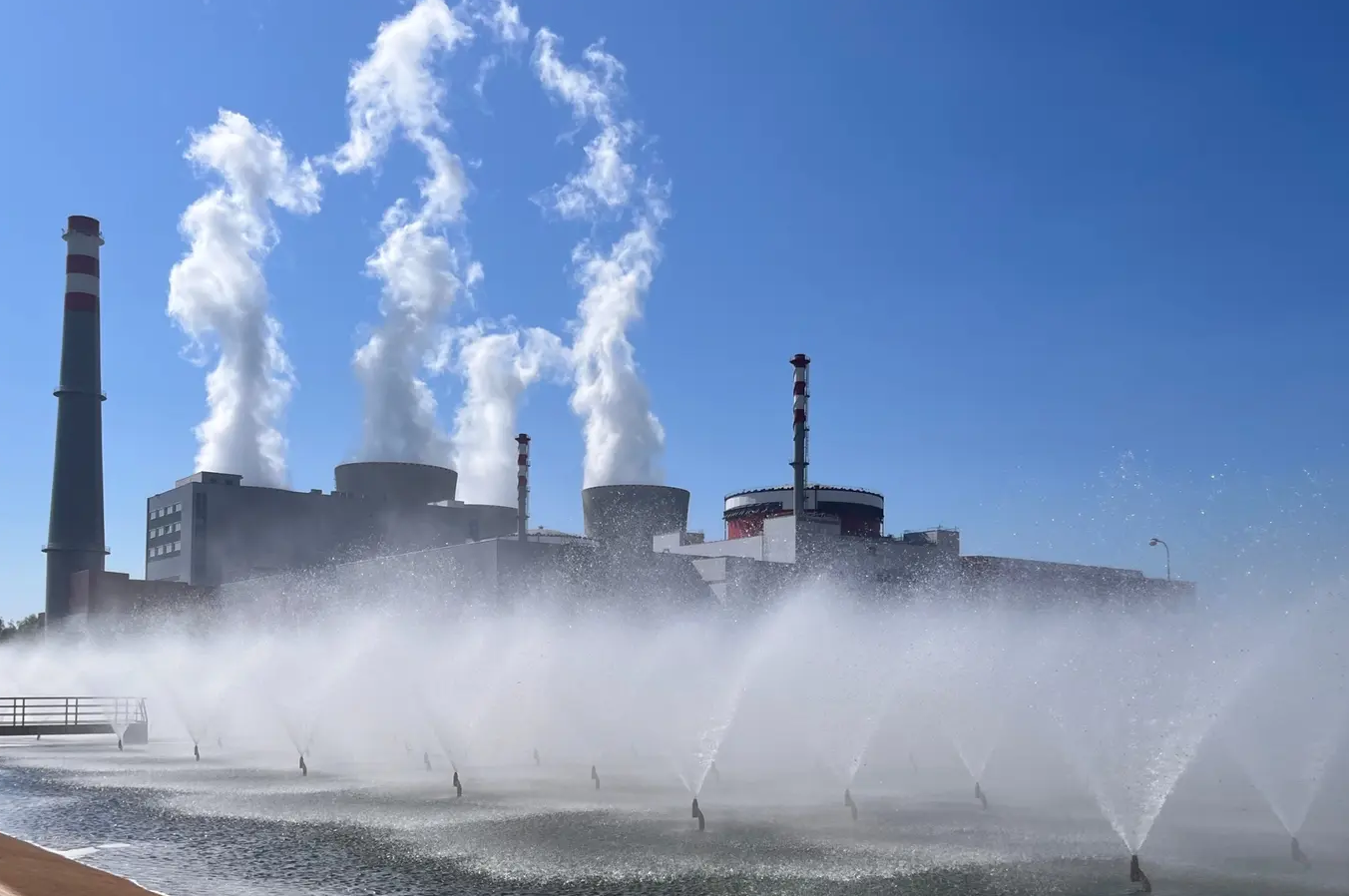
Despite prevailing high temperatures, the Czech Temelín Nuclear Power Plant achieved its second-highest monthly electricity generation this year. In July, the plant delivered 1,603,637 MWh of electricity to the transmission grid, nearly matching the May record of 1,617,093 MWh. This is sufficient to cover the electricity needs of all Czech households for more than one month. Thanks to its cooling tower system, the Temelín plant was unaffected by the hot and dry weather. In contrast, some nuclear power plants abroad were forced to reduce output or even shut down due to falling river levels and rising water temperatures. However, Temelín's closed cooling cycle and its cooling towers enable it to operate independently of direct water source suppl...
2026-08-06
ÚJV Řež completes irradiation testing of cable samples for CERN, verifying material radiation resistance
On August 3, the Radiation Chemistry and Environmental Qualification Department of ÚJV Řež stated that it had completed irradiation testing of cable samples for the European Organization for Nuclear Research (CERN) research team within a relatively short period, and submitted the test results required for subsequent research. The purpose of this testing was to confirm whether the relevant material samples could maintain reliable performance under high-radiation environments. ÚJV Řež has long been engaged in environmental qualification and cable lifetime management, with capabilities in radiation aging, thermal aging simulation, and testing of material mechanical and electrical properties. Through these tests, researchers can assess the tolerance limits of materials in harsh environments, providing a basis for equipment selection, operation and maintenance, and subsequent experiments...
2026-08-05
Czech Republic Leads EU Project to Assess Application of Commercial-Grade Items in VVER Nuclear Power Plants
The Czech State Office for Nuclear Safety (SÚJB) has launched a two-year EU project focused on assessment methodologies for the application of high-quality commercial-grade items in nuclear power plants equipped with VVER reactors. The project aims to establish a unified, expert-judgment-based evaluation process that provides methodological support for nuclear facilities when introducing relevant items, while ensuring that nuclear safety requirements are not compromised. As the nuclear power supply chain landscape evolves, certain plant-specific components may face the need to be replaced by commercial-grade products. In response, regulatory authorities need to establish clear rules to review the suitability, quality assurance, and safety implications of substitute items. The project will focus on evaluating...
2026-08-04
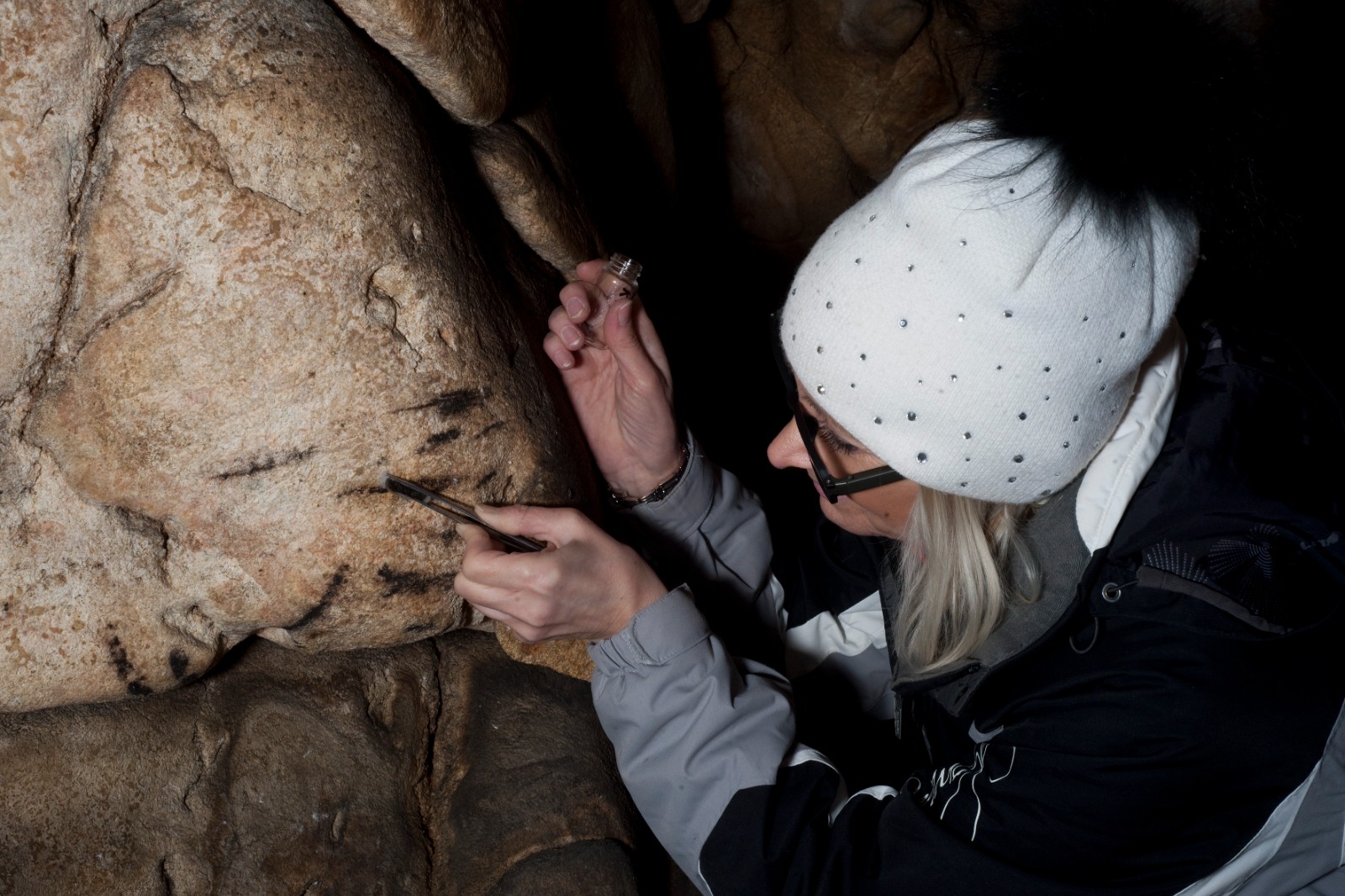
Czech research team develops minimally invasive radiocarbon dating sampling method to aid dating of prehistoric rock art
A research team at the Czech Radiocarbon Laboratory (CRL) of the Nuclear Physics Institute of the Czech Academy of Sciences has developed a minimally invasive sampling method for dating carbon-based rock art, enabling the acquisition of materials needed for radiocarbon dating with virtually no damage to the rock art's appearance. After sampling, the outline of the rock art remains intact, with only a slight lightening of color in the sampled area. This method provides a new technical pathway for dating cave paintings of historical value. In the past, sampling of cave paintings was often strictly restricted for heritage conservation reasons, which also hindered related chronological determination efforts. The new method, through a gentler sampling approach, enhances the feasibility of dating carbon-based rock art while maximizing the preservation of its scientific and cultural value...
2026-08-02