
Search Results
Keyword:Dow
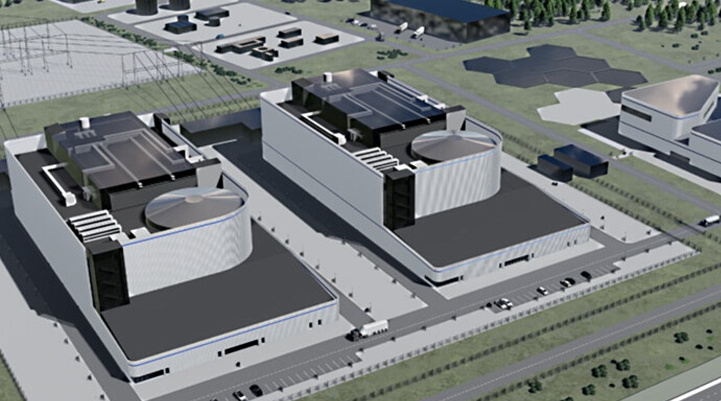
Estonia's Fermi Energia Narrows Down Site Selection for First Nuclear Power Plant
Recently, the Estonian government and Fermi Energia announced that the site selection range for the country's first nuclear power plant has been further optimized. Based on safety and other multidimensional considerations, three candidate locations in the municipality of Lüganuse have been formally excluded, and future site selection efforts will be fully concentrated on three designated locations within the municipality of Viru-Nigula. At the request of Fermi Energia, the Estonian government officially launched the national spatial planning process for the nuclear power plant in May 2025. Although the total planned area covers approximately 1,285 square kilometers, encompassing multiple municipalities and surrounding waters, after the first-phase site selection pre-assessment and opinions from various competent authorities...
2026-11-10
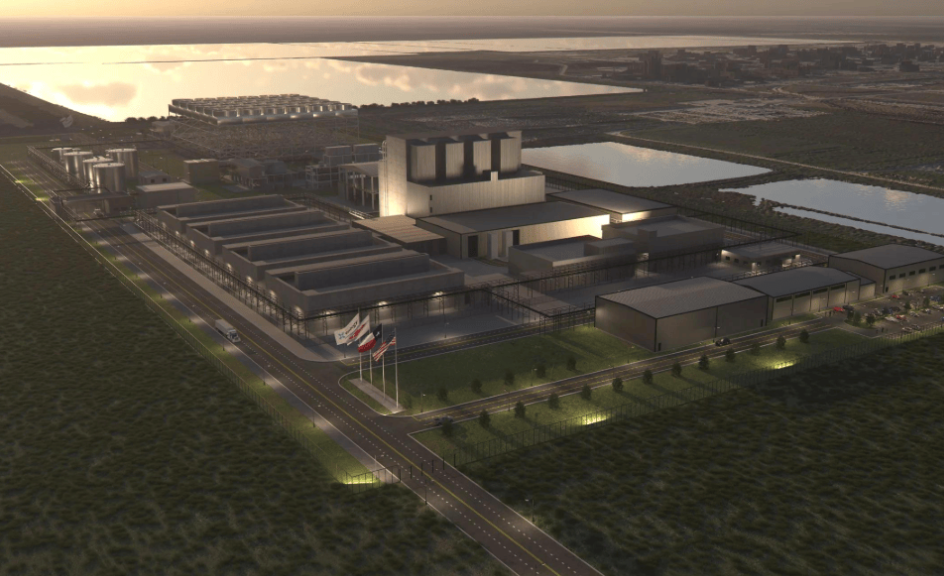
America's First "Large Reactor in a Chemical Plant" Clears the Hurdle: X-energy Xe-100 Ushers in the Conclusion of Safety Review and a Key Springboard to Commercialization
In the global race to industrialize advanced nuclear energy technologies, the high-temperature gas-cooled reactor is reaching a milestone. In late October 2026, the U.S. Nuclear Regulatory Commission (NRC) formally issued the Final Safety Evaluation Report (FSER) for the construction permit application of the Long Mott Generating Station, proposed to be built at Dow Chemical's Seadrift site along the Texas Gulf Coast. This means that the Xe-100 high-temperature gas-cooled reactor, developed by X-energy with an installed capacity of 320 megawatts electric, has successfully passed the most central safety examination at the U.S. nuclear regulatory level, clearing...
2026-11-03
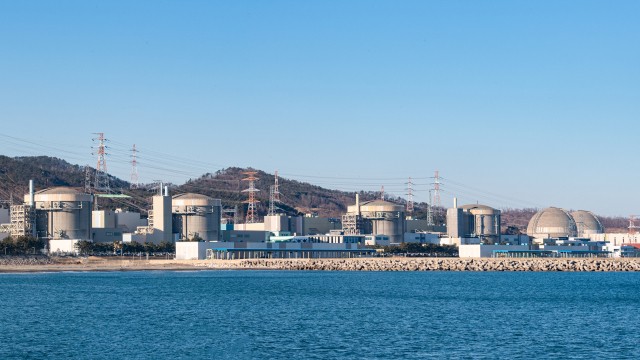
Wolseong NPP Unit 2 in South Korea to Shut Down on November 1
Wolseong NPP Unit 2, located in Gyeongju, Gyeongsangbuk-do, South Korea, will officially reach the end of its 30-year design operating lifetime and cease operation on November 1. Since entering commercial operation in November 1996, the unit has generated approximately 150 million megawatt-hours (MWh) of electricity cumulatively. Subsequently, the design lifetimes of Wolseong Units 3 and 4 will also expire in December next year and February 2029, respectively. South Korea's Nuclear Safety Act stipulates that nuclear power units reaching the end of their design lifetime may, provided they meet statutory safety standards, extend their operating period by 10 years through an operating change license review. However, since Wolseong Units 2 through 4 submitted their Periodic Safety Review (PSR) reports in April 2024 and completed the public comment collection on the draft radiation environmental impact assessment in May last year, two years and six months have passed, yet Korea Hydro & Nuclear Power (KHNP) has still not formally submitted the operating change license applications for these units.
2026-10-24
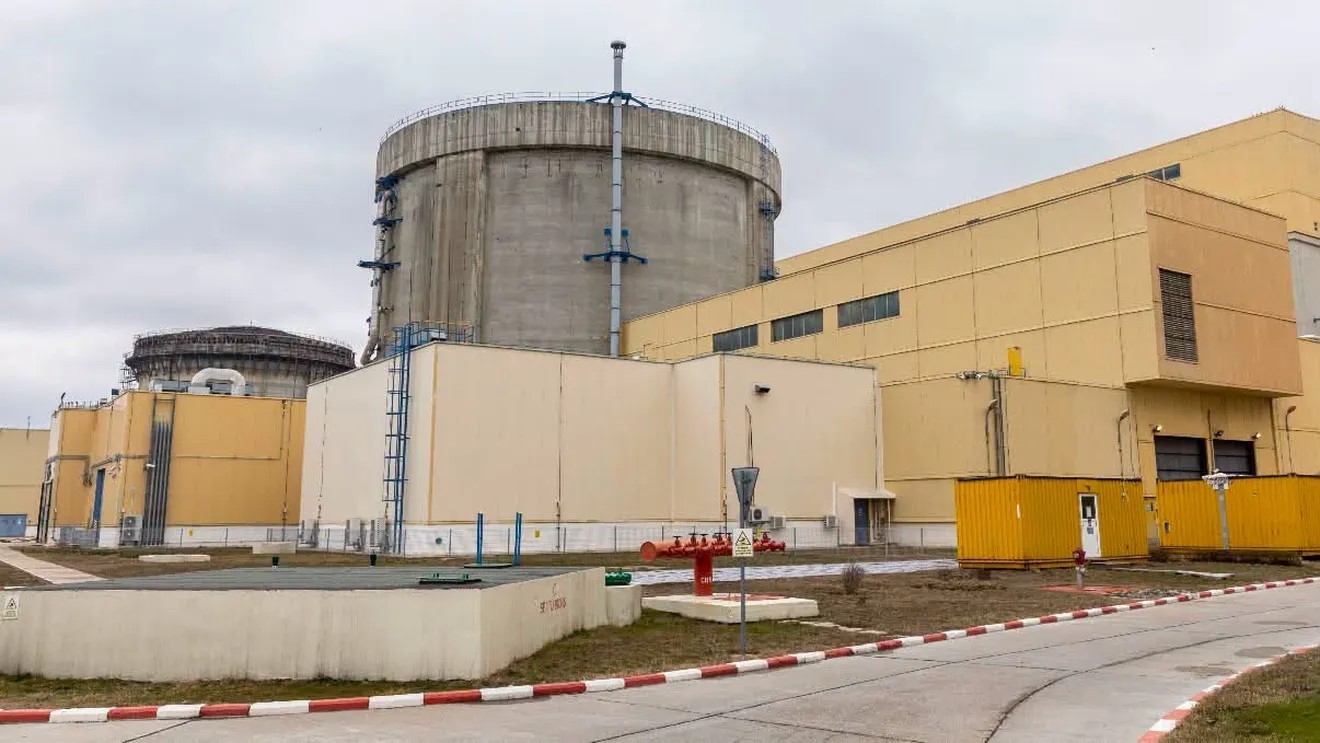
Romania's Cernavoda Nuclear Power Plant Reactors to Remain Shut Down Until at Least October 15
Cristian Bușoi, State Secretary of Romania's Ministry of Energy, stated to the media through public channels that Romania is experiencing its most difficult energy situation in recent decades. The low flow of the Danube River and low water levels near Cernavoda have severely affected the nuclear power plant. Currently, both reactors remain shut down, and the Danube's flow is expected to reach a historic low within the next ten days. At least until October 15, Units 1 and 2 of Cernavoda cannot be restarted. The extreme low water level of the Danube has not only caused an interruption in nuclear baseload power supply but has also simultaneously impacted the hydroelectric power output of the country's hydropower stations. Romani...
2026-10-08
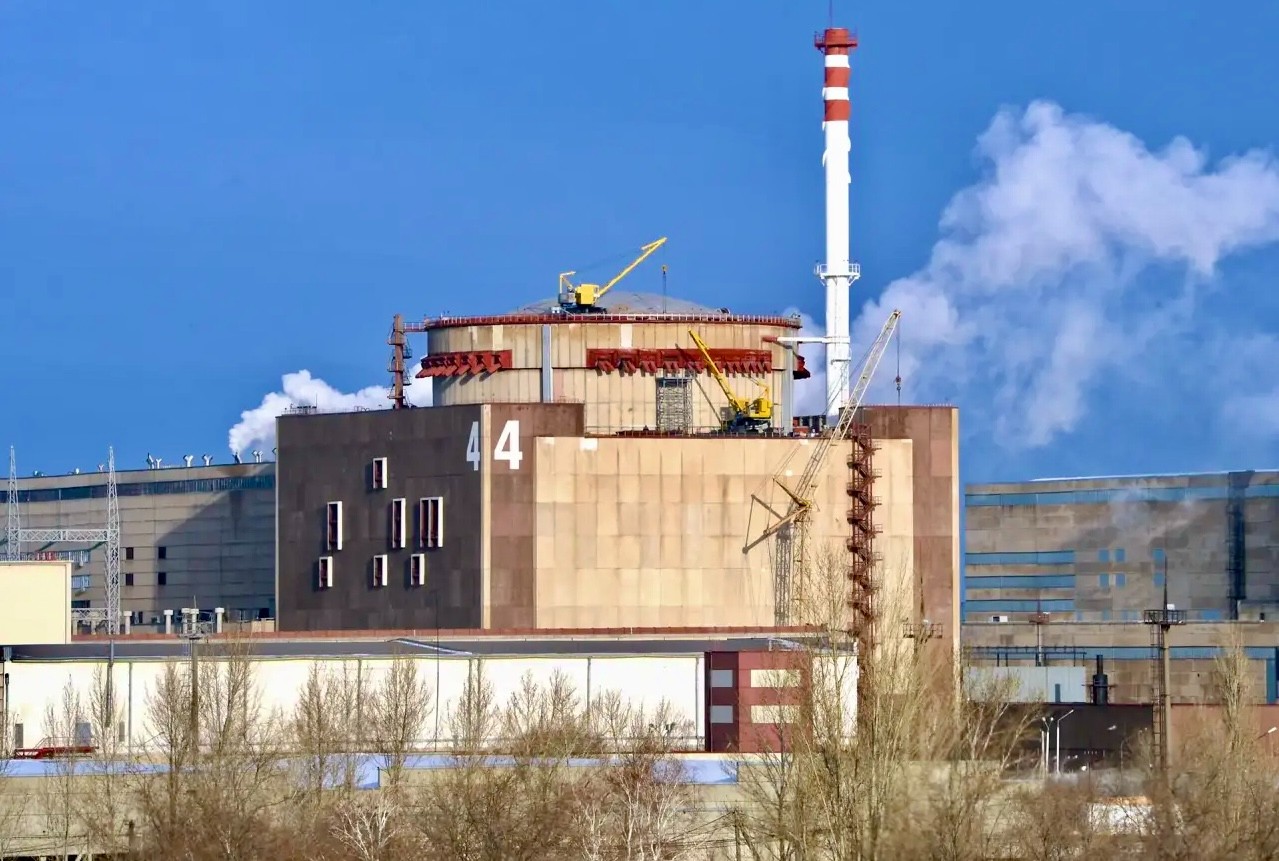
Unit 4 of Russia's Balakovo Nuclear Power Plant Shut Down for Planned Major Overhaul
On September 26, 2026, Unit 4 of the Balakovo Nuclear Power Plant, which is part of the Electric Power Division of Rosatom State Atomic Energy Corporation, was formally disconnected from the grid and entered the stage of preventive major overhaul and modernization upgrade in accordance with the established approved plan. Conducting preventive maintenance on a regular basis is a core routine measure for Russian nuclear power plants to maintain a high level of safety margin for equipment and ensure continuous and stable power grid supply. Alexey Portnov, Head of the Maintenance Management Department of the Balakovo Nuclear Power Plant, stated that as a key battle in the final stage of the plant's 2026 major overhaul, this overhaul round has planned multiple major equipment upgrade projects, with key scope covering the comprehensive replacement of valves and piping components in the spray pond, as well as the comprehensive replacement of the original lens-type expansion joints with new bellows expansion joints in the service water system, thereby enhancing the system's pressure-bearing capacity and fatigue resistance life.
2026-09-27
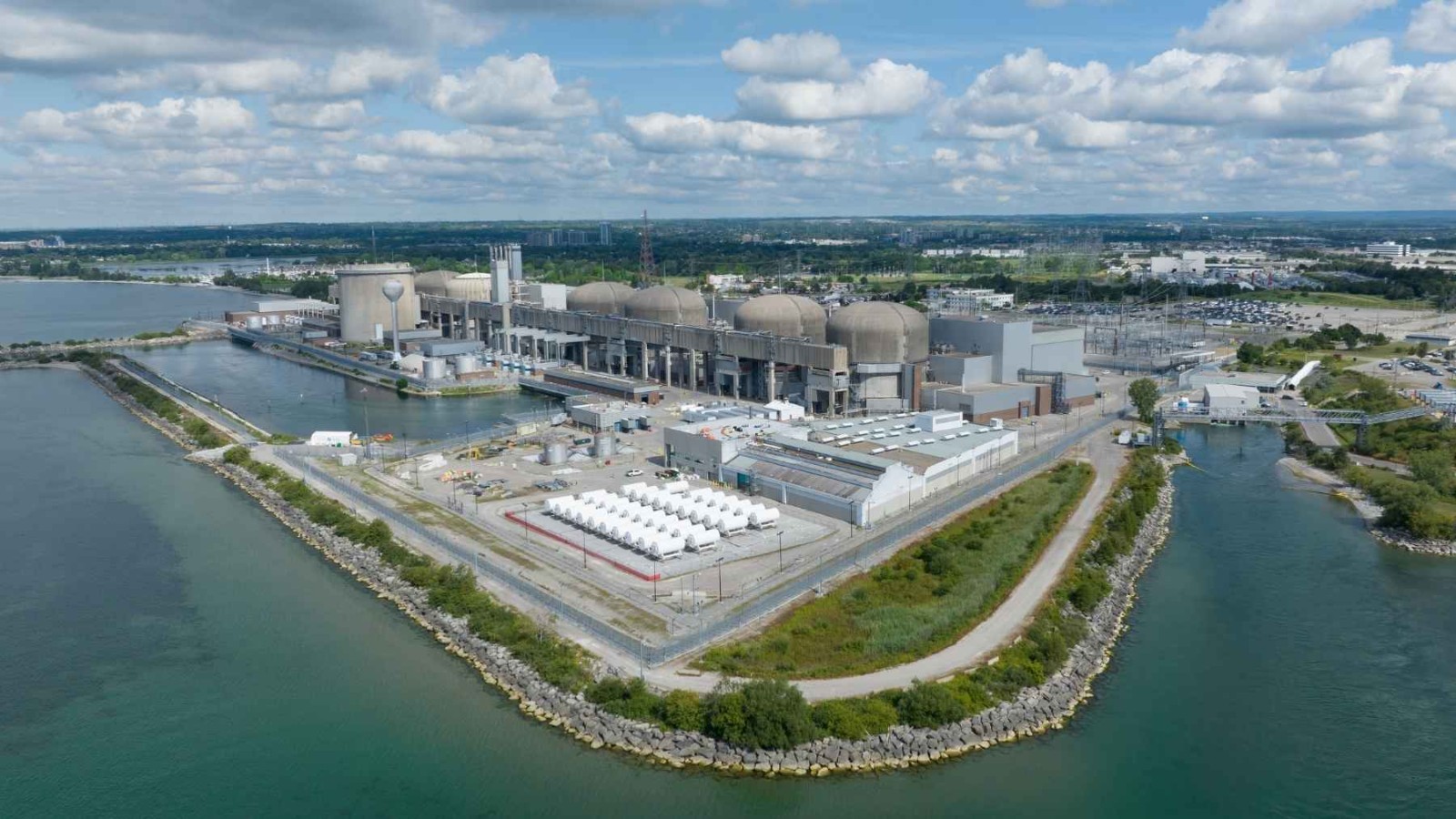
Canada's Pickering Nuclear Power Station in Toronto is about to shut down for refurbishment
Nicole Butcher, CEO of Ontario Power Generation (OPG), announced at the Canada Investment Summit that the four units at Pickering Nuclear Power Station's B plant, namely Units 5 through 8, will be gradually taken out of service and enter a comprehensive refurbishment phase lasting five to seven years. Since these four units began operation in the mid-1980s, they have consistently provided about one-tenth of Ontario's electricity supply. With the shutdown of these units, all eight reactors at Pickering Nuclear Power Station will cease generating electricity. According to OPG's financial plan, the refurbishment project will begin first with Unit 5, which is expected to be reconnected to the grid in 2031, while the entire project is planned to be fully completed by 2034. This pr...
2026-09-20
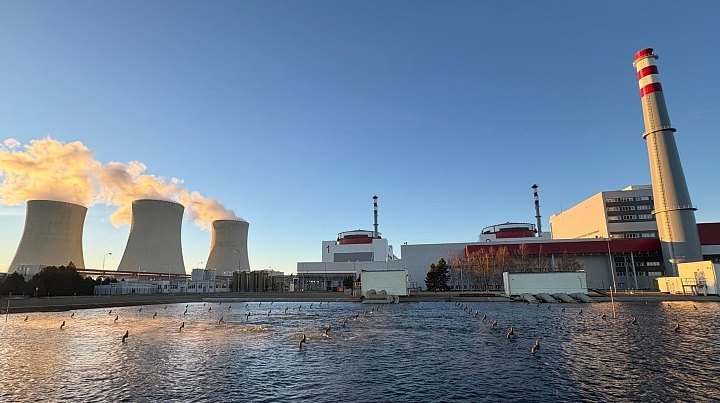
Unit 2 of the Czech Temelín Nuclear Power Plant shut down due to a control system fault
Unit 2 of the Temelín Nuclear Power Plant in the south of the Czech Republic has been taken out of service due to a fault in the control system of its non-nuclear portion. Marek Sviták, spokesperson for the Temelín Nuclear Power Plant, said that power engineers shut down Unit 2 of the Temelín Nuclear Power Plant that day because of a fault in the control system of the non-nuclear portion. After the necessary inspection and maintenance work is completed, the unit is expected to resume operation and return to power generation on Thursday of this week. At the same time, Unit 1 of the Temelín Nuclear Power Plant is currently operating normally at full power and has not been affected. In addition to the Temelín Nuclear Power Plant, the...
2026-09-17
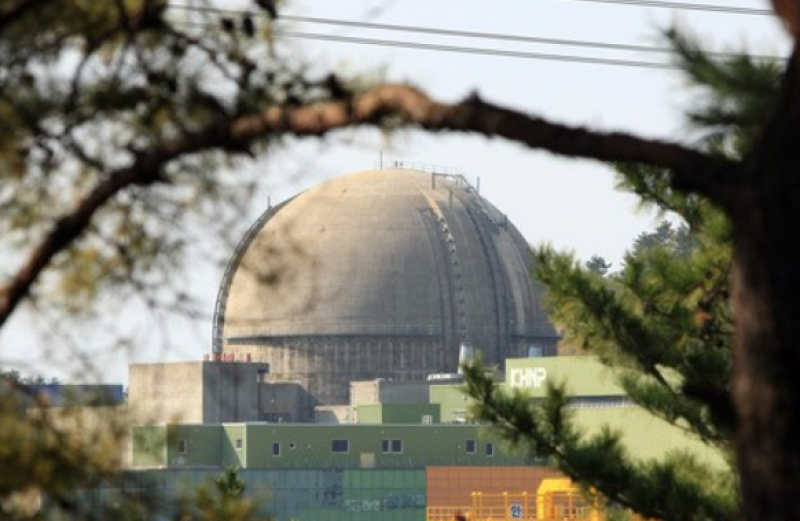
Hanbit Unit 2 in South Korea Shut Down as Operating License Expires, Four Nuclear Units Temporarily Off the Grid
On September 11, 2026, Hanbit Nuclear Power Plant Unit 2 in Yeonggwang County, South Jeolla Province, South Korea, stopped generating electricity as its 40-year operating license expired. Korea Hydro & Nuclear Power (KHNP) said the same day that the generator of Hanbit Unit 2 was disconnected from the grid at 10 a.m., after which it entered a phase of routine inspection and planned preventive maintenance. Hanbit Unit 2 began commercial operation on September 12, 1986. Previously, Hanbit Unit 1 had been shut down in December 2025 for the same reason. With this, about 1.9 gigawatts of installed capacity from Hanbit Units 1 and 2 has temporarily withdrawn from the grid. In addition to Kori Units 3 and 4, which have already been shut down due to license expiration and are awaiting subsequent review decisions...
2026-09-11
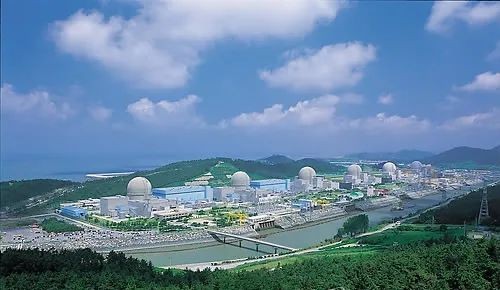
South Korea's Hanbit Nuclear Power Plant Unit 2 Shut Down Upon Expiration of Design Lifespan
South Korea's Hanbit Nuclear Power Plant Unit 2 will cease operation upon the expiration of its 40-year design lifespan. Following the shutdown of this unit, two of the six units at the Hanbit plant will have been taken offline due to reaching the end of their design lifespans. Unit 2 of the Hanbit plant received its operating license on September 12, 1986, and commenced commercial operation on June 10, 1987. Based on a 40-year design lifespan, the unit's operating license remains valid until September 11, 2026. The operator plans to conduct periodic inspections and planned preventive maintenance after the unit is shut down. In accordance with relevant regulations, once a unit reaches the end of its design lifespan, it may not resume operation until its application for continued operation is approved, and it must undergo legally required inspections and maintenance, and...
2026-09-09
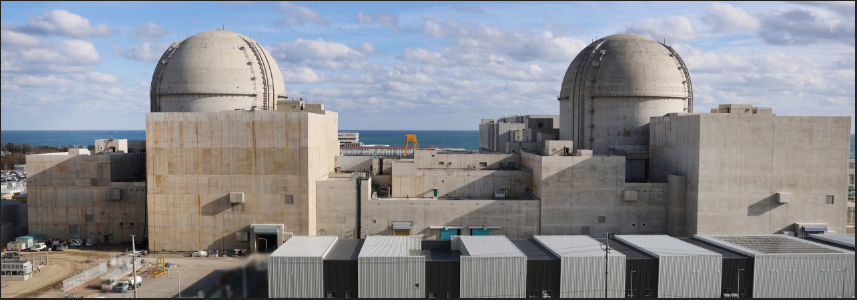
Unit 3 at Saeul Nuclear Power Plant in South Korea Shut Down Again During Trial Operation
Unit 3 at the Saeul Nuclear Power Plant, operated by Korea Hydro & Nuclear Power (KHNP), was shut down again during trial operation. The unit, located in Ulju County, Ulsan, South Korea, has a generating capacity of 1,400 MW. According to the plant operator, operators manually shut down the reactor at approximately 3:01 p.m. on the 6th. The shutdown was initiated after a leak was confirmed in a pipe related to turbine steam condensate. The plant stated that the manual shutdown was carried out to ensure facility stability and facilitate maintenance. The plant also stated that the shutdown caused no radiological impact and that the unit is currently in a stable condition. Personnel are analyzing the cause of the pipe leak. This...
2026-09-07
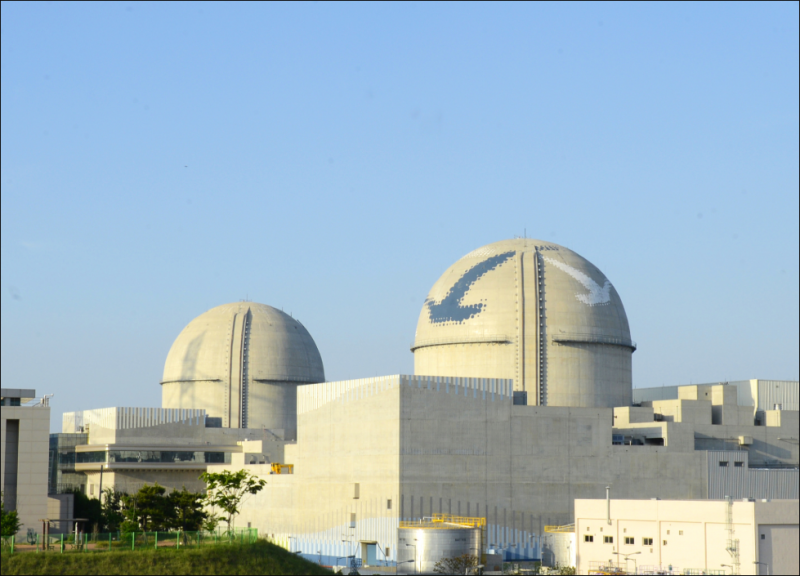
Cause Identified for Automatic Shutdown of Unit 3 at Shin-Kori Nuclear Power Plant in South Korea
The Nuclear Safety and Security Commission (NSSC) of South Korea reported on the 4th that it has completed its investigation into the automatic shutdown of Unit 3 at the Shin-Kori nuclear power plant during commissioning tests on the 11th of last month, and has approved the resumption of commissioning tests for the unit. The investigation confirmed that the direct cause of the incident was an operator error in inputting parameters during the process of restoring reactor power after the tests. According to the investigation findings, at the time of the incident, while setting the parameters for the turbine control valve position limiter, the operator mistakenly entered a value intended to limit the upper opening limit of the valve as a value in the valve closing direction. This limiter is used to prevent a rapid increase in the amount of steam entering the turbine for power generation within a short period. After the parameter error, the unit experienced an interruption in power output at approximately 80% power level, followed by an automatic shutdown.
2026-09-04

CERN Accelerator Complex Enters Full LS3 Shutdown for Upgrades, Paving the Way for the High-Luminosity LHC Era
On the morning of August 31 local time, the injector complex and the Antimatter Factory at the European Organization for Nuclear Research (CERN) ceased operation after completing their final beam deliveries, officially entering the third Long Shutdown (LS3) phase. Earlier, the Large Hadron Collider (LHC) had been closed in June, marking the flagship accelerator as the first to kick off LS3 upgrade work at the center. Bettina Mikulec (left), head of the Operations Group at CERN, handed a symbolic baton—a miniature superconducting magnet from the LHC—to Jean-Philippe Tock (right), head of the LS3 Coordination Group, with CERN Director-General Mark Thomson (second from left) and Oliver Brüning (third from left), head of Accelerators and Technology, in attendance.
2026-09-01
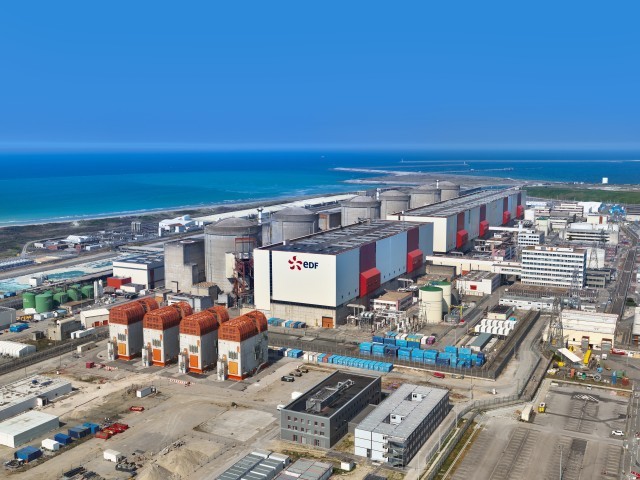
Partial shutdown of units at France's Gravelines nuclear power plant due to jellyfish influx
French utility EDF announced on August 27 that the Gravelines nuclear power plant in northern France has taken emergency measures to shut down or reduce power output at some reactor units following a massive influx of jellyfish. An EDF spokesperson stated that since the night of August 26, more than 200 tonnes of jellyfish have accumulated near the filtration system of the plant's seawater pumping station. To ensure facility safety, the plant took preventive measures by completely shutting down 2 of its 6 reactor units. Meanwhile, 2 other units were operated at reduced power, and the remaining 2 units were already offline for maintenance and inspection reasons. This means that no unit at the Gravelines nuclear power plant is currently generating at full capacity...
2026-08-29
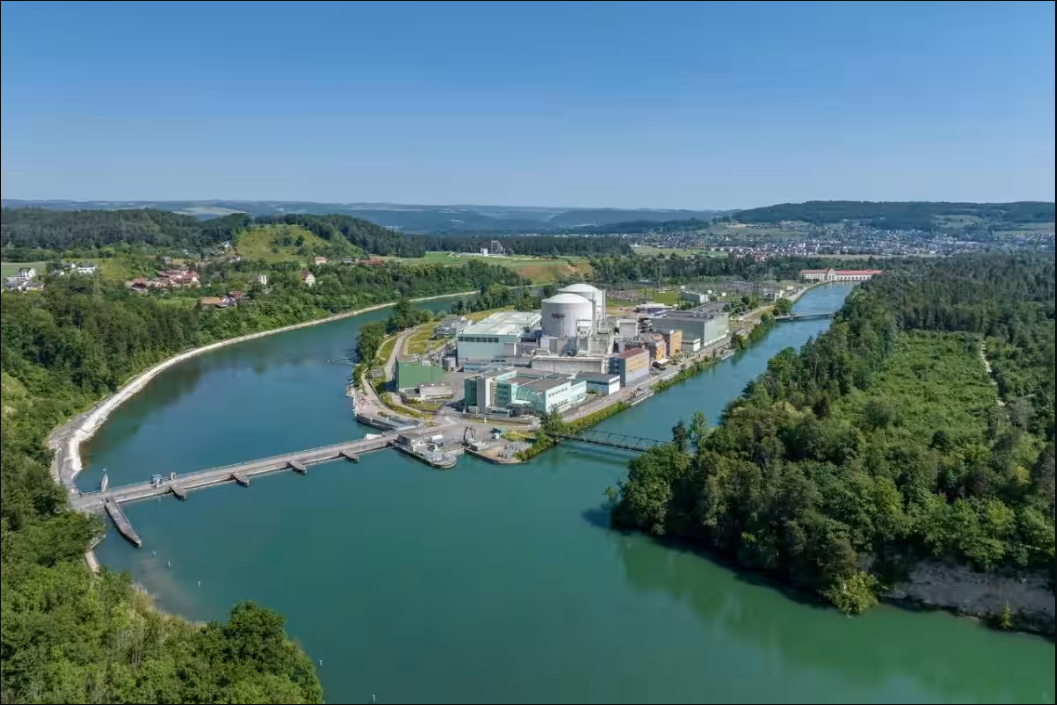
Swiss Beznau Nuclear Power Plant Fully Resumes Operation After Shutdowns
Swiss energy company Axpo stated that the Beznau nuclear power plant, which had been temporarily shut down several times due to multiple heatwaves this summer, has now fully resumed operation. Located in northern Switzerland, the Beznau nuclear power plant uses water from the Aare River for cooling. Recently, many parts of Europe have experienced high temperatures, causing abnormally elevated water temperatures in the Aare River, which led to temporary shutdowns of the plant in June and July. The Aare River basin covers nearly half of Switzerland, with the river eventually flowing into the Rhine. Axpo stated that Unit 1 of the Beznau nuclear power plant resumed operation on August 21; Unit 2, after completing refueling and overhaul, was reconnected to the grid on Thursday and is currently gradually increasing output, expected to reach full power in approximately two days...
2026-08-29
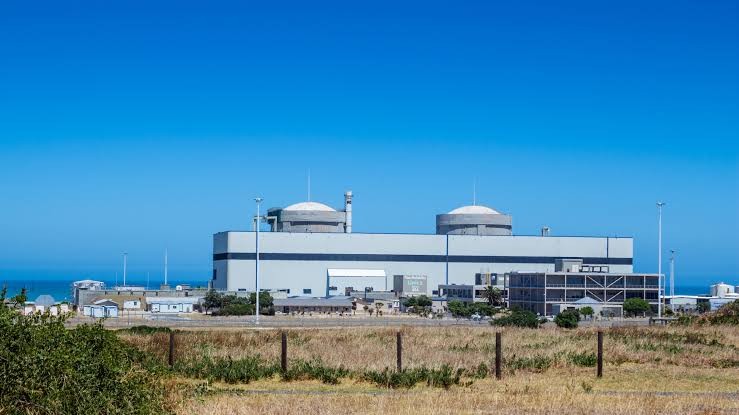
Unit 1 at South Africa's Koeberg Nuclear Power Station Automatically Shuts Down
South Africa's state-owned power utility Eskom has stated that Unit 1 at the Koeberg Nuclear Power Station automatically shut down after the reactor safety system was triggered. The cause of the incident is currently under investigation. According to Eskom, the unit's turbine has been taken offline, and there is no nuclear safety risk at the site. The company noted that prior to the earlier fish kill and their entry into the water intake area, the generating unit had been operating reliably. Koeberg Nuclear Power Station is located on South Africa's Atlantic coast, near Cape Town. Several days ago, large numbers of dead fish entered the station's water intake area, clogging the cooling pumps and triggering the safety system, after which the cooling pumps automatically shut down and Unit 1's power output was reduced. Unit 2 is currently in a planned maintenance outage.
2026-08-29