
South Korea's Hanbit Nuclear Power Plant Unit 2 Shut Down Upon Expiration of Design Lifespan
 Scan to share
South Korea's Hanbit Nuclear Power Plant Unit 2 will cease operation upon the expiration of its 40-year design lifespan. Following the shutdown of this unit, two of the six units at the Hanbit plant will have been taken offline due to reaching the end of their design lifespans.
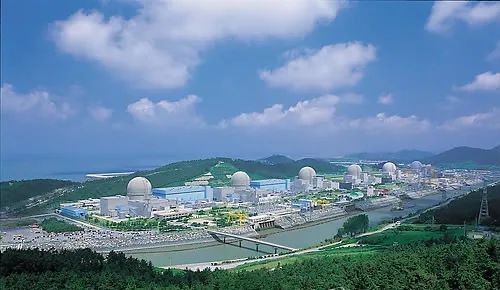
Unit 2 of the Hanbit plant received its operating license on September 12, 1986, and commenced commercial operation on June 10, 1987. Based on a 40-year design lifespan, the unit's operating license remains valid until September 11, 2026. The operator plans to conduct periodic inspections and planned preventive maintenance after the unit is shut down.
In accordance with relevant regulations, once a unit reaches the end of its design lifespan, it may not resume operation until its application for continued operation is approved, and it must undergo legally required inspections and maintenance while awaiting the results of the lifespan extension review.
Previously, Unit 1 of the Hanbit plant received its operating license on December 23, 1985, and its design lifespan expired in December 2025; the unit remains shut down to this day.
The Nuclear Safety and Security Commission (NSSC) of South Korea will decide whether the relevant units are approved for continued operation after a special review lasting up to approximately two years. The Hanbit plant comprises Units 1 through 6, of which Unit 3 is expected to reach the end of its design lifespan in 2034, Unit 4 in 2035, and Units 5 and 6 in 2041 and 2042, respectively.
Currently, four of South Korea's 26 nuclear power units have reached the end of their design lifespans and applied for continued operation, with related reviews underway. Previously, three nuclear power units in South Korea had been approved for continued operation after reaching the end of their design lifespans: Kori Unit 1 in 2008, Wolsong Unit 1 in 2015, and Kori Unit 2, approved in November 2025.
Disclaimer: Information republished from partner media, institutions or other websites is provided for reference and communication purposes only. It does not imply endorsement of its views or verification of its accuracy. Please contact us if any content infringes rights or requires correction.