
Search Results
Keyword:Iodine-131
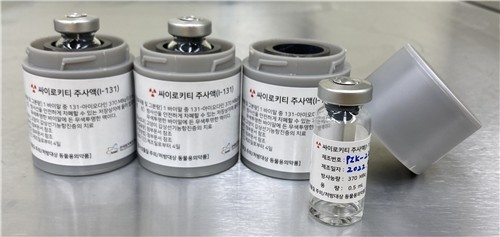
South Korea's First Animal Radiopharmaceutical Approved for the Treatment of Feline Hyperthyroidism
The Korea Atomic Energy Research Institute announced on September 10 that Thyrokitty Injection (I-131), a radiopharmaceutical for the treatment of feline hyperthyroidism developed by the research team led by Dr. Lim Jae-cheong, has obtained an animal drug manufacturing license issued by the Animal and Plant Quarantine Agency of South Korea. This is South Korea's first animal radiopharmaceutical to receive final product approval, marking the transition of related technologies that had previously been mainly at the R&D stage into clinical therapeutic application for pets. Feline hyperthyroidism is a relatively common endocrine disease in older cats, mainly characterized by excessive secretion of thyroid hormones. According to reports, approximately 10% of cats aged 10 and above may suffer from this disease. Traditional treatment methods typically require...
2026-09-10
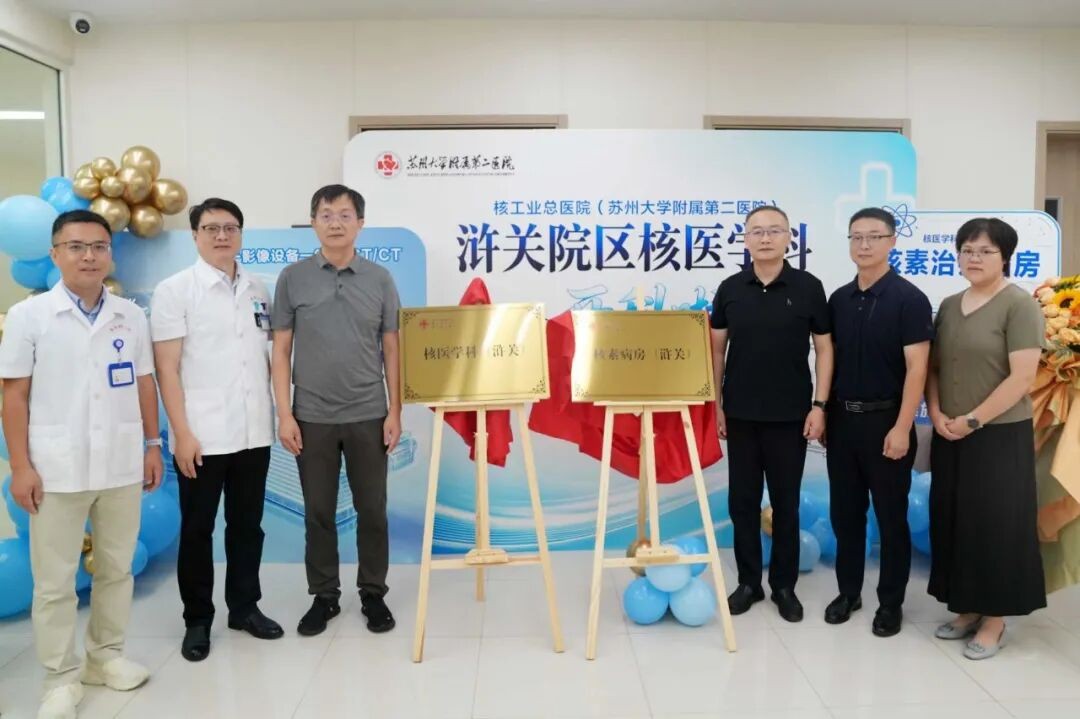
Radionuclide Ward Officially Launched at Xuguan Campus of Suzhou Nuclear Industry General Hospital under CNNC Medical
On September 3, the radionuclide ward of the Nuclear Medicine Department at the Xuguan Campus of Suzhou Nuclear Industry General Hospital, affiliated with CNNC Medical, was officially inaugurated and put into operation. The ward addresses the standardized radionuclide therapy needs of patients with tumors, thyroid diseases, and endocrine disorders, providing inpatient treatment services with isolation and protection conditions. According to reports, the newly launched radionuclide ward is equipped with radiation protection facilities and intelligent monitoring systems, enabling fully enclosed ward management, treatment process monitoring, and multi-level protection. Following the ward's commissioning, the Nuclear Medicine Department will expand from its previous examination-focused service model into a closed-loop service chain integrating radionuclide diagnosis, drug therapy, isolated hospitalization, and research follow-up, enhancing its capacity to manage complex and critically ill patients...
2026-09-05
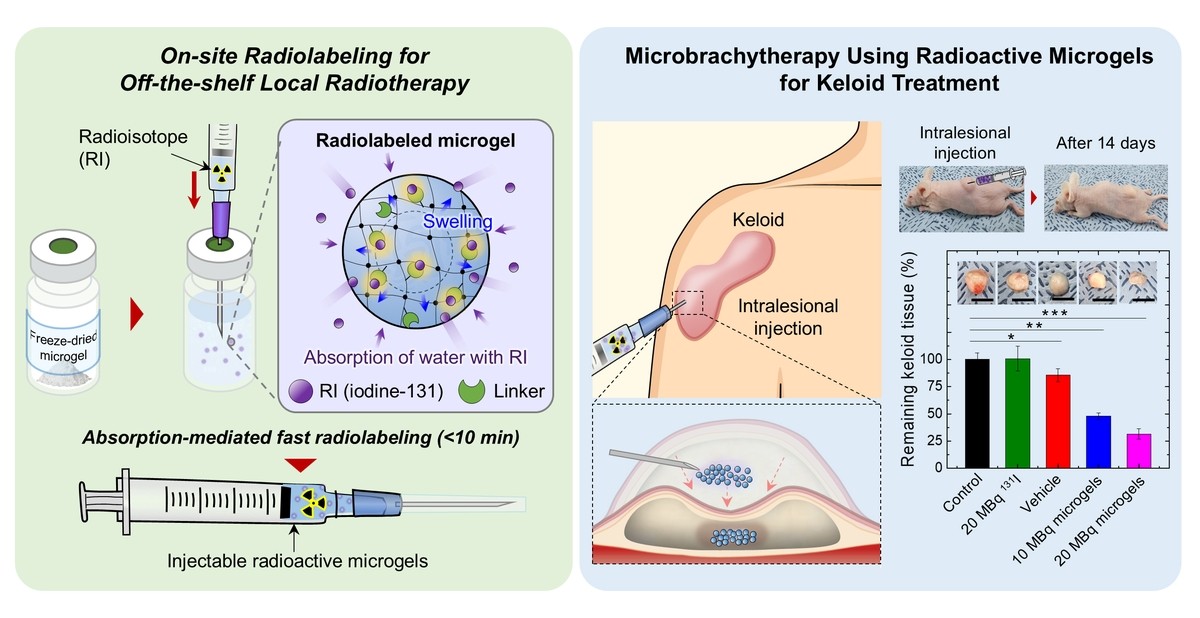
South Korean team develops biodegradable microgel for localized radiation therapy
Pusan National University announced on August 25 that a research team led by Professor Yang Seung-yun from the Department of Biomaterials Science, in collaboration with Professor Kim Hoon-soo from the Department of Dermatology and Professor Kim Geun-young from the Department of Nuclear Medicine at Pusan National University Hospital, as well as SNBIA Co., Ltd., has developed a precision localized radiation therapy technology based on biodegradable radioactive isotope materials for the treatment of refractory keloids that tend to recur after surgery. Conceptual diagram of precision treatment technology for refractory keloids. Provided by Pusan National University. Keloids are caused by abnormal proliferation of fibroblasts and excessive accumulation of collagen after skin injury. Existing treatment methods include surgery, steroid injections, laser therapy, etc., but...
2026-08-25
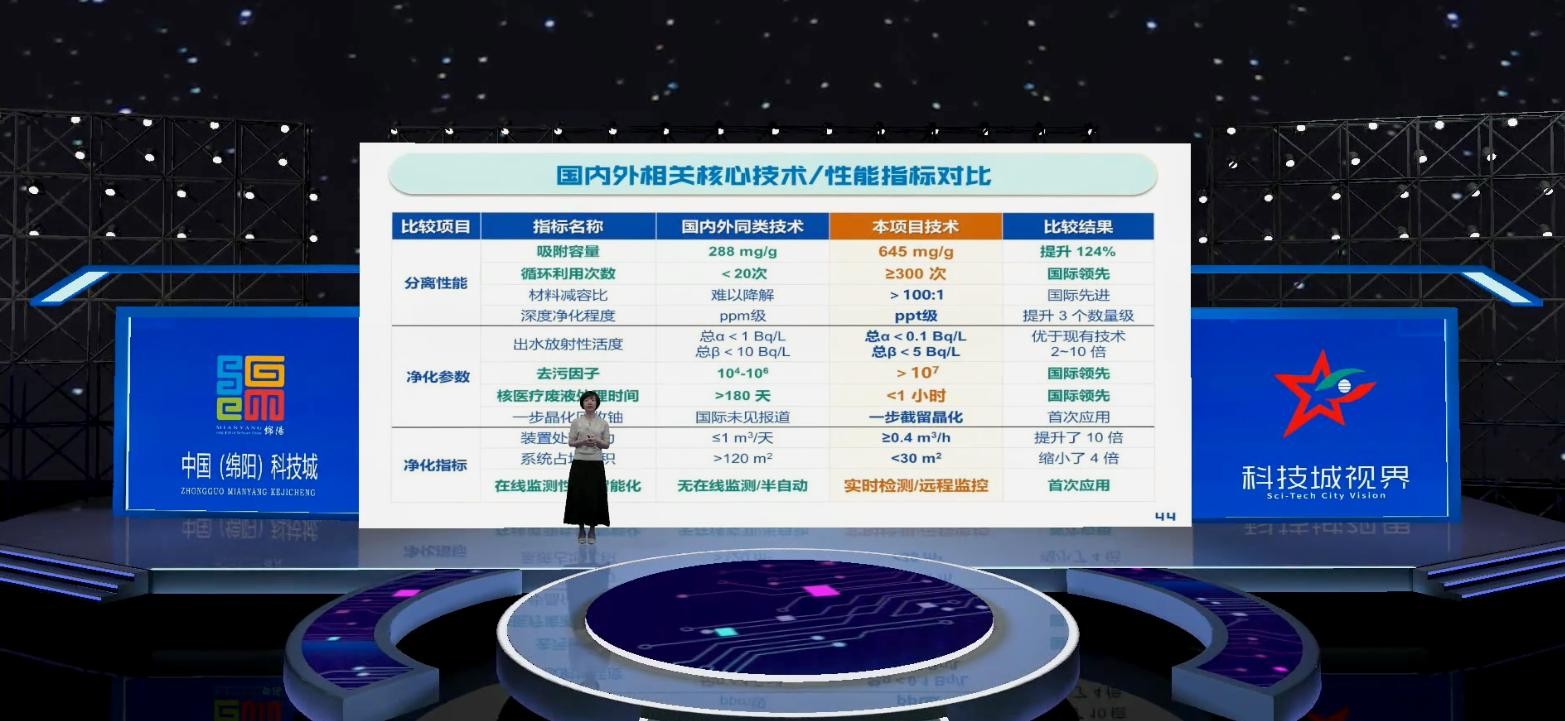
Southwest University of Science and Technology Releases Medical Radioactive Waste Treatment Technology Covering Liquid, Gas, and Solid Waste Management
On August 10, the Mianyang Science and Technology City Strategic Development Research Center held an online innovation achievement release conference, unveiling a medical radioactive waste treatment technology developed by the School of National Defense Science and Technology / School of Nuclear Science and Technology at Southwest University of Science and Technology. The technology targets radioactive contaminants including liquid waste, off-gas, and solid waste generated during nuclear medicine diagnosis and treatment, offering a full-chain comprehensive treatment solution. The conference attracted 87,000 experts in the nuclear medicine field, departmental representatives, and enterprise users. With the rapid development of the domestic nuclear medicine industry, insufficient radioactive waste disposal capacity has gradually become a key issue facing the industry's safe expansion. Relevant data show that over 96% of nuclear medicine departments nationwide are constrained by decay tank capacity...
2026-08-13