
Search Results
Keyword:Japan
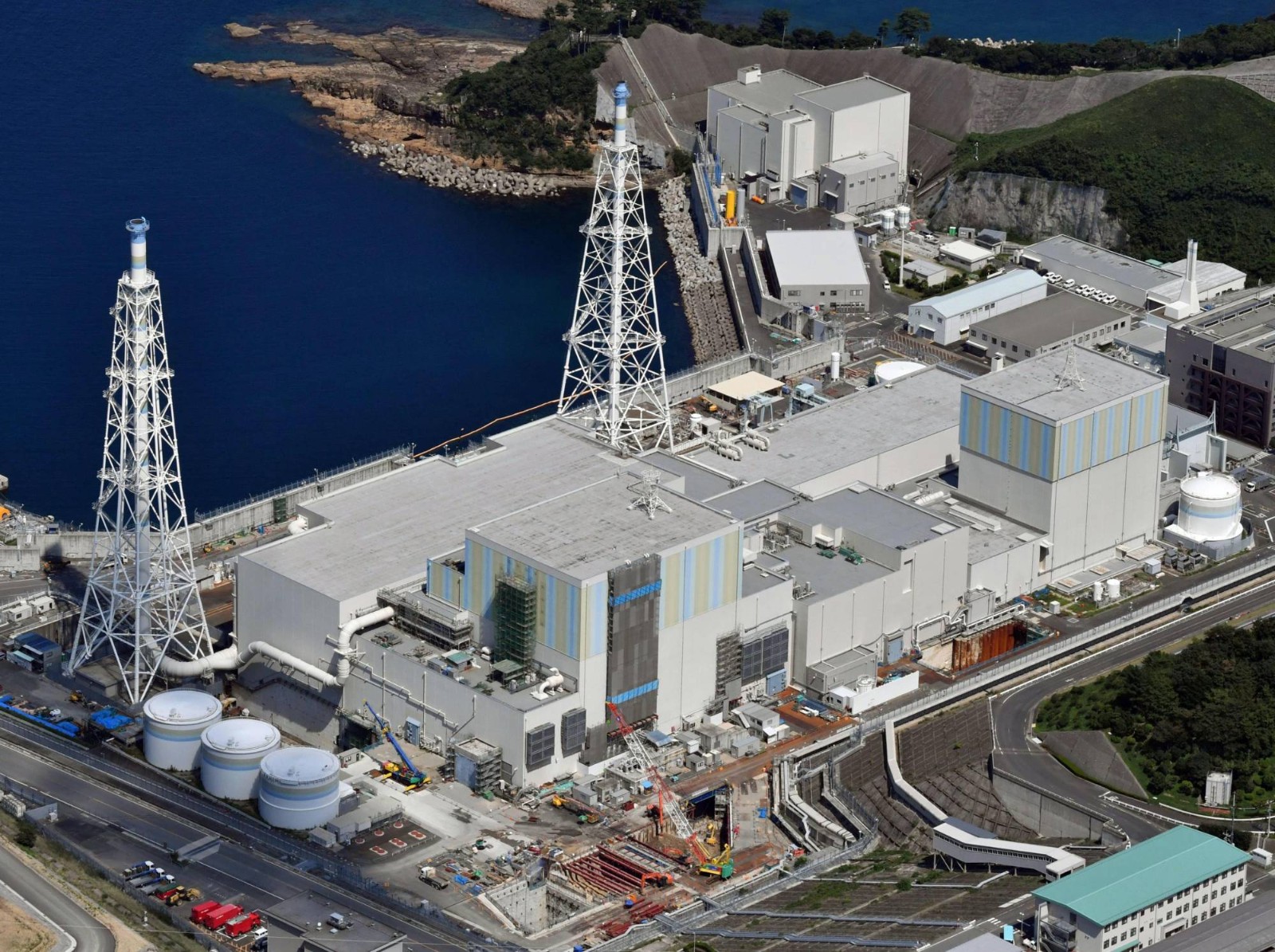
Shimane Nuclear Power Station Unit 2 Resumes Power Generation
Chugoku Electric Power Co. reported on August 19 that Unit 2 of the Shimane Nuclear Power Station resumed power generation at 2:00 p.m. that day through generator synchronization and began supplying electricity to the grid. Unit 2 of the Shimane Nuclear Power Station uses a boiling water reactor with a rated generating capacity of 820,000 kilowatts. Chugoku Electric Power Co. stated that it will prioritize safety, conduct comprehensive inspections of equipment operating conditions, and prepare for the unit to resume commercial operation as scheduled on September 16. ...
2026-08-19
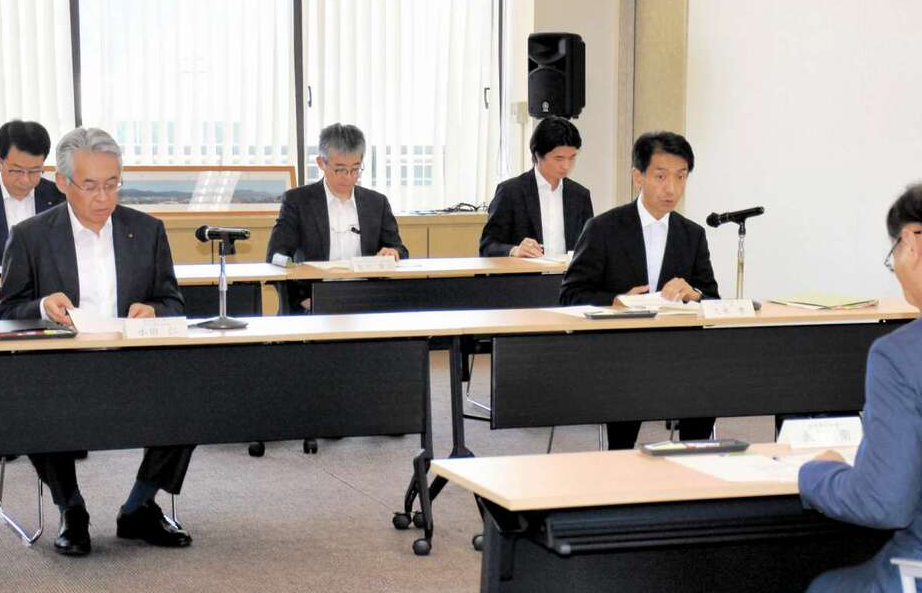
Kansai Electric says Rokkasho reprocessing plant delay does not change target of starting operation in fiscal 2027
On August 18, officials from Japan's Agency for Natural Resources and Energy (ANRE) and Kansai Electric Power Company (KEPCO) visited the Aomori Prefectural Government to explain the construction and operation schedule of the spent fuel reprocessing plant under construction in Rokkasho Village, Aomori Prefecture. The facility is a key project in Japan's nuclear fuel cycle system and is also listed as one of the receiving sites for spent fuel transported from nuclear power plants in Fukui Prefecture. Kansai Electric reiterated that even if the completion of the Rokkasho reprocessing plant is delayed from its original schedule within the current fiscal year, the target of starting operation within fiscal 2027 remains unchanged. The company stated that under the current spent fuel transport roadmap, the transport volume from fiscal 2028 onward is not expected to be significantly affected; if construction...
2026-08-19
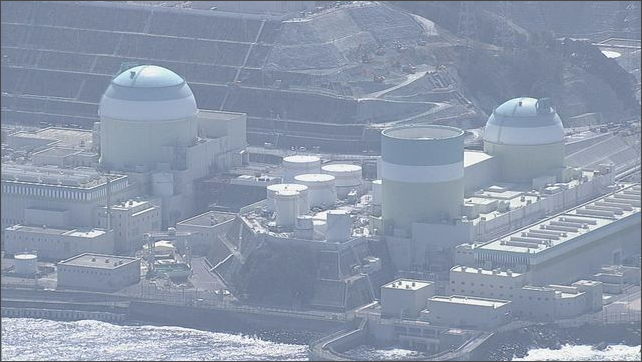
Ikata Nuclear Power Station Unit 1 Decommissioning Phase 2 Plan Approved by Experts
An expert organization in Ehime Prefecture, Japan, regarding safety management at the Ikata Nuclear Power Station recently held a meeting to discuss the decommissioning plan for Unit 1 of the station. The report formed at the meeting deemed it appropriate for the unit to enter the second phase of decommissioning in fiscal year 2027. The meeting was convened by the Nuclear Safety Expert Subcommittee under the Ikata Nuclear Power Station Environmental Safety Management Committee. This committee is responsible for providing advice to the Governor of Ehime Prefecture on safety management at the Ikata Nuclear Power Station. At the meeting, eight academic experts reviewed the decommissioning plan for Unit 1. The decommissioning of Unit 1 at the Ikata Nuclear Power Station began in 2017 and is divided into four phases overall, planned to last approximately 40 years. Currently, the decommissioning work...
2026-08-19
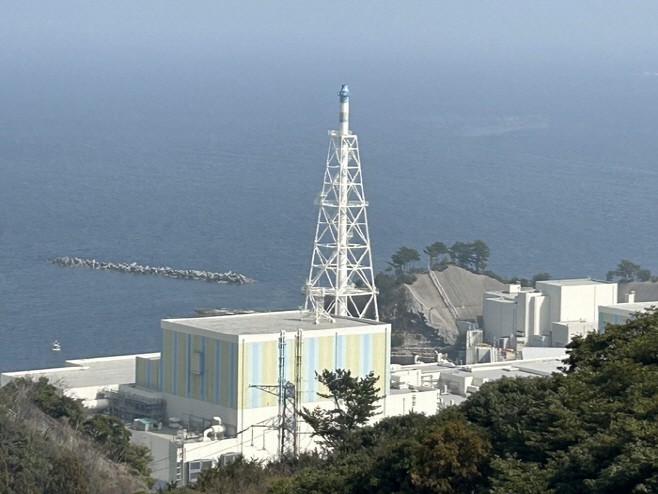
Restart of Shimane Nuclear Power Plant Unit 2 Delayed to August 19
Chugoku Electric Power announced that the restart of power generation at Shimane Nuclear Power Plant Unit 2 has been postponed from the originally scheduled August 18 to August 19. Unit 2 of the Shimane Nuclear Power Plant has been shut down since February this year for routine inspections. After approximately six months of inspections, the reactor was started on August 13, and power generation was originally planned to resume on August 18 after reaching criticality, the state of a sustainable nuclear fission chain reaction. On August 18, at a special committee meeting on Shimane Nuclear Power Plant measures held in Matsue City, Chugoku Electric Power explained that the restart of power generation was delayed by one day, mainly because the restart process requires careful progression and additional time is needed to confirm the status of related equipment...
2026-08-19
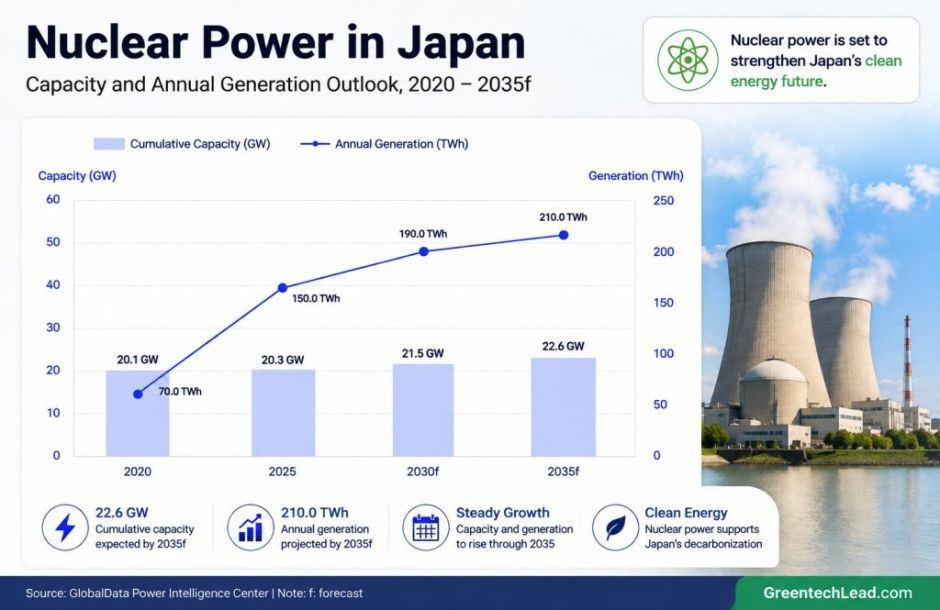
Japan's Nuclear Power Revival Enters Supply Chain Rebuilding Phase, with Spent Fuel and Engineering Capacity as Key Constraints
As Japan advances energy security, reduces dependence on fossil fuel imports, and expands low-carbon electricity supply, the focus of the country's nuclear power market is shifting from mere reactor restarts to a comprehensive supply chain rebuild covering manufacturing, operations and maintenance, life extension, fuel cycle, and waste management. GlobalData estimates Japan's nuclear power generation at 101.0 TWh in 2025 and projects it to increase to 123.3 TWh by 2035. Japan's policy target is to maintain nuclear power at approximately 20% to 22% of the electricity generation mix. Based on total annual electricity demand of approximately 1,050 TWh, a 20% nuclear share corresponds to about 210 TWh, while a 22% share corresponds to about 231 TWh. Compared with the 2025 nuclear generation figure of 101.0 TWh, the estimated gap is approximately 109 TWh to 130 TWh.
2026-08-18
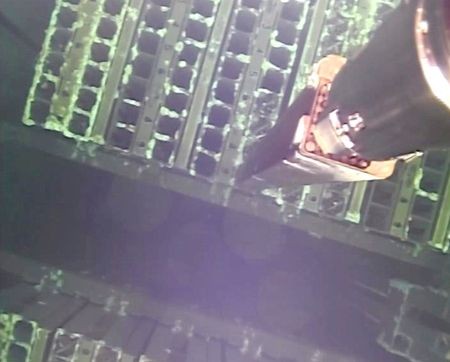
Removal of Highly Radioactive Spent Fuel Begins at Unit 2 of Fukushima Daiichi Nuclear Power Station
Tokyo Electric Power Company Holdings (TEPCO) said on August 17 that it has begun removing spent fuel assemblies with high radiation levels from the spent fuel pool of Unit 2 at the Fukushima Daiichi Nuclear Power Station in northeastern Japan, the site of a severe nuclear accident. Last month, TEPCO removed 28 unused nuclear fuel assemblies from the Unit 2 spent fuel pool. Compared with spent fuel, these unused fuel assemblies pose relatively lower risks. The company plans to complete the removal of spent fuel from Unit 2 by the end of fiscal year 2028. To date, the Unit 2 spent fuel pool contains a total of 587 spent fuel assemblies, of which TEPCO has completed the removal of...
2026-08-18
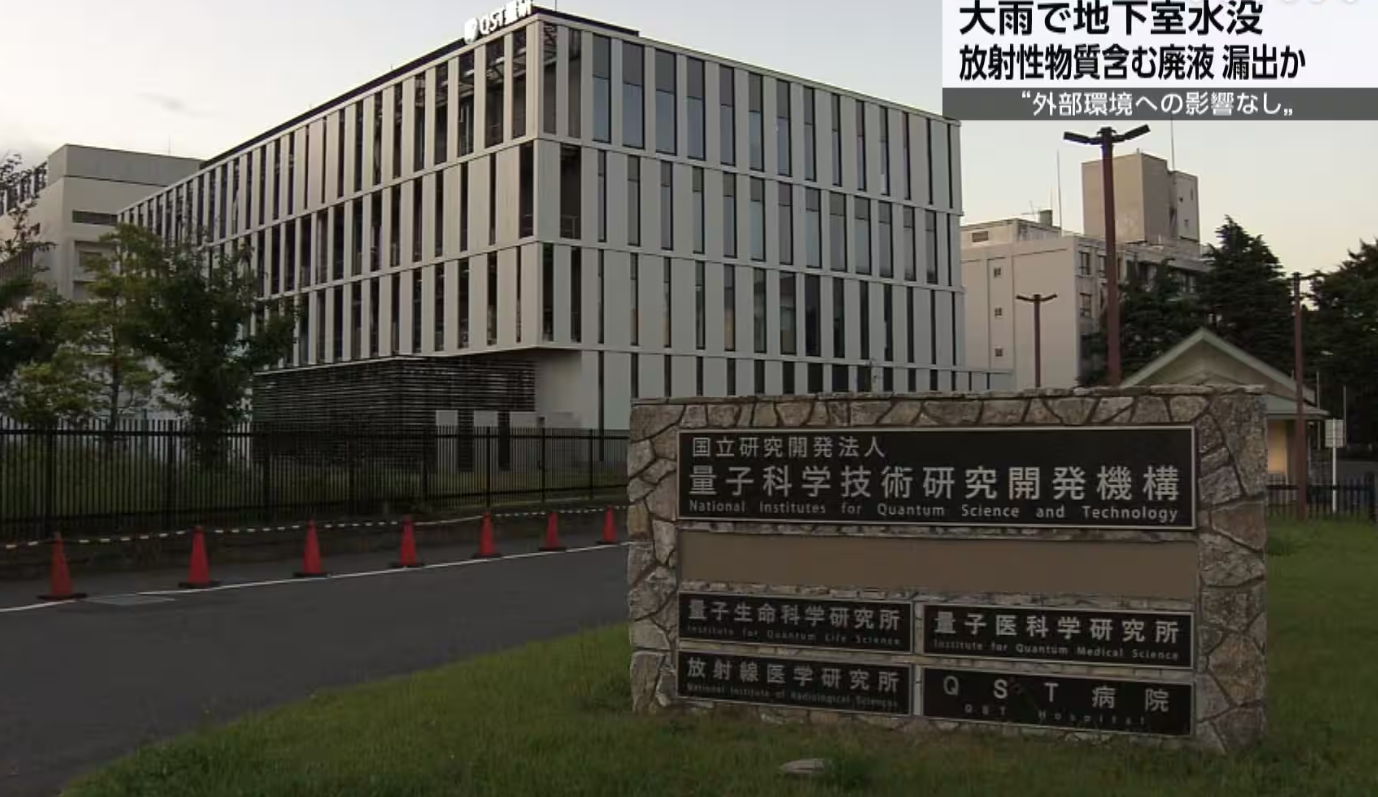
Radioactive liquid waste leak suspected at QST's underground facility in Chiba due to record rainfall
According to Japanese media reports, due to record-breaking rainfall in Chiba Prefecture, an underground facility of the National Institutes for Quantum Science and Technology (QST) in Chiba City was flooded, and radioactive liquid waste in underground storage tanks at the facility may have mixed with rainwater and leaked outdoors. QST stated that as of the 13th, an estimated 2,000 to 3,000 liters of liquid waste had accumulated in the relevant underground storage tanks. After investigating water bodies around the tanks, the institute confirmed that detected radioactive material concentrations were below standard values, and no environmental impact has been indicated so far. QST reported the incident to national and local governments the following day and plans to submit preventive measures to the Nuclear Regulation Authority of Japan.
2026-08-18
Safety measure costs after Japan's nuclear plant accident rise to at least 6.606 trillion yen
A survey of 11 Japanese electric power companies shows that the total cost of safety measures required for nuclear plants to meet new regulatory standards following the Fukushima Daiichi accident has reached at least 6.606 trillion yen. Affected by rising prices, this figure has increased slightly from the previous year. About half of the surveyed companies said that rising costs of materials, equipment, and construction have pushed up related expenses, and the total may continue to rise in the future. After the Fukushima Daiichi accident, Japan implemented new nuclear regulatory standards requiring plants to strengthen earthquake and tsunami protection and improve severe accident response measures. Related costs mainly include seawalls, emergency power supplies, filtered venting equipment, and...
2026-08-18
Multiple regions in Japan demand nuclear power operators strengthen safety management and information disclosure
On August 17, Keisuke Yokoo, the new chairman of Tokyo Electric Power Company (TEPCO), visited the Niigata Prefectural Government and met with Niigata Governor Hideyo Hanazumi. Yokoo assumed his post in June, becoming the first chairman of TEPCO to come from a financial institution. The meeting is seen as an arrangement for the new TEPCO management, following its official launch, to communicate with local governments on nuclear safety and trust rebuilding. Yokoo stated that, as the party responsible for the Fukushima Daiichi nuclear accident, TEPCO will always bear in mind that there is no end to safety and will continuously improve the safety level of its nuclear power plants. He also expressed his commitment to ensuring the safe operation of the Kashiwazaki-Kariwa Nuclear Power Plant. Hanazumi said at the meeting...
2026-08-18
Fire alarm triggered for fifth time at Fukushima Daiichi Nuclear Power Station in August; no fire confirmed on site
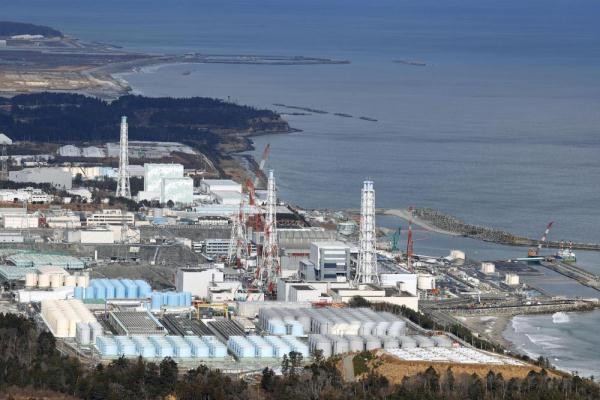
At 7:14 a.m. on August 18, a fire alarm was triggered on the first basement floor of the turbine building of Unit 5 at the Fukushima Daiichi Nuclear Power Station. Tokyo Electric Power Company (TEPCO) stated that after fire department personnel arrived and conducted inspections, no fire was confirmed on site at 7:55 a.m. Readings from radiation monitoring stations around the plant showed no significant fluctuations. This was the fifth time a fire alarm had been triggered at the Fukushima Daiichi Nuclear Power Station since the beginning of August. Previously, related alarms had occurred on August 8 at the maintenance building for Units 5 and 6, on August 12 at the emergency diesel generator room for the high-pressure core spray system of Unit 6, on August 13 at the main administration building, and on August 15 at the southwest stairwell of the turbine building of Unit 5. After each of the above alarms was triggered, the fire department confirmed that no fire had occurred...
2026-08-18
22nd Round of Fukushima Daiichi Nuclear Power Station ALPS Treated Water Discharge Completed
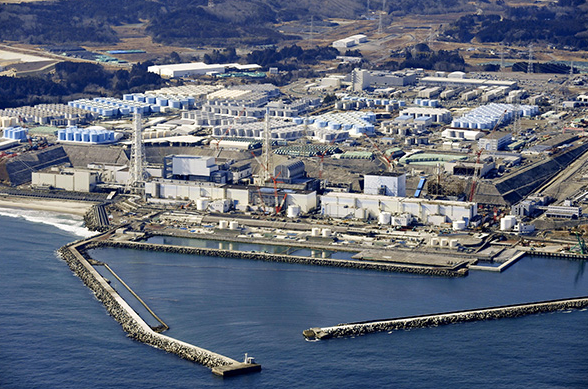
Tokyo Electric Power Company (TEPCO) stated on August 17 that the 22nd round of ALPS treated water discharge from the Fukushima Daiichi Nuclear Power Station had been completed by the afternoon of the same day (local time). This round of discharge began on July 30, with a total of 7,888 tonnes of ALPS treated water released. According to information released by TEPCO, the total amount of radioactive tritium contained in the water discharged in this round was approximately 1.3 trillion becquerels. This is the 4th round of ALPS treated water discharge from the Fukushima Daiichi Nuclear Power Station in Japan's fiscal year 2026. Japan began discharging ALPS treated water from the Fukushima Daiichi Nuclear Power Station in August 2023. To date, 22 rounds of discharge have been carried out, with a cumulative discharge volume of approximately 173,000 tonnes...
2026-08-18
4.4-Magnitude Earthquake Hits Fukuoka Area; Kyushu Electric Says No Abnormalities at Genkai and Sendai Nuclear Plants
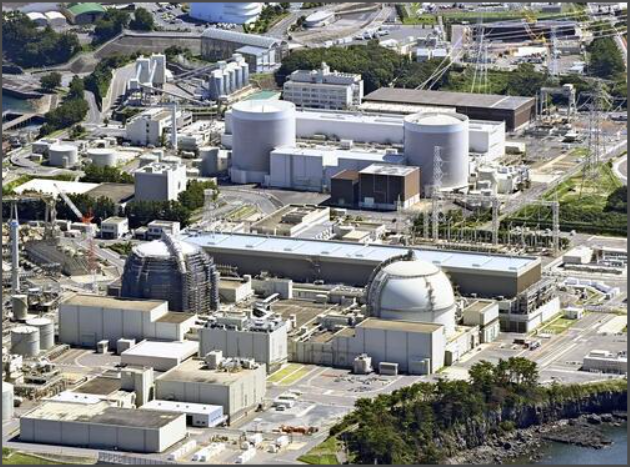
At around 6:37 a.m. on August 17, an earthquake struck the Fukuoka area of Fukuoka Prefecture, Japan, with a maximum seismic intensity of 4, a focal depth of approximately 10 kilometers, and a magnitude of 4.4. Kyushu Electric Power Co. (KEPCO) subsequently announced that the operational status of its Genkai and Sendai nuclear power plants was unaffected, with no abnormalities detected in the relevant units. According to Kyushu Electric Power, Unit 4 of the Genkai Nuclear Power Plant in Saga Prefecture continued normal operation, while Unit 3 was undergoing periodic inspection; Units 1 and 2 of the Sendai Nuclear Power Plant in Kagoshima Prefecture continued normal operation. The company stated that no impact on power supply had been confirmed. During the earthquake, Itoshima City in Fukuoka Prefecture...
2026-08-17
Survey of Japanese 18-year-olds: Nearly 60% support restarting or replacing nuclear reactors that meet safety standards
A survey of young people around age 18 in Japan shows that nearly 60% of respondents support restarting nuclear power plants that meet safety standards or replacing existing reactors with new units; meanwhile, over 70% of respondents have expectations or some expectations for advanced innovative reactors. The 18-year-old awareness survey conducted by the Nippon Foundation asked respondents to choose which of two statements was closer to their own view: one being that nuclear power plants meeting safety standards should be restarted or replaced with new units; the other being that nuclear power should not be relied upon due to accident risks and radioactive waste issues. The results showed that 28.5% of respondents said their view was "close" to the first statement, and 29.8...
2026-08-16
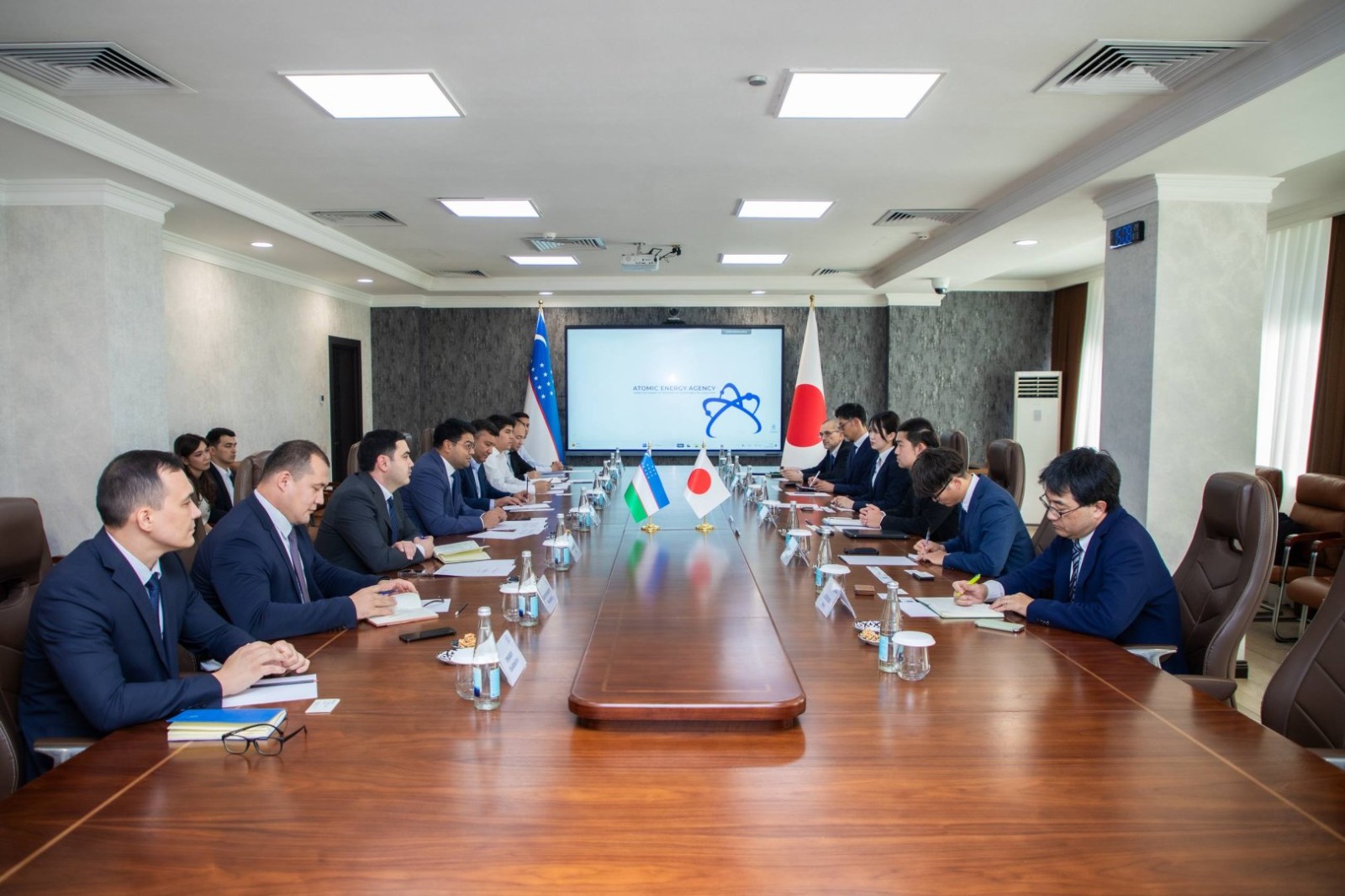
Uzbekistan and Japan Discuss Expanding Cooperation in Peaceful Uses of Nuclear Energy
The Atomic Energy Agency of Uzbekistan recently held talks with a Japanese delegation, with both sides exchanging views on expanding cooperation in the peaceful uses of nuclear energy, focusing on nuclear technology, joint projects in related industries, and energy security cooperation. The Japanese delegation comprised representatives from Japan's Ministry of Economy, Trade and Industry (METI), the Japan Organization for Metals and Energy Security (JOGMEC), and ITOCHU Corporation, led by Abe Yoshimitsu, Deputy Director of the Nuclear Energy International Cooperation Office at METI. During the talks, both sides explored possibilities for advancing cooperation in nuclear technology applications, collaboration in related industries, and experience exchange. The Japanese side expressed its willingness to continue dialogue with Uzbekistan in the peaceful uses of nuclear energy on the basis of mutual respect and common interests, and to promote practical cooperation. The Atomic Energy Agency of Uzbekistan (Uzatom) stated that it would continue to expand international cooperation with countries and organizations possessing experience in the peaceful application of nuclear technology. Uzbekistan and Japan already have a foundation for cooperation in the nuclear energy and uranium resource sectors. ITOCHU Corporation previously signed a uranium concentrate supply agreement with Navoi Mining and Metallurgy Combinat, and JOGMEC has also been involved in the development of uranium deposits in Uzbekistan. In December 2025, during Uzbek President Shavkat Mirziyoyev's visit to Japan, both sides confirmed directions for expanding cooperation, including the export of critical minerals and the introduction of advanced technologies. The current talks continue the momentum of bilateral cooperation in the energy and resource sectors.
2026-08-14
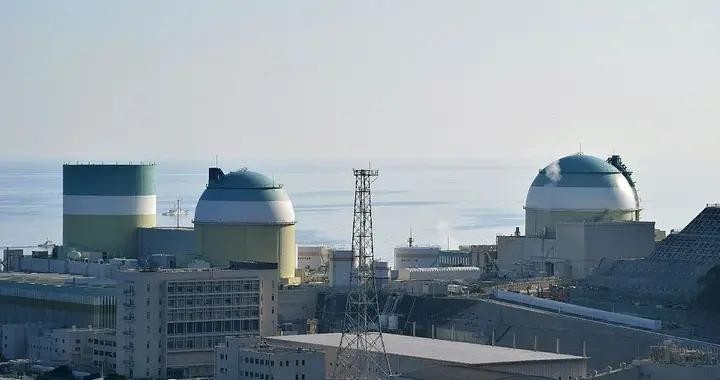
Small Amount of Ash Leakage from Miscellaneous Solid Waste Incineration Equipment at Japan's Ikata Nuclear Power Plant
Shikoku Electric Power Co. reported on August 13 that at approximately 10:25 a.m. that day, an operator from a partner company discovered ash-like material beneath the ceramic filter of the operating miscellaneous solid waste incineration equipment inside the miscellaneous solid waste incinerator building at Ikata Nuclear Power Plant. The area is a controlled zone. On-site investigation confirmed that the fallen material was incineration ash, and the leakage was confirmed to have stopped. Workers also found localized cracks in the rubber components of the glove box beneath the ceramic filter. Temporary sealing measures were taken to prevent further leakage. According to the report, the leaked incineration ash remained within the building and was fully recovered. The leakage amount was 0.3 grams, with a radioactivity...
2026-08-13