
Search Results
Keyword:Japan
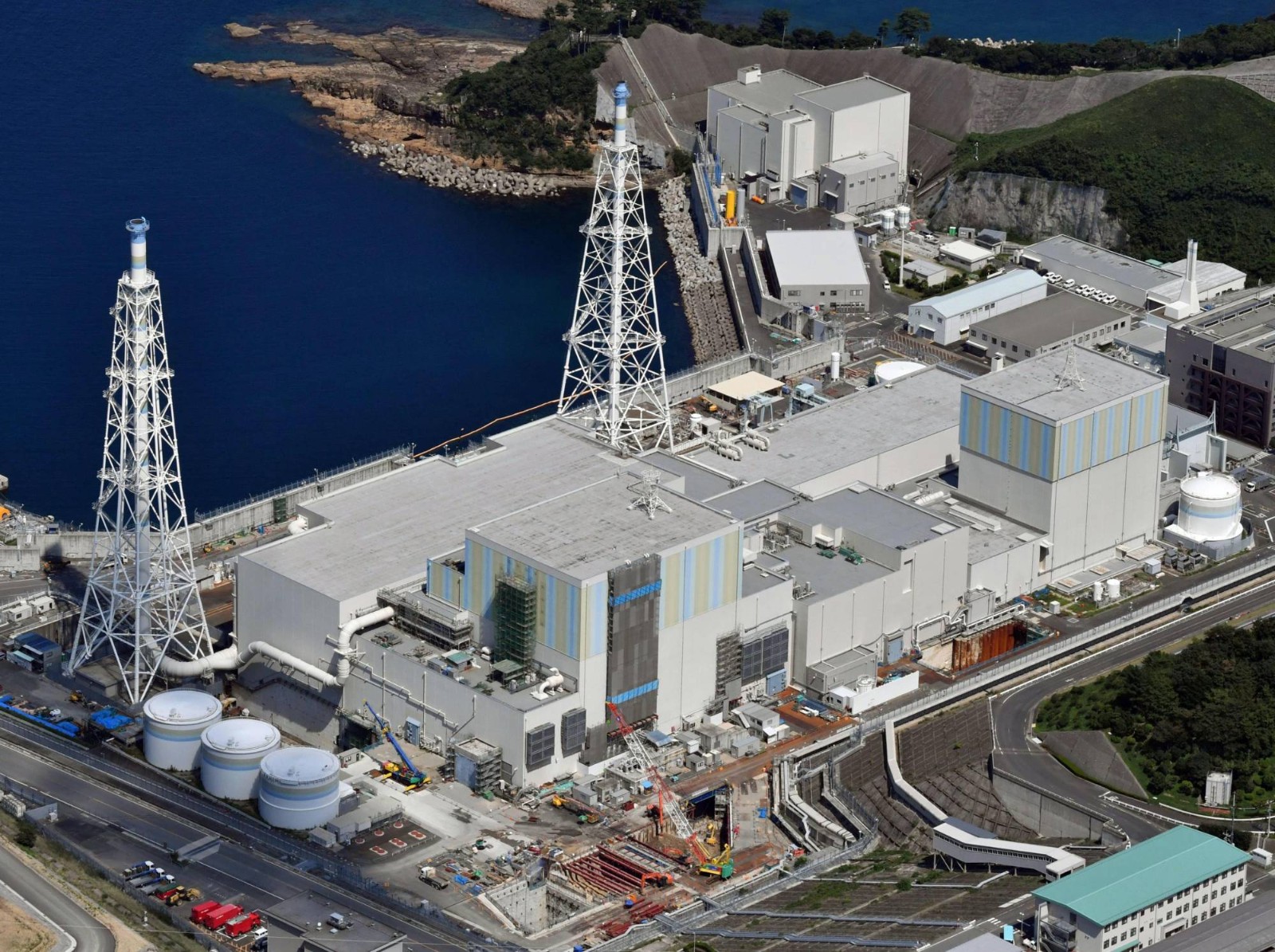
Shimane Nuclear Power Station Unit 2 restarted and reached criticality
Chugoku Electric Power Co. announced on August 13 that it started up the reactor of Unit 2 at the Shimane Nuclear Power Station at 10:00 that day, and the unit reached a critical state at 12:14. Unit 2 of the Shimane Nuclear Power Station is a boiling water reactor with a rated electrical output of 820,000 kilowatts. Criticality refers to the state in which nuclear fission reactions in the reactor core can be sustained, and is one of the key milestones in the unit restart process. According to the plan, the unit will resume power generation, i.e., synchronize the generator to the grid, on August 18, 2026, and is expected to resume commercial operation on September 16, 2026. Chugoku Electric Power Co. stated that it will continue to prioritize safety and steadily advance all subsequent procedures.
2026-08-13
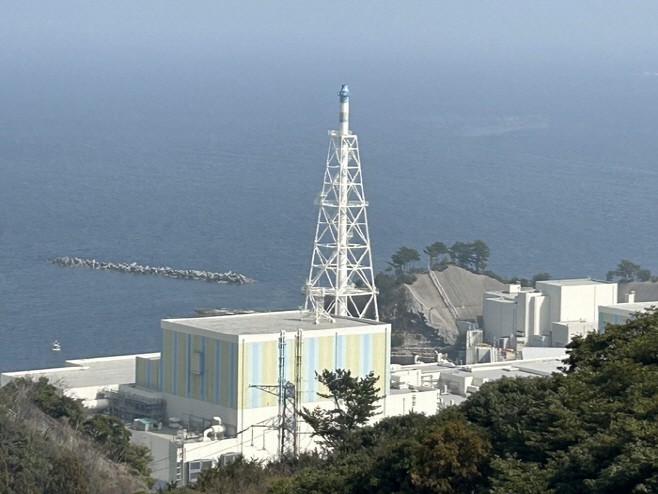
Shimane Nuclear Power Station Unit 2 completes containment vessel-related repairs, scheduled to resume commercial operation on the 16th of next month
The Shimane Nuclear Power Station Unit 2, located in Matsue City, Japan, is scheduled to resume commercial operation next month. Recently, part of the reactor containment vessel repair work at the unit was opened to the public, showcasing key construction steps before the resumption of operation. Unit 2 of the Shimane Nuclear Power Station resumed operation in December two years ago. Since February this year, the unit has been shut down for routine operational inspections. In accordance with relevant legal requirements, nuclear power units must undergo equipment disassembly inspections and replacement of related components within 13 months after the previous inspection is completed. On August 3, a dedicated crane was used on site to lift a cover weighing approximately 60 tons to the top of the reactor containment vessel. Workers completed the tightening of 120 bolts that day...
2026-08-13
TEPCO and JAPC invite eight power companies to participate in spent fuel transport
August 12 news, Tokyo Electric Power Company (TEPCO) and Japan Atomic Power Company (JAPC) invited eight other Japanese power companies that own nuclear power plants on the 10th to consider participating in the transport of spent fuel to the Mutsu City interim storage facility in Aomori Prefecture. Mutsu City has agreed to expand the scope of operating entities involved in the transport. The interim storage facility is operated by Recyclable-Fuel Storage Company (RFS), jointly established by TEPCO and JAPC, and is primarily used for temporary storage of spent fuel generated from nuclear power plants before reprocessing. The eight invited companies are Hokkaido Electric Power Company (Hokkai...
2026-08-13
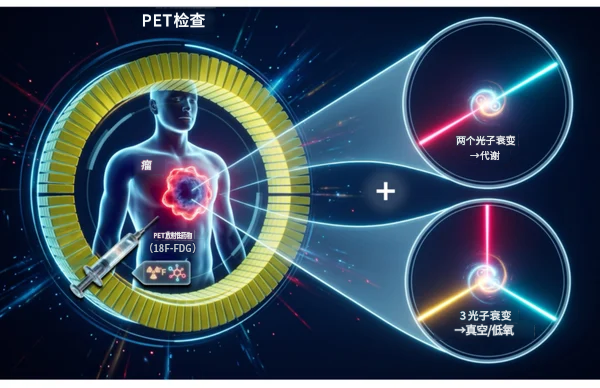
University of Tokyo and University of York Successfully Validate Positronium Ratio Imaging Principle for the First Time
A research team from the Graduate School of Engineering at the University of Tokyo and the University of York in the UK established a novel geometric imaging principle utilizing positron three-photon decay. Using a gamma-ray measurement system comprising scintillators and silicon photomultipliers (SiPMs), along with the existing PET radiopharmaceutical ^18F-FDG, they successfully visualized the positronium three-photon decay ratio for the first time, completing the proof-of-principle for Positronium Ratio Imaging (PRI). The findings were published in *Communications Physics*. Current clinical nuclear medicine PET examinations primarily utilize gamma rays generated from two-photon annihilation between positrons and electrons to visualize drug accumulation in the body. While this method provides quantitative information on metabolism or drug uptake, it offers limited insight into microenvironmental features such as tissue hypoxia, which are closely related to disease malignancy. In recent years, researchers have attempted to obtain additional tissue information through the average lifetime of positronium formed during positron annihilation, but this approach typically requires the introduction of special nuclides or agents, limiting its practical application.
2026-08-12
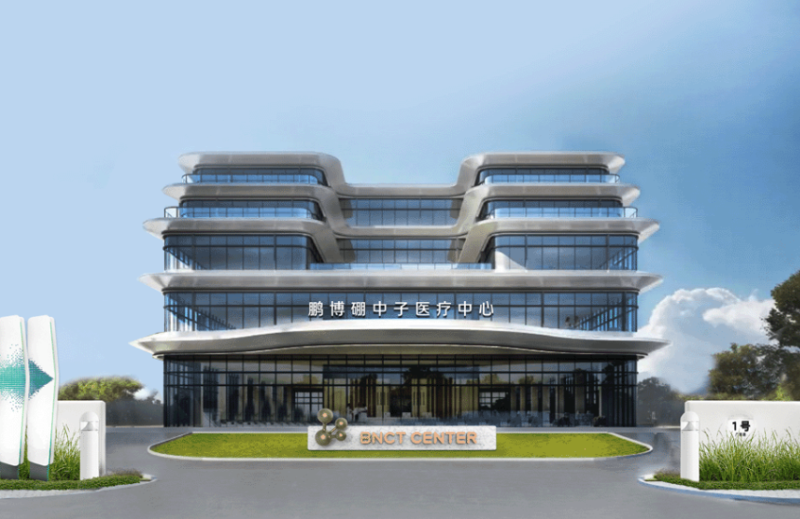
China Bio-Pharma: Enters Cooperation Agreement with Stella Pharma on Boron Neutron Therapy Drug
China Bio-Pharma Holdings Limited announced on August 12 that the company, Pengbo (Hainan) Boron Neutron Medical Technology Co., Ltd., and Japan's Stella Pharma Corporation signed a legally binding Master Cooperation Agreement on August 11, 2026, to jointly advance the development and commercialization of Steboronine in China. Steboronine is described in the announcement as the world's first approved boron neutron therapy drug, applied in Boron Neutron Capture Therapy (BNCT). Under the agreement, the cooperation between the two parties is divided into a development phase and a commercialization phase. During the development phase, the cooperation aims to leverage real-world data, real-world evidence, and real-world studies generated by the China Bio-Pharma Group to facilitate Stella Pharma in obtaining and maintaining, as soon as possible, marketing approval from China's National Medical Products Administration (NMPA) for Steboronine for the treatment of head and neck cancer; after Stella Pharma obtains marketing and manufacturing approval from the Japanese government for Steboronine for meningioma, the relevant China filings may also be extended to the meningioma indication.
2026-08-12
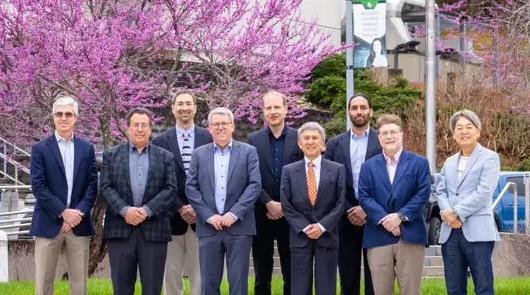
Kyoto Fusioneering and Oak Ridge to Build World's First Fusion Blanket Verification Facility UNITY-3
Kyoto Fusioneering (KF), a Japanese fusion energy engineering company, announced that it will jointly build a facility named UNITY-3 with the U.S. Oak Ridge National Laboratory (ORNL) to verify the breeding blanket technology required for commercial fusion power plants. The project is described as the world's first facility dedicated to breeding blanket demonstration, and KF will also relocate its U.S. business base to Oak Ridge, Tennessee. The project has received support from the U.S. Department of Energy's relevant roadmap, Tennessee's nuclear energy supply chain investment fund, and the DOE, indicating that the fusion industry is shifting from purely plasma physics breakthroughs toward engineering, system integration, and supply chain development. The breeding blanket is a critical component for deuterium-tritium fusion power...
2026-08-12
Japan's Mutsu Spent Fuel Interim Storage Facility May Expand Participants; KEPCO and Hokuriku Electric Power Say They Are Considering
Tokyo Electric Power Company (TEPCO) and Japan Atomic Power Company (JAPC) began contacting eight other domestic electric power companies that own nuclear power plants on August 10, asking whether they would be interested in participating in the expansion of the entities responsible for transporting spent fuel to the interim storage facility in Mutsu City, Aomori Prefecture. Among the eight companies contacted, Kansai Electric Power Company (KEPCO) and Hokuriku Electric Power Company indicated in response to the inquiries that they are considering whether to participate. In December 2025, TEPCO and JAPC had submitted a proposal to Aomori Prefecture and Mutsu City regarding the expansion of operating entities, and at that time they had also sought the intentions of these eight companies...
2026-08-12
Fujita Health University in Japan Advances Research on Expanding BNCT Indications for Deep-Seated Cancers, to Conduct 18F-FBPA PET Exploratory Evaluation
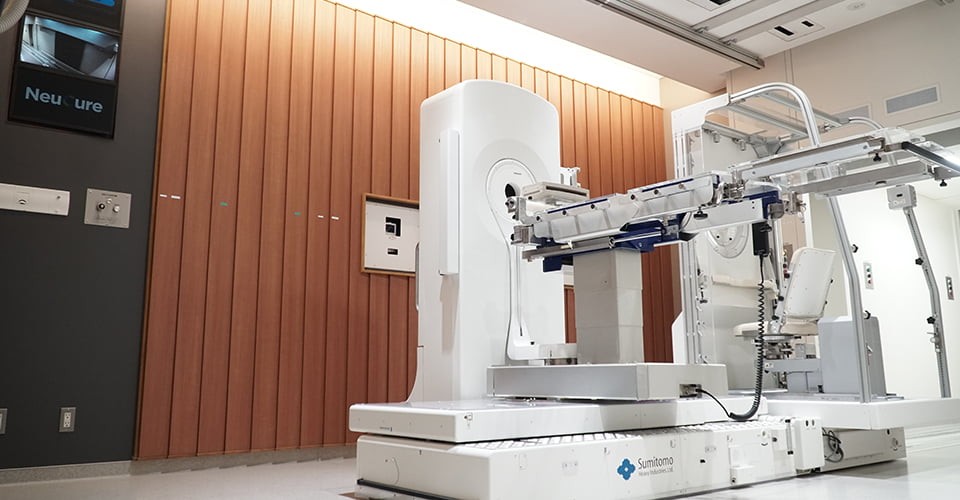
On August 10, Stella Pharma Corporation of Japan announced that it is collaborating with Fujita Health University and other institutions to advance research and development aimed at expanding Boron Neutron Capture Therapy (BNCT) to deep-seated cancers. As part of this project, Stella Pharma will participate in an exploratory study on 18F-FBPA uptake capacity in deep-seated cancers conducted by Fujita Health University. The study will use 18F-FBPA PET to evaluate the tumor accumulation of boron drugs used in BNCT in deep-seated cancers, and based on the findings, explore the possibility of expanding BNCT indications in the future. The study plans to collect data from 50 cases, including pancreatic cancer, hepatocellular carcinoma, and biliary tract cancer, to accumulate foundational evidence needed for the development of BNCT for deep-seated cancers. BNC...
2026-08-11
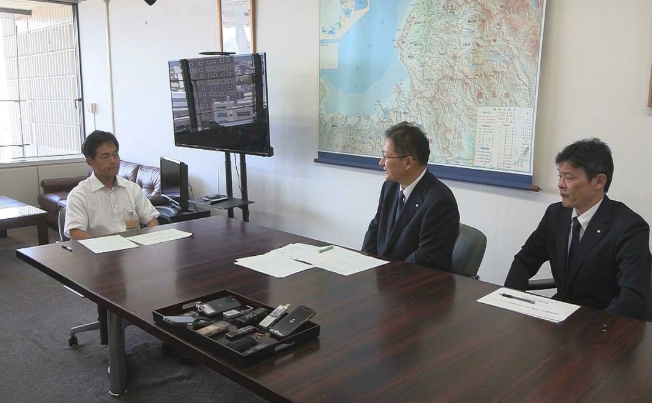
Automatic Shutdown of Unit 3 at Oi Nuclear Power Plant During Operation; Kansai Electric Power to Investigate Cause from the 12th
Unit 3 of the Oi Nuclear Power Plant in Fukui Prefecture, Japan, experienced an automatic shutdown during operation in the early hours of the 9th. Operator Kansai Electric Power stated that the fault is related to an internal abnormality in the generator and plans to formally begin a cause investigation from the 12th. Currently, there is no clear timeline for when the unit can resume operation. According to reports, an alarm related to loss of magnetic field occurred inside the generator used for power generation at the time of the incident, after which the generator stopped, and the reactor in operation also automatically shut down. On the 10th, Kansai Electric Power visited the Fukui Prefectural Government to apologize for the fault and report on subsequent response measures. Yuichiro Sakamoto, head of the Fukui Prefecture Disaster Prevention and Safety Division, pointed out that following a steam leak fault at Mihama Nuclear Power Plant Unit 3 in May this year, an unexpected emergency shutdown of a reactor in operation occurring within a short period may undermine public trust in nuclear safety. Local government authorities have demanded that the operator promptly identify the cause and implement measures to prevent similar issues from recurring.
2026-08-11
Japan's MEXT to Establish Industry-Academia-Government Collaboration Platform to Strengthen Nuclear Energy Human Resource Development
Japan's Ministry of Education, Culture, Sports, Science and Technology (MEXT) plans to launch a new initiative for nuclear energy human resource development, with the core approach being the establishment of an industry-academia-government collaborative organization within the Japan Atomic Energy Agency (JAEA). This organization will undertake coordination functions such as institutional design and budget allocation, and will promote closer cooperation mechanisms among universities, research institutions, and the industrial sector regarding nuclear energy education and practical training. Based on publicly available information, this arrangement is not merely about adding training courses, but rather an attempt to build a cross-sectoral human resource development platform. JAEA possesses research reactors, experimental facilities, and long-accumulated technical resources; incorporating these resources into the educational system will help bridge the gap between university classroom instruction and actual nuclear engineering field practice...
2026-08-11
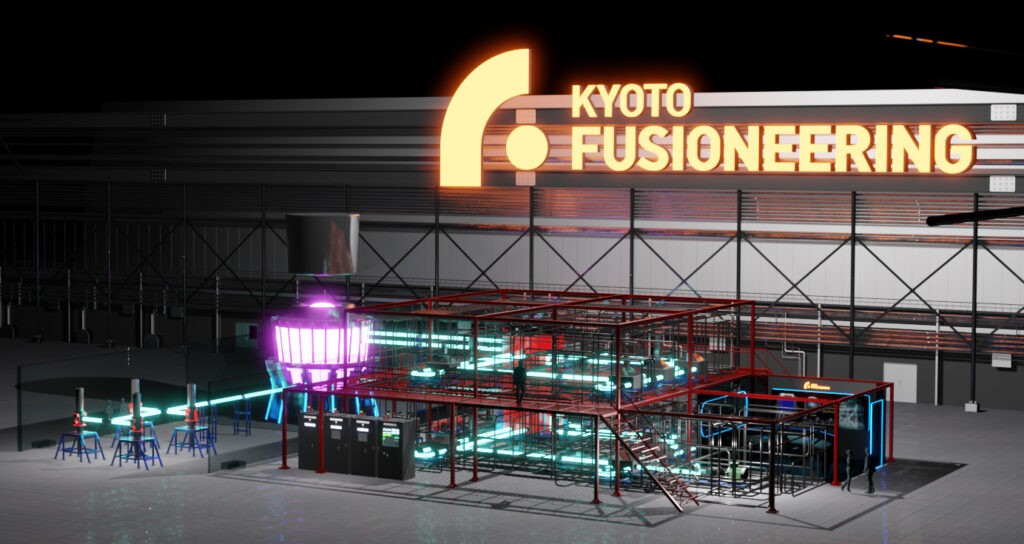
Kyoto Fusioneering to Relocate U.S. Headquarters to Oak Ridge
Kyoto Fusioneering (KF) will relocate its U.S. headquarters to Oak Ridge, Tennessee, investing $46.9 million in Anderson County and creating 51 new jobs. The project will build critical fusion testing infrastructure, with a focus on supporting the development of the fusion nuclear testing facility UNITY-3. UNITY-3 is planned to be built at Oak Ridge National Laboratory (ORNL) through a public-private partnership. The facility has received support from the U.S. Department of Energy (DOE) and has been listed as a national priority in its final "Fusion Science and Technology Roadmap." According to the plan, UNITY-3 will employ a deuterium-tritium (D-T) fusion neutron source to validate tritium breeding capabilities and related performance under conditions approaching a real fusion nuclear environment...
2026-08-11
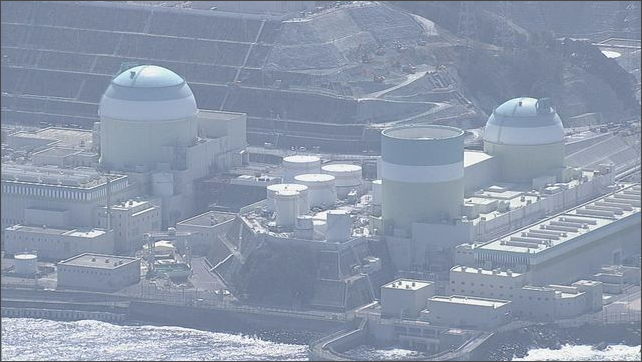
Ikata Nuclear Power Station Reports 5 Notifiable Events in July, None Causing Radiological Environmental Impact
Shikoku Electric Power Co. reported on August 10 that the five events reported to Ehime Prefecture, Ikata Town, and relevant local governments from the Ikata Nuclear Power Station in July 2026 did not fall under legally required reporting events and caused no radiological impact on the environment. The five events were as follows: On July 3, an employee of a partner company at the Ikata Nuclear Power Station experienced physical discomfort at an office location in a non-controlled area and was transported by ambulance at 17:18 that day. The employee was conscious at the time and experienced no radiation exposure or radioactive contamination. On July 16, during the decommissioning process of Unit 2 at the Ikata Nuclear Power Station, seawater leakage was discovered at the flange of the seawater outlet pipe of emergency diesel generator 2B in the reactor auxiliary building. After maintenance personnel determined that a detailed inspection of the flange was required, the leak point was isolated, and the leakage was confirmed to have stopped at 15:38 that day. The maximum estimated volume of leaked seawater was approximately 7 cubic meters, all of which was recovered in the floor drain sump within the building and did not flow outside. Subsequent inspection revealed a through-hole approximately 7 mm in diameter at the flange, and the station replaced the flange and confirmed water flow integrity, restoring normal conditions at 14:05 on July 17. This event did not affect the unit or cause radiological environmental impact, and further investigation into the cause will be conducted.
2026-08-10
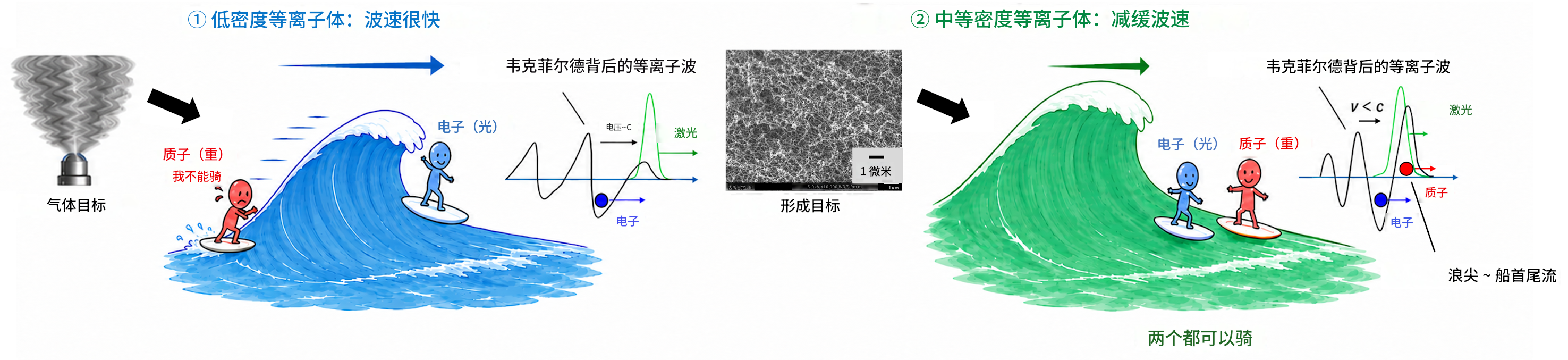
Japanese research team demonstrates ion wakefield acceleration for the first time, accelerating protons to a maximum of 60 MeV
Kyushu University, the National Institutes for Quantum Science and Technology (QST), and Osaka University recently announced jointly that the research team used high-intensity laser irradiation on a foam target to experimentally demonstrate the ion wakefield acceleration mechanism for the first time, providing a new experimental foundation for research on next-generation laser-driven ion accelerators. The results were published in *Communications Physics* on August 3, Japan time. According to the report, the research aims to reproduce physical processes similar to high-energy particle acceleration in space within a laboratory setting. Traditional high-energy accelerators typically require long acceleration tubes or large ring-shaped facilities, while the strong electric fields generated by plasma waves are considered promising for advancing accelerator miniaturization. However, compared with electrons, protons and ions...
2026-08-10
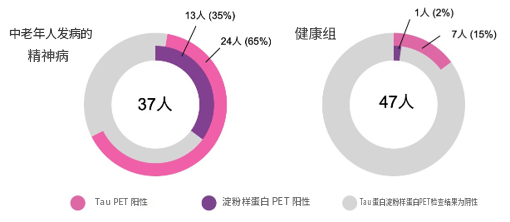
Japanese research team uses PET imaging to find tau protein pathology may be involved in onset of hallucinations and delusions in middle-aged and elderly
A research team comprising the National Institutes for Quantum Science and Technology (QST), Keio University, Kyoto University, Tokyo University of Science, and other institutions recently announced that researchers used PET imaging to observe tau protein pathology in the living brains of middle-aged and elderly psychiatric patients, and believe that such pathology may be related to psychiatric symptoms such as hallucinations and delusions that first appear after age 40. Proportion of positive tau PET and amyloid PET results Middle-aged and elderly psychosis generally refers to diseases in which psychiatric symptoms such as hallucinations and delusions first appear after age 40. Previous epidemiological studies and postmortem brain tissue studies have suggested that such symptoms may be related to neurodegenerative changes associated with dementia, but due to limited techniques for precise visualization and quantification of abnormal proteins in living brains, relevant evidence has long been insufficient.
2026-08-10
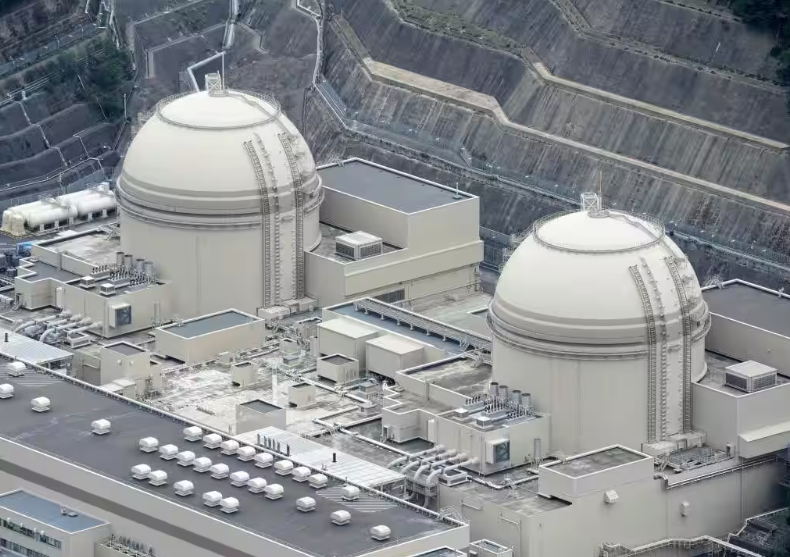
Unit 3 of Japan's Ohi Nuclear Power Plant Automatically Shuts Down
Kansai Electric Power Co. announced in the early hours of the 9th that Unit 3 of the Ohi Nuclear Power Plant, located in Ohi Town, Fukui Prefecture, Japan, automatically shut down during operation. The unit has a generating capacity of 1.18 million kilowatts. According to Kansai Electric Power, at around 23:56 on the 8th, an alarm was triggered at the unit, indicating that the generator had lost the conditions required to produce a magnetic field. Subsequently, the generator automatically stopped operating, and the reactor also automatically shut down. Preliminary information suggests that the anomaly may involve the exciter, a device used to establish the magnetic field for the generator. Kansai Electric Power stated that no radioactive material leakage occurred as a result of this incident, and there was no radiological impact on nearby personnel or the environment. The cause of the malfunction...
2026-08-10