
Search Results
Keyword:Nuclear
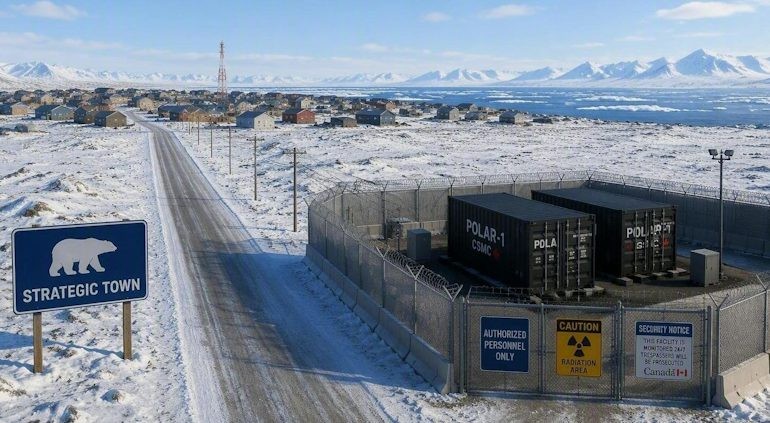
Canada's CSMC Releases Three Advanced Nuclear Reactor Designs
On September 10, 2026, Canadian aerospace and defense company Canadian Strategic Missions Corporation (CSMC) released three advanced nuclear reactor platforms, namely Polar-1, Jay-1, and Orca-1. The company said these three reactors target different application scenarios including remote communities, military operations, space infrastructure, scientific research, testing, and personnel training. CSMC was founded in 2020. The company stated that the three platforms constitute its advanced nuclear technology portfolio, aiming to provide reliable and deployment-flexible nuclear energy solutions in environments where conventional energy solutions struggle to meet demand, with application areas including Arctic communities...
2026-09-13
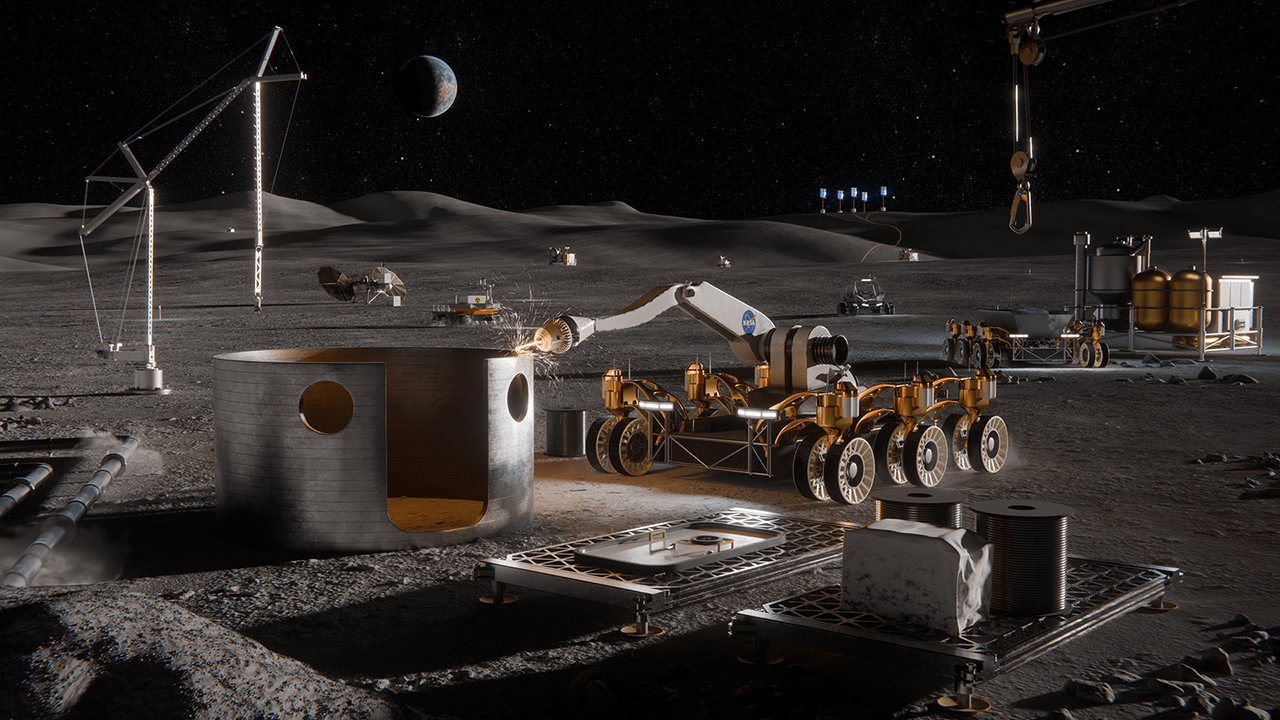
NASA Seeks Proposals for Radioisotope Power and Other Technologies for Lunar Missions
On September 8, 2026, the National Aeronautics and Space Administration (NASA) issued a solicitation seeking proposals for critical technologies and infrastructure for lunar exploration, with near-term focus on supporting the construction of a lunar base in the lunar south pole region. This solicitation is included under Appendix A of the NextSTEP-3 Broad Agency Announcement, the Lunar Enabling Infrastructure Accelerator framework, and covers five technology areas: vertical solar arrays, lunar regolith oxygen extraction, radioisotope power, advanced space manufacturing, and innovative nanomaterial production. NASA stated that these capabilities will be used to address the power generation, resource utilization, materials...
2026-09-13

Hualong One Version 2.0 Independent Innovation Achievements Presented in Beijing
On September 11, the "Road of Independent Innovation for Hualong One" media tour was launched in Beijing, focusing on presenting the independent innovation achievements and technical advantages of Hualong One Version 2.0. According to reports, Hualong One Version 2.0 adopts Chinese standards and has the capability for 100% domestic production of key equipment, with its safety performance indicators ranking in the first tier among large pressurized water reactors globally. Hualong One is a million-kilowatt-class Generation III pressurized water reactor nuclear power technology developed on the basis of China's more than 40 years of experience in nuclear power research and development, design, manufacturing, construction, and operation, and possesses fully independent intellectual property rights. Hualong One Version 2.0, building on the summary of engineering construction and operational experience of Hualong One, has been launched through independent innovation and overall coordination...
2026-09-12

UK Nuclear Industry Association and Ukrainian Nuclear Forum Sign Nuclear Energy Cooperation Memorandum
On September 10, 2026, the UK Nuclear Industry Association (NIA) and the Ukrainian Nuclear Forum signed a memorandum of understanding to expand cooperation in areas including decommissioning of complex nuclear facilities, deployment of small modular reactors, and securing "trusted partner" status under the EU's Industrial Accelerator Act (IAA). Nuclear energy is an important source of Ukraine's wartime electricity supply, accounting for approximately 55% of the country's electricity supply. This cooperation builds on existing UK-Ukraine nuclear fuel cooperation. Urenco, one-third owned by the UK government, has supplied Ukraine with...
2026-09-12

Lower Saxony, Germany Plans to Build Europe's First Large-Scale Fusion-Grade High-Temperature Superconducting Tape Plant
Proxima Fusion and the Lower Saxony state government of Germany signed a memorandum of understanding in Hanover on September 9, planning to build Europe's first large-scale fusion-grade high-temperature superconducting tape production facility in the state, laying the foundation for large-scale industrial production of high-temperature superconducting (HTS) tape. According to the plan, the first two phases of the project involve an investment of approximately 140 million euros, with public funds and private capital each covering about half. Of this, Lower Saxony plans to contribute 21 million euros, accounting for nearly 30% of the public funding portion. The first two phases of construction are expected to be completed by the end of 2029. High-temperature superconducting tape is a type of metal tape that exhibits superconducting properties at relatively higher temperatures. In the superconducting state, it can transmit current with nearly zero resistive loss and is used to manufacture high-power, compact electromagnets. For stellarator fusion devices, magnets made from high-temperature superconducting tape can generate the magnetic fields needed to confine and control high-temperature plasma, making them an important foundational material for achieving compact fusion devices and future fusion power plants.
2026-09-12
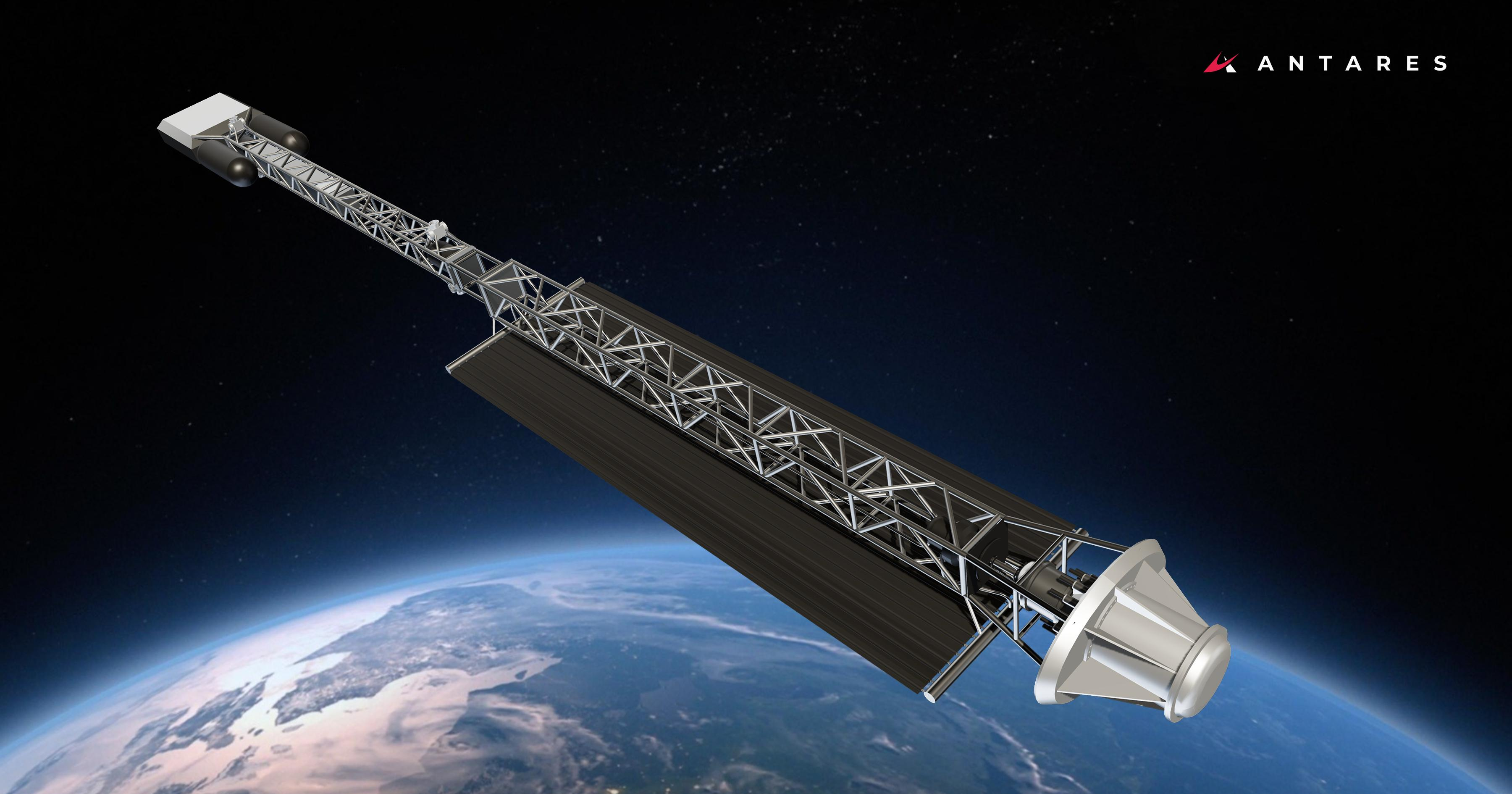
Antares Wins U.S. Air Force Space Nuclear Energy Technology Contract
Antares recently announced that it has received a Strategic Breakthrough Award from the Office of the Assistant Secretary of the Air Force for Space Acquisition and Integration to advance space nuclear energy technology development. The company said this is currently the largest contract awarded by the U.S. War Department in the field of space nuclear energy. Antares CEO and co-founder Jordan Bramble said that space applications have been a core focus since the company's founding, and that cooperation with the Space Force has turned related concepts into formal space missions. He said nuclear fission technology is expected to provide space missions with strategic capabilities that are currently difficult to achieve. Under the project arrangement, Antares will carry out a ground nuclear power demonstration of the R1-S reactor...
2026-09-13

Thailand Advances SMR Regulatory and Public Engagement Preparations, Plans to Commission First Unit by 2037
From September 9 to 11, 2026, the U.S. Department of State held the FIRST and Thailand Stakeholder Engagement Workshop in Bangkok. The workshop was co-hosted by the Thailand Institute of Nuclear Technology (TINT) and the Electricity Generating Authority of Thailand (EGAT), aiming to support Thailand's preliminary preparations for small modular reactors (SMRs), with a focus on transparent communication, public trust, and stakeholder engagement. The FIRST program, whose full name is Foundational Infrastructure for the Responsible Use of Small Modular Reactor Technology, was initiated by the U.S. Department of State and mainly supports relevant countries in...
2026-09-12

Brookhaven National Laboratory Develops Integrated X-ray Imaging Tool for Nuclear Materials Research
A research team at the U.S. Department of Energy's Brookhaven National Laboratory has recently developed and built a new experimental apparatus that integrates four X-ray computed tomography techniques into a single instrument, enabling multiscale, comprehensive studies of next-generation nuclear reactor materials. The related technical achievements and capability demonstration have been published in the Journal of Synchrotron Radiation. The apparatus is located at the X-ray Powder Diffraction (XPD) beamline of the National Synchrotron Light Source II (NSLS-II) and was commissioned jointly by the U.S. Department of Energy Office of Nuclear Energy's Nuclear Science User Facilities program, Brookhaven National Laboratory's Nuclear Science and Security Department, and NSLS-II. Researchers said that next...
2026-09-12
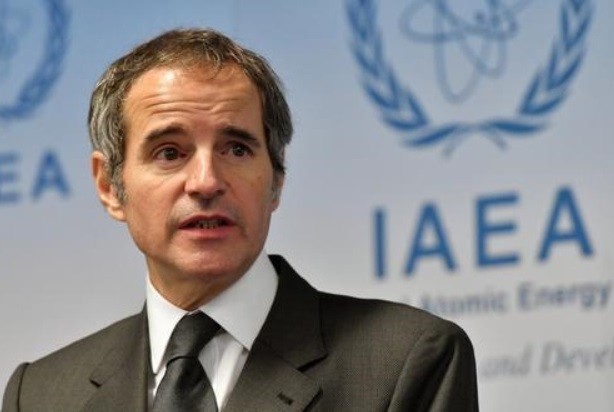
Rosatom Director General to hold talks with Grossi during IAEA General Conference
On September 11, Alexey Likhachev, Director General of the State Atomic Energy Corporation Rosatom (Rosatom), said that he plans to hold talks with Rafael Grossi, Director General of the International Atomic Energy Agency, during the IAEA General Conference. Likhachev said that the 70th IAEA General Conference will open in Vienna on Monday, and it is one of the important annual events in the international nuclear field. During the meeting, the Russian side plans to meet with Grossi and hopes to reach agreement on Grossi's visit to the Zaporizhzhia Nuclear Power Plant. Likhachev also said that the next rotation of IAEA experts stationed at the Zaporizhzhia Nuclear Power Plant is expected to take place...
2026-09-13

Egypt's El Dabaa Nuclear Power Plant May Add More Units, Russian and Egyptian Presidents Discuss Expansion Possibility
On September 11, Alexey Likhachev, CEO of the State Atomic Energy Corporation Rosatom (Rosatom), said that Russian President Vladimir Putin and Egyptian President Abdel Fattah el-Sisi discussed the possibility of adding generating units at Egypt's El Dabaa Nuclear Power Plant. Likhachev said the two sides discussed next steps for the project, including reserving nuclear fuel for next year and first advancing operations related to the technical startup of Unit 1. He stated that the El Dabaa nuclear power plant site can accommodate not only the 4 reactors currently under construction, but broadly speaking can also accommodate a comparable number of reactors, which was also a key focus of this discussion...
2026-09-12
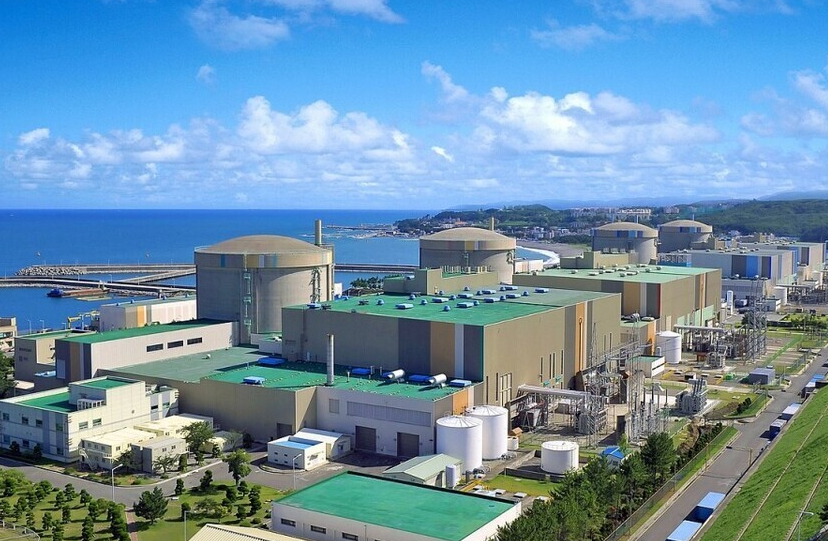
South Korea Conducts First Joint Radiation Emergency Exercise Involving Two Nuclear Power Plants Simultaneously
The Nuclear Safety and Security Commission (NSSC) of South Korea announced on September 10 that South Korea held the 2026 National Joint Radiation Disaster Prevention Exercise, simulating a radioactive material release accident at the Wolsong Nuclear Power Plant in Gyeongju, North Gyeongsang Province, and the simultaneous entry into a radiation emergency state at the Hanul Nuclear Power Plant in Uljin County, North Gyeongsang Province. Approximately 2,000 people participated in the exercise, including relevant South Korean central government departments, local governments, specialized agencies, relevant operating organizations, local organizations, and nearby residents. This exercise set up a compound disaster scenario of simultaneous radiation emergencies at multiple nuclear power plants for the first time. The exercise assumed that...
2026-09-12
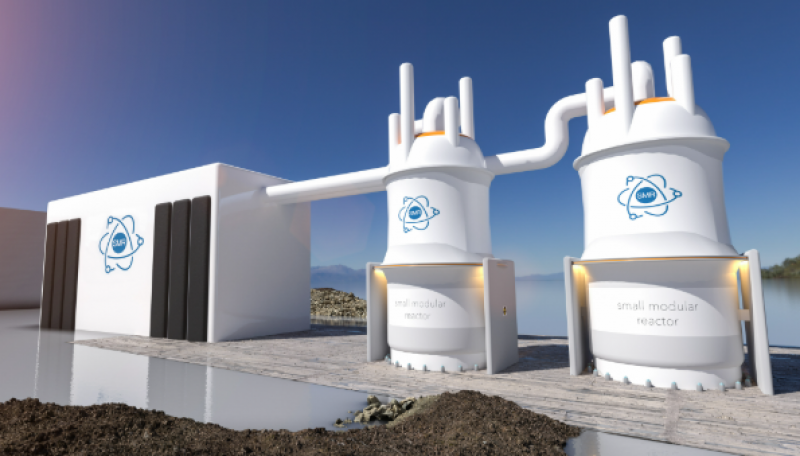
South Korea's SMR Special Act Takes Effect, Aiming to Commercialize Light Water SMRs by 2035
On September 11, 2026, the South Korean Ministry of Science and ICT (MSIT) announced that the Special Act on the Promotion of and Support for the Development of Small Modular Reactors, along with its enforcement decree, which aims to promote the research and development, demonstration, and commercialization of small modular reactors (SMRs), took effect on that day. Against the backdrop of growing electricity demand driven by the rapid spread of artificial intelligence and data centers, the South Korean government plans to increase support for the SMR sector through measures such as seven SEED projects. Under the Special Act and its enforcement decree, MSIT will formulate a basic plan for small modular reactor system development every five years, and prepare annual implementation...
2026-09-12

South Korea to Reconsider Accident Management Plans for Four Units at Gori and Hanbit
On September 11, 2026, the Nuclear Safety and Security Commission of South Korea held its 14th meeting of 2026 to review the accident management plans and operating change license applications submitted by Korea Hydro & Nuclear Power (KHNP) for Gori Nuclear Power Plant Units 3 and 4 and Hanbit Nuclear Power Plant Units 1 and 2. The meeting failed to reach a final conclusion and decided to refer the relevant agenda items to the next meeting for continued deliberation. The accident management plan mainly includes the scope of nuclear power plant accident management, management facilities, management strategies, and training programs. For nuclear power units with long operating lives, approval of this plan is generally regarded as an important prerequisite for subsequent discussions on continued operation licenses....
2026-09-12
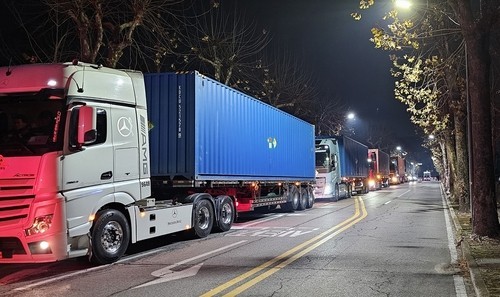
Daejeon, South Korea Ranks Second Nationwide in Low- and Intermediate-Level Radioactive Waste Storage, Spent Fuel Transfer Plan Still Not Implemented
According to data released on September 12 by South Korea's Integrated Radioactive Waste Safety Management Information System, two nuclear-related facilities in Daejeon——the Korea Atomic Energy Research Institute and Korea Hydro & Nuclear Power's Nuclear Fuel Company——currently store a total of 29,587 drums of low- and intermediate-level radioactive waste, with each drum having a capacity of 200 liters. This storage volume ranks second in South Korea, surpassed only by the Gori Nuclear Power Plant's 40,087 drums. Transportation of low- and intermediate-level radioactive waste Daejeon provides The low- and intermediate-level radioactive waste stored by the Korea Atomic Energy Research Institute mainly comes from the operation of the Hanaro research reactor, as well as waste generated during the decommissioning of an experimental reactor in Seoul in the mid-2000s. Nuclear-related facilities in Daejeon...
2026-09-13
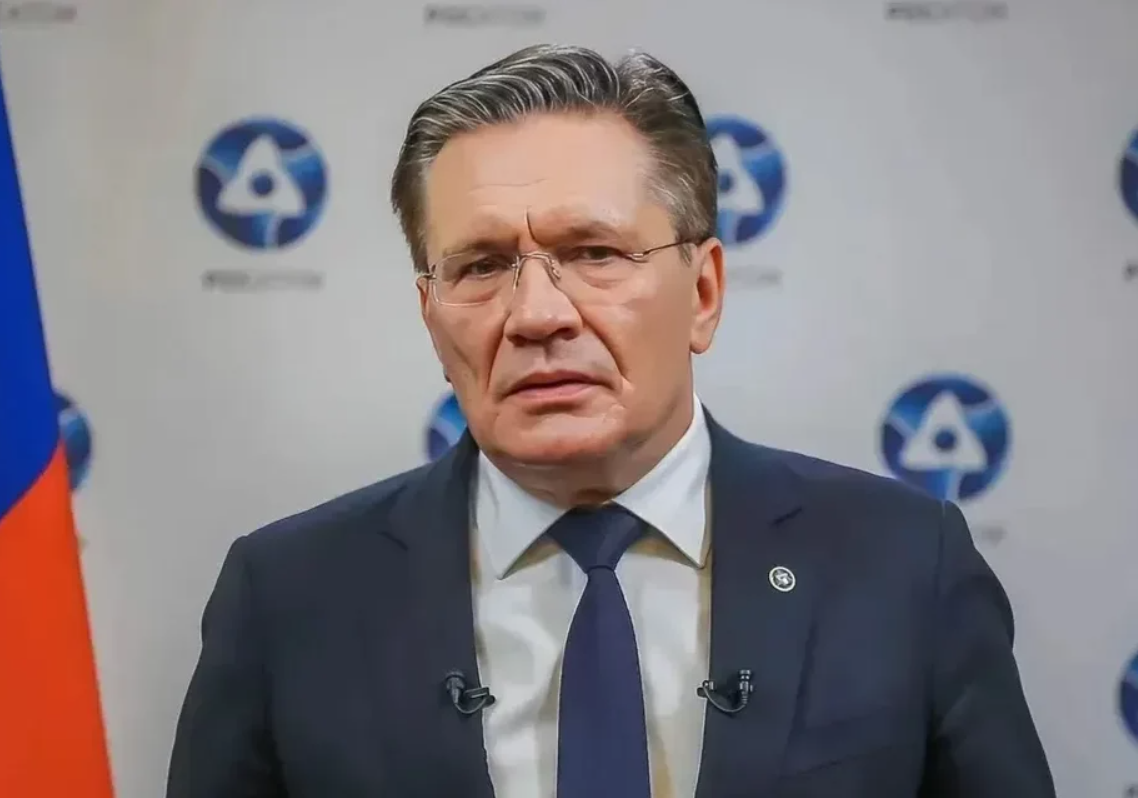
Russia and India Plan to Sign Nuclear Energy Cooperation Documents
Alexey Likhachev, Director General of the State Atomic Energy Corporation Rosatom (Rosatom), stated that Russia and India are preparing to sign a series of bilateral cooperation documents in the field of nuclear energy. The preparation of the relevant documents has reached a relatively high level of maturity and is ready for direct signing. Likhachev said that the documents to be signed involve multiple areas of cooperation, including fourth-generation nuclear energy technology using fast neutron reactors. Such cooperation will be carried out around the direction of advanced nuclear energy technology....
2026-09-12