
Search Results
Keyword:Nuclear

Institute of Nuclear Technology at Samarkand State University Introduces Radiation Monitoring Training Equipment
On August 24–25, 2026, experts from Doza Scientific Production Enterprise (NPP Doza) visited the Institute of Nuclear Technology at Samarkand State University named after Sharof Rashidov (SamSU) and completed the installation and commissioning of a demonstration model of the Fregat radiation monitoring system. The equipment has been integrated into the institute's teaching and research infrastructure and will be used for laboratory courses, student practical training, and related research work. Through this demonstration model, students and young professionals can gain exposure to modern technological solutions in the field of radiation monitoring, enhancing their understanding of the operation and application scenarios of relevant equipment. This installation...
2026-09-02

Russia's Smolensk NPP begins loading improved nuclear fuel
On September 1, 2026, local time, Unit 1 of Russia's Smolensk Nuclear Power Plant began gradually loading improved nuclear fuel. The fuel assemblies feature adjusted uranium-235 enrichment and erbium oxide content, as part of the RBMK-1000 reactor modernization program aimed at enhancing unit operational safety and efficiency. The Smolensk NPP is part of the electric power division of Rosatom and is operated by Rosenergoatom. The fuel assemblies loaded into the core this time use lower uranium-235 enrichment and lower erbium oxide content. According to relevant calculations, the new fuel can compensate for changes in core neutronics parameters following graphite stack repair...
2026-09-02

U.S. Plans to Build Second Uranium Conversion Plant
Raven-Flint Nuclear Corporation announced on August 31 that it has been selected for the Nuclear Energy Startup Platform project advanced by the U.S. Department of Energy (DOE) National Reactor Innovation Center (NRIC) at Idaho National Laboratory (INL), and plans to build a pilot uranium conversion facility named "Torch" at INL. The company stated that the Torch facility aims to become the second uranium conversion plant in the United States, with a designed annual processing capacity of 500 metric tons of uranium, capable of converting uranium into uranium hexafluoride (UF6). According to the company, this scale can meet the fuel demand of two large nuclear reactors. Upon project completion, it is intended to serve the U.S. Department of Energy and its affiliated agencies, and may provide domestically produced uranium hexafluoride for specific needs.
2026-09-02

New Hampshire Advances Nuclear Power and Small Modular Reactor Roadmap
The U.S. state of New Hampshire is making the expansion of nuclear power a priority in its next phase of electricity policy. The state government is developing an advanced nuclear energy roadmap, expected to cover the utilization of existing nuclear resources, construction of advanced nuclear plants, and potential deployment scenarios for small modular reactors (SMRs), with a preliminary plan slated for release in September. Governor Kelly Ayotte has directed the state's energy department to advance the roadmap's development. The state is currently soliciting input from utilities, consumer representatives, and energy industry stakeholders to assess nuclear power's role in addressing rising electricity demand and high electricity prices. New England...
2026-09-02

Changwon National University and Doosan Enerbility Conduct On-Site Training on Nuclear Power Main Equipment Design
The AI-based Next-Generation Nuclear Power Equipment and Components Manufacturing Innovation Research Center (AI-NMIC) at Changwon National University, together with the Regional Innovation Alliance Center for Medium-Sized Enterprises, recently completed on-site training on nuclear power main equipment design. The training was held for students participating in related projects at Doosan Enerbility's site. According to Changwon National University on August 31, the training lasted five days, totaling 30 hours, and was designed to help students acquire professional knowledge related to the design and manufacturing of key nuclear power equipment, as well as to understand the design, manufacturing processes, and practical application scenarios of nuclear power equipment through on-site corporate instruction. The tra...
2026-09-02
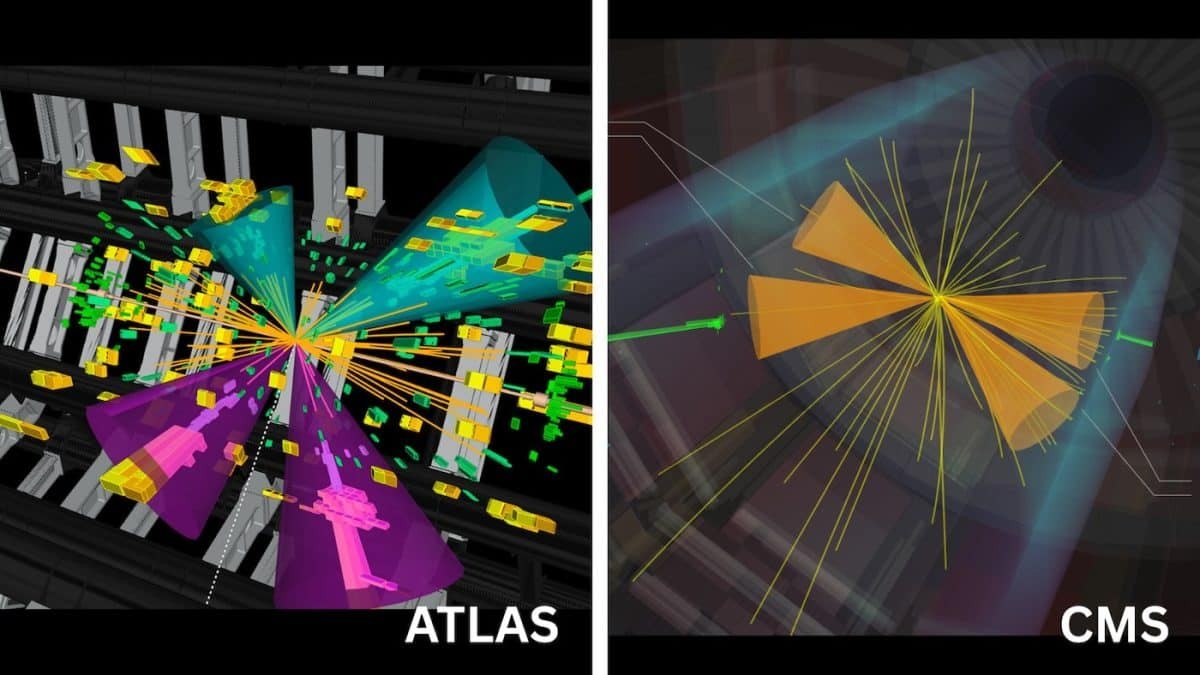
CERN Finds Statistical Hints of Higgs Boson Pair Production
Physics teams at CERN have recently found statistical hints of Higgs boson pair production in data analysis from the Large Hadron Collider. Researchers analyzed millions of collision results over eight years at the collider, with the findings presented at the ICHEP conference and published as two preprints. The figure shows schematic diagrams of events involving the production of two Higgs bosons as observed by ATLAS (left) and CMS (right) CERN The Higgs boson was discovered in 2012, and since then physicists have continuously measured its interactions with other elementary particles to test the Standard Model's explanation of the origin of mass. However, the self-interaction of the Higgs boson has not yet been directly observed.
2026-09-02

U.S. Proposes Clearer Groundwater Protection Standards for In-Situ Uranium Recovery Sites
The U.S. Nuclear Regulatory Commission (NRC) on September 1 proposed a rule aimed at establishing clearer groundwater protection standards for communities surrounding in-situ uranium recovery sites, while streamlining the process for extending decommissioning deadlines for radioactive materials facilities and nuclear reactors, reducing redundant administrative steps without compromising safety. The rule addresses two aspects under NRC oversight. First, it proposes risk-informed regulatory standards for protecting drinking water near in-situ uranium recovery facilities, designed to guard against both radiological and non-radiological contamination. In-situ uranium recovery is a method of uranium extraction that involves injecting solution into uranium-bearing ore bodies to dissolve underground uranium resources and pump them to the surface for recovery. Second, it proposes to simplify the process for facility owners to apply for extensions of decommissioning deadlines. The NRC stated that current time requirements are relatively rigid and may lead to premature license termination; the proposed changes aim to reduce applicant costs, improve regulatory efficiency, and provide clearer expectations for communities and facility operators.
2026-09-02
Declaration of the Council of Heads of State of the Shanghai Cooperation Organization Member States on Strengthening Multilateral Partnership for Nuclear Safety and Nuclear Security
The Member States of the Shanghai Cooperation Organization (hereinafter referred to as the SCO), bound by historical ties, centuries-old traditions of good-neighborliness and mutual respect, declare their commitment to the SCO Charter, the Charter of the United Nations and universally recognized principles and norms of international law, including respect for sovereignty, territorial integrity and non-interference in internal affairs, guided by the Shanghai Spirit of mutual trust, mutual benefit, equality, consultation, respect for diverse civilizations and pursuit of common development, affirming that responsibility for nuclear security rests entirely with the State, noting that responsibility for nuclear safety rests with the operating organizations of nuclear facilities and the States in which nuclear facilities are located, attaching great importance to nuclear safety and nuclear security issues, which are important elements of international security directly affecting the lives of the peoples of the SCO Member States, and expressing deep concern over illicit trafficking of nuclear materials and...
2026-09-02
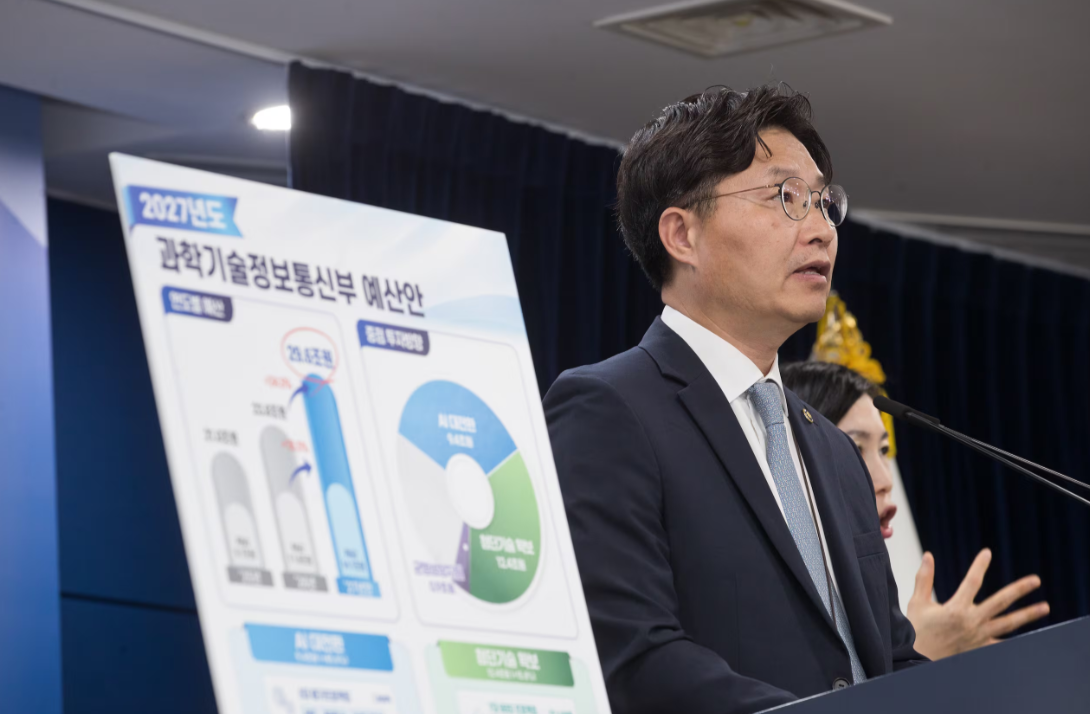
South Korea Plans to Increase R&D Investment in Nuclear Fusion and Small Modular Reactors
South Korea's Ministry of Science and ICT (MSIT) stated on September 1 that in the 2027 government budget proposal approved at a Cabinet meeting, the ministry's budget amounts to 29.6476 trillion Korean won, an increase of 24.5% compared to this year's supplementary budget. Of this, the R&D budget is planned to increase from 11.9 trillion won this year to 14.1 trillion won, accounting for 36% of the South Korean government's total R&D budget. In the science and technology sector, MSIT plans to invest 12.377 trillion won in R&D related to next-generation artificial intelligence and advanced technologies. In explaining the budget proposal, the ministry's First Vice Minister stated that in response to the growing electricity demand driven by AI development, South Korea will accelerate the development of future clean energy sources such as small modular reactors (SMRs) and nuclear fusion...
2026-09-02
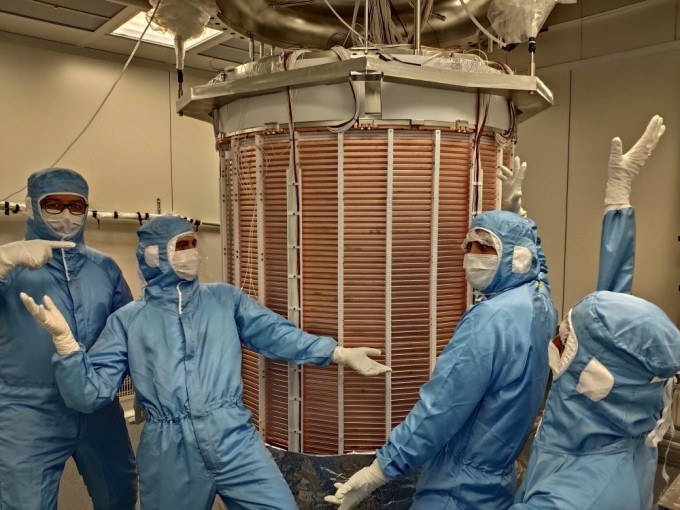
XENONnT Dark Matter Detector Captures Faintest Solar Neutrino Signal Ever Observed
September 1 news - The XENONnT dark matter detection experiment at the Gran Sasso National Laboratory in Italy has achieved new progress. The XENON collaboration research team announced that the detector has captured low-energy solar neutrino collision signals never observed before, lowering the neutrino detection energy threshold to approximately 17 kiloelectron-volts (keV). The research team's analysis indicates that the probability of the signal being merely a statistical fluctuation is less than one in a million. Neutrinos are elementary particles with no electric charge and extremely small mass, which can be produced in processes such as nuclear fusion reactions in the solar core, supernova explosions, and nuclear fission in reactors. Due to the extremely weak interaction between neutrinos and matter, vast numbers of neutrinos can pass through the Earth, which also makes detection...
2026-09-02
Prostate cancer becomes most common cancer among men in South Korea, Lu-177 PSMA therapy reaches cumulative 200 procedures
Prostate cancer incidence in South Korea has continued to rise, making it the most common cancer among men in the country. Meanwhile, a novel nuclear medicine treatment for metastatic prostate cancer—Lutetium-177 (Lu-177) prostate-specific membrane antigen (PSMA) radioligand therapy—is accumulating more clinical cases. Seoul St. Mary's Hospital Uro-Oncology Center stated on September 1 that since performing South Korea's first Lu-177 PSMA treatment on November 2, 2020, the center had administered a cumulative total of 200 such treatments to 84 patients with metastatic prostate cancer as of the 21st of last month. Metastatic castration-resistant prostate cancer refers to a state in which prostate cancer continues to progress despite androgen suppression therapy. As the disease advances, patients have fewer treatment options and a worse prognosis, making it essential to select appropriate treatment modalities and sequencing based on prior treatment history and physical condition.
2026-09-02
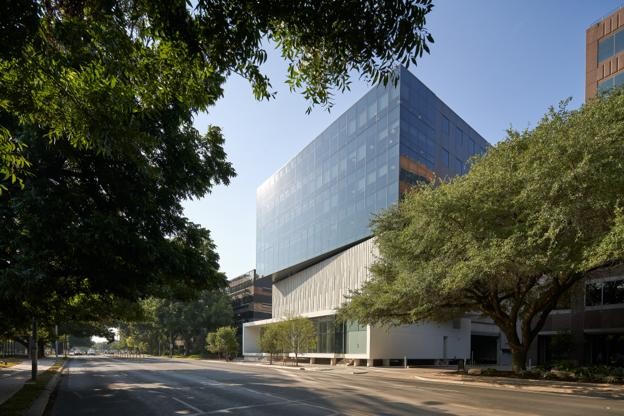
Busan, South Korea Secures 2027 Budget Support; Export-Oriented Research Reactor and Other Projects Included in Government Proposal
Busan Metropolitan City recently announced that multiple national projects aligned with its core development goals have been included in the South Korean government's 2027 budget proposal, including the Gadeok Island New Airport, a new export-oriented research reactor, a heavy ion accelerator, as well as industrial projects such as port artificial intelligence, naval vessel maintenance, repair and overhaul, and power semiconductors. Under the budget arrangement, the Gadeok Island New Airport construction project has secured 431.1 billion KRW in support. To enhance maritime and logistics competitiveness, the budget proposal also includes 7.35 billion KRW for a demonstration project on autonomous port cargo handling equipment, 36.4 billion KRW to support shipbuilding and shipping cooperation, 5 billion KRW to strengthen the global competitiveness of small and medium-sized shipbuilders in naval vessel maintenance, repair and overhaul, and an additional 24.9 billion KRW allocated for the development of a fishery products industrial cluster.
2026-09-02
Iran Still Denies IAEA Inspectors Access to Some Nuclear Facilities
A recent report shows that Iran has still not allowed International Atomic Energy Agency (IAEA) inspectors to access some of its nuclear facilities, including sites in Isfahan, Natanz, and Fordow that were previously damaged in airstrikes. The report states that the IAEA had previously detected over 440 kilograms of highly enriched uranium and nearly 8,600 kilograms of low-enriched uranium at these locations. Due to the current lack of sufficient information on the status and whereabouts of the relevant nuclear materials, IAEA Director General Rafael Grossi has expressed concerns over nuclear non-proliferation risks and called on Tehran to allow inspectors to access the facilities for verification as soon as possible. The report also mentions that inspectors...
2026-09-02
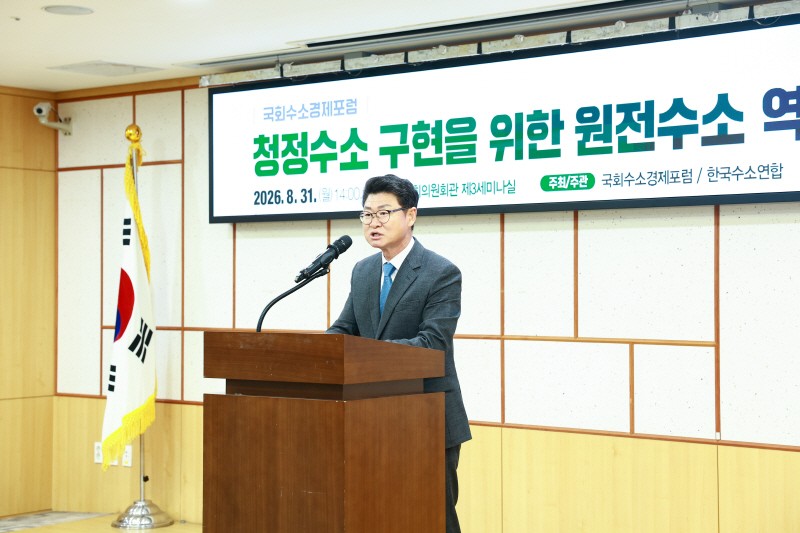
South Korea's Uljin Pushes Forward with Nuclear Hydrogen Industrial Complex Development
Uljin County in North Gyeongsang Province, South Korea, is seeking support from the National Assembly and the government to promote the construction of the Uljin Nuclear Hydrogen National Industrial Complex, with the goal of establishing the region as a clean hydrogen production hub through supporting policies such as stable power supply and hydrogen pipeline networks. On August 31, Uljin County Governor Hwang Ui-jo attended a nuclear hydrogen policy seminar held at the National Assembly Members' Office Building to present the progress of the Uljin Nuclear Hydrogen National Industrial Complex and the policy tasks required for developing the nuclear hydrogen industry. The seminar was hosted by the National Assembly Hydrogen Economy Forum, with participants from the National Assembly, government, local governments, industry, academia, and...
2026-09-02
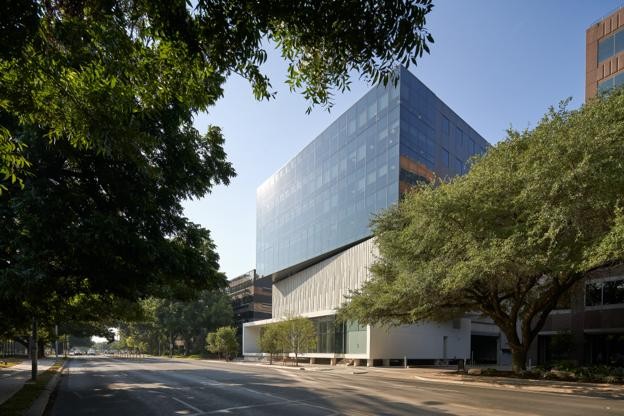
Blykalla Establishes Advanced Nuclear Reactor Technology Center in Austin
Advanced nuclear technology company Blykalla announced it will establish a new technology center in Austin, Texas, to expand its engineering and reactor R&D operations in the United States. Located at 801 Barton Springs Road in Austin, the center will house engineering and reactor development teams to strengthen the company's local operations and advance collaboration with its U.S. partners, regulators, and stakeholders in the clean energy industry. Blykalla stated that the Austin technology center will serve as its U.S. hub for engineering and advanced nuclear reactor R&D. The company currently operates two complementary business centers in the U.S.—Austin and New York: Austin focuses on technology R&D and engineering...
2026-09-02