
Search Results
Keyword:Nuclear Power
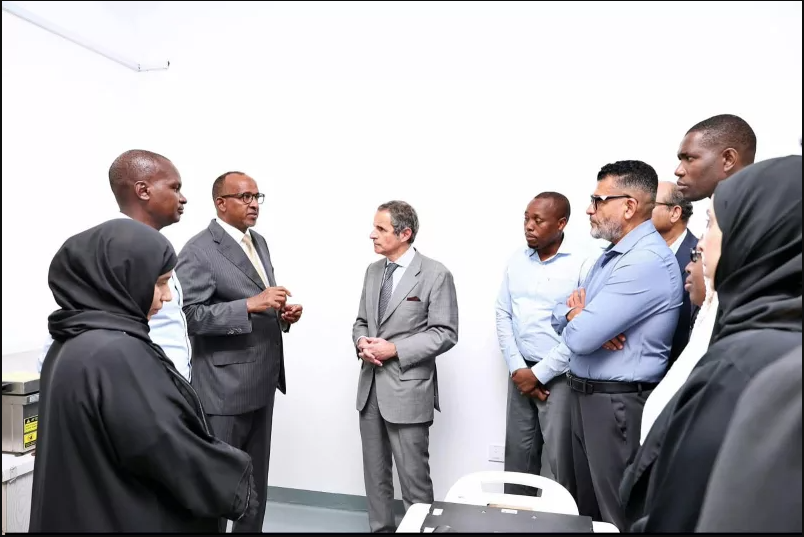
Kenya seeks IAEA review support to advance nuclear power project by 2034
Kenya is seeking a new round of review and expanded technical support from the International Atomic Energy Agency (IAEA) to advance its long-planned nuclear power program toward construction readiness by 2034. According to relevant meeting briefings, Kenya hopes the IAEA will conduct a Phase 2 Integrated Nuclear Infrastructure Review (INIR) mission in the fourth quarter of 2026, along with support in training nuclear engineers and nuclear scientists. Kenya also plans to leverage the IAEA's 70th General Conference, to be held in Vienna from September 14 to 18, to secure advisory services, skills training, and technical assistance for advancing its nuclear power project and nuclear research reactor construction. Kenya is expected to send a high-level delegation of approximately 30 people...
2026-09-07
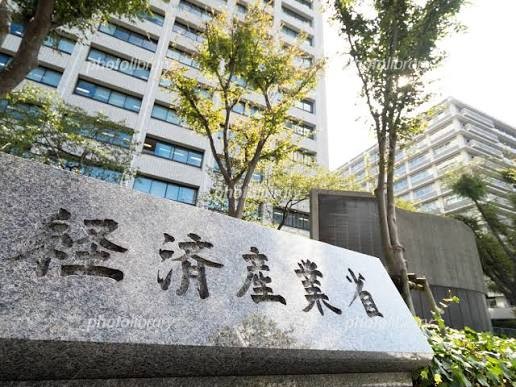
Japan Selects Four Companies for Fusion Power Program
Japan's Ministry of Economy, Trade and Industry (METI) has conditionally selected EX-Fusion, Helical Fusion, Linea Innovation, and Starlight Engine to participate in a fusion program targeting reactor operation in the 2030s. The program will provide approximately $370 million, equivalent to around €318 million, in subsidies to selected projects by the end of February 2029. Specific funding allocations are still subject to formal grant decisions. The support corresponds to commitments in Japan's 2023 fusion strategy, which sets out the goal of achieving fusion power in the 2030s...
2026-09-07
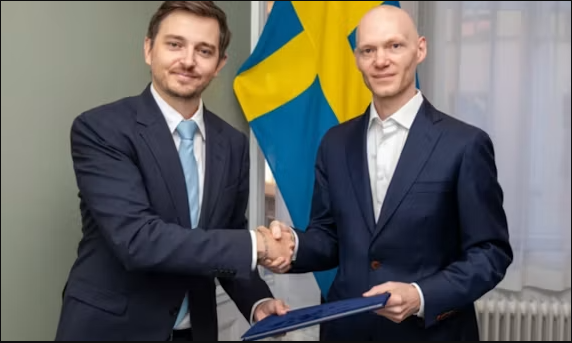
Sweden receives sixth state aid application for new nuclear power
The Swedish government has recently received its sixth state aid application for the construction of new nuclear reactors. Swedish Minister for Financial Markets Niklas Wykman stated that Nordic energy company Fortum's establishment of a project company in Sweden to advance new nuclear reactor plans demonstrates that Sweden's current state aid model has been carefully designed to accommodate project development needs. The application was submitted by NuCore Energi, a newly established project company under Fortum, with the project site located at Ävrö near the Oskarshamn nuclear power plant. Wykman has previously expressed repeated support for expanding nuclear energy in Sweden, believing that new nuclear power is of significant importance for long-term economic stability, industrial competitiveness, and climate goals.
2026-09-07
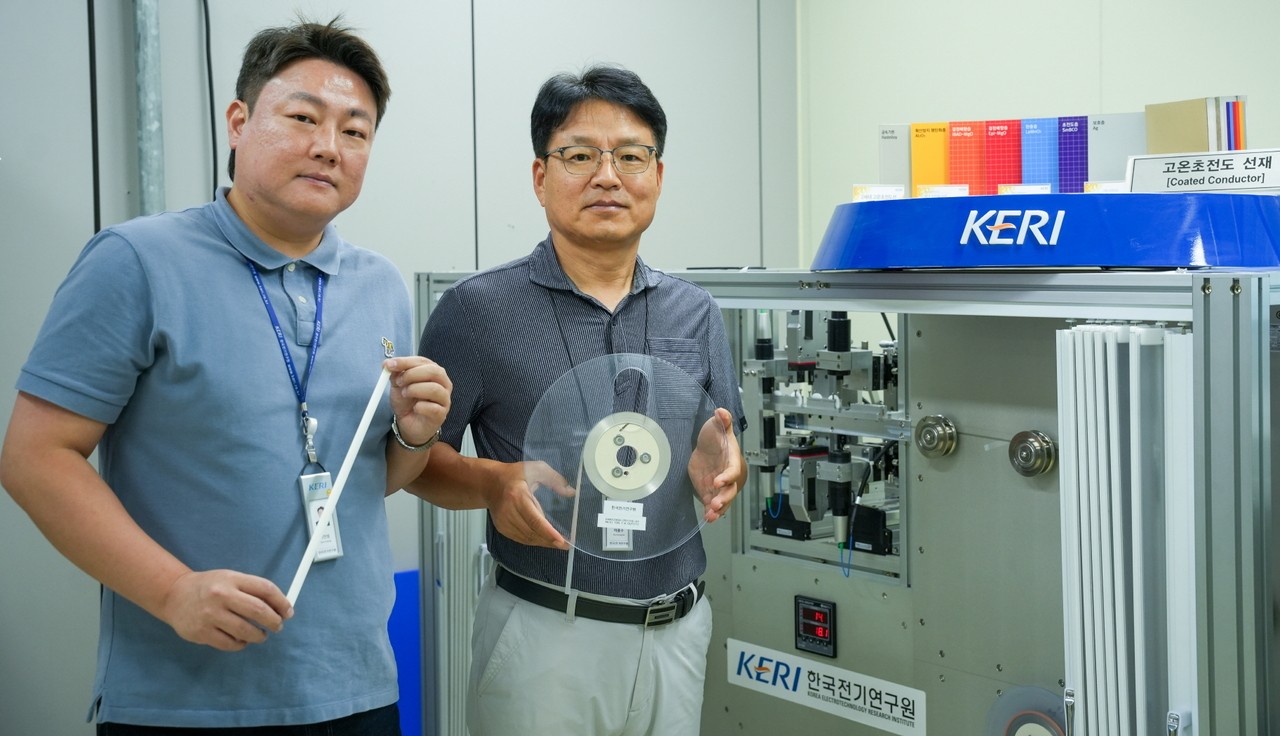
South Korea Develops 3D Non-Contact Inspection System for High-Temperature Superconducting Wire
The Korea Electrotechnology Research Institute (KERI) recently announced that a research team led by Ha Hong-su and Park In-sung at its Low-Temperature Device Research Center has developed a three-dimensional non-contact ultra-precision inspection system capable of continuously measuring the thickness and width of high-temperature superconducting (HTS) wire. The institute stated that this is the world's first such inspection system for HTS wire. KERI researchers Ha Hong-su and Park In-sung pose with a high-temperature superconducting wire beside the 3D non-contact ultra-precision inspection system. [Korea Electrotechnology Research Institute] HTS wire exhibits near-zero electrical resistance below a specific temperature, enabling high-current, low-loss transmission,...
2026-09-07
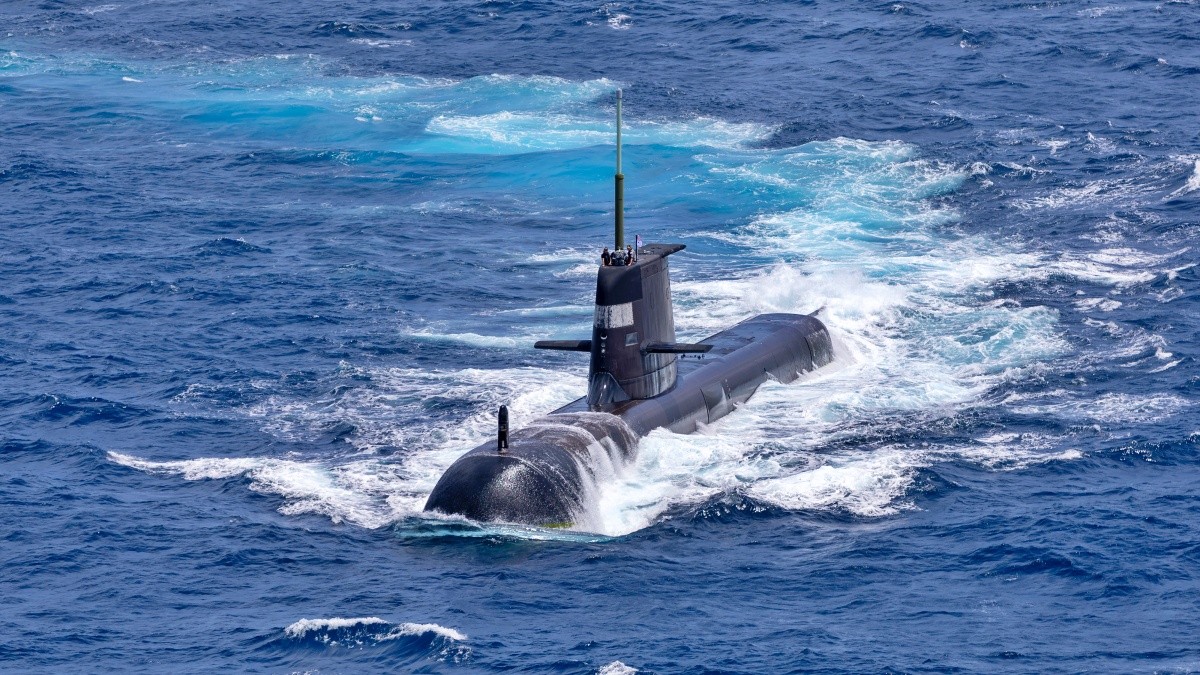
Russian designers propose hybrid powerplant concept for small nuclear submarine
Nikolai Kirillov, a designer from St. Petersburg, Russia, has proposed a powerplant concept for a small nuclear submarine, envisioning a combination of a diesel engine, a small nuclear reactor, and an electric motor to provide the submarine with three operating modes: diesel surface cruising, electric submerged navigation, and sustained nuclear power generation. Under this concept, the submarine is powered by the diesel engine while surface cruising. The diesel engine drives a fixed-pitch propeller through a gearbox and a dedicated propeller shaft, allowing the diesel to operate as close to its rated conditions as possible to reduce equipment wear. In submerged conditions, the diesel engine is shut down, and propulsion is provided by a separate electric motor. This motor is paired with a controllable-pitch propeller and draws power from a battery bank.
2026-09-07
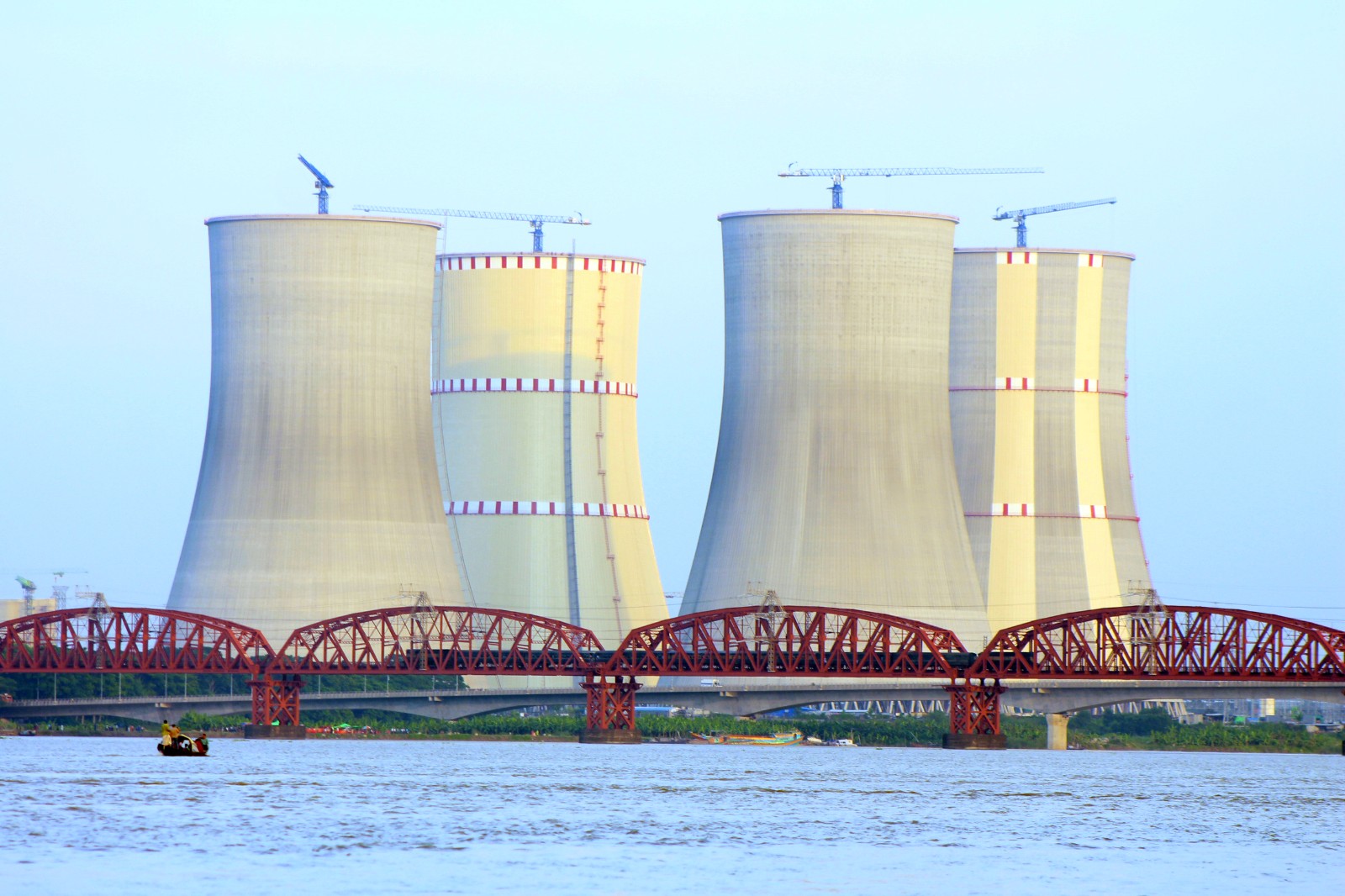
Grid Connection of Unit 1 at Bangladesh's Rooppur Nuclear Power Plant Delayed Again
The grid connection of Unit 1 at Bangladesh's Rooppur Nuclear Power Plant has been delayed once again. Fakir Mahbub Anam, Bangladesh's Minister of Science and Technology, stated that two critical safety valves of the unit exposed technical faults during testing, and the next phase of testing cannot be initiated for the time being. A specific timeline for troubleshooting and grid connection of the unit has yet to be determined. Located in the Pabna region of Bangladesh, the Rooppur Nuclear Power Plant is being constructed with financing and technical support from Russia, with plans for two VVER-1200 units totaling approximately 2,400 megawatts of installed capacity. On April 28 this year, the unit commenced fuel loading preparation and testing work, when the project...
2026-09-07

Türkiye continues negotiations with multiple countries on new nuclear power plants
Turkish Minister of Energy and Natural Resources Alparslan Bayraktar stated that Türkiye's negotiations on new nuclear power plants have not yet been completed, and the country remains in contact with Russia, China, Canada, South Korea, and others, with no agreements signed for the relevant projects. Bayraktar said Russia is interested in participating in the Sinop and Thrace nuclear power plant projects and hopes to leverage the experience and human resources accumulated in the Akkuyu nuclear power plant project. In addition to Russia, Türkiye is also in negotiations with Canada, China, and South Korea on other nuclear power projects. He stated that beyond the Akkuyu plant, Türkiye plans to build eight more reactors...
2026-09-07
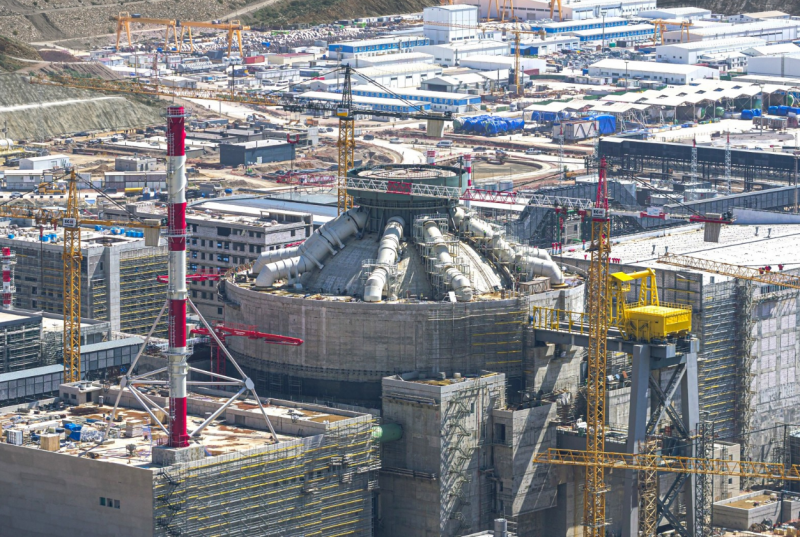
Turkey's Akkuyu Nuclear Power Plant Unit 1 to Generate Electricity by End of 2026
Turkish Energy Minister Alparslan Bayraktar stated that Unit 1 of the Akkuyu Nuclear Power Plant has entered the testing phase, with Turkey aiming to complete commissioning and begin electricity generation by the end of 2026. Bayraktar said construction of the remaining units at the Akkuyu Nuclear Power Plant is still progressing, and the project team also plans to build a data center near Units 3 and 4. He also noted that due to factors such as the pandemic, rising commodity prices, and increased construction costs, the total cost of the Akkuyu Nuclear Power Plant has exceeded the initially planned $20 billion. However, the project has made progress in localization, including equipment, materials, and services...
2026-09-07
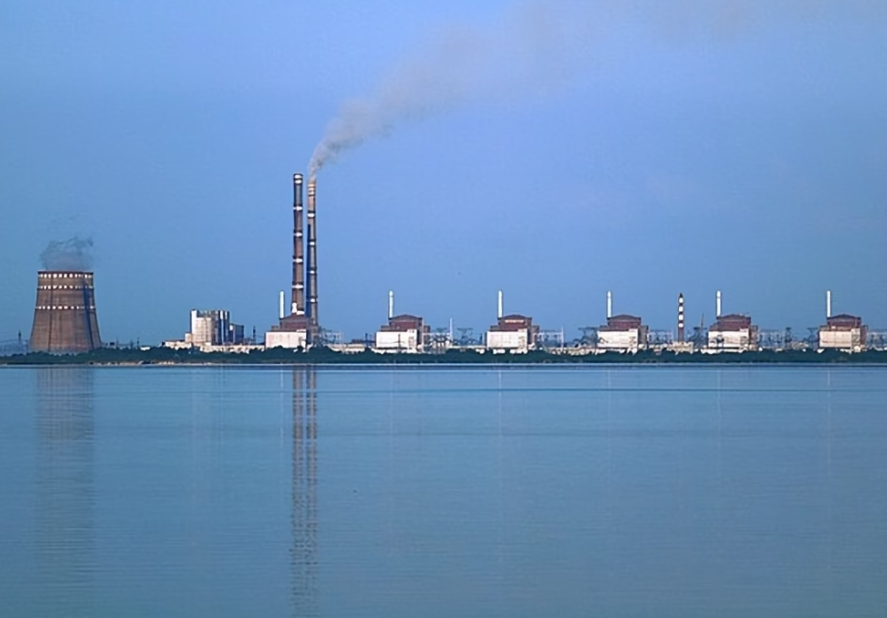
Ukraine's Zaporizhzhia Nuclear Power Plant Initiates Repair of External Power Transmission Lines
The Zaporizhzhia Nuclear Power Plant announced on September 5 that it has initiated repair and restoration work on its external power supply lines to ensure their normal operation. The plant stated that the repair and restoration efforts have commenced and are expected to be completed smoothly, with the Ferrosplavnaya-1 transmission line anticipated to resume operation as soon as possible. Currently, plant staff are monitoring all safety parameters around the clock. The plant stated that the situation on site is under control. ...
2026-09-07
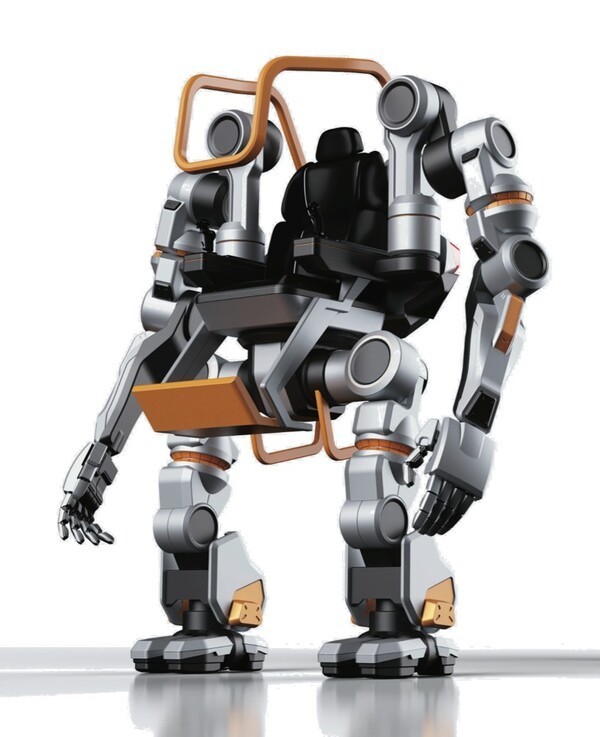
South Korea's KNR System Develops Heavy-Duty Bipedal Robot for Nuclear Facility Decommissioning Applications
South Korean robotics company KNR System recently announced the completion of the lower-body development and basic locomotion verification for its large-scale industrial "super-humanoid" robot. The robot's leg structure can support loads of up to 3 tons and move at a speed of 3 to 4 kilometers per hour. The company plans to release the full model by the end of 2026 and has already initiated whole-body system integration work. KNR System is developing a super-humanoid robot design. Image source: KNR System According to reports, the newly developed robot legs stand approximately 2.9 meters tall, with a maximum load capacity of 3 tons and a dual-arm payload of 600 kilograms. Each side is equipped with 12 joints, utilizing 10,000 Nm-class high-output hydraulic rotary actuators...
2026-09-07
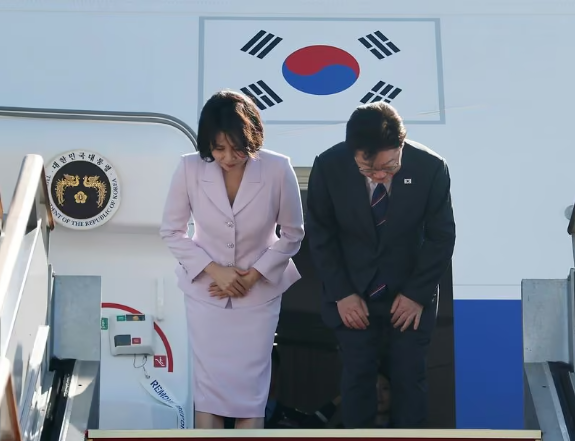
South Korean President's Visit to France to Discuss Korea-France Nuclear Energy Cooperation and Joint Nuclear Power Plant Exports
South Korean President Lee Jae-myung arrived in Nice, France, on September 6 local time, beginning a five-day, four-night state visit to France. The visit was arranged at the invitation of French President Emmanuel Macron and coincides with the 140th anniversary of the establishment of diplomatic relations between South Korea and France. According to the visit schedule, Lee Jae-myung will travel to Paris on the 8th for talks with Macron at the Élysée Palace. The two sides are expected to discuss cooperation in areas such as artificial intelligence, aerospace, nuclear energy, and biotechnology, with nuclear energy cooperation listed as one of the key agenda items. In the nuclear energy sector, the two sides are expected to explore cooperation plans, including combining France's capabilities in nuclear design and reprocessing technology with South Korea's experience in nuclear power plant construction and equipment manufacturing, to study the feasibility of joint exports of nuclear power plants to third-country markets.
2026-09-07
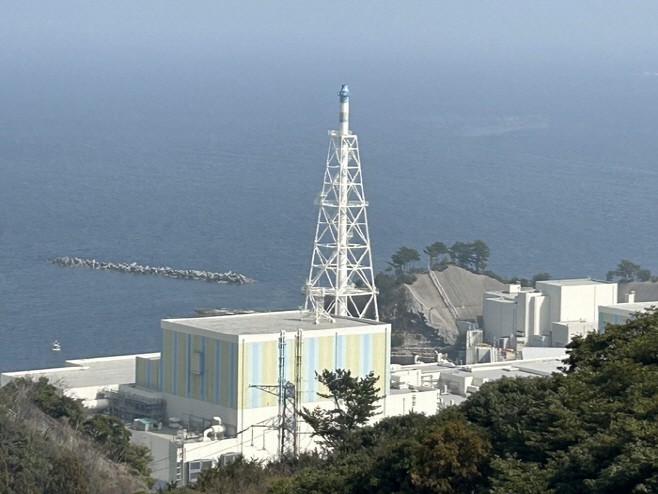
Tottori Prefecture nuclear safety advisory council approves safety of MOX fuel plan for Shimane Unit 2
The Tottori Prefecture Nuclear Safety Advisory Council held a meeting in Yonago City on September 6 and submitted an opinion on the MOX fuel power generation project planned by Chugoku Electric Power Co. for Unit 2 of the Shimane Nuclear Power Station. The opinion stated that, based on explanations provided by Chugoku Electric Power Co. and the Japanese government, the safety of the project can be ensured. The Shimane Nuclear Power Station is located in Matsue City, Shimane Prefecture. Chugoku Electric Power Co. plans to use mixed oxide fuel, or MOX fuel, consisting of uranium and plutonium, in Unit 2. This type of power generation is also referred to as plutonium thermal power generation in Japan. The opinion also...
2026-09-07
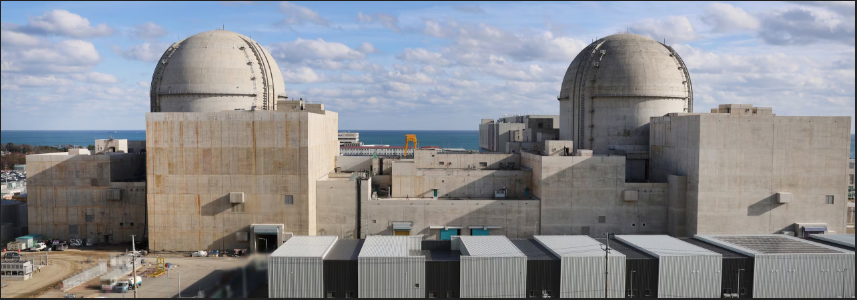
Unit 3 at Saeul Nuclear Power Plant in South Korea Shut Down Again During Trial Operation
Unit 3 at the Saeul Nuclear Power Plant, operated by Korea Hydro & Nuclear Power (KHNP), was shut down again during trial operation. The unit, located in Ulju County, Ulsan, South Korea, has a generating capacity of 1,400 MW. According to the plant operator, operators manually shut down the reactor at approximately 3:01 p.m. on the 6th. The shutdown was initiated after a leak was confirmed in a pipe related to turbine steam condensate. The plant stated that the manual shutdown was carried out to ensure facility stability and facilitate maintenance. The plant also stated that the shutdown caused no radiological impact and that the unit is currently in a stable condition. Personnel are analyzing the cause of the pipe leak. This...
2026-09-07
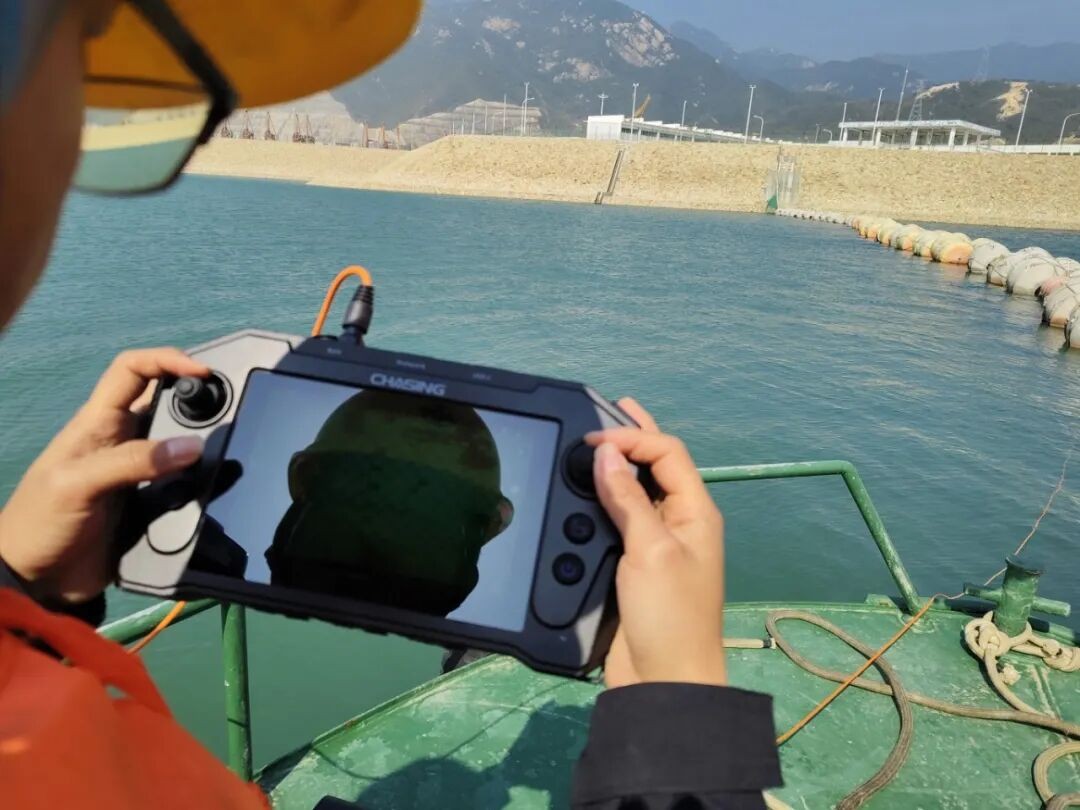
Taishan Nuclear Power Plant Deploys Specialized Underwater Robot for Cold Source Intake to Enhance Water Intake Operation and Maintenance Safety
Recently, at the seawater reservoir of Taishan Nuclear Power Plant, the cold source operation and maintenance team remotely operated a specialized underwater robot to complete an underwater inspection. After entering the water, the robot descended steadily, maintained stable posture at a depth of approximately 10 meters, transmitted clear real-time images, and maintained normal communication links throughout the process, successfully completing the preventive underwater inspection of the seawater reservoir interception net. Underwater inspection of the interception net conducted via the underwater robot. Since its first underwater operation on March 12 this year, the robot has replaced manual labor in dozens of underwater interception net inspections, becoming an important initiative for Taishan Nuclear Power Plant to enhance the intrinsic safety level of cold source water intake operation and maintenance and to advance intelligent operation and maintenance. The cold source interception net is a critical facility ensuring the safety of unit cold source water intake, and its condition and structural gaps directly affect the reliability of cold source water intake. During high-risk periods for the cold source, operation and maintenance personnel are required to conduct underwater inspections of the interception net weekly to confirm facility integrity and operational status.
2026-09-07
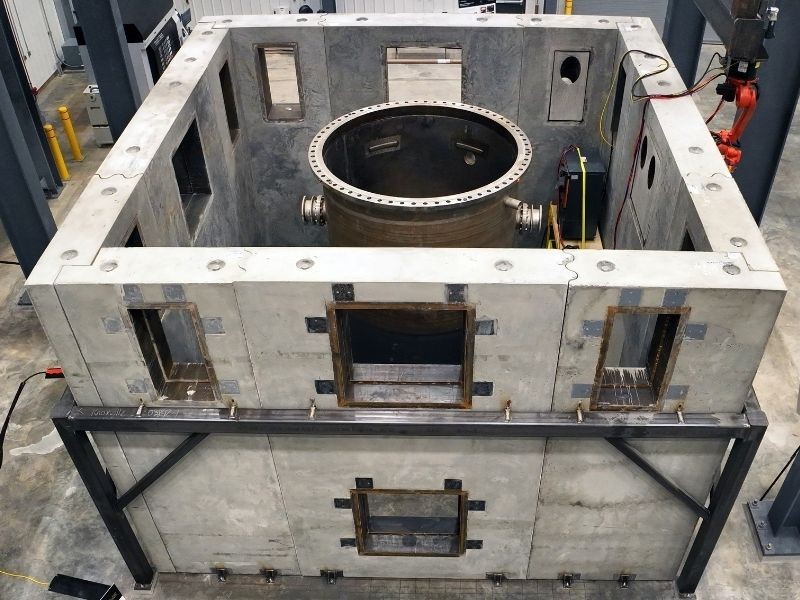
Kairos Power Completes Phase 1 of ETU 3 Hardware Demonstration in the U.S.
On September 4, Kairos Power announced the completion of Phase 1 of the Engineering Test Unit 3 (ETU 3) hardware demonstration at its Oak Ridge, Tennessee site. The unit, a non-nuclear engineering test platform, is primarily designed to reduce technical risks in reactor construction, operation, and maintenance, and to provide validation data for the Hermes 2 demonstration plant and subsequent commercial reactor deployments. Kairos Power stated that Phase 1 of ETU 3 focused on design validation of precast concrete shielding structures and testing of remote operation and maintenance capabilities. Construction of the Hermes 2 demonstration plant began earlier this year in Oak Ridge, and ETU...
2026-09-06