
Search Results
Keyword:Perm
Energy Fuels' Utah Plant's Terbium Oxide Certified by Japanese Rare Earth Permanent Magnet Manufacturer
On August 19, U.S. critical materials producer Energy Fuels Inc. announced that the terbium oxide produced at its White Mesa plant in Utah has passed all certifications from a Japanese rare earth permanent magnet manufacturer, enabling its use in commercial rare earth permanent magnet production without further qualification or verification. According to the company, this Japanese manufacturer is one of the world's largest rare earth permanent magnet producers outside China. Energy Fuels stated that the certification of its terbium oxide demonstrates that its heavy rare earth product quality and rare earth processing capabilities have been recognized by downstream users. The company's previously produced neodymium-praseodymium oxide and dysprosium oxide have also obtained qualification certifications for use in rare earth permanent magnet manufacturing. Terbium is one of the important heavy rare earth elements, primarily used to enhance the heat resistance and performance of high-strength neodymium-iron-boron permanent magnets. Neodymium-iron-boron permanent magnets are widely used in automotive, advanced electronics, robotics, aerospace, and other sectors. According to Benchmark Mineral Intelligence's European CIF price data, the current market price of terbium oxide is approximately $5.5 million per metric ton.
2026-08-20
NRC Initiates Pre-Application Review of Terra Innovatum's SOLO Construction Permit Application
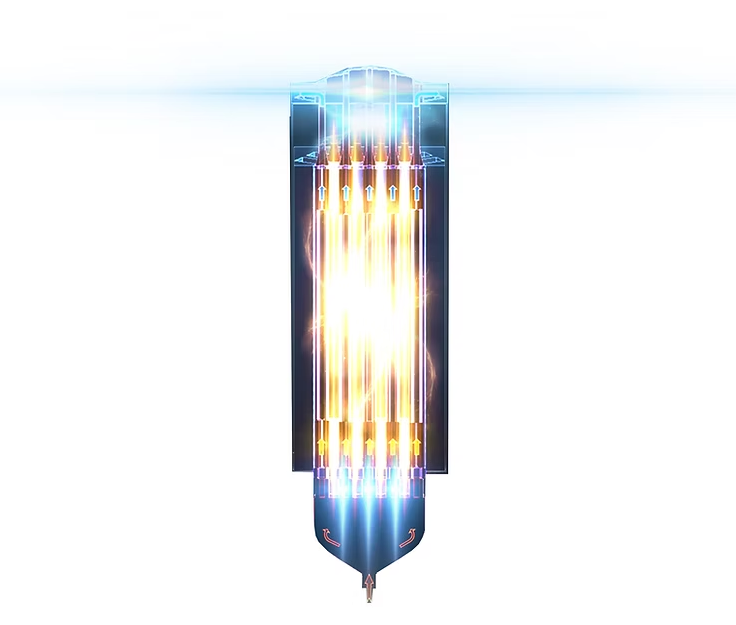
The U.S. Nuclear Regulatory Commission (NRC) has initiated the first phase of its readiness review of selected materials from the proposed construction permit application (CPA) for the SOLO micro modular reactor submitted by Terra Innovatum Global NV. This review is a limited-scope pre-application assessment designed to help the applicant identify potential information gaps, technical issues, or policy concerns early in the process. According to the schedule published by the NRC, Terra Innovatum requested a two-phase readiness review of its proposed construction permit application on July 20, 2026. The NRC subsequently developed a review plan, and the first phase began on August 10, 2026, through a kickoff meeting...
2026-08-20
Terra Clean Energy Receives Exploration Permit for Marysvale Uranium Project in Utah, USA
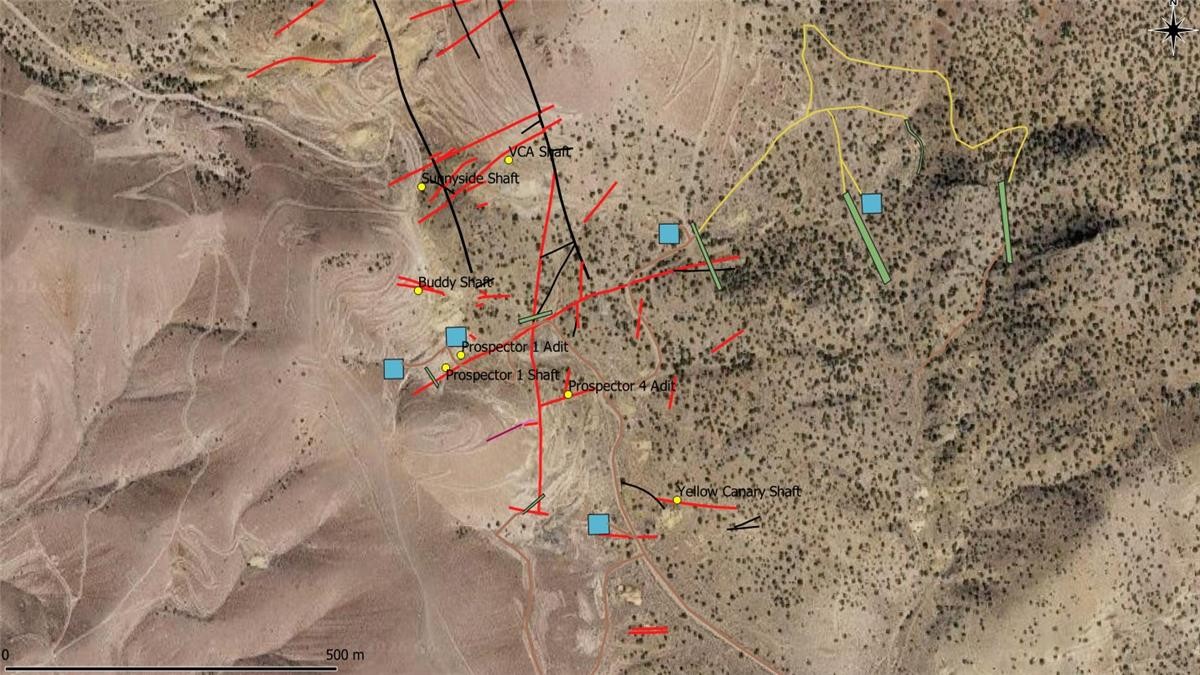
Terra Clean Energy Corp. recently announced that it has received the relevant permit from the Utah Division of Oil, Gas and Mining under the Utah Department of Natural Resources to carry out planned exploration work at its wholly-owned Marysvale Uranium Project. Under the approved work plan, the company will construct 5 drill pads to support subsequent diamond core drilling, and excavate 7 exploration trenches to expose and evaluate known uranium-bearing outcrops. Terra stated that this permit represents a significant milestone in advancing this historic uranium project. The trenching work will help the company's technical team map mineralized structures, collect samples, and validate existing geological interpretations. The results will...
2026-08-18
Long-term radiation environment at Kola NPP remains under control: gamma dose rates within natural background levels, 15 permanent observation stations operating since 1972
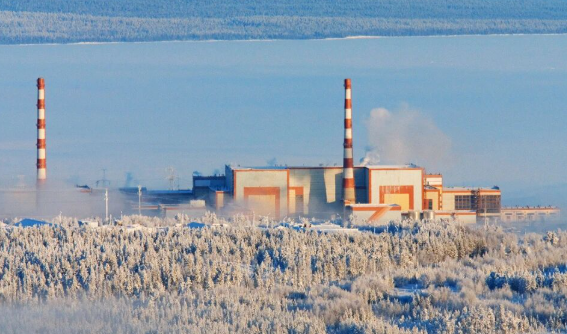
Long-term monitoring results from the external radiation monitoring group at Russia's Kola Nuclear Power Plant show that gamma radiation dose rates around the plant site have consistently remained within natural background radiation levels, with radionuclide concentrations matching background values, indicating a sound radiation environment with no differences from surrounding areas. The station's radiation safety department collects surface water samples from the discharge canal monthly, with monitoring coverage encompassing all elements including the atmosphere, snow cover, bottom sediments, food products, algae, berries, mushrooms, and caged fish. The monitoring architecture consists of two tiers: 15 permanent environmental observation stations have been in continuous operation since before the commissioning of the first reactor unit in 1972; 13 ASKRO automated radiation environment monitoring system stations provide real-time ground-level gamma dose rate data, which is transmitted directly to the Rosenergoatom crisis center and integrated into the national unified radiation monitoring network. Approximately 200,000 cubic meters of air are drawn weekly through air filtration units to capture radionuclides, with volumetric activity of radioactive iodine also measured. A mobile radiological laboratory performs on-site spectrometric analysis. Annually, about 1,200 environmental samples are collected from around the plant site and delivered to the Polyarnye Zori laboratory, where well water samples analyzed by Canberra spectrometers yield "zero nuclide" results, with samples retained for one year for potential re-analysis. Biological samples are processed using the ashing method, and instrument sensitivity is sometimes insufficient to even detect any signal from the plant's impact.
2026-08-14
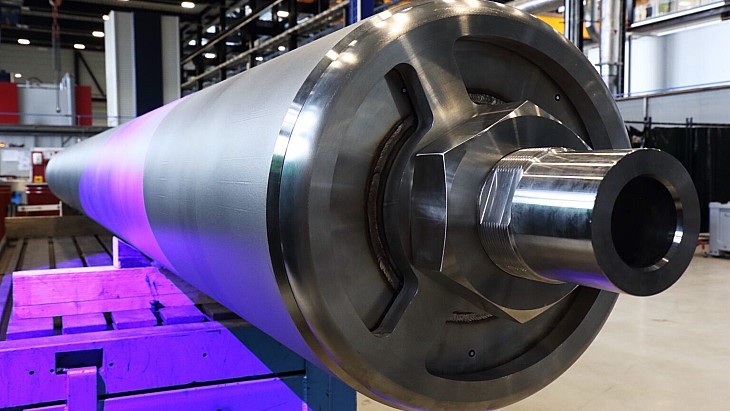
U.S. Poll Shows Majority of Respondents Support Prioritizing Permanent Disposal of High-Level Waste
A recent survey conducted by market research and data analysis company YouGov shows that more than 80 percent of U.S. respondents believe finding a permanent disposal solution for high-level radioactive waste should be a national priority; after learning about relevant technical information, a significant number of respondents viewed deep geological disposal as a credible option. Prototype canister for borehole disposal (Image: Deep Isolation) The survey was commissioned by nuclear waste disposal technology company Deep Isolation Inc. and conducted in April this year among 1,000 U.S. adults with a nationally representative sample. The survey covered public attitudes toward nuclear energy, concerns about radioactive waste management...
2026-08-14
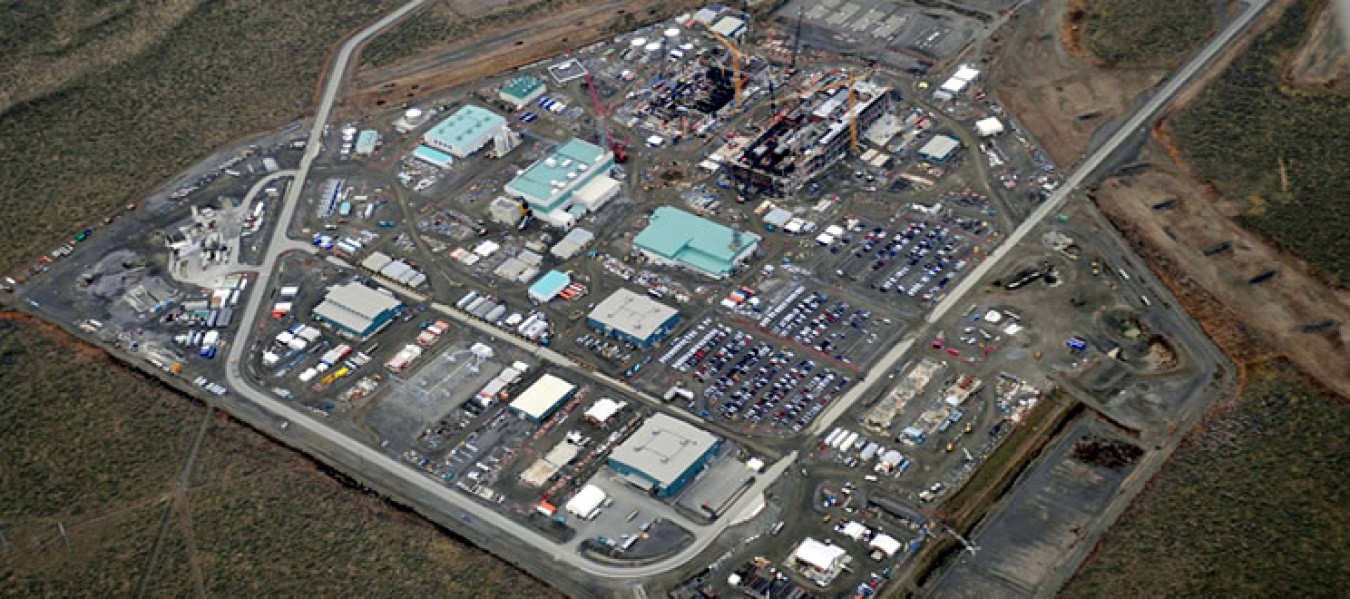
US Hanford Submits Permit Modification Applications to Accelerate Tank Waste Cleanup via "Vitrification + Grouting"
The U.S. Department of Energy's Hanford Field Office recently submitted two permit modification applications to the Washington State Department of Ecology, planning to accelerate the cleanup of radioactive waste in tanks at the Hanford site through a dual-track treatment strategy of "vitrification + grouting." The DOE stated that this approach is expected to reduce risks from aging tanks and save taxpayers billions of dollars. The waste primarily targeted by these applications is low-activity liquid waste processed through the Tank-Side Cesium Removal system, which removes more than 99.9% of radioactive materials from the treated waste. The DOE stated that the proposed permit changes would integrate tank-side treatment, grout solidification, and out-of-state disposal into a standardized process to continue advancing the treatment and transfer of some waste beyond the capacity of the Waste Treatment and Immobilization Plant.
2026-08-11
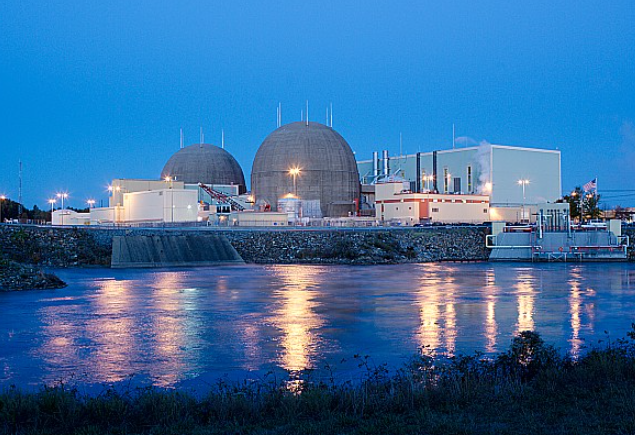
Dominion Energy Renews Early Site Permit for North Anna Nuclear Plant
Dominion Energy Virginia is taking steps to renew the early site permit for its North Anna nuclear power plant, originally issued in 2007. Located in Louisa County, the North Anna plant currently operates two reactors. The company submitted an application to the U.S. Nuclear Regulatory Commission (NRC) on July 14, seeking to extend the early site permit for a period of 20 years, or 20 years from the date of issuance, whichever is later. The NRC has formally acknowledged receipt of the request and is reviewing it for docketing acceptance. An early site permit is an optional process through which the NRC can confirm whether a site is suitable for a new nuclear power plant; obtaining such a permit can reduce risks of delays during the licensing and construction process...
2026-08-04
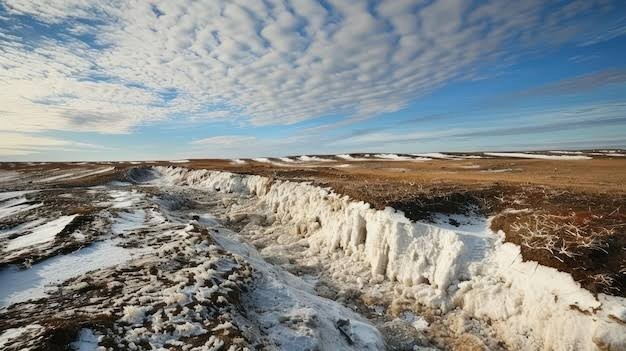
Carbon isotope analysis reveals: Canadian Arctic seabed sediments can sequester part of permafrost organic carbon
News dated August 3, 2026: Researchers from the Alfred Wegener Institute and the Center for Marine Environmental Sciences at the University of Bremen conducted a study on permafrost coasts near Herschel Island (Qikiqtaruk) in Canada, finding that not all terrestrial organic carbon released by Arctic permafrost thaw and coastal erosion enters the atmosphere—a significant portion is instead stored in seabed sediments. The findings have been published in the journal *Nature Geoscience*. Arctic terrestrial permafrost ecosystems store approximately 130 billion tons of carbon from organic sources such as plant debris, while marine and river delta sediments contain an additional 40 billion tons. As Arctic warming accelerates...
2026-08-04
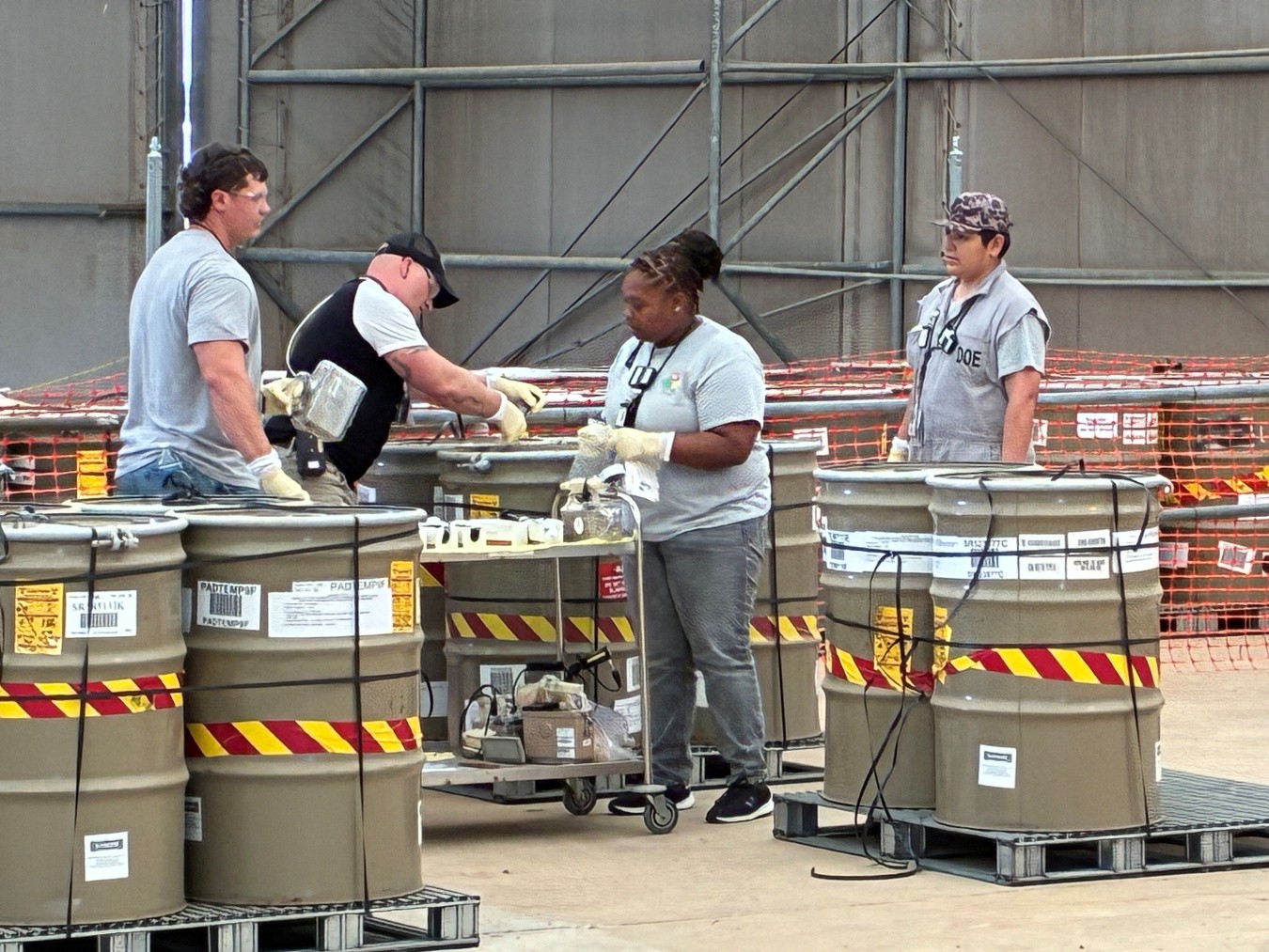
U.S. to Resume Shipping Transuranic Waste Drums from Savannah River Site to WIPP for Permanent Disposal
The U.S. Department of Energy Office of Environmental Management (EM) will resume shipping remote-handled transuranic waste drums from the Savannah River Site (SRS) in South Carolina to the Waste Isolation Pilot Plant (WIPP) in New Mexico for permanent disposal on July 28, 2026. Prior to resuming shipments, relevant teams have completed flammable gas analysis, confirming that these waste containers meet safety requirements for transport to the underground disposal facility. Flammable gas sampling is a critical safety step before transuranic waste transportation. Workers assess potential combustion risks inside containers by detecting gases such as hydrogen, methane, and volatile organic compounds, and confirm their safety during transport and disposal...
2026-08-03
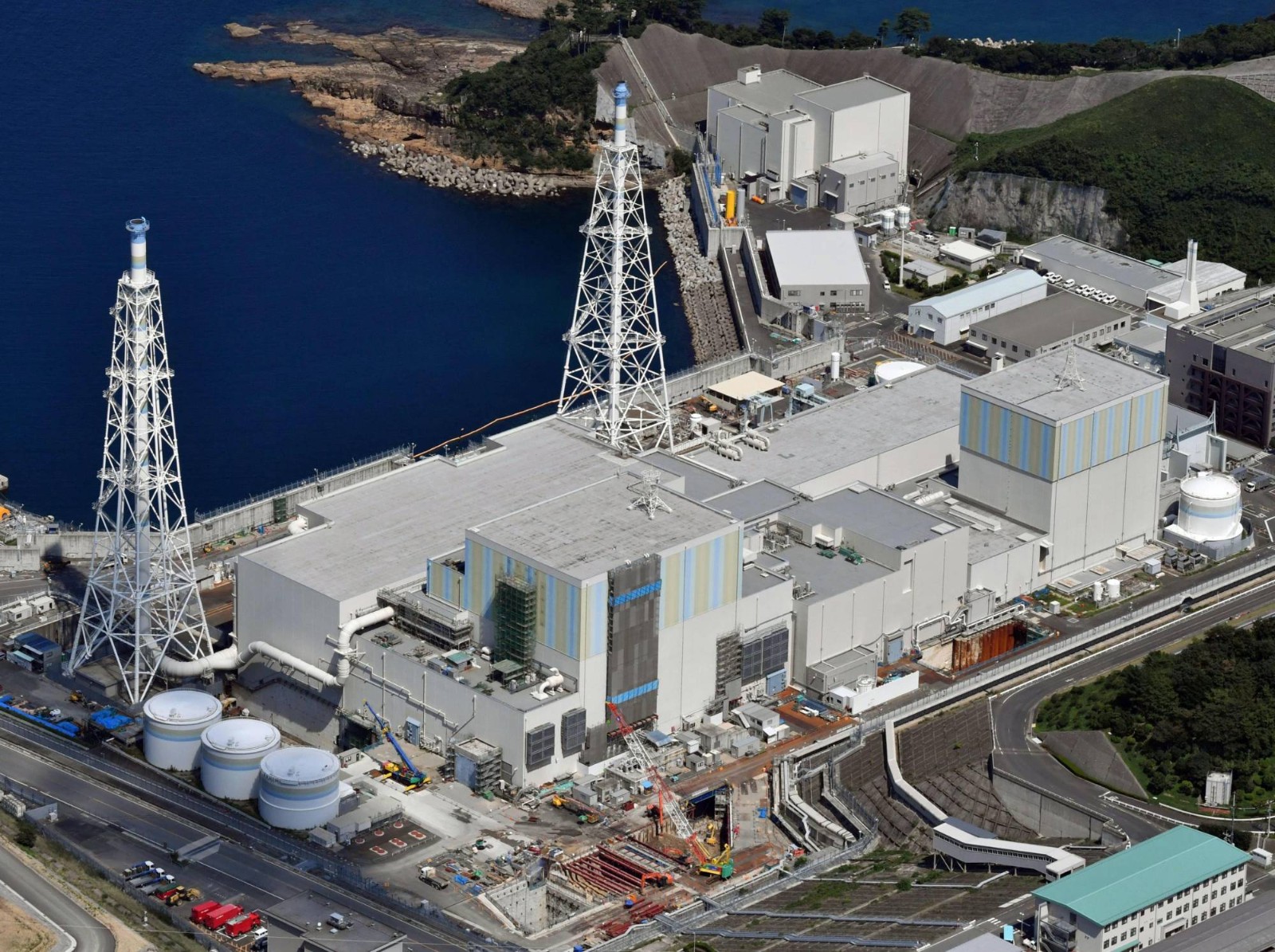
Chugoku Electric Power Submits Third Amendment to Reactor Installation Change Permit Application for Shimane Nuclear Power Plant Unit 3 to Regulatory Authority
Chugoku Electric Power Co., Inc. announced on July 29 that it had submitted the third amendment to the reactor installation change permit application for Unit 3 of the Shimane Nuclear Power Plant to the Nuclear Regulation Authority (NRA) on the same day. The company stated that this amendment adjusts the application content for related equipment at the plant based on previous review findings. This includes reclassifying certain equipment already installed for Unit 2, such as the emergency response center, for shared use between Unit 2 and Unit 3. According to reports, Chugoku Electric Power had previously submitted two amendments to the reactor installation change permit application for Unit 3 of the Shimane Nuclear Power Plant, on December 22, 2021, and June 29, 2022, respectively.
2026-07-29