
US Hanford Submits Permit Modification Applications to Accelerate Tank Waste Cleanup via "Vitrification + Grouting"
 Scan to share
The U.S. Department of Energy's Hanford Field Office recently submitted two permit modification applications to the Washington State Department of Ecology, planning to accelerate the cleanup of radioactive waste in tanks at the Hanford site through a dual-track treatment strategy of “vitrification + grouting.” The DOE stated that this approach is expected to reduce risks from aging tanks and save taxpayers billions of dollars.
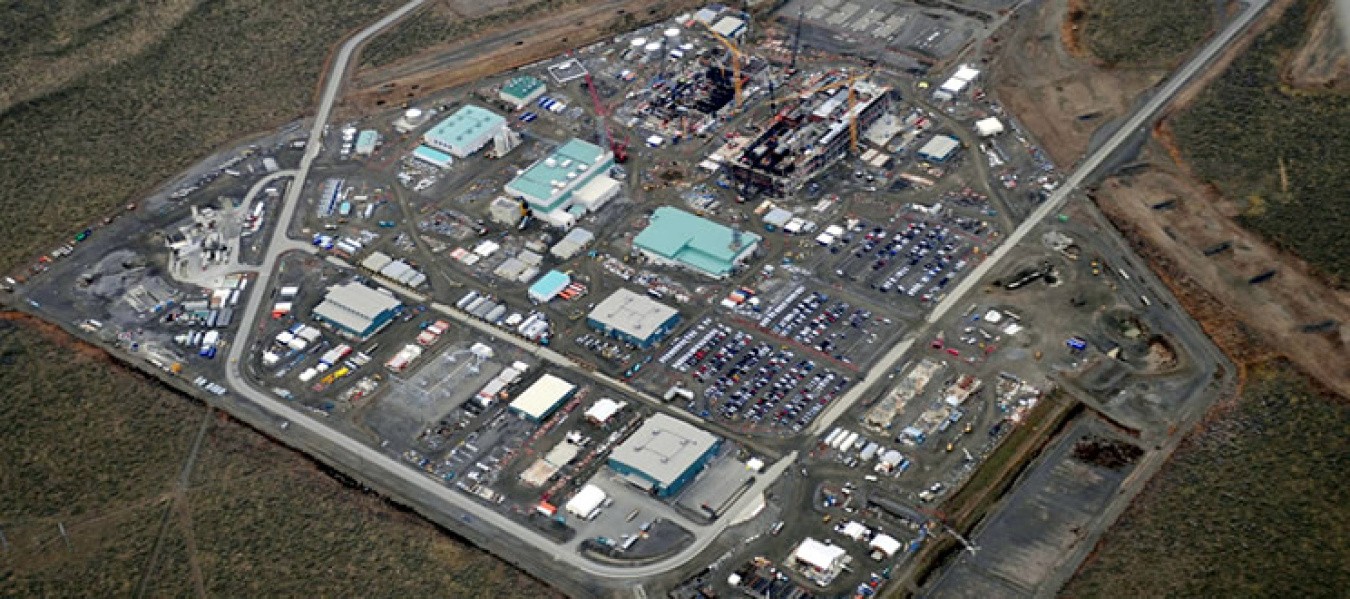
The waste primarily targeted by these applications is low-activity liquid waste processed through the Tank-Side Cesium Removal system, which removes more than 99.9% of radioactive materials from the treated waste. The DOE stated that the proposed permit changes would integrate tank-side treatment, grout solidification, and out-of-state disposal into a standardized process to continue advancing the treatment and transfer of some waste beyond the operational capacity of the Waste Treatment and Immobilization Plant.
Currently, the only Tank-Side Cesium Removal system at Hanford has been in a paused state since March 10, pending the resumption of operations at the Waste Treatment and Immobilization Plant. Due to double-shell tank capacity nearing full levels, this pause has resulted in approximately 400,000 gallons of waste not being treated as planned. The DOE stated that further delays could impact the retrieval of waste from single-shell tank A-103. Under its plan, the dual-track strategy would help sustain waste retrieval from aging single-shell tanks and keep tank waste treatment missions moving forward.
According to the application contents, the permit modification for the Waste Treatment and Immobilization Plant submitted by Bechtel National Inc. would allow tank-side treated low-activity waste from double-shell tank AP-106 to be transferred to the Effluent Management Facility, then loaded into U.S. Department of Transportation-approved tanker trucks for transport to a permitted commercial treatment facility for disposal. The plan also includes minor modifications to related systems, such as replacing valves and piping. Prior to any transfer operations, the waste would undergo sampling and analysis to confirm compliance with applicable regulatory acceptance criteria.
The other permit modification application for the Hanford Tank Waste Operations would allow tank-side treated waste from tank AP-106 to be sent to the Waste Treatment and Immobilization Plant for vitrification, or shipped off-site for grouting and disposal outside Washington State. The DOE stated that if the relevant pathways are approved, up to an additional 1 million gallons of tank waste could be grouted and shipped out of Washington State for disposal by the end of next year; this volume does not include waste planned for vitrification and on-site retention.
The DOE also plans to hold a public meeting on August 26 at the Richland Public Library to present further details of the applications.
Disclaimer: Information republished from partner media, institutions or other websites is provided for reference and communication purposes only. It does not imply endorsement of its views or verification of its accuracy. Please contact us if any content infringes rights or requires correction.