
Search Results
Keyword:radioactive waste treatment
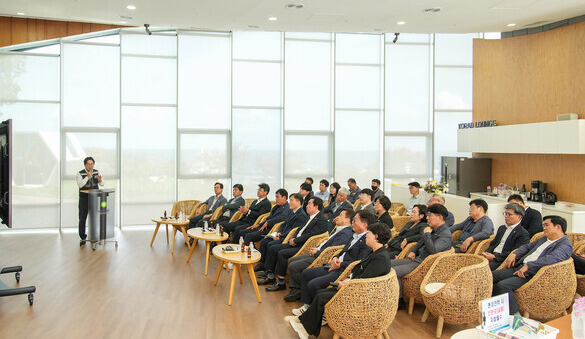
Gyeongju City Council in South Korea Conducts In-Depth Inspection of Wolsong Nuclear Power Plant and Radioactive Waste Treatment Facilities
Recently, the Gyeongju City Council of South Korea organized an in-depth on-site inspection, with the focus on the Wolsong Nuclear Power Plant and the Korea Atomic Energy Environment Corporation. The inspection team aimed to gain a comprehensive understanding of the operational safety of the nuclear power plant and the operation of radioactive waste treatment facilities, and to listen to feedback from relevant personnel. The purpose of this action was to conduct an in-depth investigation of core issues closely related to public safety, including the safety management status of the nuclear power plant and the operational model of radioactive waste treatment facilities. The council members hoped that through this inspection, they could gain a more intuitive understanding of the actual situation and provide reference for formulating more comprehensive policies. At the beginning of the inspection, the council members went to Wolsong...
2026-09-14
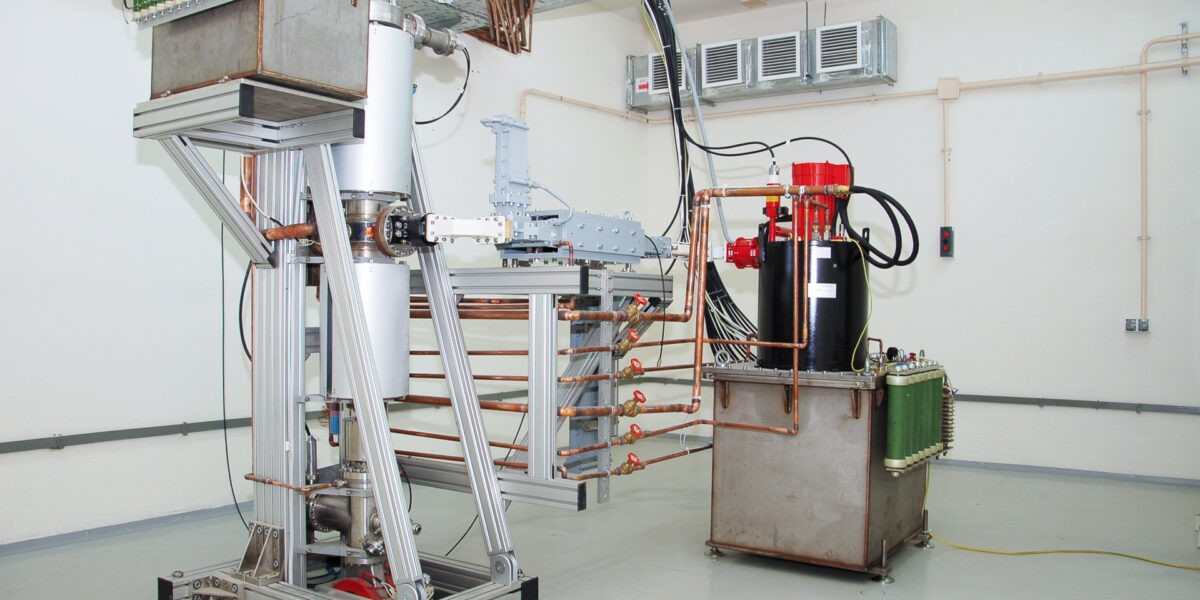
Russian Research Team Synthesizes Novel Metal-Organic Framework Material Capable of Immobilizing Radioactive Cesium
The Frumkin Institute of Physical Chemistry and Electrochemistry of the Russian Academy of Sciences has synthesized a novel metal-organic framework material containing neptunium and cesium atoms. Research shows that this material is insoluble in water, resistant to high temperatures and intense radiation, and can stably "lock" radioactive cesium within its own structure, offering new insights for research on radionuclide immobilization and radioactive waste treatment materials. Metal-organic framework materials are a class of materials with high porosity and controllable crystal structures, whose lattices are typically composed of metal atoms connected by organic molecules. Since their pore sizes and structures can be tuned at the molecular level, these materials can be used to adsorb gases or specific nuclides. However, compared with traditional adsorbents such as activated carbon...
2026-09-04
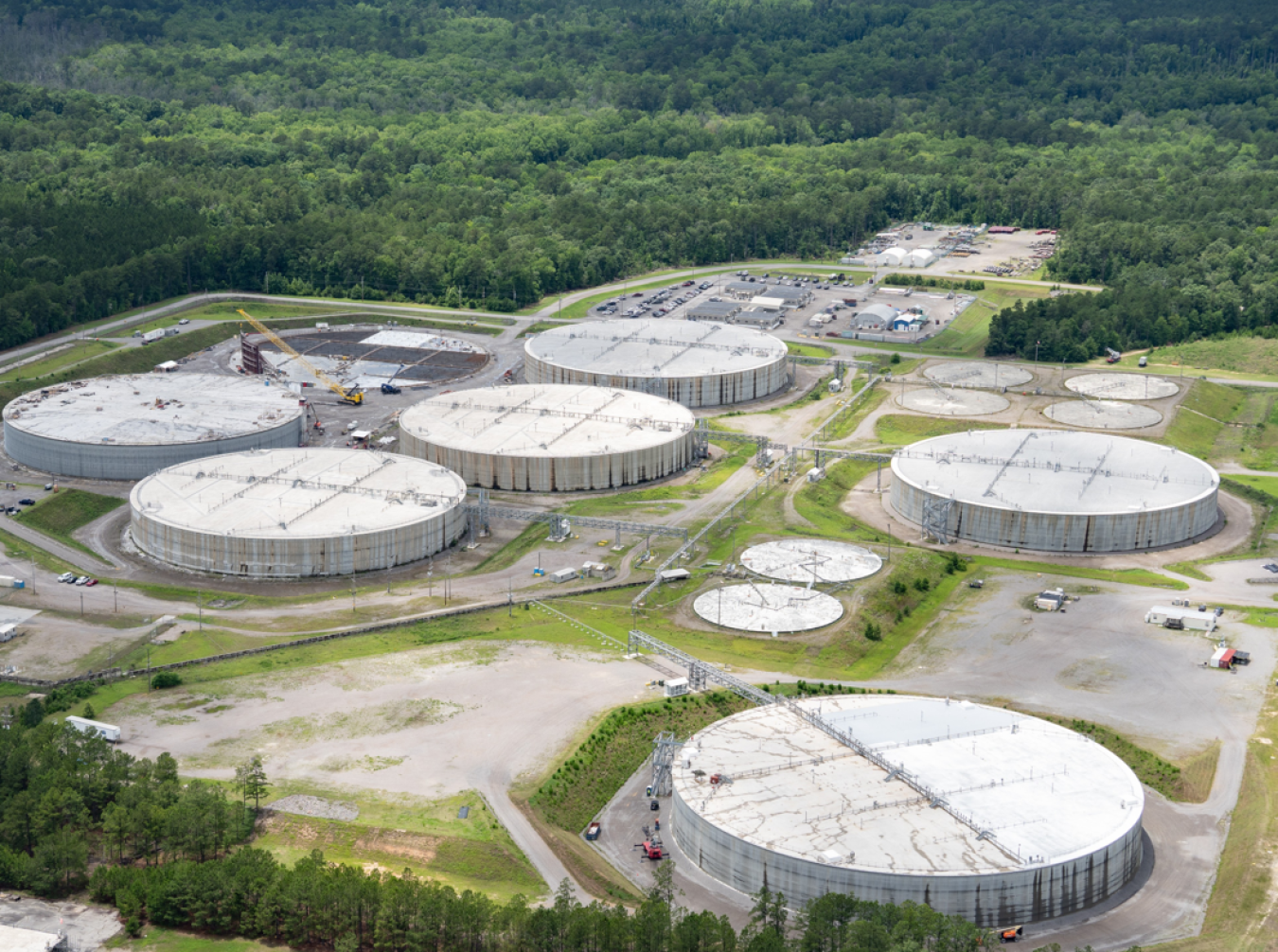
Fifth Mega Saltstone Disposal Unit Approved for Operation at U.S. Savannah River Site
The U.S. Department of Energy Office of Environmental Management announced on August 25 that it has approved the operation of the fifth mega saltstone disposal unit at the Savannah River Site in Aiken, South Carolina. Designated as SDU 10, the facility will receive purified material for final disposal, marking a new milestone in the site's cleanup program. According to reports, SDU 10 completed construction in June 2024, nearly 10 months ahead of schedule. Its leak-tightness testing was completed in December 2025, and the test results verified that the unit can safely store up to 33 million gallons of purified, solidified salt solution generated at the Savannah River Site. Saltstone disposal units are the end-stage facilities in the salt waste treatment process.
2026-08-26
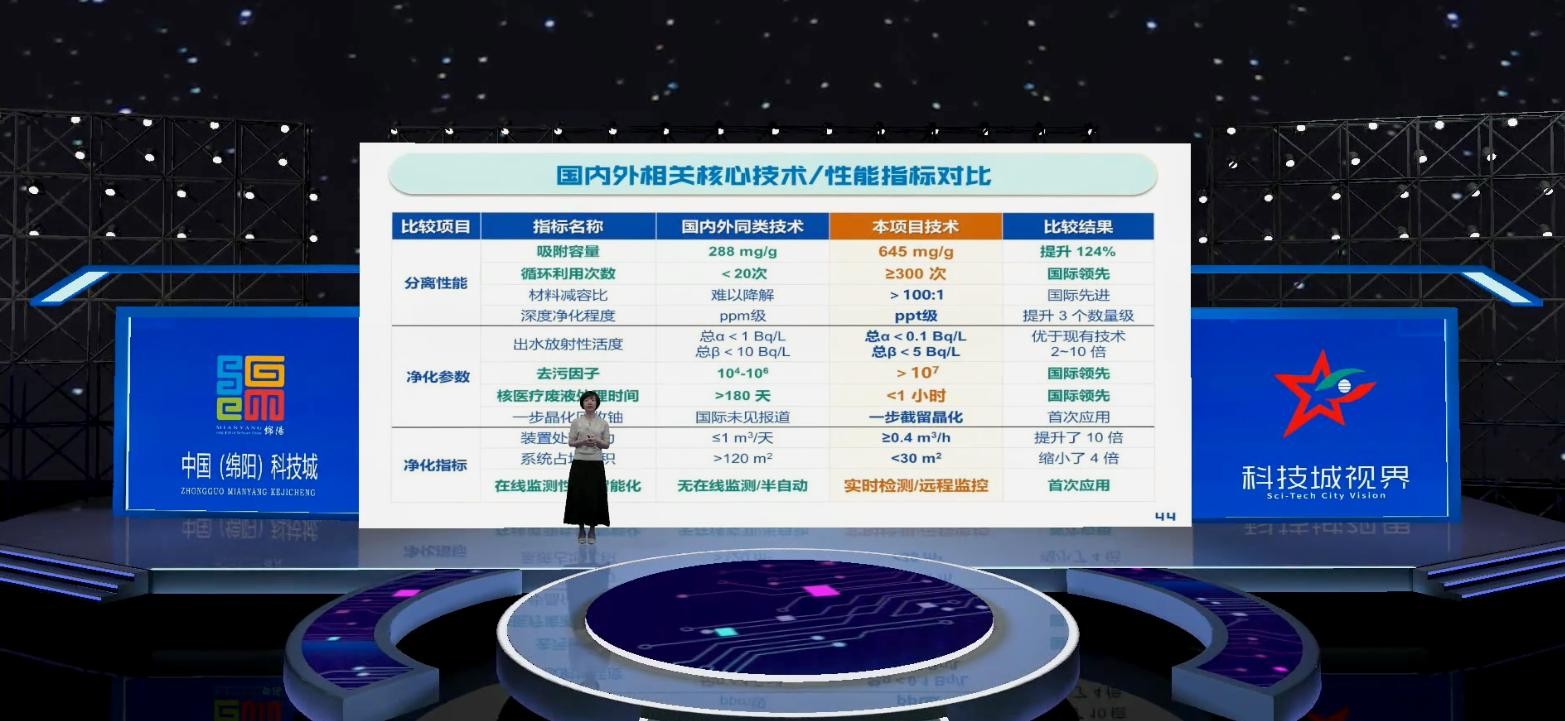
Southwest University of Science and Technology Releases Medical Radioactive Waste Treatment Technology Covering Liquid, Gas, and Solid Waste Management
On August 10, the Mianyang Science and Technology City Strategic Development Research Center held an online innovation achievement release conference, unveiling a medical radioactive waste treatment technology developed by the School of National Defense Science and Technology / School of Nuclear Science and Technology at Southwest University of Science and Technology. The technology targets radioactive contaminants including liquid waste, off-gas, and solid waste generated during nuclear medicine diagnosis and treatment, offering a full-chain comprehensive treatment solution. The conference attracted 87,000 experts in the nuclear medicine field, departmental representatives, and enterprise users. With the rapid development of the domestic nuclear medicine industry, insufficient radioactive waste disposal capacity has gradually become a key issue facing the industry's safe expansion. Relevant data show that over 96% of nuclear medicine departments nationwide are constrained by decay tank capacity...
2026-08-13
US Hanford Submits Permit Modification Applications to Accelerate Tank Waste Cleanup via "Vitrification + Grouting"
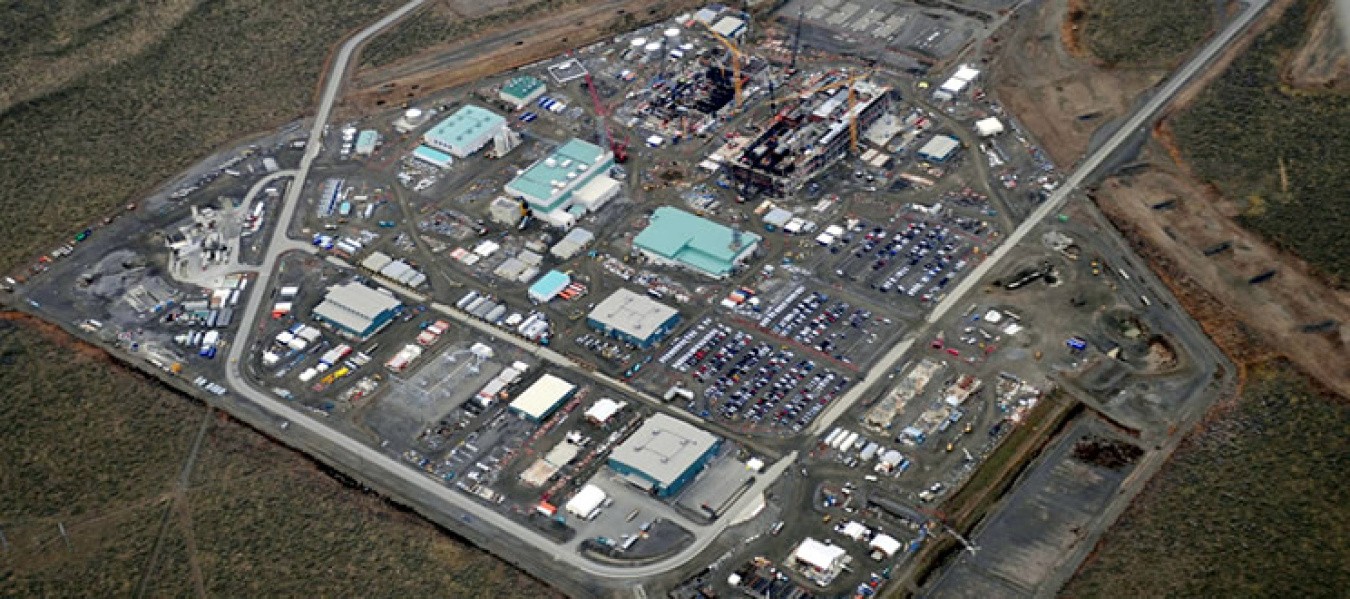
The U.S. Department of Energy's Hanford Field Office recently submitted two permit modification applications to the Washington State Department of Ecology, planning to accelerate the cleanup of radioactive waste in tanks at the Hanford site through a dual-track treatment strategy of "vitrification + grouting." The DOE stated that this approach is expected to reduce risks from aging tanks and save taxpayers billions of dollars. The waste primarily targeted by these applications is low-activity liquid waste processed through the Tank-Side Cesium Removal system, which removes more than 99.9% of radioactive materials from the treated waste. The DOE stated that the proposed permit changes would integrate tank-side treatment, grout solidification, and out-of-state disposal into a standardized process to continue advancing the treatment and transfer of some waste beyond the capacity of the Waste Treatment and Immobilization Plant.
2026-08-11
Hanford Site Completes Radioactive Waste Removal from 24th Underground Tank
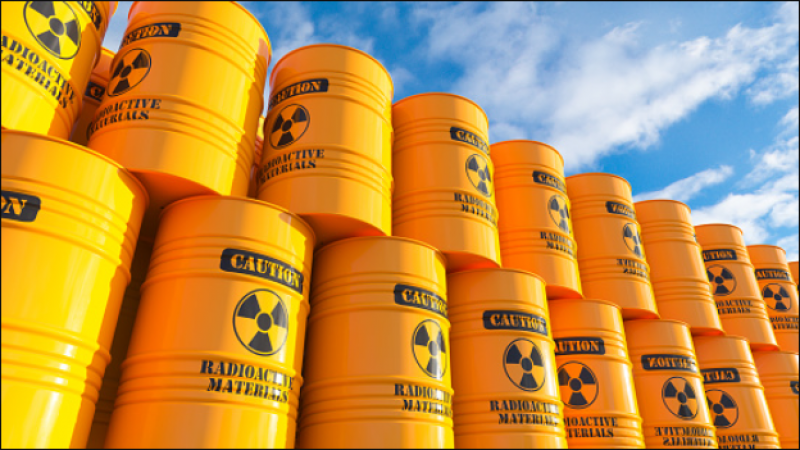
The Hanford team under the U.S. Department of Energy Office of Environmental Management recently continued its tank cleanup mission, removing radioactive waste from the 24th underground single-shell tank. The cleanup targeted the A-106 single-shell tank. In less than seven months, Hanford Tank Waste Treatment and Storage Project workers transferred approximately 79,000 gallons of waste that had been stored for decades into a double-shell tank for continued safe storage. During operations, the contractor first used water to dissolve salt-based waste on the tank surfaces, then reused the transferred liquid waste to mobilize sludge. This method had last been used nearly a decade ago. The Hanford Site produced plutonium for U.S. nuclear weapons programs between 1944 and 1989...
2026-08-10