
Search Results
Keyword:Powe
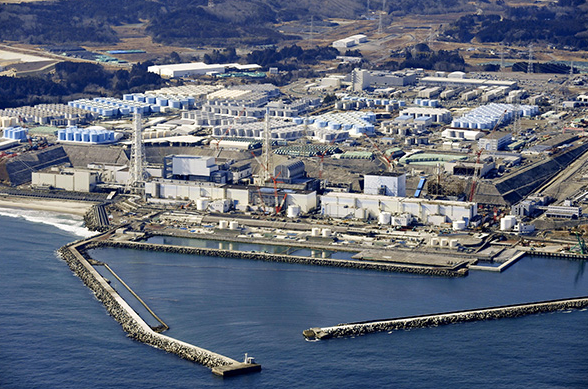
Japan to Establish New Decontamination Base in Okuma, Fukushima
Japan's Ministry of the Environment has decided to establish a new work base in Okuma Town, Fukushima Prefecture, in the next fiscal year to coordinate decontamination and house demolition work in difficult-to-return zones following the accident at Tokyo Electric Power Company (TEPCO)'s Fukushima Daiichi Nuclear Power Station, aiming to accelerate environmental recovery in the affected areas. Within seven municipalities surrounding the Fukushima Daiichi Nuclear Power Station, approximately 309 square kilometers have been designated as difficult-to-return zones. These areas remain under strict control, with restrictions on residential habitation and entry, and evacuation orders remain in effect. Within the difficult-to-return zones, the Japanese government has established "specified return residential areas" and plans to advance decontamination, house demolition, and other measures based on residents' intentions to return. The proposed new base in Okuma Town will be responsible for on-site management and project coordination, with approximately 30 staff members expected to be assigned, and the relevant branch office currently located in Hirono Town will be relocated to Okuma Town.
2026-08-30
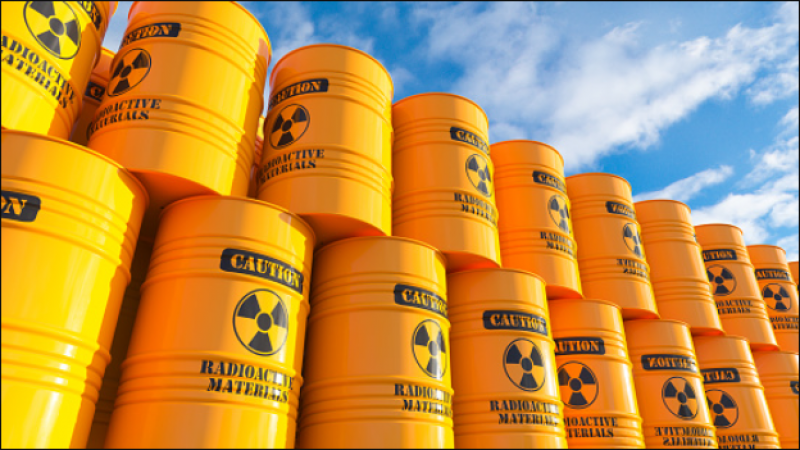
Japanese Nuclear Regulator Inspects Horonobe Geological Disposal Research Facility for High-Level Radioactive Waste
On August 28, Shinya Nagasaki and other members of Japan's Nuclear Regulation Authority (NRA) inspected an underground research facility in Horonobe Town, Japan. The facility, operated by the Japan Atomic Energy Agency (JAEA), conducts technical research on deep geological disposal of high-level radioactive waste. Geological disposal of high-level radioactive waste involves encapsulating the waste and burying it deep underground, achieving long-term isolation through engineered and natural geological barriers. During the inspection, Nagasaki and his delegation examined test facilities used to evaluate the corrosion resistance of iron containers. The tests simulate the environment of containers holding heat-generating radioactive waste after being buried underground...
2026-08-30

Japan's Fukui Prefecture Approves KEPCO's Construction of Dry Cask Storage Facilities for Spent Fuel
Fukui Prefecture Governor Tatsuji Sugimoto announced on August 28 that he approved Kansai Electric Power Company's (KEPCO) plan to construct dry cask storage facilities for spent fuel within the premises of the Mihama and Takahama nuclear power plants in Fukui Prefecture. The decision was made in accordance with the safety agreement between Fukui Prefecture and KEPCO. KEPCO plans to apply to the Nuclear Regulation Authority (NRA) for approval of the relevant design and construction plans as early as August 31. KEPCO plans to build dry cask storage facilities at three nuclear power plants in Fukui Prefecture to temporarily store spent fuel and prepare for future transport to an interim storage facility outside Fukui Prefecture. Among these, the plans for the Mihama and Takahama nuclear power plants...
2026-08-29
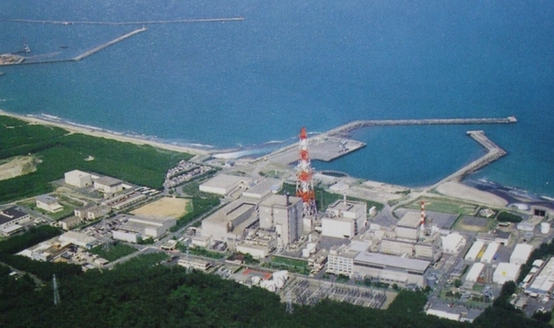
Further Delay in Completion of Safety Measures at Japan's Tokai Daini Nuclear Power Plant
Japan Atomic Power Company (JAPC) announced on August 28 that the safety measure works required for the restart of the Tokai Daini Nuclear Power Plant in Tokai Village, Ibaraki Prefecture, are now expected to be completed between October 2028 and March 2029 (the second half of fiscal 2028), delayed from the original target of December 2026. This marks the fourth postponement of the completion schedule for the plant's safety measures. One of the key projects among the safety measures at Tokai Daini is the construction of a seawall approximately 17 meters high to protect against tsunamis. In June 2023, defects including incomplete concrete filling and deformed rebar were discovered in the seawall's foundation works, and related construction was subsequently suspended. JAPC has since applied to the Nuclear Regulation Authority (NRA)...
2026-08-29

South Korean survey shows 80% of respondents support including new nuclear power plants in power planning
An energy public perception survey released by the Korea Energy Information Culture Foundation on August 28 showed that 82.9% of respondents believed it is necessary to include plans for new nuclear power plants in the 12th Basic Plan for Electricity Supply and Demand currently being formulated, in response to future growth in electricity demand. The survey was commissioned by the Korea Energy Information Culture Foundation and conducted by Korea Research International via telephone interviews from June 12 to 15, targeting 2,000 adults aged 18 and above. The response rate was 10.0%, with a sampling error of...
2026-08-30
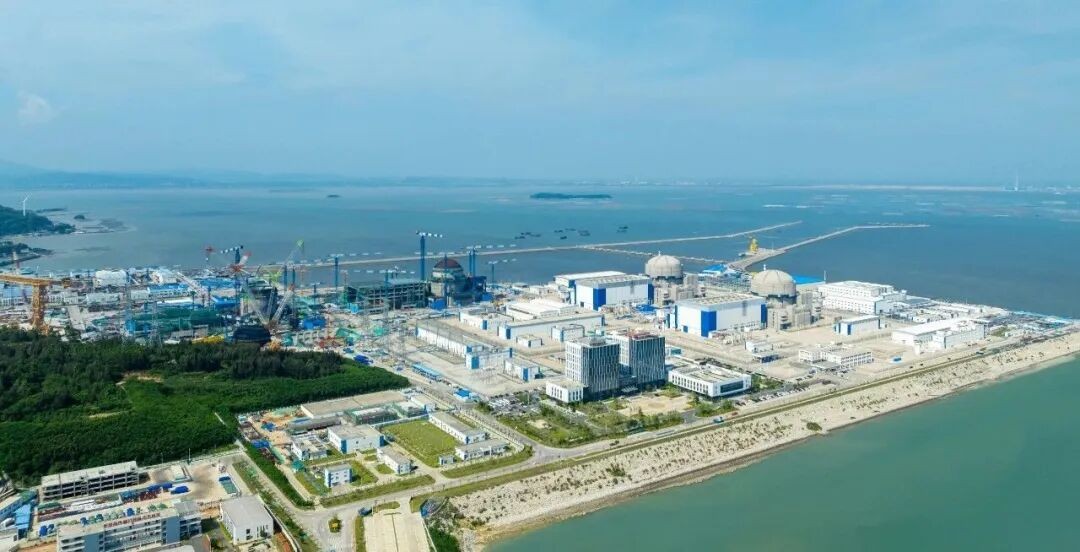
Zhangzhou Nuclear Power Units 3 and 4 Trench Civil Engineering Completes Milestone Phase
On August 27, with the final cubic meter of concrete poured into place, the B1 and B6 sections of the GS and GB trench civil engineering works for Zhangzhou Nuclear Power Units 3 and 4, undertaken by CNNC Huachen, along with the No. 4 overflow well, successfully completed their milestone phase. This phase involved multi-disciplinary cross-operations spanning civil works, installation, electrical, and piping, characterized by complex construction conditions and significant coordination challenges. Among these, Section B1, as the project's main critical path, featured narrow working areas, difficult access for large equipment, and intensive vertical and horizontal cross-operations among multiple units. Seven days before commencement, the project department established a dedicated planning team to verify site conditions, material routes, and cross-operation scopes drawing by drawing, identifying key difficulties such as foundation pouring, equipment positioning, and material supply, and conducting multiple rounds of discussions to optimize the construction plan. The construction period coincided with the rainy season, and Section B1, situated in a low-lying area, faced a high risk of rainwater backflow. The project department implemented measures including full-coverage rain shelters over the base slab, water-retaining curbs at passage openings, and round-the-clock pumping in two shifts, securing dry working areas amid accumulated water; simultaneously, discarded waterproof membranes were collected and reused to cover rebar cages and scaffolding, preventing corrosion and slippery conditions. On-site daily meetings were held, management personnel maintained 24-hour duty, and verbal confirmation with signed handovers was practiced, ensuring issues were resolved the same day, with no plan failures, rain-related stoppages, or process disconnections throughout the period. Facing the immense scheduling pressure from multi-process cross-operations, the project department established a dynamic scheduling system. In terms of manpower loading, fixed posts and personnel quotas were implemented, with zonal responsibility and flexible reinforcement; during peak periods, core work crews were consolidated and work areas were precisely delineated. For machinery, a dynamic scheduling ledger was established, with tower cranes, excavators, and lifting equipment staggered and cross-utilized. Material coordination was also optimized through advance stocking, zoned storage, dedicated management, and emergency replenishment. During the campaign, when the transport of main materials was obstructed, the project department organized management staff and labor crews to manually carry rebar, pipes, and auxiliary materials point-to-point to the working areas, effectively safeguarding project progress. Currently, the main structure construction of the GS and GB trenches by the Zhangzhou Nuclear Power Project Department has achieved phased results, with the GB trench completing 74 sections cumulatively, an 82% completion rate, and the GS trench exceeding 1,160 meters, accounting for 72% of the total length. The company will further strengthen construction organization, optimize construction logic, and continue to advance the remaining sections of the Zhangzhou Nuclear Power Project Department, fully ensuring high-quality performance of the contracted projects.
2026-08-29
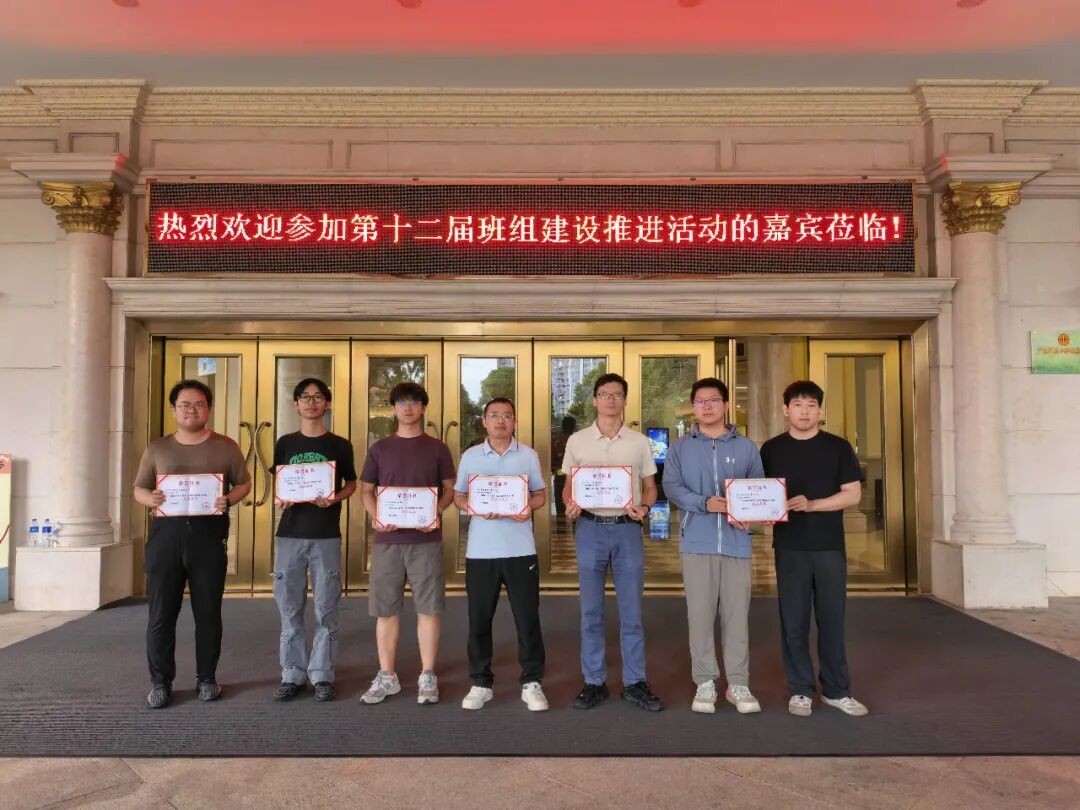
Lufeng Nuclear Power Achieves Outstanding Results in First Provincial Quality-Trustworthy Team Selection
On August 19, the Quality Assurance Department of Lufeng Nuclear Power led multiple teams from the company's Mechanical Department Valve and Pipe Section, Hualong Operation Department Shift 1, Electrical Department Power Distribution Section, Technical Support Department Specification Control Section, Production Service Department Installation Management Section, and Quality Assurance Department Engineering Quality Assurance Section to participate in the 12th Quality-Trustworthy Team Construction Experience Exchange Conference organized by the Guangdong Quality Association. This selection covered a wide scope with stringent review criteria, bringing together outstanding teams from various industries across the province to compete on the same platform. Lufeng Nuclear Power made its debut at this provincial-level quality event, and all participating teams stood out among numerous competitors by leveraging solid foundational management, standardized process control, and well-established improvement mechanisms, achieving impressive overall results.
2026-08-29
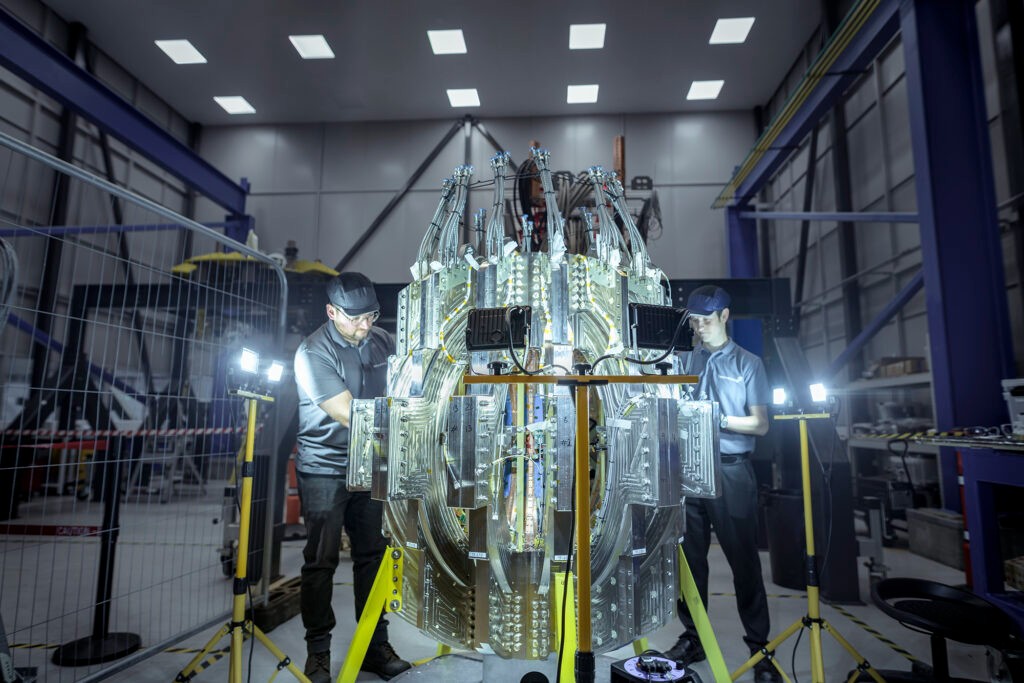
UK Fusion Energy Company Files 50th Patent Application
UK Fusion Energy (UKFE) filed its 50th patent application this week, marking new progress in the UK's efforts to advance fusion energy commercialization and related intellectual property development. UKFE is a government-backed organization responsible for developing and protecting intellectual property arising from the STEP fusion prototype plant project and driving the transfer of related innovations to industry. Since 2025, the organization has filed 52 patent applications and published 108 technical disclosures and 2 patent applications. These achievements cover key technologies required for the construction of the STEP prototype facility, as well as some innovations applicable beyond the fusion energy sector. UKFE stated that the intellectual property portfolio reflects the breadth and pace of the project's R&D activities.
2026-08-28
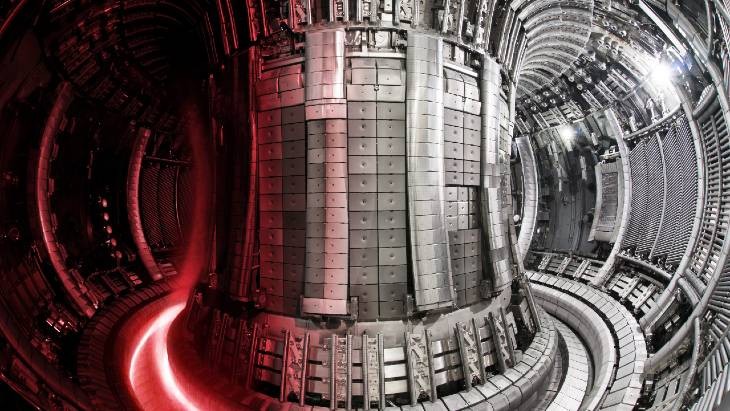
UK JET Decommissioning Project to Trial Asset-Based Decommissioning Approach
The JET Decommissioning and Repurposing (JDR) project recently announced that it will trial an asset-based decommissioning approach in three areas of the JET facility during the next phase of work. These areas were once part of the power supply infrastructure during JET plasma operations. This trial work will support the overall development of the Culham Campus and, in conjunction with the Strategic Investment and Development for Energy and AI (STRIDE) programme, facilitate land remediation to create conditions for the installation of a fourth supergrid transformer. JDR has signed a contract with Ramco UK to undertake the relevant trial work. JDR Engineering Integration Manager Steve...
2026-08-28
NRC Approves Environmental Assessment for Small Modular Reactor at Texas Industrial Site
The U.S. Nuclear Regulatory Commission (NRC) recently completed the environmental assessment of applications submitted by Long Mott Energy and X-energy, issuing a finding of no significant impact. This conclusion marks a key milestone in the construction permit review process for the advanced reactor project planned for Seadrift, Texas. The project plans to build a 320-megawatt small modular reactor at Dow's industrial manufacturing site in Seadrift to provide electricity and high-temperature industrial steam to the facility. Long Mott Energy is a wholly owned subsidiary of Dow, and the project intends to use X-energy's advanced reactor technology to serve the energy needs of industrial facilities along the Texas Gulf Coast.
2026-08-28

U.S. SUPC Completes Independent Engineering Assessment of Seawater Uranium Extraction Platform
SuperCritical Materials Corp. (SUPC) of the United States announced on August 26 that an independent engineering assessment conducted by Kellogg Brown & Root (KBR) has been completed. The assessment focused on the deployment architecture, offshore operation scheme, uranium recovery process, commercialization pathway, and key engineering conditions required for future large-scale deployment of SUPC's seawater uranium extraction platform. According to the assessment, SUPC's conceptual production plan proposes the use of approximately 10,000 tons of adsorbent, operating on a continuous 21-day deployment cycle, to supply adsorbent for a uranium processing facility with an annual production capacity of 1.85 million pounds of triuranium octoxide (U3O8)...
2026-08-28

U.S. Fusion Company Advances Deuterium-Helium-3 Fusion Testing
American Fusion Inc. on August 27 announced progress in ongoing testing of the Texatron Fusion Engine and released computational and experimental observations regarding the device's ability to achieve deuterium-helium-3 (D-³He) fusion conditions. The company stated that the test program is evaluating two Texatron configurations at approximately 500 kilowatts and 5 megawatts, with the core technical approach being proprietary pulsed magnetic compression. Texatron's R&D focus is on utilizing short-duration, high-intensity electromagnetic pulses to compress and heat plasma in extremely short timeframes, simultaneously creating the conditions required for fusion, including high temperature, high pressure, high density, and a certain confinement time. American Fusion Inc...
2026-08-28
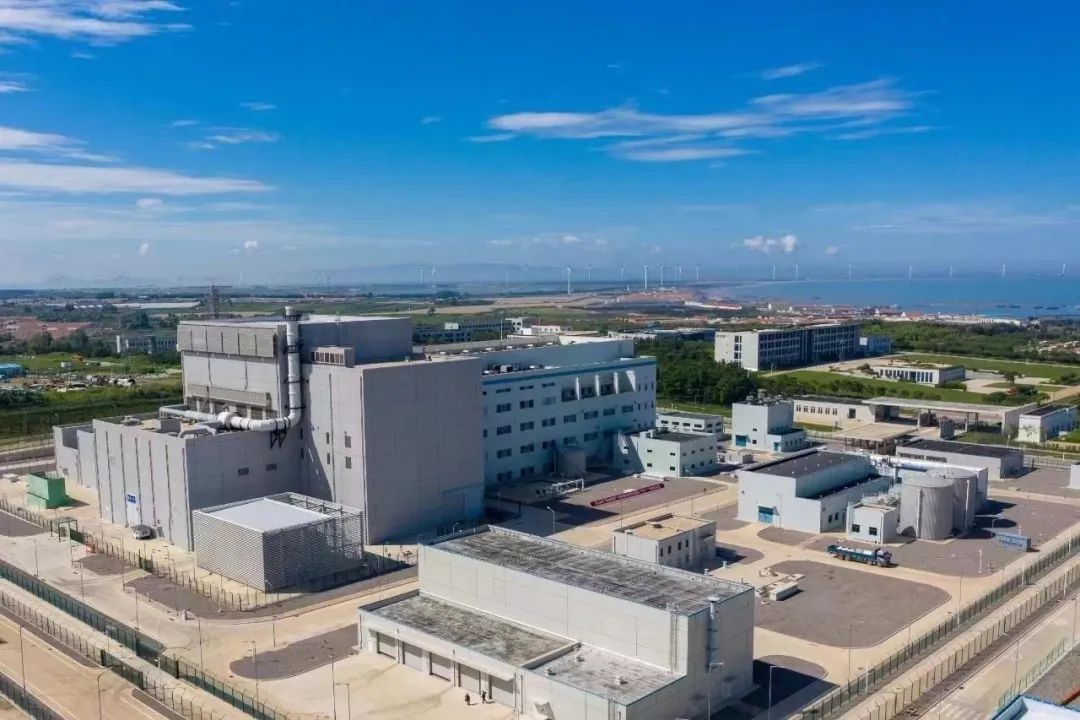
China Unicom Yantai Branch and CNNC Shandong Build 5G Dedicated Network for Nuclear Power
Recently, the 5G dedicated network project jointly built by China Unicom Shandong Yantai Branch and CNNC Shandong was officially deployed and put into operation. Targeting the requirements of nuclear power scenarios for communication network security, reliability, and low latency, the project introduces technologies such as 5G dedicated networks, edge computing, artificial intelligence, and big data to promote the implementation of digital capabilities in nuclear power park construction and production support scenarios. CNNC Shandong, affiliated with China National Nuclear Corporation, undertakes tasks related to nuclear power unit power generation and grid connection. During project construction, China Unicom Shandong Yantai Branch, in collaboration with Huawei, adopted end-to-end domestically produced equipment, achieving independent controllability in both hardware and software, filling the gap in domestic 5G dedicated network construction in the nuclear power sector...
2026-08-28
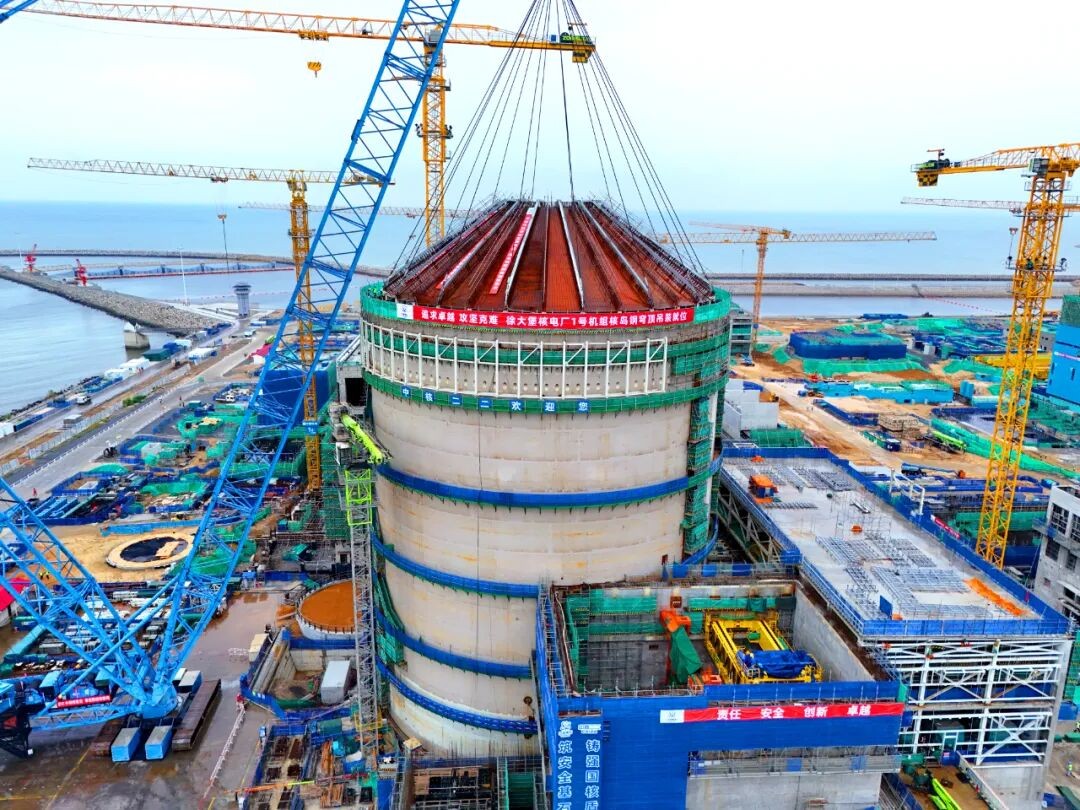
Steel Dome of Unit 1 at Liaoning Xudabao Nuclear Power Plant Hoisted into Place
On August 28, the steel dome of the nuclear island of Unit 1 at Liaoning Xudabao Nuclear Power Plant, invested and controlled by China National Nuclear Corporation (CNNC)'s China National Nuclear Power, was hoisted into place, marking that the large steel structure module construction of the unit has entered its final stage and laying a solid foundation for achieving the milestone of structural completion of the nuclear island buildings. As the core load-bearing structure of the nuclear island, the steel dome sits atop the steel-plate concrete structure, bearing all loads from the passive containment cooling water storage tank and the structures above. It serves as a critical barrier safeguarding the structural integrity and sealing reliability of the reactor building. The dome is conical in shape, composed of radial main beams, ring beams, steel cladding panels, and a bottom steel platform, with a diameter of approximately 41 meters, a height of 11 meters, and a total hoisting weight of nearly 1,000 tons...
2026-08-28
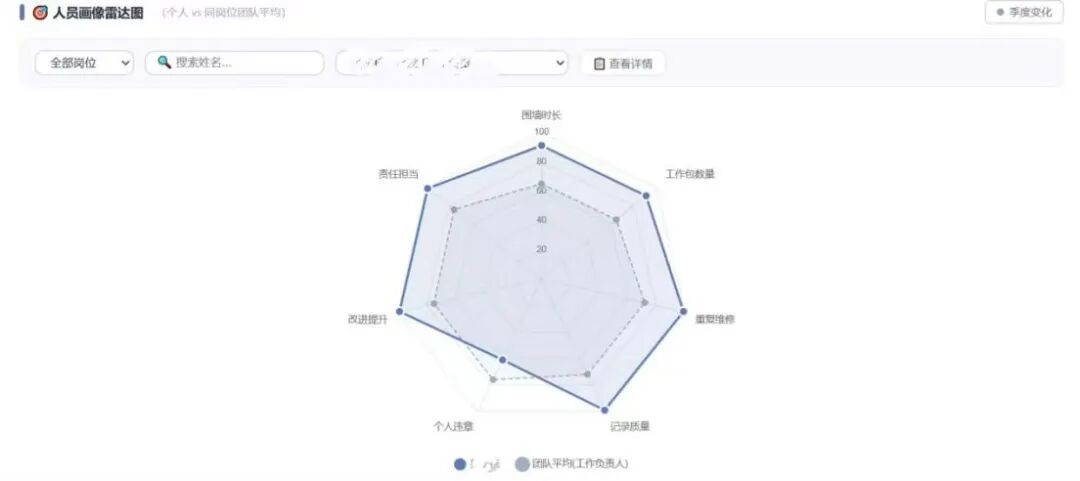
Tianwan Nuclear Power Advances AI-Empowered Intelligent Upgrade of Maintenance Operations
In recent years, the maintenance domain of Tianwan Nuclear Power has relied on platforms such as Hezhi·Longling to address pain points in efficiency, quality, and management across the entire maintenance business chain, promoting the integration of artificial intelligence with nuclear power maintenance scenarios. To date, applications including personnel profiling, work order generation, compliance inspection, and auxiliary generation of electric actuator maintenance plans have achieved phased results, while projects such as the intelligent lifting command platform and marine tunnel cleaning robot are also under development. In personnel management, Tianwan Nuclear Power has established a seven-dimensional personnel capability scoring model, setting differentiated evaluation indicators for different maintenance positions to form position-based, data-driven personnel capability profiles. The system can integrate historical data, support multi-period data retention and trend comparison, and display personnel capability distribution through radar charts, bar charts, and trend graphs. After batch data import, the backend automatically completes normalization calculation, multi-dimensional scoring, and ranking, generating materials that include overall overview, position comparison, special analysis of responsibility performance, and improvement suggestions, providing a basis for training resource allocation, position matching, and differentiated management. To address the issues of time-consuming maintenance work order preparation and reliance on manual experience, the relevant team has developed an intelligent work order preparation assistant based on the Longhuitong intelligent agent platform, forming an application solution of "1 intelligent agent, 1 Skill capability, and 7 categories of professional knowledge bases." The system integrates the historical work order library, maintenance procedure library, equipment ledger library, risk and safety measure library, spare parts and tools library, personnel qualification library, and management procedure library. It can dynamically generate work package catalogs based on historical operation data and procedural requirements, automatically fill in work order business content, and output downloadable Excel work package drafts that can interface with the EPM system. In terms of maintenance quality control, Tianwan Nuclear Power has developed an AI intelligent agent for maintenance compliance inspection. Based on large language models and RAG retrieval-augmented generation technology, this agent can batch receive maintenance procedures, preventive maintenance program lists, and maintenance completion reports, automatically parse document content, and conduct semantic comparison. The system can check item by item the coverage of maintenance procedure implementation steps by the program, while also identifying issues in completion reports such as missing items, omissions, data anomalies, missing signatures, and logical contradictions. The structured inspection reports it outputs can be traced back to specific procedure steps or report entries, and provide rectification suggestions. Intelligent assistance is also being introduced into maintenance of key equipment. Given the large number of electric actuators in nuclear power plants, their complex models, and high maintenance requirements, Tianwan Nuclear Power has developed an auxiliary generation system for electric actuator maintenance plans. After engineering personnel input equipment information and fault descriptions, the system can call upon the electric actuator maintenance knowledge base, historical plans, and equipment data to automatically generate a draft maintenance plan, covering cause analysis, maintenance steps, technical key points, spare parts and tool preparation, and safety precautions. Verified by maintenance engineers, the relevant plans have basically met the conditions for on-site application and can save preparation time for emergency repairs. In addition to applications already deployed, Tianwan Nuclear Power is also advancing the construction of an intelligent lifting command platform. Given the high professionalism and numerous control links involved in crane lifting operations at nuclear power plants, the platform is planned to support both web and API interface usage, and to manage processes such as development, training, and online monitoring through AI models. According to the design, the platform can assist in lifting planning after inputting lifting object parameters and site conditions, recommending equipment and lifting point positions, and alerting to risks such as overload and collision. It can also generate lifting plans based on cargo information, provide handling steps, required materials, and contact person information for emergency situations, and be used for training question bank generation, operation record analysis, and rectification report output. Tianwan Nuclear Power stated that it will continue to expand AI application scenarios in the maintenance domain based on actual production needs, promote the digitalization and intelligent upgrade of maintenance operations, and strengthen network security management while advancing intelligent applications, providing support for the safe and stable operation of the units.
2026-08-28