
Search Results
Keyword:Powe
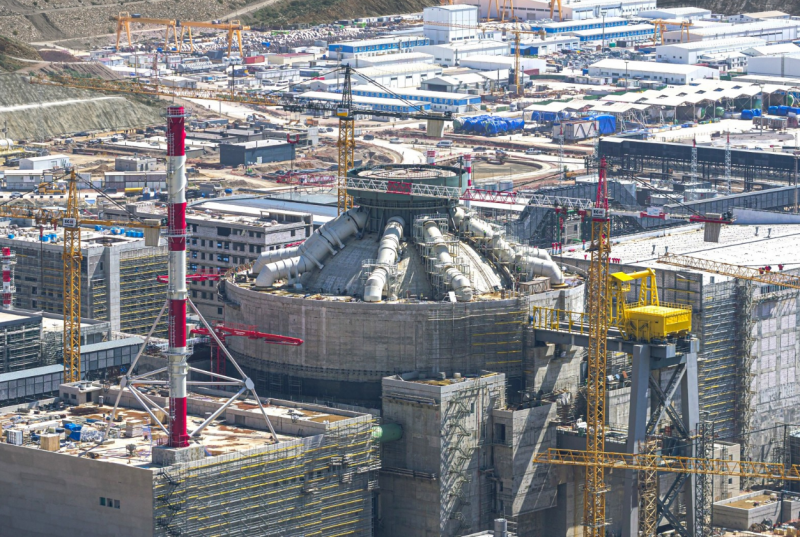
Turkey's Akkuyu Nuclear Power Plant can meet up to 10% of the country's energy consumption once all four units are operational
Rosatom recently released a report stating that the Akkuyu Nuclear Power Plant it is constructing in Turkey can meet up to 10% of Turkey's energy consumption demand once all four units are fully operational. The report notes that nuclear power projects implemented by Rosatom overseas can support relevant countries in enhancing their energy independence. Taking the Akkuyu Nuclear Power Plant as an example, once all four units are in operation, Turkey will have the capacity to meet a considerable portion of its energy consumption through this project. The Akkuyu Nuclear Power Plant is Turkey's first nuclear power plant, constructed with the participation of Rosatom. According to information disclosed by the company, the aforementioned contribution will be realized after all four units...
2026-08-29
Nuclear energy accounts for about 19% of Russia's energy mix
A public report recently released by Rosatom shows that nuclear energy currently accounts for approximately 19% of the Russian Federation's energy mix. The report states that the total low-carbon electricity produced by Rosatom's enterprises has exceeded 220 billion kWh, including nuclear and wind energy. If all power generation enterprises under the group are included in the calculation, including nuclear power plants, thermal power plants, and wind farms, their total electricity generation accounts for about 20% of Russia's national electricity output. The report also mentions that the floating nuclear power plant in Pevek on the Chukotka Peninsula has been in operation for five years, with cumulative electricity generation reaching 1 billion kWh. This facility is currently the only operating floating nuclear power plant in the world....
2026-08-30
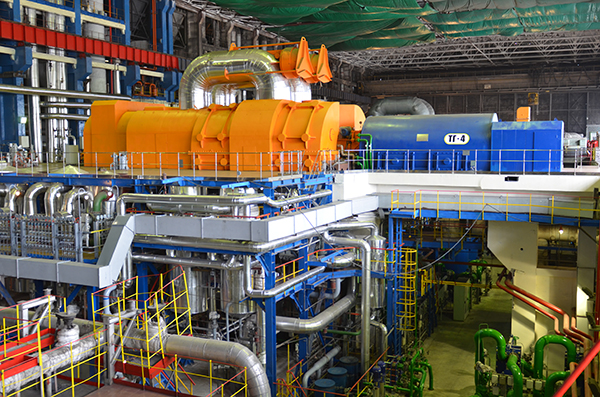
Russian Power Machines plans to deliver two nuclear steam turbines per year starting from 2029
Power Machines, a Russian company, expects to deliver two steam turbines for nuclear power plants to customers annually starting from 2029. Anton Viktorov, Deputy General Director and Head of the Nuclear Energy Division, revealed that the relevant production capacity arrangements have been incorporated into the company's future plans. Viktorov stated that the company plans to sign contracts for three nuclear power units in 2026, along with several maintenance contracts for steam turbine and generator equipment; negotiations are also underway for contracts covering three additional units. He noted that this task places high demands on the company's production capacity organization and project execution. In terms of manufacturing capabilities, Power Machines previously disclosed that the company plans to produce 7 gas turbines and 14 steam turbines in 2026. With subsequent additional investments and production capacity expansion, the relevant factories will have the capacity to produce 10 sets of equipment annually starting from 2029.
2026-08-30
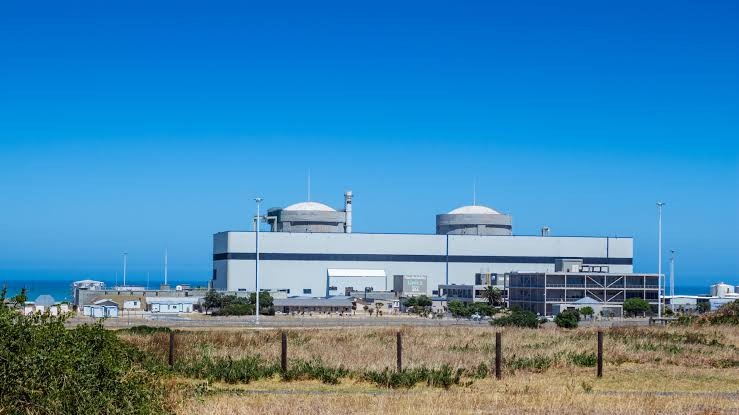
Unit 1 at South Africa's Koeberg Nuclear Power Station Automatically Shuts Down
South Africa's state-owned power utility Eskom has stated that Unit 1 at the Koeberg Nuclear Power Station automatically shut down after the reactor safety system was triggered. The cause of the incident is currently under investigation. According to Eskom, the unit's turbine has been taken offline, and there is no nuclear safety risk at the site. The company noted that prior to the earlier fish kill and their entry into the water intake area, the generating unit had been operating reliably. Koeberg Nuclear Power Station is located on South Africa's Atlantic coast, near Cape Town. Several days ago, large numbers of dead fish entered the station's water intake area, clogging the cooling pumps and triggering the safety system, after which the cooling pumps automatically shut down and Unit 1's power output was reduced. Unit 2 is currently in a planned maintenance outage.
2026-08-29
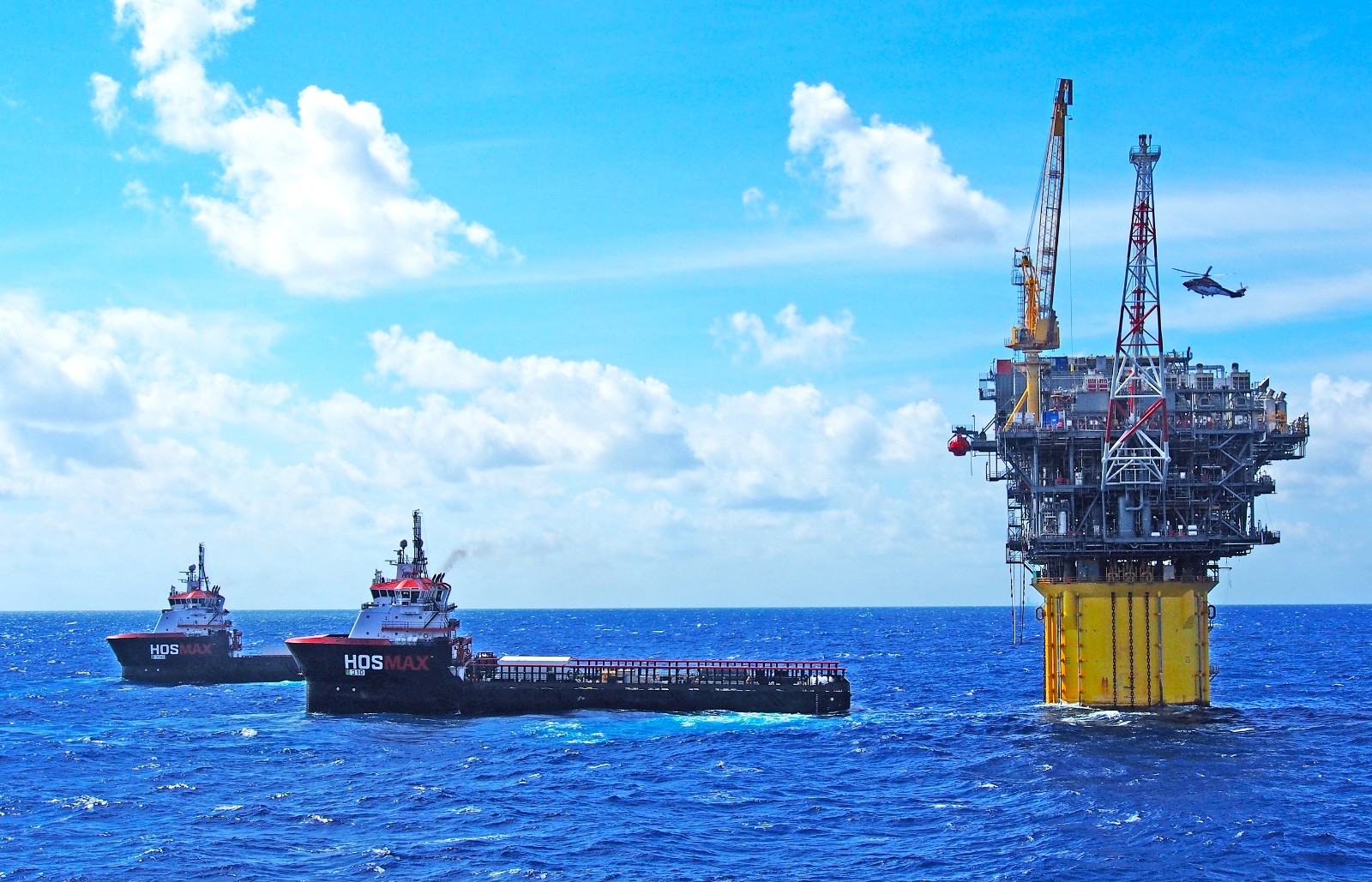
U.S. Deployable Energy Microreactor Selected for Two Nuclear Energy Demonstration Projects
Deployable Energy announced on August 28 that its advanced deployable energy system has been selected for two upcoming demonstration projects under the National Reactor Innovation Center (NRIC): a full-power demonstration of the nuclear energy startup platform at Idaho National Laboratory (INL), and an offshore demonstration of the U.S. nuclear energy startup platform in collaboration with Hornbeck Offshore. Established in 2019, the National Reactor Innovation Center works primarily with industry and the U.S. national laboratory system to advance nuclear technologies from conceptual design through demonstration, validation, and commercial deployment. The two selected projects will continue Deployable Energy's prior collaboration with INL under the nuclear energy startup platform program, accumulating technical and operational data to support subsequent testing, validation, and regulatory engagement for advanced nuclear technologies.
2026-08-29
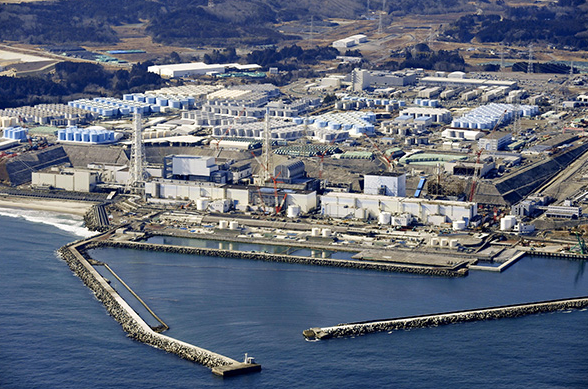
Japan to Establish New Decontamination Base in Okuma, Fukushima
Japan's Ministry of the Environment has decided to establish a new work base in Okuma Town, Fukushima Prefecture, in the next fiscal year to coordinate decontamination and house demolition work in difficult-to-return zones following the accident at Tokyo Electric Power Company (TEPCO)'s Fukushima Daiichi Nuclear Power Station, aiming to accelerate environmental recovery in the affected areas. Within seven municipalities surrounding the Fukushima Daiichi Nuclear Power Station, approximately 309 square kilometers have been designated as difficult-to-return zones. These areas remain under strict control, with restrictions on residential habitation and entry, and evacuation orders remain in effect. Within the difficult-to-return zones, the Japanese government has established "specified return residential areas" and plans to advance decontamination, house demolition, and other measures based on residents' intentions to return. The proposed new base in Okuma Town will be responsible for on-site management and project coordination, with approximately 30 staff members expected to be assigned, and the relevant branch office currently located in Hirono Town will be relocated to Okuma Town.
2026-08-30
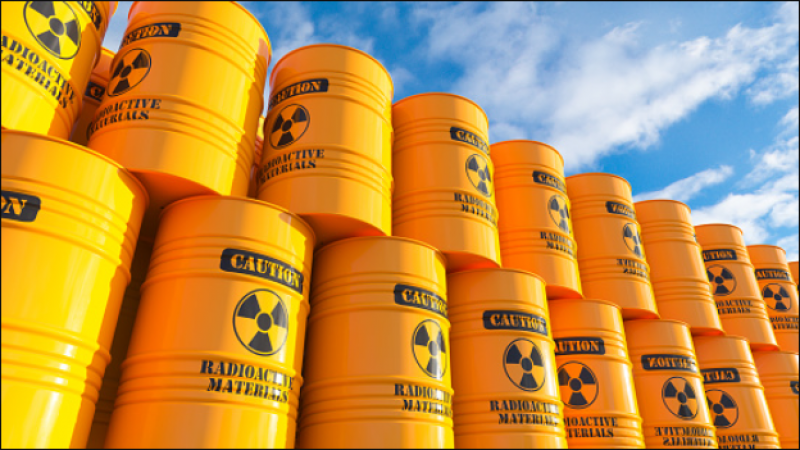
Japanese Nuclear Regulator Inspects Horonobe Geological Disposal Research Facility for High-Level Radioactive Waste
On August 28, Shinya Nagasaki and other members of Japan's Nuclear Regulation Authority (NRA) inspected an underground research facility in Horonobe Town, Japan. The facility, operated by the Japan Atomic Energy Agency (JAEA), conducts technical research on deep geological disposal of high-level radioactive waste. Geological disposal of high-level radioactive waste involves encapsulating the waste and burying it deep underground, achieving long-term isolation through engineered and natural geological barriers. During the inspection, Nagasaki and his delegation examined test facilities used to evaluate the corrosion resistance of iron containers. The tests simulate the environment of containers holding heat-generating radioactive waste after being buried underground...
2026-08-30
Japan's Fukui Prefecture Approves KEPCO's Construction of Dry Cask Storage Facilities for Spent Fuel
Fukui Prefecture Governor Tatsuji Sugimoto announced on August 28 that he approved Kansai Electric Power Company's (KEPCO) plan to construct dry cask storage facilities for spent fuel within the premises of the Mihama and Takahama nuclear power plants in Fukui Prefecture. The decision was made in accordance with the safety agreement between Fukui Prefecture and KEPCO. KEPCO plans to apply to the Nuclear Regulation Authority (NRA) for approval of the relevant design and construction plans as early as August 31. KEPCO plans to build dry cask storage facilities at three nuclear power plants in Fukui Prefecture to temporarily store spent fuel and prepare for future transport to an interim storage facility outside Fukui Prefecture. Among these, the plans for the Mihama and Takahama nuclear power plants...
2026-08-29
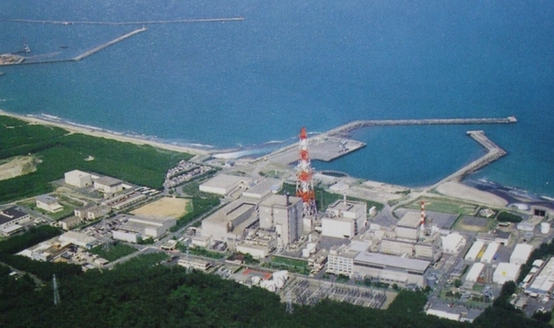
Further Delay in Completion of Safety Measures at Japan's Tokai Daini Nuclear Power Plant
Japan Atomic Power Company (JAPC) announced on August 28 that the safety measure works required for the restart of the Tokai Daini Nuclear Power Plant in Tokai Village, Ibaraki Prefecture, are now expected to be completed between October 2028 and March 2029 (the second half of fiscal 2028), delayed from the original target of December 2026. This marks the fourth postponement of the completion schedule for the plant's safety measures. One of the key projects among the safety measures at Tokai Daini is the construction of a seawall approximately 17 meters high to protect against tsunamis. In June 2023, defects including incomplete concrete filling and deformed rebar were discovered in the seawall's foundation works, and related construction was subsequently suspended. JAPC has since applied to the Nuclear Regulation Authority (NRA)...
2026-08-29

South Korean survey shows 80% of respondents support including new nuclear power plants in power planning
An energy public perception survey released by the Korea Energy Information Culture Foundation on August 28 showed that 82.9% of respondents believed it is necessary to include plans for new nuclear power plants in the 12th Basic Plan for Electricity Supply and Demand currently being formulated, in response to future growth in electricity demand. The survey was commissioned by the Korea Energy Information Culture Foundation and conducted by Korea Research International via telephone interviews from June 12 to 15, targeting 2,000 adults aged 18 and above. The response rate was 10.0%, with a sampling error of...
2026-08-30
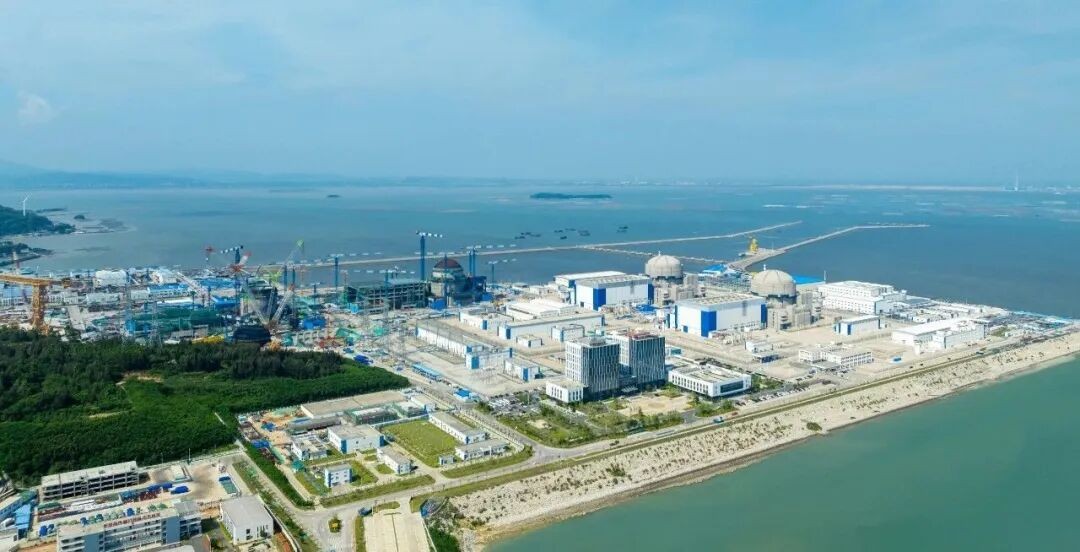
Zhangzhou Nuclear Power Units 3 and 4 Trench Civil Engineering Completes Milestone Phase
On August 27, with the final cubic meter of concrete poured into place, the B1 and B6 sections of the GS and GB trench civil engineering works for Zhangzhou Nuclear Power Units 3 and 4, undertaken by CNNC Huachen, along with the No. 4 overflow well, successfully completed their milestone phase. This phase involved multi-disciplinary cross-operations spanning civil works, installation, electrical, and piping, characterized by complex construction conditions and significant coordination challenges. Among these, Section B1, as the project's main critical path, featured narrow working areas, difficult access for large equipment, and intensive vertical and horizontal cross-operations among multiple units. Seven days before commencement, the project department established a dedicated planning team to verify site conditions, material routes, and cross-operation scopes drawing by drawing, identifying key difficulties such as foundation pouring, equipment positioning, and material supply, and conducting multiple rounds of discussions to optimize the construction plan. The construction period coincided with the rainy season, and Section B1, situated in a low-lying area, faced a high risk of rainwater backflow. The project department implemented measures including full-coverage rain shelters over the base slab, water-retaining curbs at passage openings, and round-the-clock pumping in two shifts, securing dry working areas amid accumulated water; simultaneously, discarded waterproof membranes were collected and reused to cover rebar cages and scaffolding, preventing corrosion and slippery conditions. On-site daily meetings were held, management personnel maintained 24-hour duty, and verbal confirmation with signed handovers was practiced, ensuring issues were resolved the same day, with no plan failures, rain-related stoppages, or process disconnections throughout the period. Facing the immense scheduling pressure from multi-process cross-operations, the project department established a dynamic scheduling system. In terms of manpower loading, fixed posts and personnel quotas were implemented, with zonal responsibility and flexible reinforcement; during peak periods, core work crews were consolidated and work areas were precisely delineated. For machinery, a dynamic scheduling ledger was established, with tower cranes, excavators, and lifting equipment staggered and cross-utilized. Material coordination was also optimized through advance stocking, zoned storage, dedicated management, and emergency replenishment. During the campaign, when the transport of main materials was obstructed, the project department organized management staff and labor crews to manually carry rebar, pipes, and auxiliary materials point-to-point to the working areas, effectively safeguarding project progress. Currently, the main structure construction of the GS and GB trenches by the Zhangzhou Nuclear Power Project Department has achieved phased results, with the GB trench completing 74 sections cumulatively, an 82% completion rate, and the GS trench exceeding 1,160 meters, accounting for 72% of the total length. The company will further strengthen construction organization, optimize construction logic, and continue to advance the remaining sections of the Zhangzhou Nuclear Power Project Department, fully ensuring high-quality performance of the contracted projects.
2026-08-29
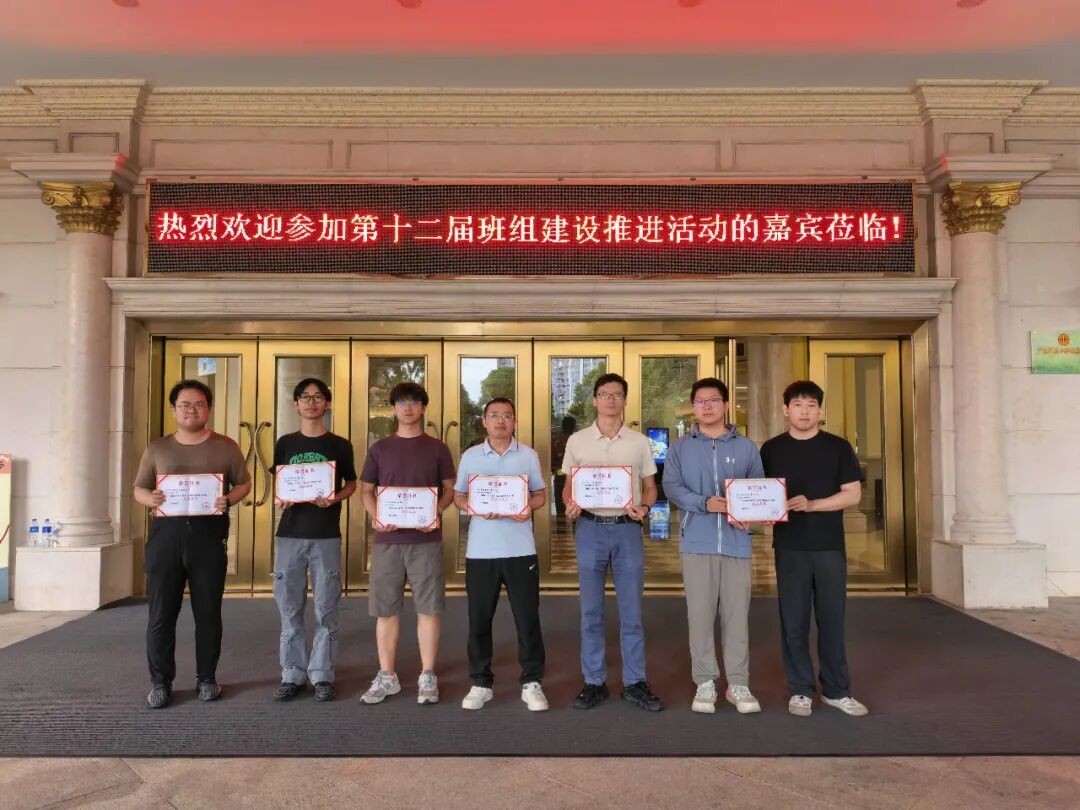
Lufeng Nuclear Power Achieves Outstanding Results in First Provincial Quality-Trustworthy Team Selection
On August 19, the Quality Assurance Department of Lufeng Nuclear Power led multiple teams from the company's Mechanical Department Valve and Pipe Section, Hualong Operation Department Shift 1, Electrical Department Power Distribution Section, Technical Support Department Specification Control Section, Production Service Department Installation Management Section, and Quality Assurance Department Engineering Quality Assurance Section to participate in the 12th Quality-Trustworthy Team Construction Experience Exchange Conference organized by the Guangdong Quality Association. This selection covered a wide scope with stringent review criteria, bringing together outstanding teams from various industries across the province to compete on the same platform. Lufeng Nuclear Power made its debut at this provincial-level quality event, and all participating teams stood out among numerous competitors by leveraging solid foundational management, standardized process control, and well-established improvement mechanisms, achieving impressive overall results.
2026-08-29
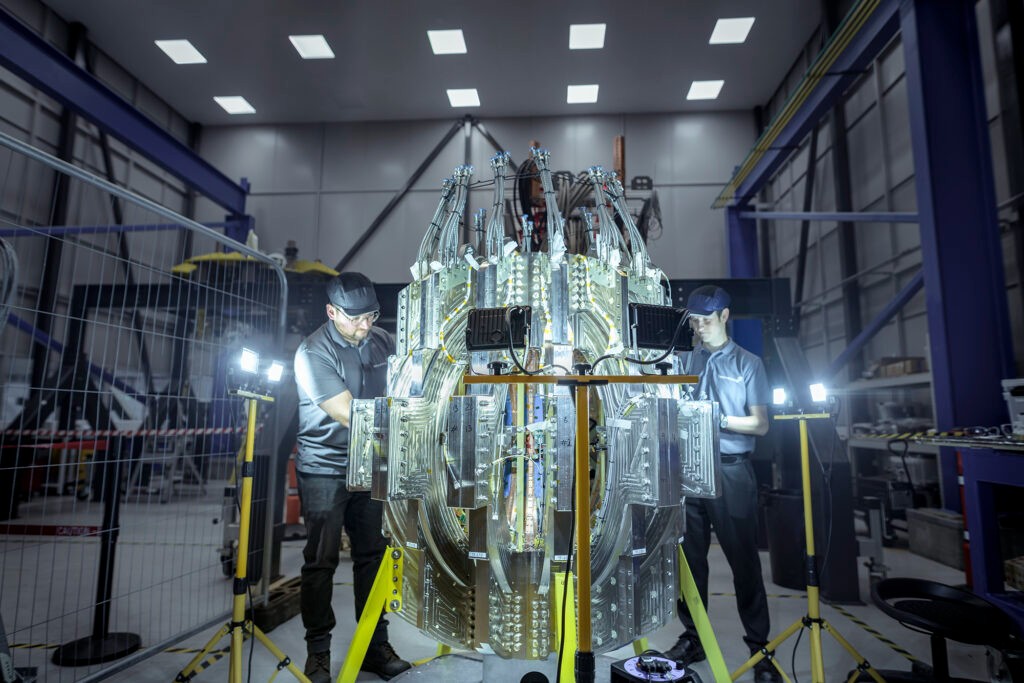
UK Fusion Energy Company Files 50th Patent Application
UK Fusion Energy (UKFE) filed its 50th patent application this week, marking new progress in the UK's efforts to advance fusion energy commercialization and related intellectual property development. UKFE is a government-backed organization responsible for developing and protecting intellectual property arising from the STEP fusion prototype plant project and driving the transfer of related innovations to industry. Since 2025, the organization has filed 52 patent applications and published 108 technical disclosures and 2 patent applications. These achievements cover key technologies required for the construction of the STEP prototype facility, as well as some innovations applicable beyond the fusion energy sector. UKFE stated that the intellectual property portfolio reflects the breadth and pace of the project's R&D activities.
2026-08-28
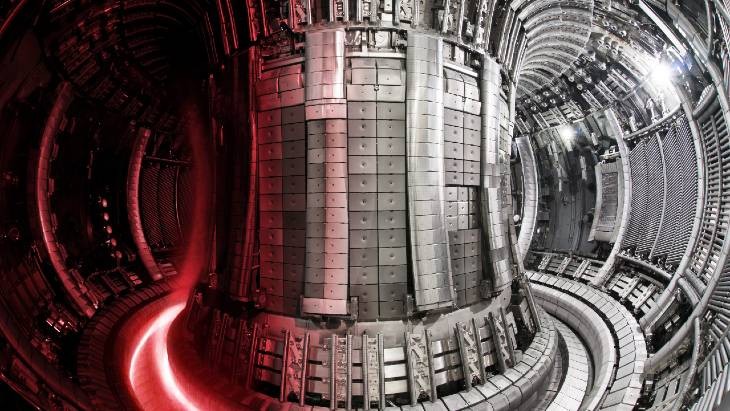
UK JET Decommissioning Project to Trial Asset-Based Decommissioning Approach
The JET Decommissioning and Repurposing (JDR) project recently announced that it will trial an asset-based decommissioning approach in three areas of the JET facility during the next phase of work. These areas were once part of the power supply infrastructure during JET plasma operations. This trial work will support the overall development of the Culham Campus and, in conjunction with the Strategic Investment and Development for Energy and AI (STRIDE) programme, facilitate land remediation to create conditions for the installation of a fourth supergrid transformer. JDR has signed a contract with Ramco UK to undertake the relevant trial work. JDR Engineering Integration Manager Steve...
2026-08-28
NRC Approves Environmental Assessment for Small Modular Reactor at Texas Industrial Site
The U.S. Nuclear Regulatory Commission (NRC) recently completed the environmental assessment of applications submitted by Long Mott Energy and X-energy, issuing a finding of no significant impact. This conclusion marks a key milestone in the construction permit review process for the advanced reactor project planned for Seadrift, Texas. The project plans to build a 320-megawatt small modular reactor at Dow's industrial manufacturing site in Seadrift to provide electricity and high-temperature industrial steam to the facility. Long Mott Energy is a wholly owned subsidiary of Dow, and the project intends to use X-energy's advanced reactor technology to serve the energy needs of industrial facilities along the Texas Gulf Coast.
2026-08-28