
Search Results
Keyword:Qinshan Nuclear Power
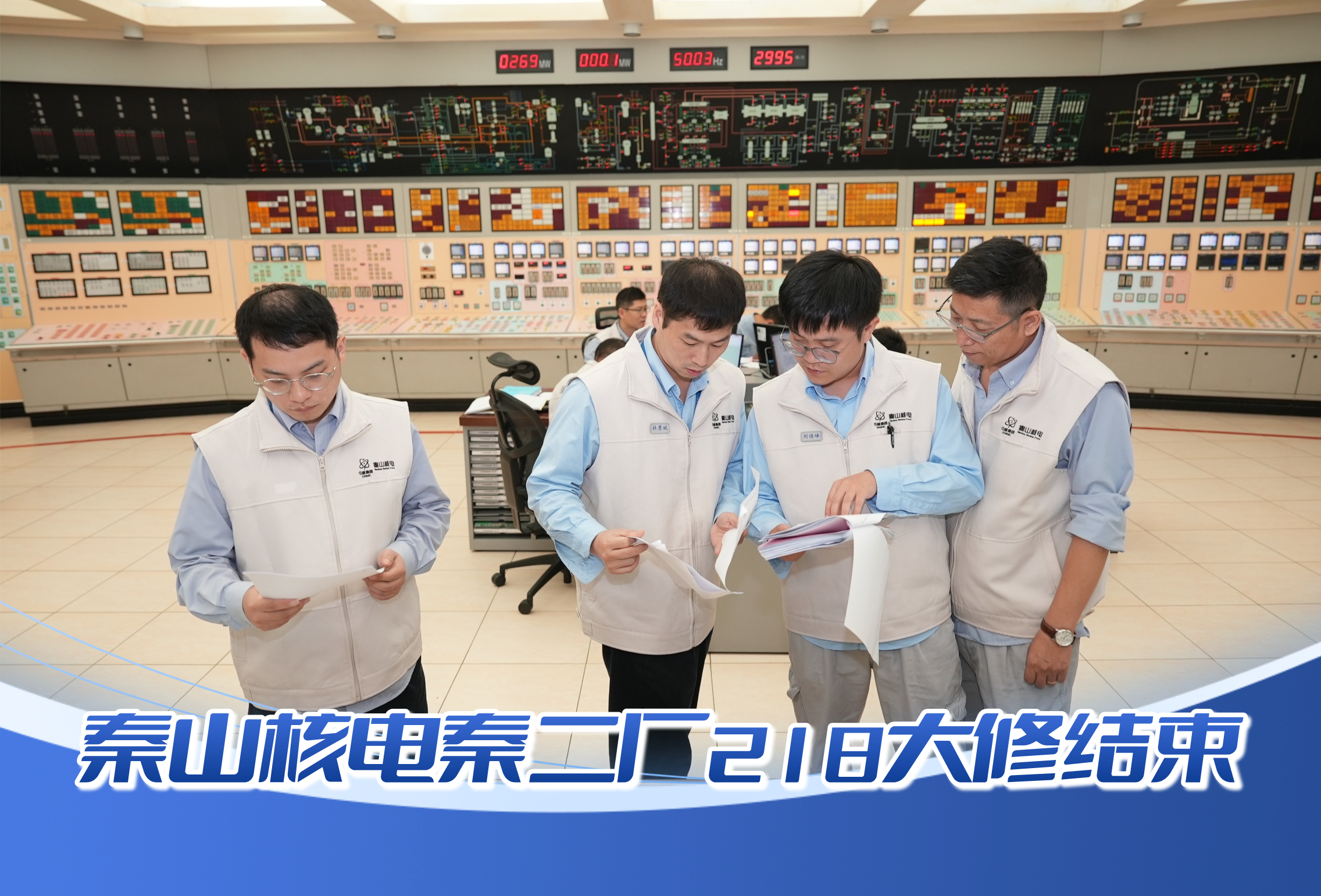
Qinshan Nuclear Power Plant Unit 2 of Qinshan Phase II Completes 218 Refueling Outage
At 18:30 on September 29, Unit 2 of Qinshan Phase II was successfully connected to the grid, marking the official completion of the 218 refueling outage. During this outage, more than 5,300 tasks were completed, mainly including the PSR weakness modification for prevention of boron misdilution, addition of automatic primary coolant makeup and residual heat removal eddy current detection functions, excitation system modification for the B-train emergency diesel generator, disassembly and inspection of the turbine-generator, annual inspection of the main transformer and station service transformer, replacement of No. 2 and No. 3 seals of the No. 2 main coolant pump, disassembly and inspection of the No. 1 charging pump, modification of the nuclear island switchboards, condenser cleaning and eddy current inspection, and optimization of the pipe supports where the safety injection system safety valves are located. These important tasks have laid a solid foundation for the safe and stable operation of the unit in the next fuel cycle. All outage personnel, under the...
2026-09-29

Qinshan Nuclear Power Completes Overhaul Validation of Grille Cleaning Robotic Arm
The grille cleaning robotic arm, an integrated system of UAV-based intelligent inspection and robotic arm automatic cleaning independently developed by the Mechanical Team of the Fourth Maintenance Division at Qinshan Nuclear Power, recently completed on-site validation during the Unit 2 312 overhaul at Qinshan Phase II. Designed for seawater system intake grille cleaning scenarios, this equipment transforms the original manual operation requiring entry into deep wells into an unmanned operation conducted under ground-based remote monitoring. The intake grille serves as a critical barrier for the cooling water system of a nuclear power plant, and its unobstructed condition is directly related to the stable operation of the unit. In traditional cleaning methods, workers were required to enter narrow shafts more than twenty meters underground to perform inspection and cleaning in confined spaces, which involved high labor intensity, low efficiency, and safety risks such as falls from height...
2026-09-03
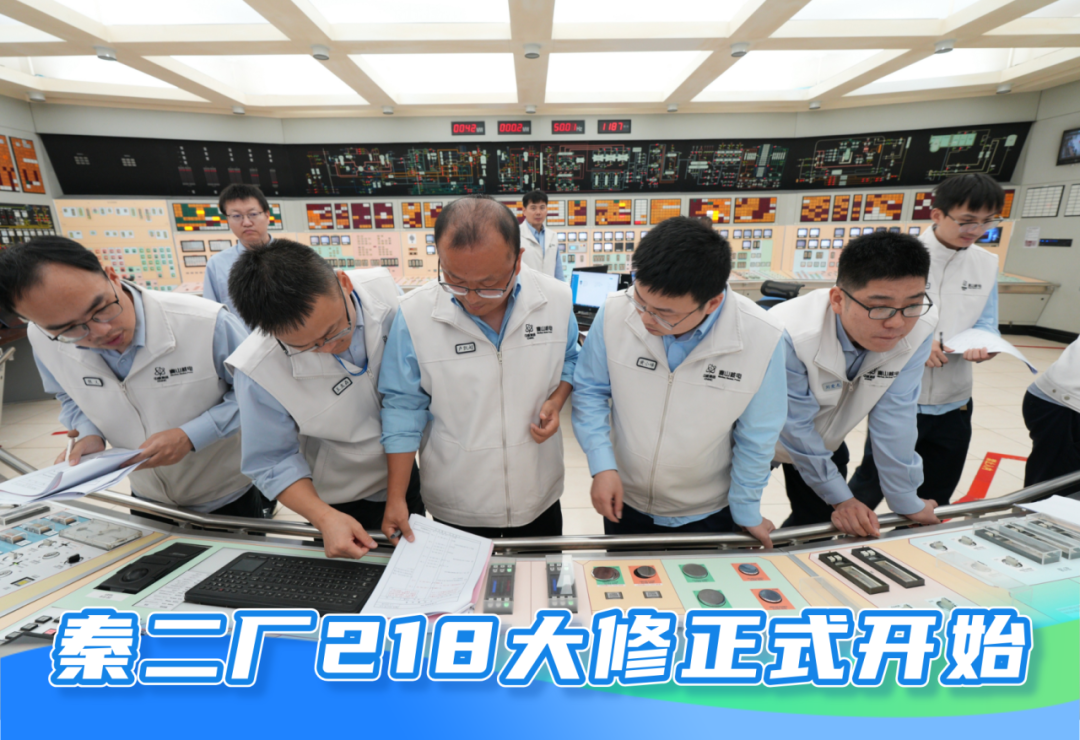
Qinshan Nuclear Power Plant Unit 2 Outage 218 Officially Commences
At 2:20 AM on September 1, Unit 2 of Qinshan Phase II was disconnected from the East China Power Grid, marking the official commencement of Outage 218. This outage is a Category C overhaul for Unit 2 of Qinshan Phase II. In addition to the routine annual overhaul items such as reactor coolant system head removal and installation, fuel handling, SG eddy current inspection and flushing, it also includes important special tasks such as generator rotor removal, insertion and inspection, diesel generator excitation system renovation, PSR weakness anti-boron dilution modification, reactor coolant system automatic makeup and residual heat removal eddy current detection function, and nuclear island low-voltage switchgear renovation. The planned items for this outage total 6,119: including 3,764 preventive items, 171 strategic maintenance items, 789 periodic tests, 133 modification work orders, and 1,262 other types of work.
2026-09-01
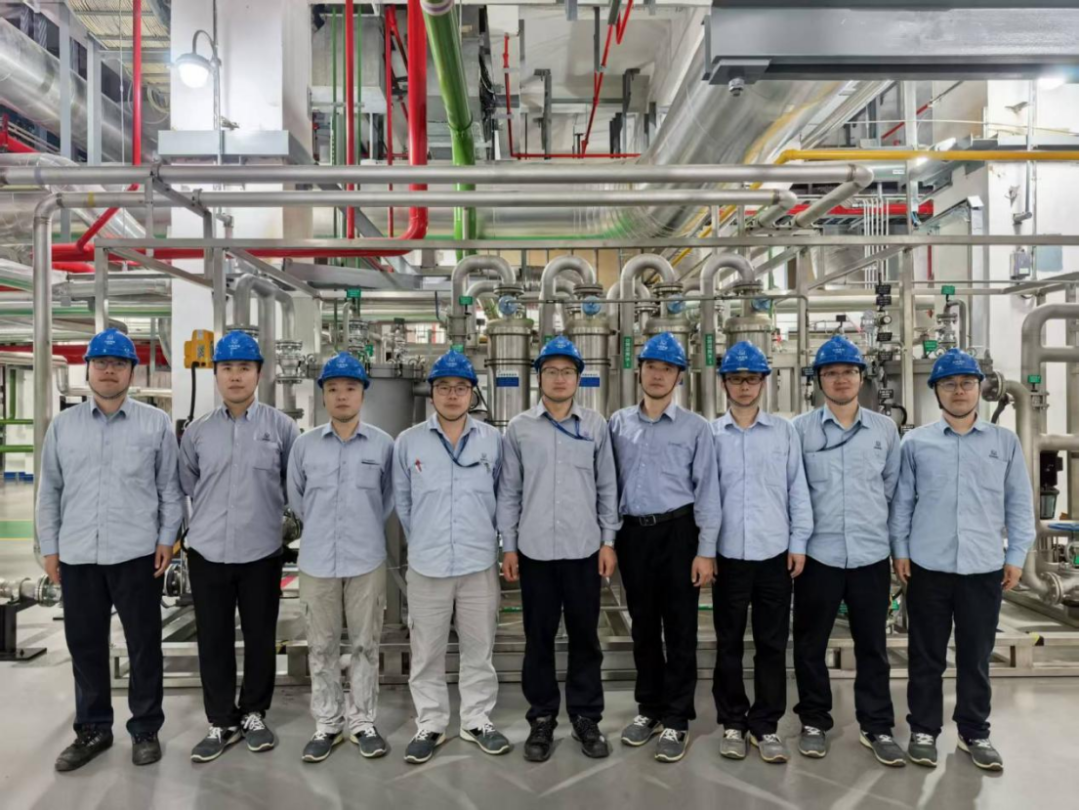
Qinshan Nuclear Power Membrane Deoxygenation Retrofit Project Put into Operation
Recently, the membrane deoxygenation retrofit project at Qinshan Nuclear Power completed commissioning and was put into operation. The project applies membrane deoxygenation technology to the auxiliary feedwater system (ASG) and reactor boron and water makeup system (REA) of Units 1 and 2 at Qinshan Nuclear Power Plant Phase II, optimizing and upgrading the original deoxygenation process. Units 1 and 2 of Qinshan Phase II originally adopted thermal deoxygenation. During long-term operation, this method presented issues such as insufficient redundancy in single-train equipment operation, high temperature and humidity on site, and potential exceedance of auxiliary feedwater tank temperature limits during summer peak temperature periods. To enhance system operational reliability, Qinshan Nuclear Power initiated relevant technical retrofits, introducing membrane separation packaged units to form a parallel standby configuration with the original thermal deoxygenation system, allowing flexible switching...
2026-08-28
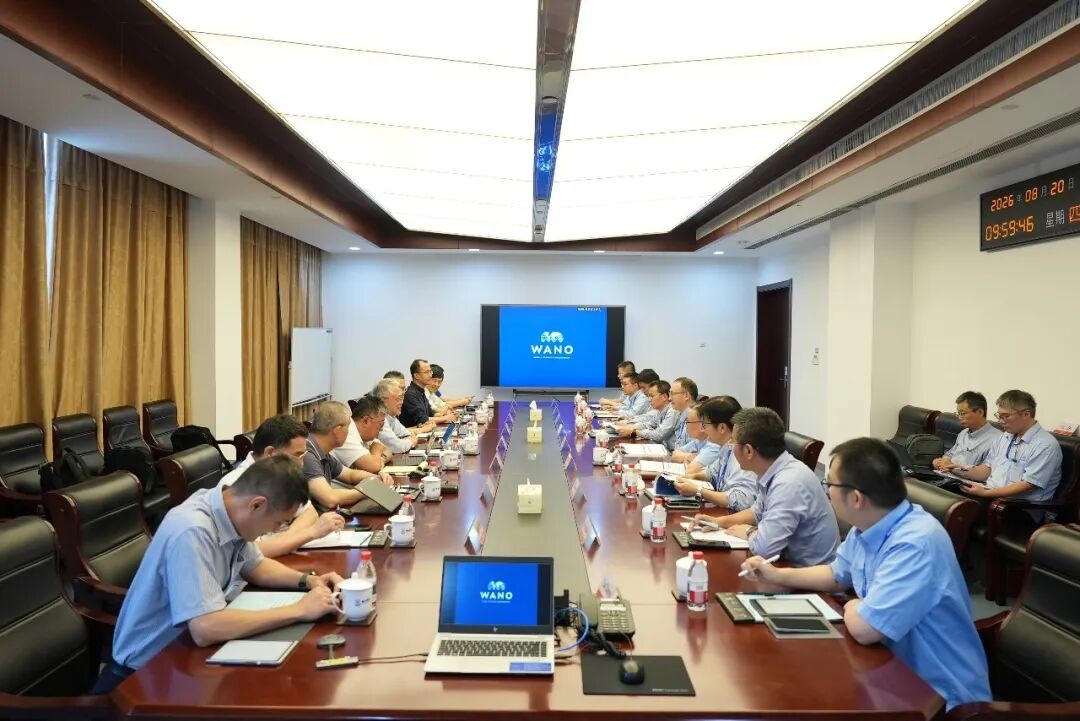
Qinshan Nuclear Power Receives On-Site Visit for WANO Enhanced Performance Monitoring and Achieves Highest Rating
Recently, experts from the World Association of Nuclear Operators (WANO) Tokyo Center and Shanghai Office visited Qinshan Nuclear Power to conduct an on-site Enhanced Performance Monitoring (ePM) assessment for its nine units. Based on a comprehensive evaluation, the WANO on-site visit team unanimously concluded that Qinshan Nuclear Power has demonstrated steady overall performance improvement in recent years and currently operates at the industry's highest "benchmark" level, with expectations that performance across key areas will remain stable or continue to improve over the next six months. Additionally, WANO experts conducted follow-up evaluations on selected Areas for Improvement (AFIs) and Significant Operating Experience Report (SOER) recommendations arising from the 2025 WANO peer review of Qinshan Nuclear Power's nine units, deeming the overall results satisfactory. At a summary meeting held on August 20...
2026-08-22