
Search Results
Keyword:RI
Qinshan Nuclear Power Receives On-Site Visit for WANO Enhanced Performance Monitoring and Achieves Highest Rating
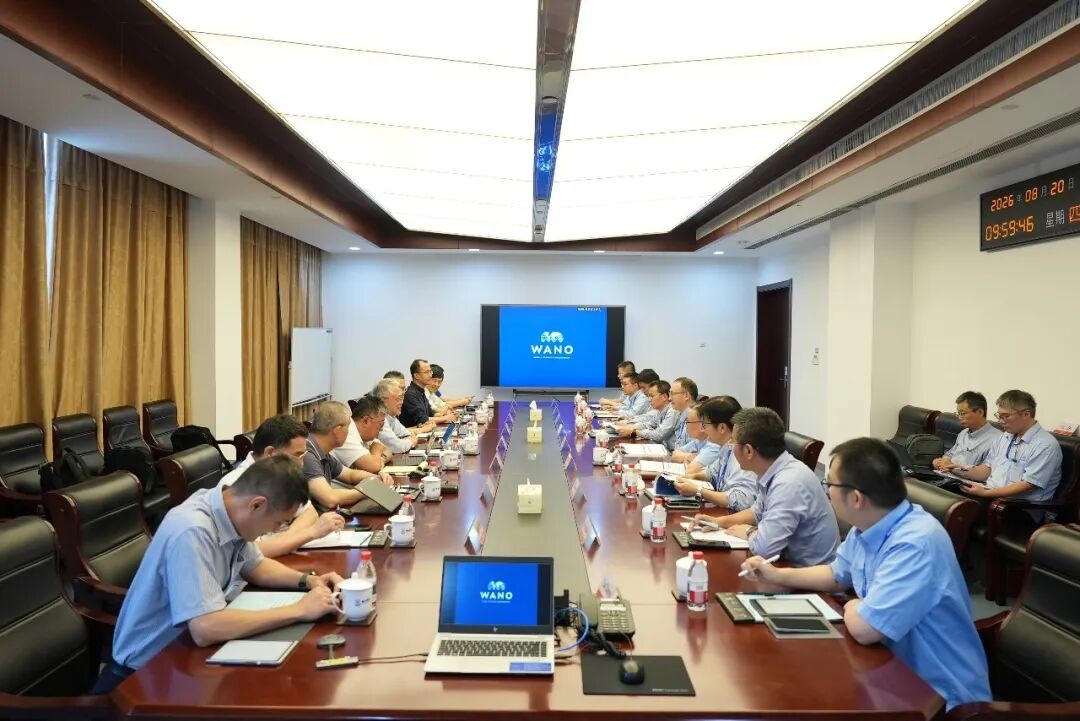
Recently, experts from the World Association of Nuclear Operators (WANO) Tokyo Center and Shanghai Office visited Qinshan Nuclear Power to conduct an on-site Enhanced Performance Monitoring (ePM) assessment for its nine units. Based on a comprehensive evaluation, the WANO on-site visit team unanimously concluded that Qinshan Nuclear Power has demonstrated steady overall performance improvement in recent years and currently operates at the industry's highest "benchmark" level, with expectations that performance across key areas will remain stable or continue to improve over the next six months. Additionally, WANO experts conducted follow-up evaluations on selected Areas for Improvement (AFIs) and Significant Operating Experience Report (SOER) recommendations arising from the 2025 WANO peer review of Qinshan Nuclear Power's nine units, deeming the overall results satisfactory. At a summary meeting held on August 20...
2026-08-22
ITER vacuum vessel assembly in France progresses steadily, with five European sectors at different critical stages
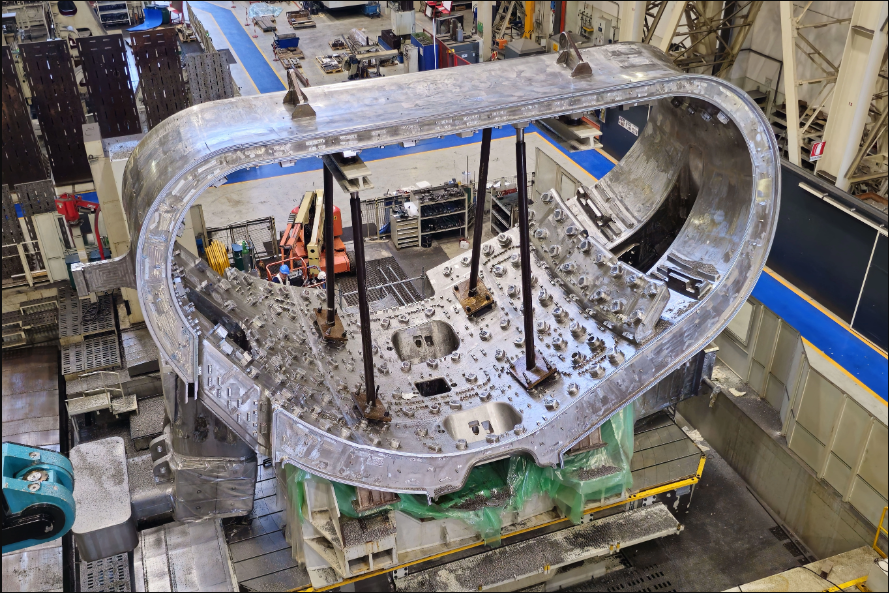
The vacuum vessel assembly work for the International Thermonuclear Experimental Reactor (ITER) project in southern France is progressing steadily. As the core component of the ITER tokamak device, the vacuum vessel will contain the plasma confined by superconducting magnets, serving as the critical space where fusion reactions occur. This stainless steel ring-shaped structure weighs approximately 5,200 tonnes in total, measures 19.4 meters in diameter, and consists of nine sectors, five of which are manufactured by Europe. The European Fusion for Energy organization (F4E), together with the AMW consortium comprising Ansaldo Nucleare, Westinghouse Electric Italy, and Walter Tosto Company, is responsible for the related manufacturing work.
2026-08-21
Progress in Tritium Containment and Radiation Protection Materials Research at the Institute of Plasma Physics, Chinese Academy of Sciences
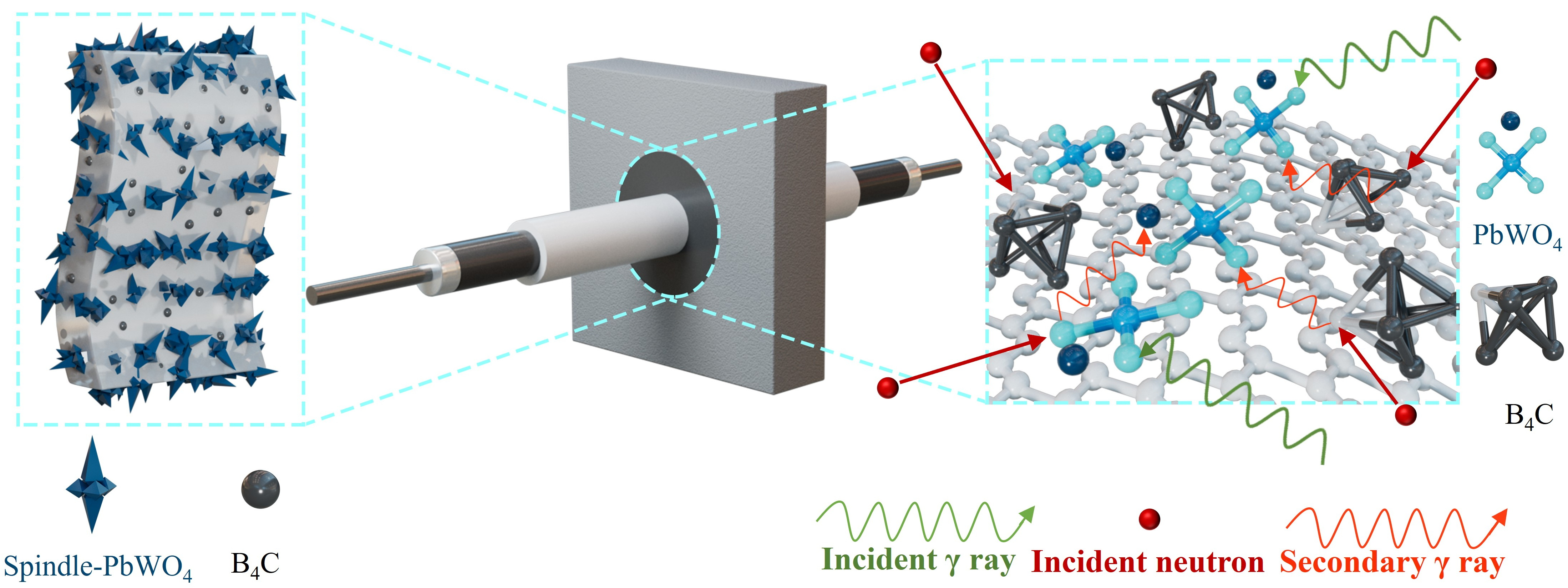
Recently, Associate Researcher Huo Zhipeng of the Fusion Reactor Blanket and Safety Research Center at the Institute of Plasma Physics, Chinese Academy of Sciences, together with his supervised master's students Zhang Jie and Chen Zuoyang, developed a class of flexible PbWO4-B4C reinforced silicone rubber composites with dual functions of tritium safety containment and nuclear radiation protection. The related research results were published in Journal of Materials Research and Technology. Future fusion facilities require comprehensive performance from radiation protection materials in tritium safety containment systems, including airtight sealing, flexibility for easy assembly and disassembly, and radiation shielding capability, for penetration hole sealing, post-maintenance, and high-flux neutron and γ-ray radiation protection. The research...
2026-08-21

UK Low-Level Waste Disposal Site STIM Project Rail Transport Completed Ahead of Schedule
The Southern Trench Interim Membrane (STIM) project at the UK's Low Level Waste Repository in Cumbria has completed its final aggregate rail deliveries, with related deliveries completed approximately one month ahead of schedule. Nuclear Waste Services (NWS) is progressing with capping works at the site, implementing long-term management of trenches and vaults used decades ago for the disposal of low-level radioactive waste. The current focus is on replacing the protective membrane above the southern trenches. This membrane reduces rainwater infiltration into the waste areas below, helping to lower environmental risks and creating conditions for the subsequent final capping of the northern trenches. The STIM project requires substantial quantities of aggregate to be placed on the trench cover. Since February 2025...
2026-08-21
German SIBAF Project Receives €9.7 Million to Support Fusion Materials Research
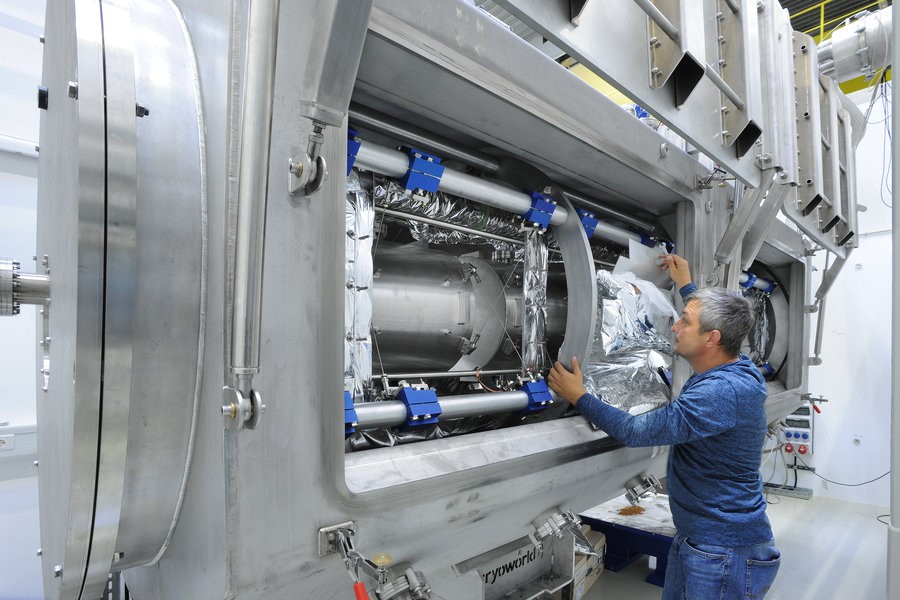
On August 20, 2026, with funding from the German Federal Ministry of Research, Technology and Space (BMFTR), the SIBAF project will launch the construction of an accelerator infrastructure for fusion materials research. The project, whose full name is Superconducting Ion Accelerator as a Foundational Technology for Fusion Research, will receive €9.7 million over three years, of which €8.1 million is allocated to the GSI Helmholtz Centre for Heavy Ion Research (GSI) and its Facility for Antiproton and Ion Research (FAIR), currently under construction. Goethe University Frankfurt will also participate in the project. SIBAF is part of the funding program "Fusion Foundational Technologies — Toward the Fusion Power Plant." Project objectives...
2026-08-21

U.S. Customs and Border Protection Awards OSI Systems $85 Million Contract for Mobile X-Ray Inspection Systems
On August 19, 2026, OSI Systems announced that its Security division has been awarded a five-year indefinite delivery/indefinite quantity contract by U.S. Customs and Border Protection, with a ceiling value of approximately $85 million. Under the contract arrangement, OSI Systems will provide U.S. Customs and Border Protection with van-mounted mobile Rapiscan X-ray inspection systems for baggage and parcel screening. The company stated that the initial task order under the contract is valued at approximately $21 million, covering the delivery of mobile inspection systems and training for relevant operators. Ajay Mehra, President and CEO of OSI Systems, stated that this multi-year contract reflects the company's commitment to providing technology support for border security and demonstrates the capabilities of its mobile inspection product portfolio. The company will continue to work with U.S. Customs and Border Protection to deploy mobile screening platforms and provide customs and border officers with the necessary equipment and training.
2026-08-21
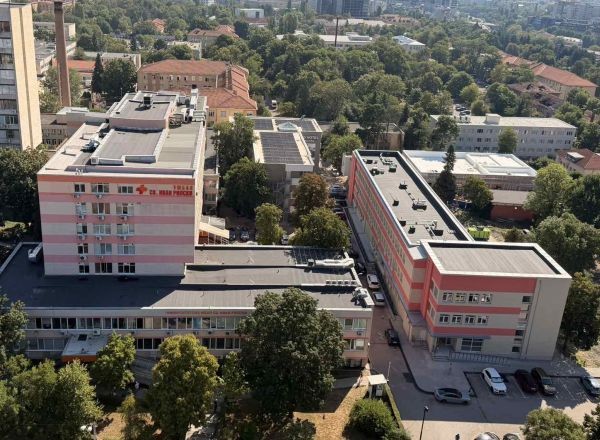
Construction of Radiotherapy and Radiosurgery Center Completed at Bulgaria's St. Ivan Rilski University Hospital
All construction and repair work for the new Radiotherapy and Radiosurgery Center at Bulgaria's St. Ivan Rilski University Hospital has been fully completed. According to the hospital, a latest-generation medical linear accelerator has been installed in the center, capable of sub-millimeter patient positioning accuracy. The equipment was delivered by the Ministry of Health under the National Recovery and Resilience Plan, as part of the investment project for the modernization of the national system for diagnosis and treatment of oncological diseases, funded by the European Commission's Recovery and Resilience Facility. The device is a TrueBeam-EDGE linear accelerator manufactured by Varian Medical Systems, equipped with BrainLab's ExactTrac Dynamic system, valued at 5.1 million...
2026-08-21
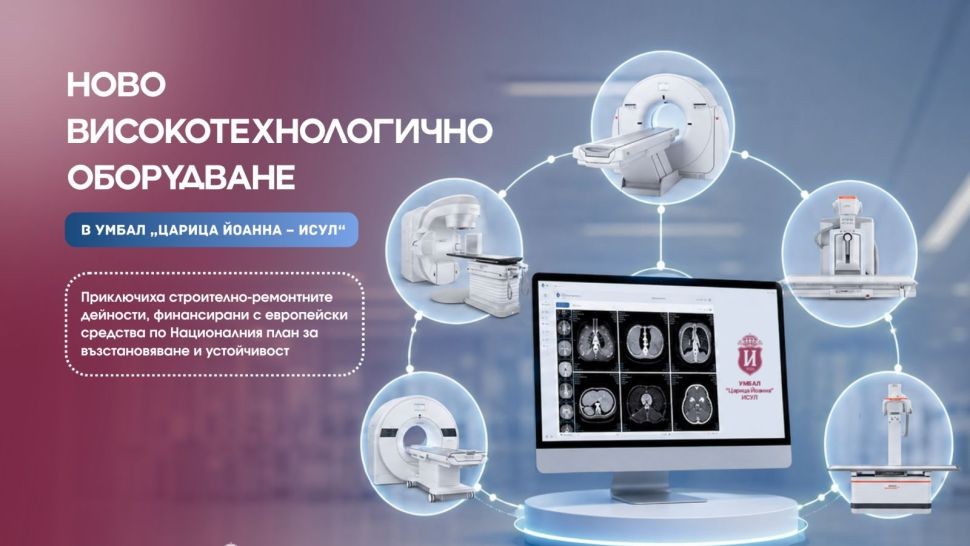
Five New Oncology Diagnostic and Treatment Devices at Bulgaria's ISUL Hospital Expected to Launch This Autumn
Queen Joanna - ISUL University Hospital in Bulgaria expects to begin operating five new devices for imaging diagnosis and treatment of oncological diseases starting early this autumn. The hospital stated that patients will be able to use these high-tech devices after the relevant licensing and approval procedures are completed. Source: Queen Joanna University Hospital - ISULThe newly added equipment is deployed in the imaging diagnostics department and the radiation oncology department. Among them, the radiation therapy department will be equipped with a TrueBeam v4.1 medical linear accelerator, primarily used for radiotherapy and radiosurgery. This device can deliver high-energy radiation to tumor tissue with greater precision, supporting high-precision dose planning to achieve the required therapeutic effect while minimizing radiation exposure to healthy tissues and organs surrounding the tumor.
2026-08-21
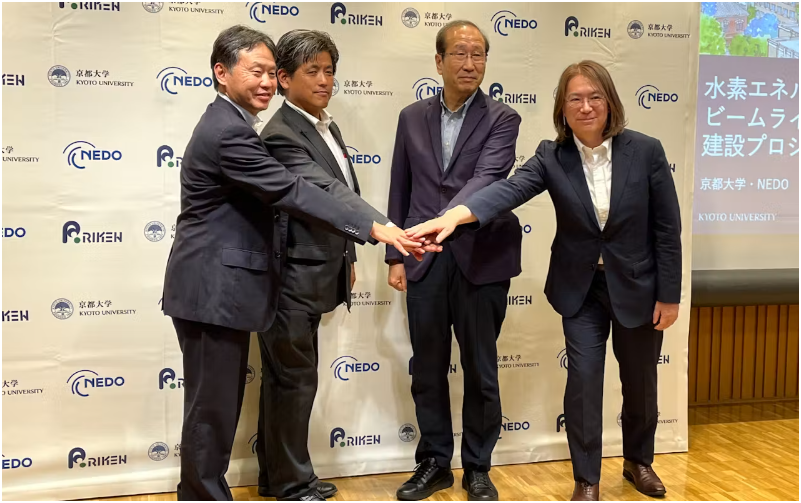
Kyoto University and NEDO to Build Dedicated Beamline for Hydrogen Energy Research at SPring-8-II
Kyoto University announced on August 20 that it will collaborate with the New Energy and Industrial Technology Development Organization (NEDO) to construct dedicated research equipment for the hydrogen energy field at the large synchrotron radiation facility SPring-8-II, located in Sayo Town, Hyogo Prefecture, Japan. SPring-8-II is scheduled to begin operation in fiscal year 2029. On the 20th, Hajime Kitagawa, Executive Director of Kyoto University (2nd from right), attended a press conference held by Kyoto City government officials. According to the plan, the two parties will install a dedicated beamline at the facility, focusing on hydrogen energy-related research such as fuel cells and hydrogen production via water electrolysis. The beamline will be used to analyze key materials including catalysts and electrolyte membranes in fuel cells and water electrolyzers, leveraging synchrotron radiation to observe material reaction processes and help researchers identify the main factors affecting performance and cost.
2026-08-21
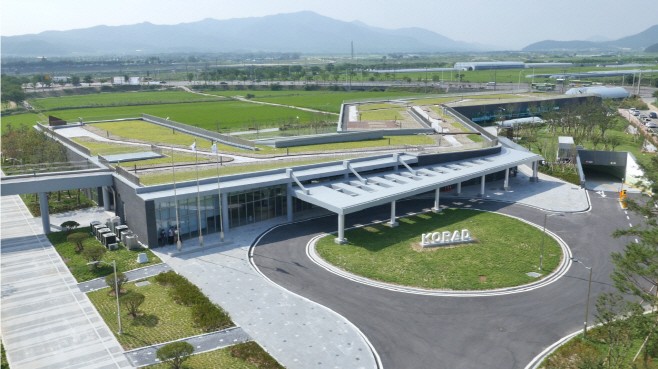
Korea Atomic Energy Environment Corporation Earns Top Grade A in All Categories of Radioactivity Analysis Capability Evaluation for Nine Consecutive Years
The Korea Atomic Energy Environment Corporation announced on August 21 that it received an A-grade rating in all evaluation categories for the ninth consecutive year in the 2026 Radioactivity Analysis Capability Evaluation conducted by the Korea Institute of Nuclear Safety. In this evaluation, the corporation achieved A-grade results across all analysis items covering 7 samples and 12 radionuclides, demonstrating high detection precision and quality control capabilities. The Radioactivity Analysis Capability Evaluation has been conducted annually since 1997, primarily to verify the testing capabilities of domestic radioactivity analysis institutions in Korea, as well as the reliability and quality management level of related analytical data. This year, a total of 58 institutions participated in the evaluation, including regional radiation monitoring...
2026-08-21
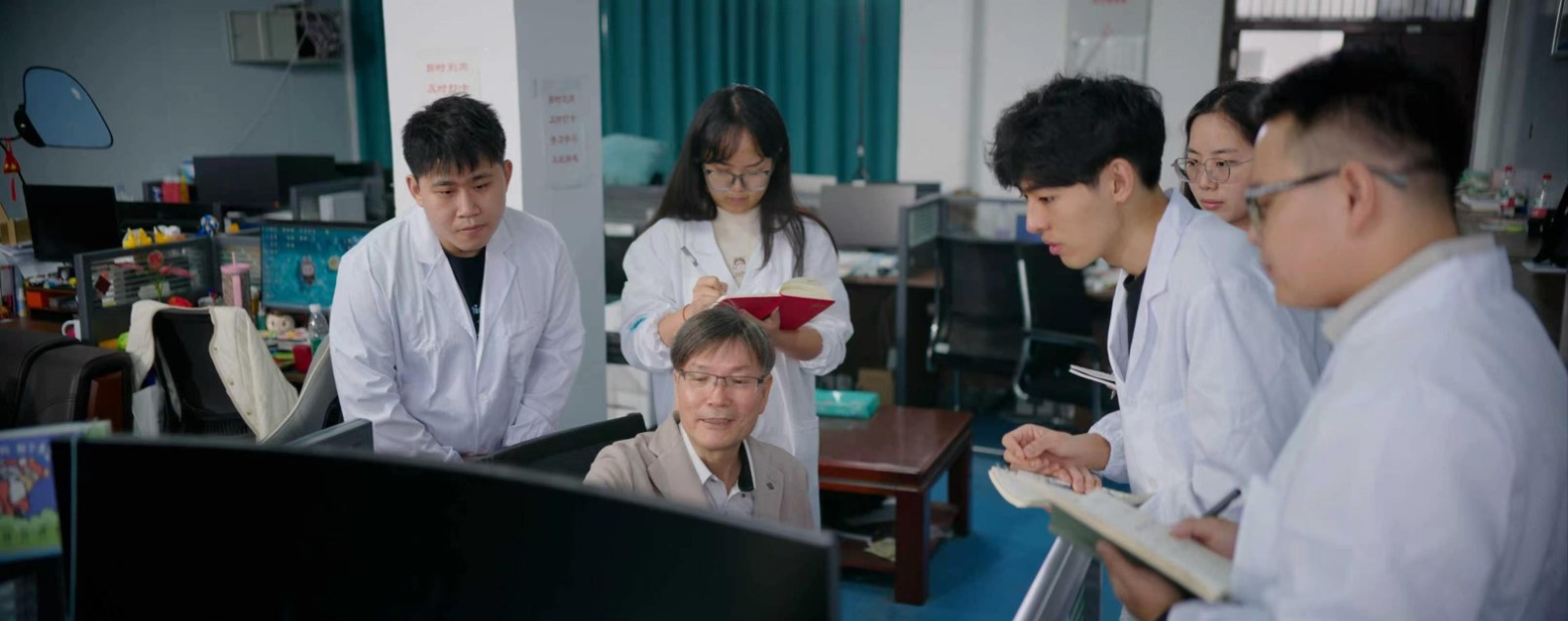
University of South China team extracts high-purity medical alpha nuclide Lead-212 from rare earth slag
On August 20, it was learned from the University of South China that the team led by Professor Wei Yuezhou successfully separated and obtained high-purity alpha nuclide Lead-212 and its precursor nuclide Thorium-228 directly from rare earth slag, achieving the extraction of 158 microcuries of Lead-212/Bismuth-212 from kilogram-level rare earth slag in a single batch. The achievement recently passed the scientific and technological achievement appraisal meeting for the "Technology Development for Extracting Medical Alpha Nuclide Lead-212 and Thorium-228 from Radium Slag from Monazite Processing" organized by the China Isotope and Radiation Association. Experts unanimously agreed that the overall technology has reached internationally advanced level, with single-pass recovery rate reaching internationally leading level, which is expected to promote China's independent supply of medical alpha nuclides and ensure the security of the nuclear medical industry chain, with broad application prospects...
2026-08-21

Large Hadron Collider experiments reveal neon nucleus may be bowling-pin shaped
A recent experimental result from the Large Hadron Collider at CERN suggests that the internal structure of the neon-20 nucleus may not be approximately spherical as commonly depicted in traditional textbooks, but rather closer to a "bowling pin" shape. This finding provides new experimental clues for studying deformation of light atomic nuclei and collective behavior in high-energy nuclear collisions. Atomic nuclei are composed of protons and neutrons, determining the elemental identity of atoms and carrying most of their mass. Although nuclei are often simplistically depicted as spherical, nuclear physics research has shown that some nuclei exhibit pronounced non-spherical deformation, such as the pear-shaped nuclei mentioned in previous studies. Accurately understanding these shapes helps physicists...
2026-08-21
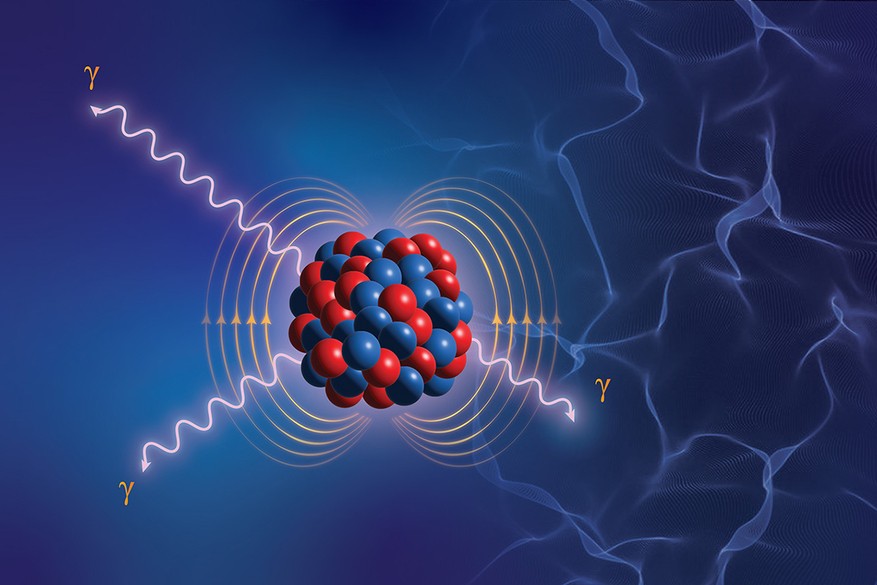
US FRIB Experiment Reveals Magnetic Origin of Anomalous Low-Energy Gamma-Ray Enhancement
According to an August 21 announcement from Lawrence Livermore National Laboratory, a new study led by the U.S. Facility for Rare Isotope Beams (FRIB) with participation from researchers at Lawrence Livermore National Laboratory and other institutions has provided a new experimental explanation for the long-standing low-energy enhancement phenomenon in nuclear physics. The findings were published in the journal Nature. An experiment at the Facility for Rare Isotope Beams (FRIB) has yielded new results, answering a fundamental question about nuclear structure. (Image: FRIB) Gamma rays are a form of electromagnetic radiation. When an excited nucleus loses energy during radioactive decay and transitions to a lower, more stable energy level, it emits gamma rays. Over the past few decades, scientists have discovered that certain nuclei emit anomalously large numbers of low-energy gamma rays, but this phenomenon does not occur in all nuclei, and its occurrence conditions have been difficult to predict reliably in theory.
2026-08-21
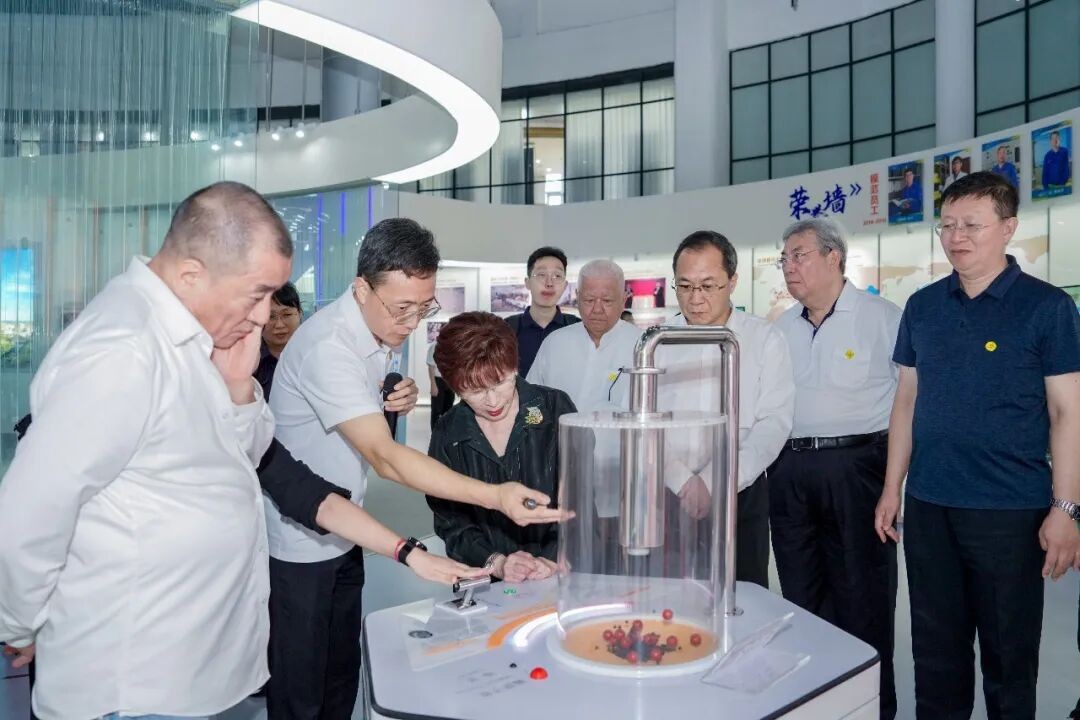
Hung Hsiu-chu, Former Chairman of the Chinese Kuomintang, Visits CGN Yangjiang Nuclear Power Base
From August 15 to 19, the Second Cross-Strait Folk Customs and Sports Festival - Nanhai (Yangjiang) Fishing Season Opening Folk Culture Exchange Activity was held in Yangjiang. Prior to the event, Hung Hsiu-chu, former Chairman of the Chinese Kuomintang and Chairwoman of the China Youth Eagle Peace Education Foundation, led a delegation to visit the CGN Yangjiang Nuclear Power Base on August 15 for an on-site inspection of the nuclear power industry's development achievements. Yang Jianbing, Secretary of the Party Committee and Chairman of Yangjiang Nuclear Power, accompanied the delegation throughout the visit and provided explanations. Zhao Yu, Second-Level Inspector of the Liaison Bureau of the Taiwan Work Office of the CPC Central Committee and the Taiwan Affairs Office of the State Council, Pan Jianyong, Deputy Director of the Taiwan Affairs Office of the Guangdong Provincial Party Committee, Lu Yixian, Secretary of the Yangjiang Municipal Party Committee and Director of the Standing Committee of the Municipal People's Congress, and Li Kun, Secretary of the Yangdong District Party Committee, accompanied the visit. During the visit, Hung Hsiu-chu and her delegation...
2026-08-21

South Korea Amends Nuclear Safety Act to Clarify Safety Responsibilities of Nuclear Facility Operators
The National Assembly of South Korea passed a partial amendment to the Nuclear Safety Act at its 438th special session on August 20, marking the first time that nuclear-related business operators' primary responsibility for nuclear facility safety has been explicitly established at the legal level. This move signifies that South Korea's nuclear safety management system will further transition from a licensing and regulation-centered approach to a responsibility system aligned with the safety principles of the International Atomic Energy Agency (IAEA). The amendment was proposed by South Korean lawmaker Oh Se-hee. Prior to the revision, South Korea's Nuclear Safety Act primarily established safety standards and regulatory procedures around reactor construction and operating licenses, nuclear material use, and radioactive waste management facility operations, but lacked...
2026-08-21