
Search Results
Keyword:RI
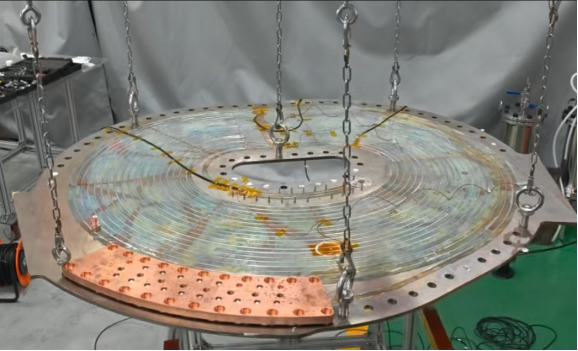
SuperMag New Energy Achieves Milestone Progress in Development of 25 T-Class High-Temperature Superconducting Toroidal Field Model Magnet
Recently, SuperMag New Energy has achieved two milestone progresses in the development of its 25 T-class high-temperature superconducting toroidal field model magnet: following the completion of R&D and testing of the first panel-type high-temperature superconducting single pancake coil, the company has initiated batch manufacturing of panel-type single pancake coils; meanwhile, the self-developed 24 cm² low-resistance detachable joint has completed prototype fabrication and performance testing in the liquid nitrogen temperature range, with an equivalent joint resistance of approximately 33 nΩ. These two progresses correspond to two critical aspects: stable manufacturing of single pancake coils and low-loss interconnection of multiple units. The project has advanced from the single-component process validation stage toward multi-pancake manufacturing and model magnet system integration. The single pancake coil is not an ordinary component in the model magnet, but rather a fundamental unit integrating conductor, panel structure, insulation, electrical connection, and testing interfaces. Each single pancake requires independent manufacturing and inspection, and also serves as the foundation for subsequent multi-pancake stacking, magnet excitation, and cryogenic operation.
2026-08-21
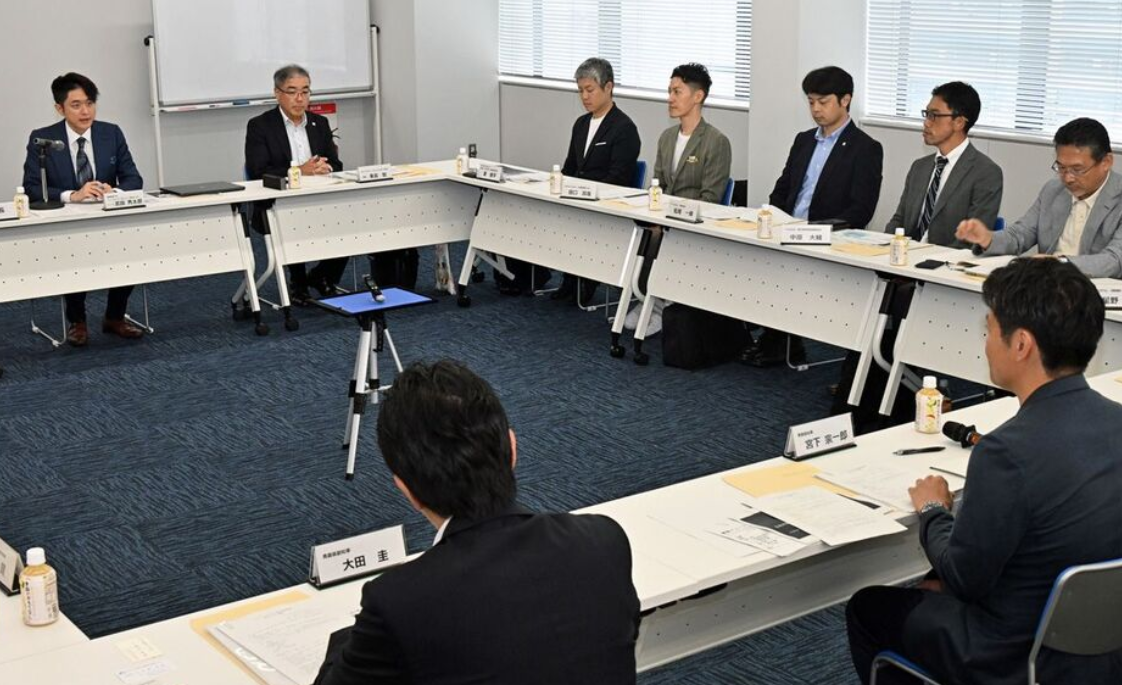
Aomori Prefecture in Japan to Apply as Candidate Site for Nuclear Fusion Power Generation Demonstration Facility
On August 19, Soichiro Miyashita, Governor of Aomori Prefecture, stated that the prefecture will apply as a candidate site for a nuclear fusion power generation demonstration facility once relevant preparatory work is completed. Starlight Engine, a Japanese nuclear fusion startup, is currently soliciting candidate sites from prefectures and government-designated cities, with plans to conduct field surveys of promising candidates as early as this autumn. Starlight Engine plans to finalize the construction site by 2028, launch the FAST nuclear fusion power generation demonstration project in 2035, and conduct power generation demonstrations in 2038. The application deadline for site selection is October. Aomori Prefecture stated that it will consult with Rokkasho Village and, after preparing the application documents, formally submit the application.
2026-08-20
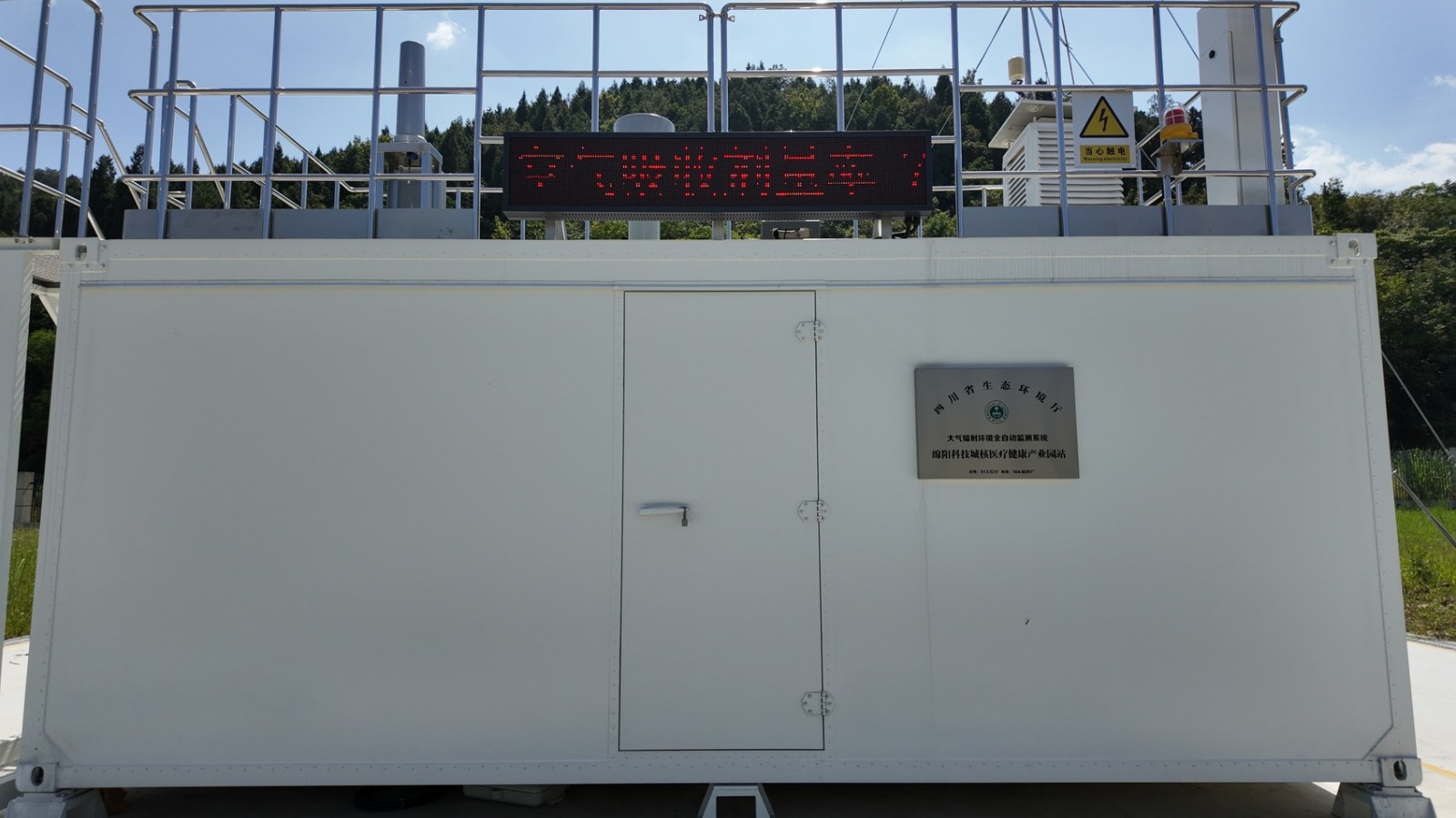
Automatic Radiation Environment Monitoring Station in Mianyang, Sichuan Put into Trial Operation, with Core Equipment and Systems Achieving Domestic Localization
Recently, the automatic radiation environment monitoring station located within the Nuclear Medical Health Industrial Park of the China (Mianyang) Science and Technology City was officially put into trial operation. As the first automatic radiation environment monitoring station in Sichuan Province to fully achieve domestic localization of core equipment and systems, it will provide radiation environment safety assurance for the development of the nuclear medical industry in the park through 24-hour uninterrupted automatic monitoring capabilities. At the automatic radiation environment monitoring station, operational data from equipment such as environmental γ dose rate monitors are updated in real time on monitoring screens. Compared with the previous approach that relied on manual on-site sampling and batch laboratory analysis, the automatic station enables continuous monitoring, reducing the time required to produce monitoring results from several days to the same day, thereby improving...
2026-08-20
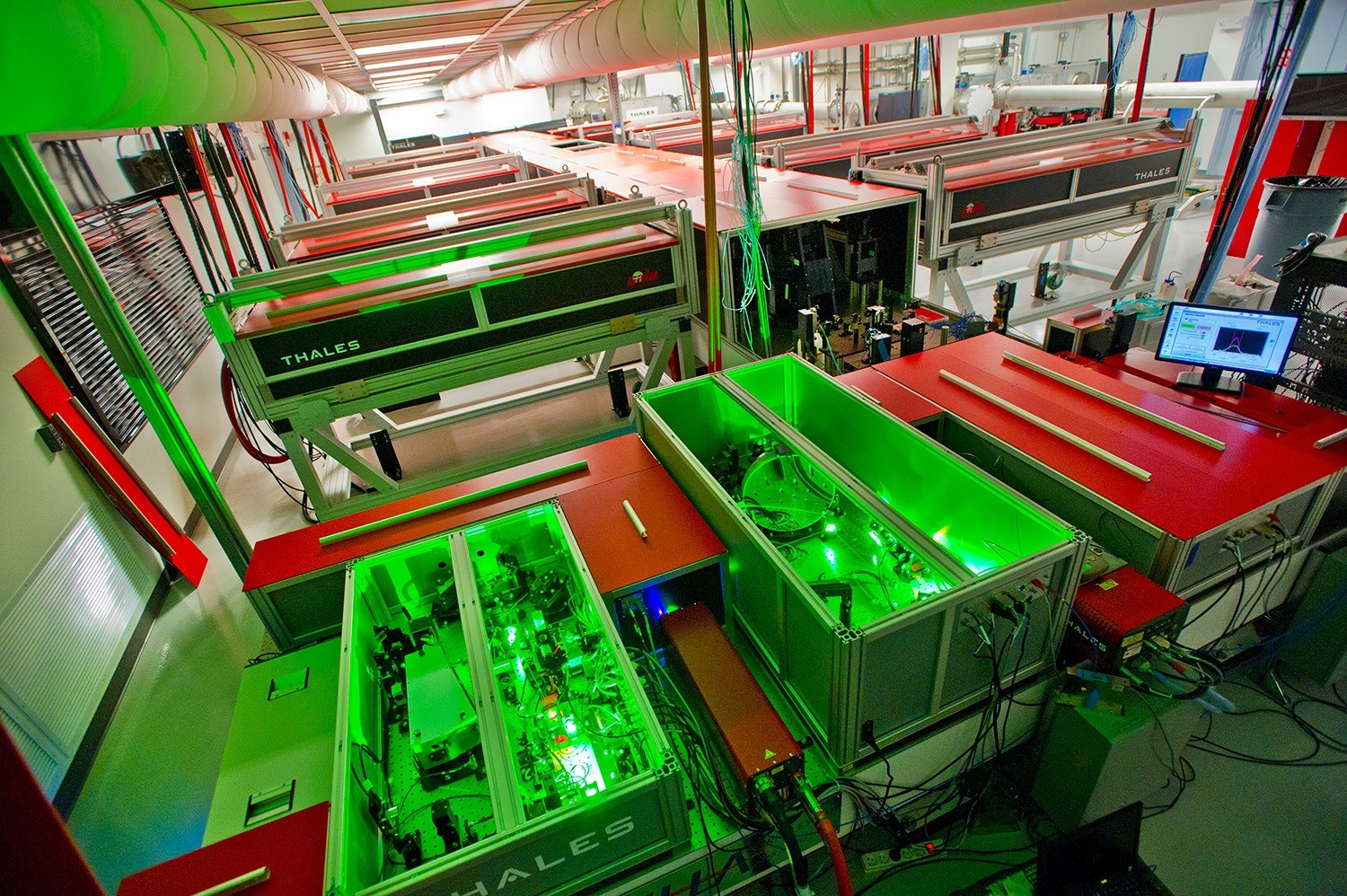
Berkeley Lab Leads Development of Portable Active-Source Muon Imager
The U.S. Department of Energy's Lawrence Berkeley National Laboratory and Ideon Technologies have received funding from the DOE's Advanced Research Projects Agency-Energy (ARPA-E) to jointly develop a field-deployable active-source muon imaging technology through the Reliable Ore Characterization Using Cornerstone Sensing Technologies (ROCKS) program. The three-year project aims to enhance the detection and characterization of underground critical mineral resources. Image credit: Lawrence Berkeley National Laboratory. Muons are subatomic particles with strong penetrating capability. Previously, Ideon Technologies has used passive muons produced by cosmic rays in the atmosphere for ore body imaging in the mining sector, mapping mineral deposits and analyzing subsurface structures. However, passive muons primarily arrive from above, limiting detection angles; additionally, the natural flux is low—approximately one per square centimeter per minute—and imaging often requires days, weeks, or even months.
2026-08-20

Korean Research Team Reveals Mechanism Behind Neutron Irradiation-Induced Reliability Degradation in Ferroelectric AI Semiconductors
Jeonbuk National University announced on the 20th that a research team led by Professor Bae Hak-yeol from the Department of Electronic Engineering at its College of Engineering, in collaboration with Professor Kim Tae-wan's team at Seoul National University and Q-Beam Solution, a startup affiliated with the Korea Atomic Energy Research Institute, conducted a joint study analyzing the causes of performance degradation in next-generation ferroelectric memory and neuromorphic semiconductor devices under neutron irradiation. The findings have been published in the latest issue of ACS Applied Electronic Materials. Ferroelectric semiconductors, which can maintain their polarization state even after power is disconnected, are considered a key candidate for next-generation non-volatile memory and neuromorphic computing devices. Neuromorphic computing aims to simultaneously implement both memory and computation within a single device...
2026-08-20

IsoEnergy and DISA Complete Transaction to Launch U.S. Uranium Recovery and Production Company DISA Uranium
On August 19, IsoEnergy Ltd. and DISA Technologies, Inc. announced the completion of their previously disclosed transaction to form DISA Uranium Corporation. The new company is positioned as a technology-driven U.S. uranium enterprise, aiming to strengthen domestic uranium supply and serve the growing demand for domestically sourced nuclear fuel. Under the definitive agreement, IsoEnergy transferred its portfolio of permitted and previously producing conventional uranium assets in Utah, U.S., to DISA Uranium in exchange for 1,677,350 common shares of DISA Uranium. The asset portfolio includes the Tony M Mine, Daneros Mine, Rim Mine, Sage Plain Project, and Flatiron Project. Upon completion of the transaction...
2026-08-20

Amentum Joins Babcock UK Defense Engineering Services Framework to Support Naval Nuclear Infrastructure Projects
Amentum recently announced that it has joined Babcock International Group's five-year engineering services framework, which will support projects related to nuclear energy, marine, land, aviation, and mission systems for the UK Armed Forces both domestically and overseas. The framework aims to establish closer, longer-term partnerships with key suppliers, delivering specialist engineering capabilities to critical defense programs in a more streamlined and consistent manner. Through this arrangement, suppliers can engage in multiple projects more quickly, helping to optimize procurement processes and enhance project collaboration. According to reports, this framework agreement builds on Amentum's long-standing support for Babcock-related infrastructure, involving facilities such as HMNB Devonport...
2026-08-20
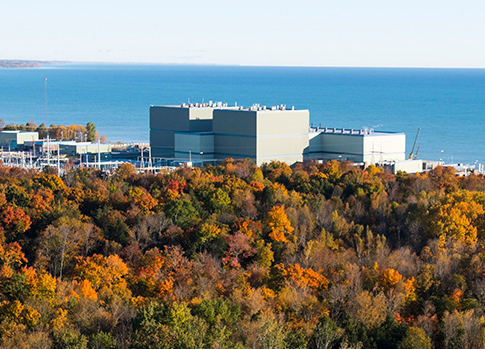
Wisconsin Electric Power Company signs 20-year power purchase agreement with NextEra for Point Beach nuclear plant
WEC Energy Group said its subsidiary Wisconsin Electric Power Company has signed a 20-year power purchase agreement with NextEra Energy Point Beach to purchase 86% of the capacity, energy, ancillary services, and environmental attributes from both units of the Point Beach Nuclear Plant in Manitowoc County, Wisconsin. According to a filing submitted to the U.S. Securities and Exchange Commission (SEC), the new agreement remains subject to approval by the Public Service Commission of Wisconsin (PSC). If approved...
2026-08-20
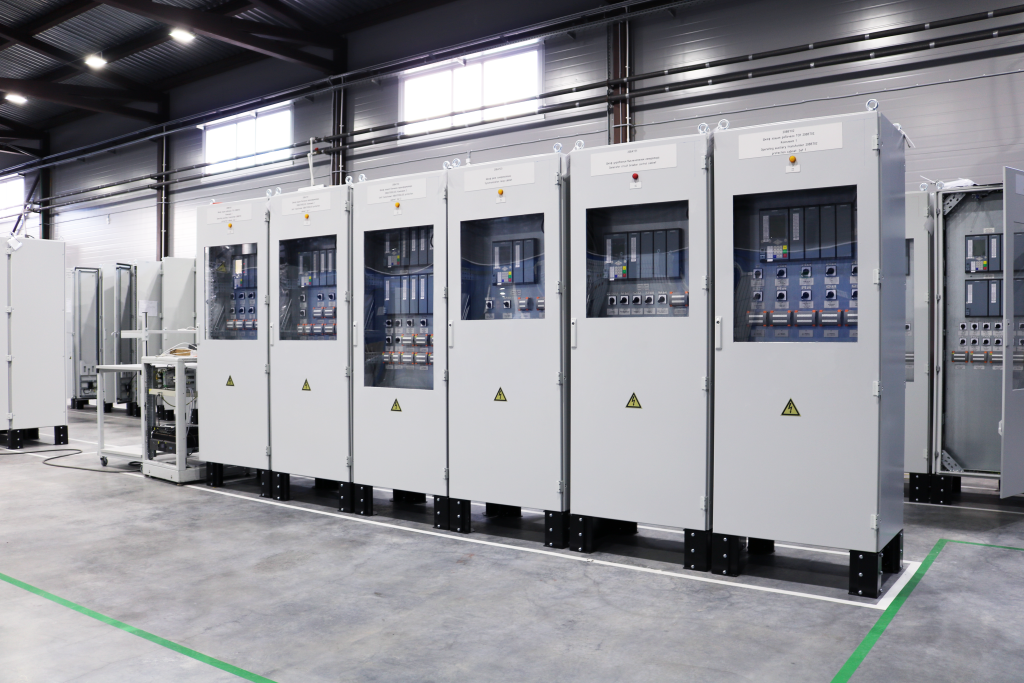
West Engineering Delivers 30 Relay Protection and Automation Cabinets for Unit 2 of Akkuyu NPP
West Engineering has completed the next stage of equipment delivery for Unit 2 of the Akkuyu Nuclear Power Plant in Türkiye, shipping 30 relay protection and automation cabinets to the project site. The equipment will be used for the protection, monitoring, and control of critical electrical components of the power unit. The delivered equipment includes AZ-PZ cabinets for generating analog and discrete information, power supply unit protection device cabinets, power unit measurement device cabinets, synchronizing relay cabinets, generator switch control cabinets, electrical process recording cabinets, and control current distribution cabinets, among others. According to reports, this batch of nuclear facility equipment has been designed with high safety margins and fault tolerance in mind. The supplied relay protection and automation systems comply with relevant international standards, with a safety class of 3H/N, meeting the NP-001-15 standard; the quality assurance category is QA3, and the equipment has undergone multi-stage quality control from material and component selection to acceptance testing.
2026-08-20
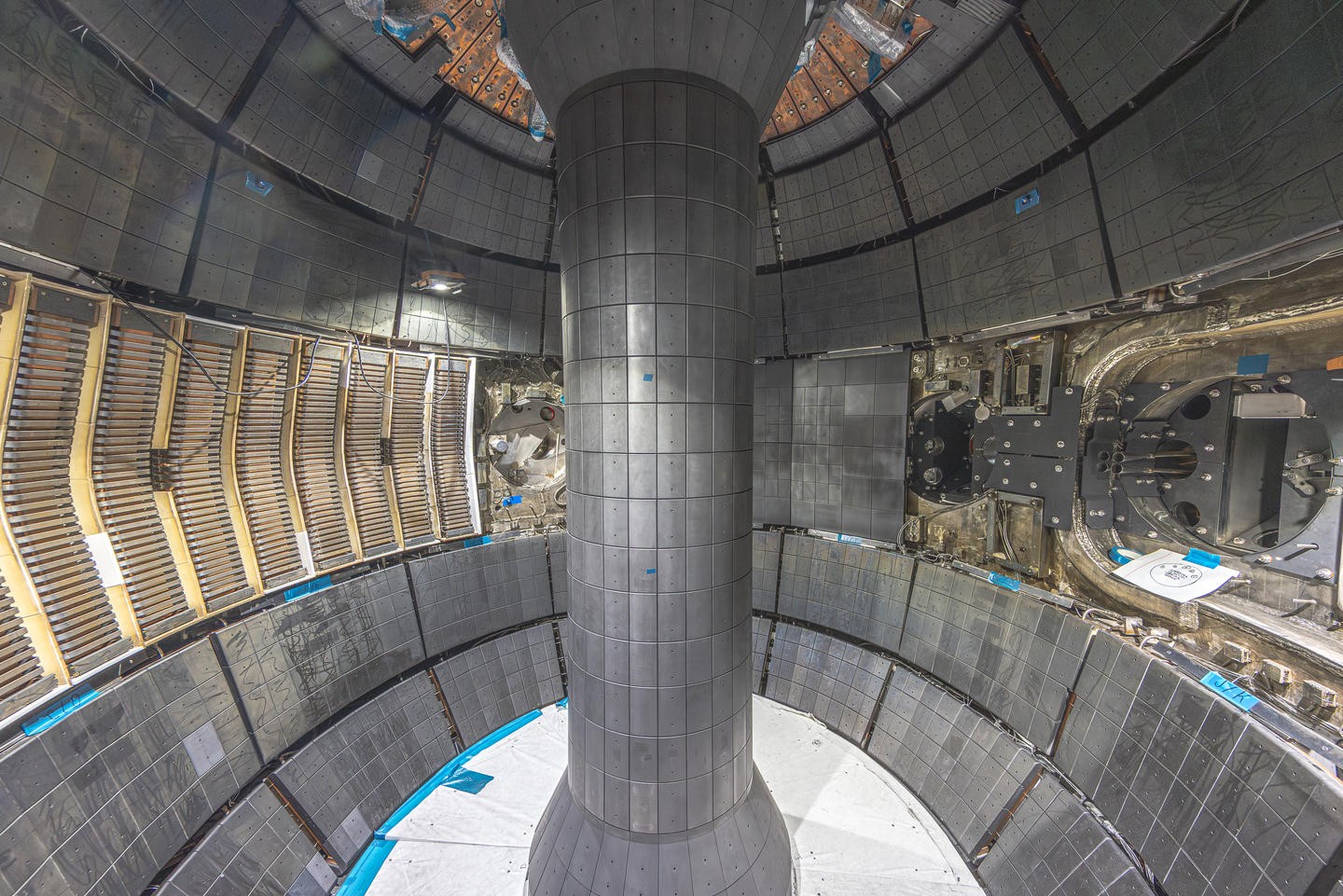
Princeton Plasma Physics Laboratory to Validate Spherical Tokamak Fusion Path with NSTX-U
The Princeton Plasma Physics Laboratory (PPPL) is advancing research on the National Spherical Torus Experiment-Upgrade (NSTX-U), planning to use this largest spherical tokamak in the United States to assess the potential of compact tokamak configurations for future fusion power plants. The device is designed to become one of the most powerful spherical tokamaks in the world and will be used to study key issues such as high-temperature plasma confinement, heat transport, material performance, and real-time control. The image above shows the vacuum vessel and center column of the NSTX-U at the Princeton Plasma Physics Laboratory (PPPL). This device will help scientists determine the optimal shape for future fusion power plants...
2026-08-20
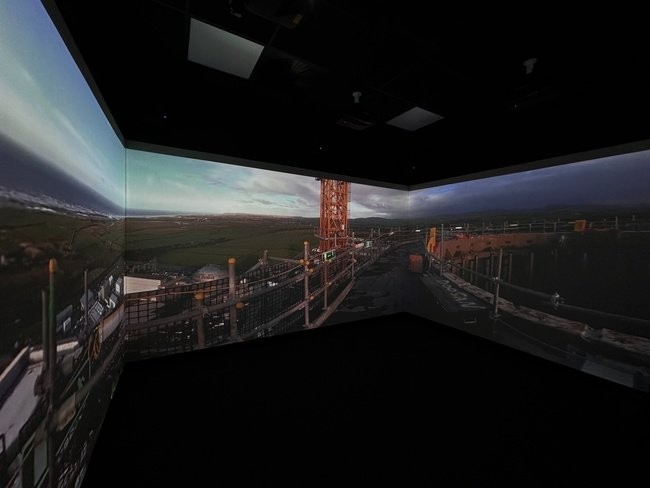
Immersive environment launched in West Cumbria to support nuclear decommissioning
AtkinsRéalis has recently supported Sellafield Ltd in establishing a new immersive environment at the Robotics and Artificial Intelligence Collaboration facility (RAICo1) in West Cumbria, UK, to support the planning, rehearsal, and execution of nuclear decommissioning work. The project was developed in partnership between Sellafield Ltd and immersive technology company Igloo Vision. The new Robotics and Artificial Intelligence Collaboration (RAICo1) facility in West Cumbria (Image courtesy of Sellafield Ltd) The 360-degree visualisation environment can accommodate up to 10 users and can integrate remotely operated robotic systems, live data streams, and visual information within a single interactive space...
2026-08-20
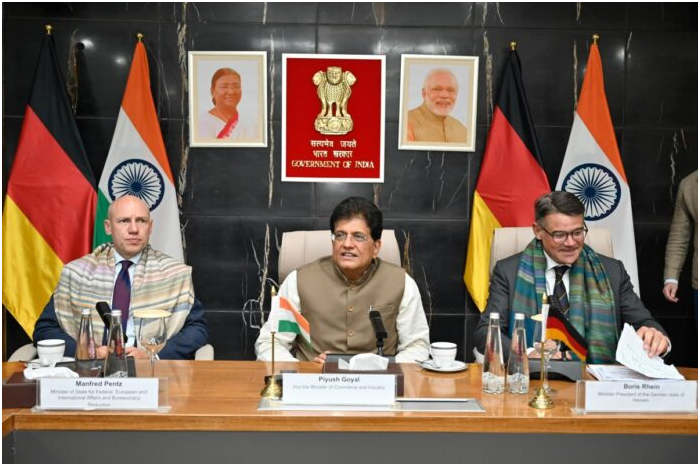
India and Germany's Hesse Explore Clean Energy Cooperation, with Discussions Covering Laser-Based Nuclear Fusion Research
On August 19, India's Minister of Commerce and Industry Piyush Goyal held talks with Boris Rhein, Minister-President of the German state of Hesse, to discuss strengthening economic and technological cooperation between India and Hesse. Manfred Pentz, Minister for Federal and European Affairs, International Affairs and Deregulation, along with a German business delegation, attended the meeting. The talks covered several emerging and high-growth sectors, with energy-related discussions focusing on clean energy and future technologies. The two sides discussed Hesse's initiatives in next-generation energy technologies, including laser-based...
2026-08-20
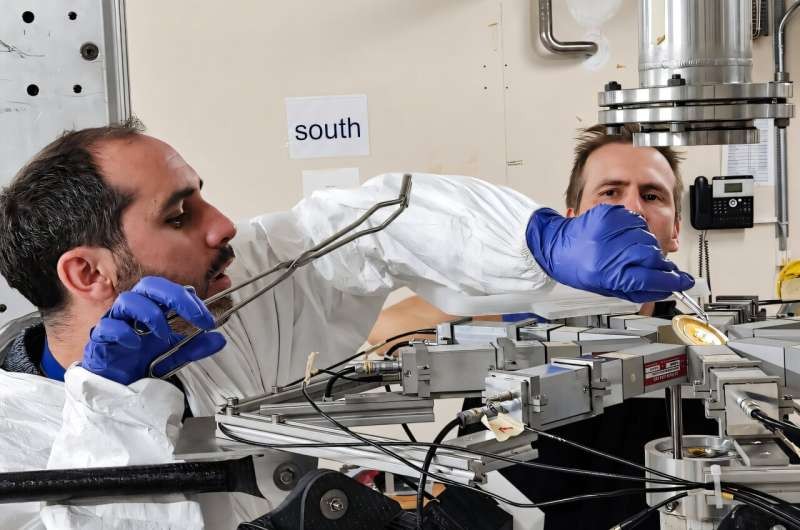
CERN measures niobium-94 neutron capture for the first time, shedding new light on the mystery of molybdenum abundance in ancient stardust
The n_TOF collaboration at CERN recently reported that researchers have for the first time measured the probability of neutron capture by niobium-94. The results, published in Physical Review Letters, provide new experimental evidence for explaining the anomalous abundance of molybdenum-94 in presolar grains. The EAR2 facility in the n_TOF experiment at CERN produces intense neutron beams, opening new possibilities for nuclear research. Credit: CERN Niobium-94 is a niobium isotope containing 41 protons and 53 neutrons, occupying a critical juncture in the nuclear reaction chain that produces heavy elements in dying stars. Researchers are interested in it because niobium-94 is very close to molybdenum-94, differing by just one fewer proton and one more neutron. Under the high-temperature, high-pressure conditions inside stars, niobium-94 may either transform into molybdenum-94 through beta decay or form niobium-95 through neutron capture. The competition between these two reaction pathways directly affects scientists' understanding of the origin of molybdenum-94.
2026-08-20
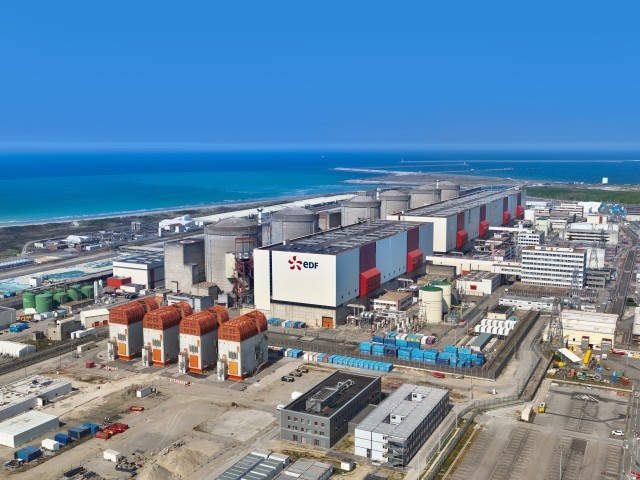
Unit 3 of France's Gravelines Nuclear Power Plant Reconnected to Grid, Unit 4 Remains Shut Down
According to EDF on August 18, Unit 3 of the Gravelines Nuclear Power Plant in northern France was reconnected to the national grid at 3:55 a.m. local time on August 18. The unit had been automatically shut down at 7:43 p.m. on August 10 in accordance with established safety protection procedures due to a large influx of jellyfish into the seawater pump station filtration system. The Gravelines Nuclear Power Plant has a total of six units. On August 10, a large number of jellyfish entered the pump station used to draw seawater for cooling nuclear facilities, affecting equipment such as pre-filters and filter drums. In accordance with operating procedures, Units 3 and 4 were automatically shut down; the operating team also shut down Unit 2 and reduced Unit 1's power to 50% to adapt to changing site conditions. Unit 5 was...
2026-08-20
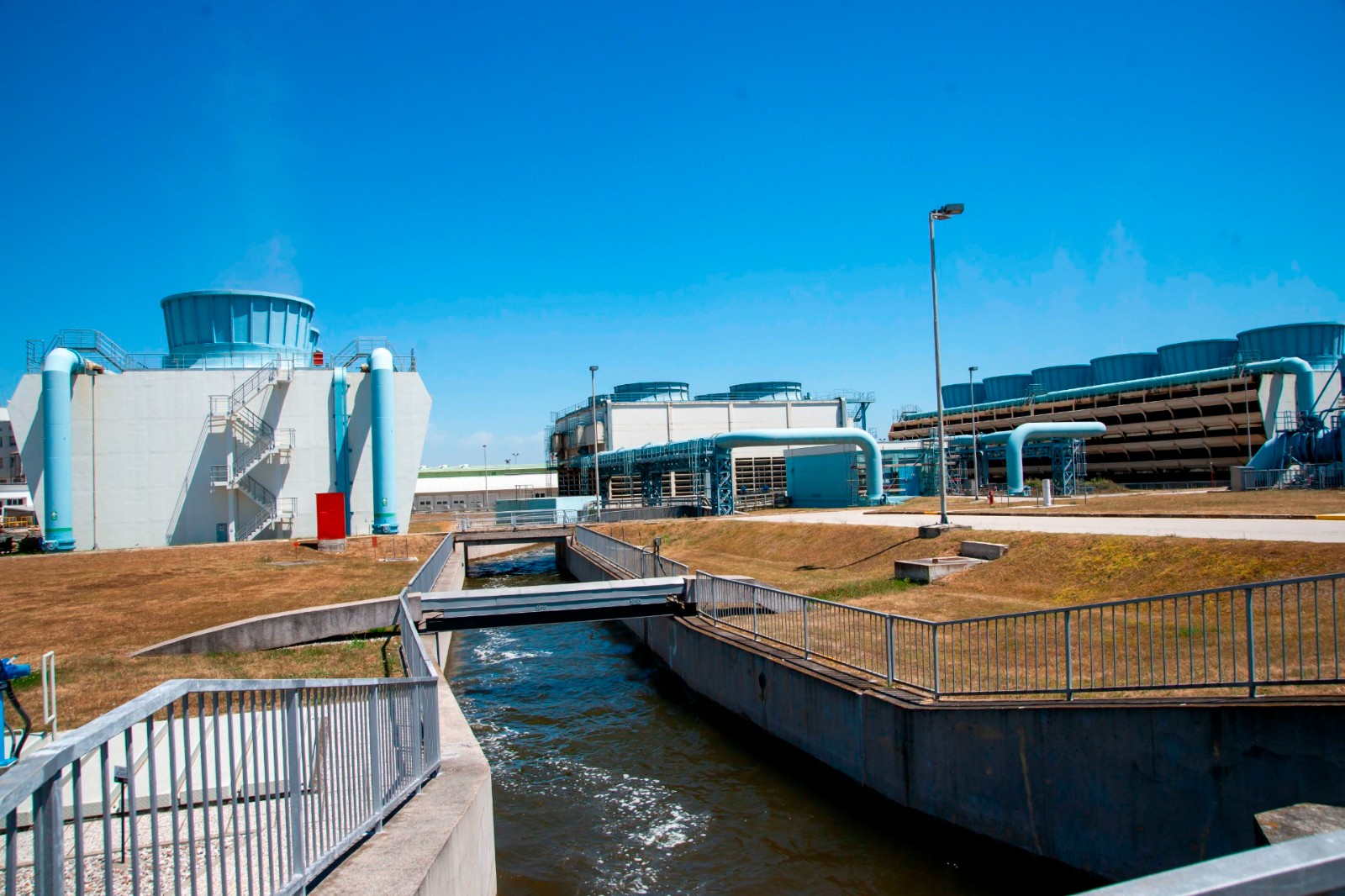
Slovenia's Krško Nuclear Power Plant Returns to Full Power Operation
On the evening of August 18, 2026, as meteorological conditions further improved, temperatures dropped, and river water temperatures declined, the Krško Nuclear Power Plant (NEK) increased reactor power to 100%, resuming full-load operation. During full-power operation, the plant will keep the entire cooling tower system in service to ensure compliance with relevant environmental limits and reduce the need for water withdrawal from the Sava River for cooling the plant's tertiary circuit. Previously, due to environmental restrictions related to the Sava River, the Krško Nuclear Power Plant reduced unit power to 80% on August 6, 2026. On August 14, following preliminary improvements in meteorological conditions, plant power was increased to 90%. Under the special operating conditions of this summer, when...
2026-08-20