
Search Results
Keyword:RI
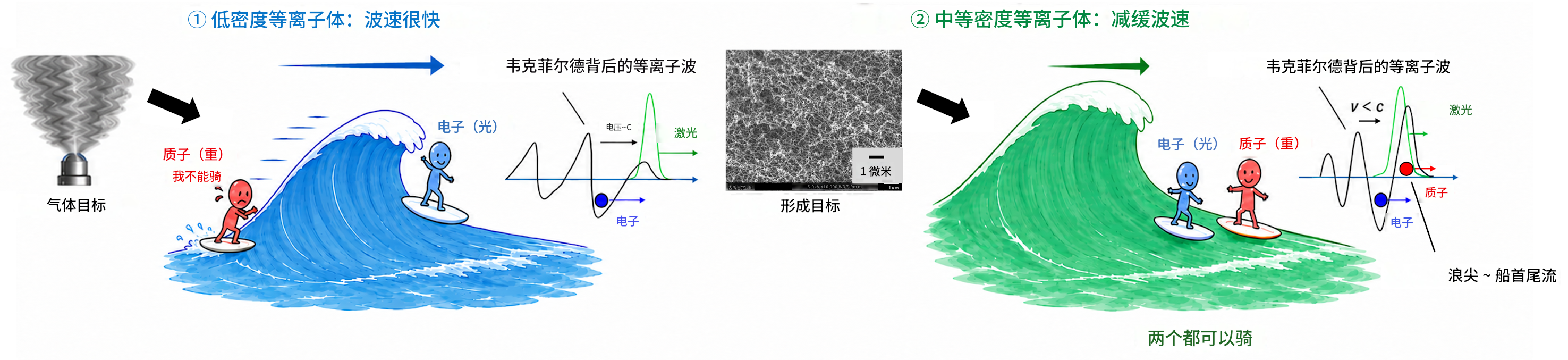
Japanese research team demonstrates ion wakefield acceleration for the first time, accelerating protons to a maximum of 60 MeV
Kyushu University, the National Institutes for Quantum Science and Technology (QST), and Osaka University recently announced jointly that the research team used high-intensity laser irradiation on a foam target to experimentally demonstrate the ion wakefield acceleration mechanism for the first time, providing a new experimental foundation for research on next-generation laser-driven ion accelerators. The results were published in *Communications Physics* on August 3, Japan time. According to the report, the research aims to reproduce physical processes similar to high-energy particle acceleration in space within a laboratory setting. Traditional high-energy accelerators typically require long acceleration tubes or large ring-shaped facilities, while the strong electric fields generated by plasma waves are considered promising for advancing accelerator miniaturization. However, compared with electrons, protons and ions...
2026-08-10

India Announces INR 26.75 Trillion in Investments This Fiscal Year, with INR 6.5 Trillion Planned for Nuclear Power
According to a report released by the Economic Research Department of India's Bank of Baroda, total announced investments in India reached INR 26.75 trillion between April 1 and August 5 of the 2026-2027 fiscal year. Amid persistent uncertainties in the global economic landscape, Information Technology-enabled Services (ITeS) emerged as the dominant investment destination, accounting for 56% of total proposed investments. The report stated that the ITeS sector announced investments of INR 14.98 trillion, with nearly 99% concentrated in data centers and artificial intelligence, involving 13 companies. This indicates that digital infrastructure and AI-related industries remain a strategic focus for Indian enterprises and capital allocation. By sector, investment announcements remain highly...
2026-08-10
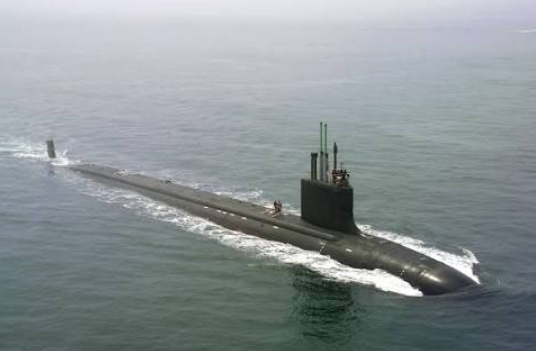
U.S. Enhances Virginia-Class Nuclear Submarines
The recent U.S. efforts to enhance and reposition the Virginia-class nuclear submarines have focused primarily on expanding the platform's own capabilities. Certain batches of Virginia-class submarines are being reclassified from attack submarines (SSN) toward cruise missile submarines (SSGN), with the addition of the Virginia Payload Module (VPM) extending the hull and adding large-diameter vertical launch tubes, increasing the per-boat Tomahawk cruise missile payload from 12 to approximately 40, while also accommodating Conventional Prompt Strike hypersonic missiles and unmanned underwater vehicles. This modification directly fills the firepower gap left by the retiring Ohio-class SSGNs, positioning this submarine class as a covert, long-range conventional precision-strike node at sea. As nuclear-powered submarines, the Virgini...
2026-08-10
Radiation Environment Monitoring Technical Center of the Ministry of Ecology and Environment Visits Tibet to Conduct Research and Assistance on Radiation Environment Monitoring Capacity
Recently, in accordance with the work deployment of the Nuclear Facility Safety Supervision Department of the Ministry of Ecology and Environment (MEE), a team led by relevant officials from the Radiation Environment Monitoring Technical Center of the MEE visited the Radiation Environment Supervision Station of the Tibet Autonomous Region (hereinafter referred to as the Tibet Station) to conduct research, assistance, and technical guidance on radiation environment monitoring capacity. The working group was dispatched in batches to key cities including Lhasa, Nagqu, Shigatse, and Ngari, and systematically reviewed the current status of radiation monitoring capacity in the Tibet Autonomous Region through thematic seminars, on-site inspections, and hands-on training sessions. They conducted on-site assessments of the operation and maintenance challenges of the national-controlled radiation environment air automatic monitoring stations in Tibet, benchmarked against actual needs, identified shortcomings in capacity building, and implemented targeted measures to resolve bottlenecks in network operation. At the research symposium...
2026-08-10
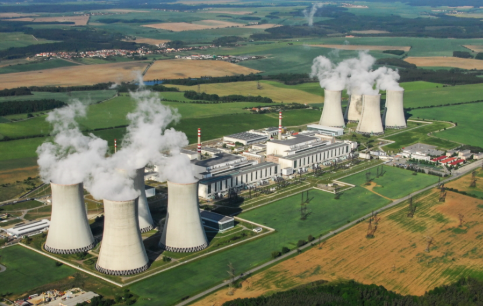
South Korea Designates SMR as National Strategic Technology, Tax Incentives to Drive New Investment in Nuclear Supply Chain
The South Korean government's inclusion of Small Modular Reactors (SMR) in its national strategic technology support scope signals that its energy and industrial policies are extending from traditional large-scale nuclear power plants to next-generation nuclear technologies. SMRs feature modular manufacturing, relatively shorter construction periods, and higher site flexibility, making them a key direction for South Korea in balancing energy security, low-carbon transition, and advanced manufacturing upgrades. This policy has gained support from South Korea's nuclear industry, with the key being that national strategic technology status typically entails tax credits and other incentives for corporate R&D, equipment investment, and related capital expenditures. For companies involved in nuclear equipment, castings and forgings, control systems, engineering design, and fuel-related businesses...
2026-08-10
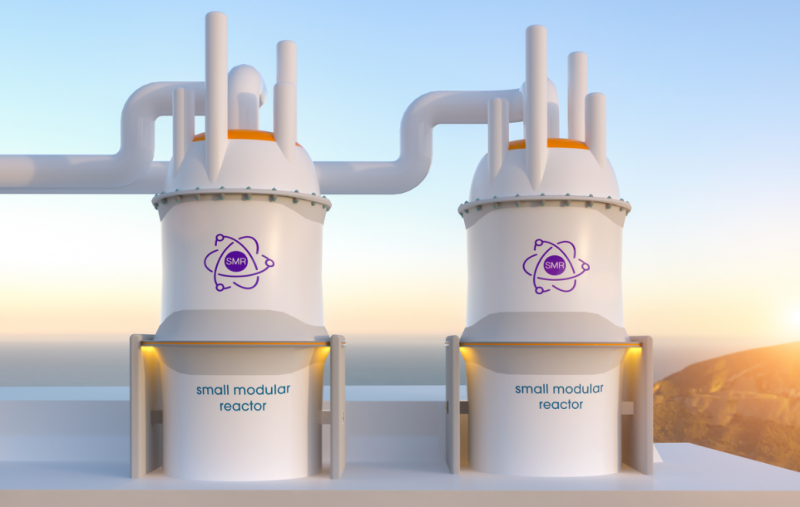
Small Modular Reactors Expected to Contribute One-Quarter of Global New Nuclear Capacity by 2050
According to data compiled by the World Nuclear Association (WNA), global nuclear power installed capacity is expected to reach 1,446 GWe by 2050. This projection is based on the continued operation of existing reactors and the implementation of announced nuclear power development targets by governments. Currently, global installed nuclear capacity stands at approximately 403 GWe. To achieve the above scale, an additional approximately 1,043 GWe of nuclear capacity will need to be added. Among this, Small Modular Reactors (SMRs) are expected to contribute about 260 GWe, accounting for roughly one-quarter of global new nuclear capacity. Factors driving nuclear power expansion are increasing. The rapid adoption of artificial intelligence applications has driven up electricity demand from data centers, and the accelerating electrification of transportation and industrial sectors has further elevated the importance of stable, low-carbon electricity supply. Meanwhile, energy security and net-zero emission targets are prompting more countries to reassess the role of nuclear energy in their energy mix.
2026-08-10
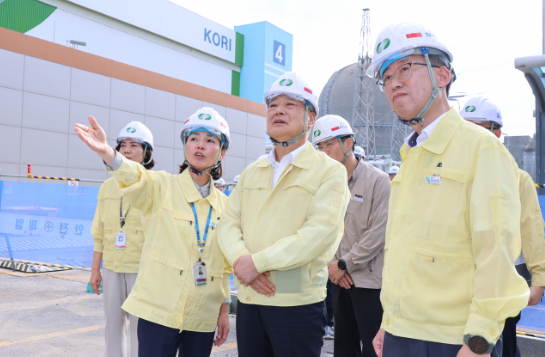
KHNP President Visits Kori Nuclear Power Plant, Pledges Stable Power Supply
Amid sustained heat waves driving up electricity demand, Kim Hoi-cheon, President of Korea Hydro & Nuclear Power (KHNP), recently conducted an on-site inspection at the Kori Nuclear Power Plant headquarters, focusing on the operational status of power generation facilities and frontline working conditions under high-temperature environments. The visit came as the South Korean government issued extreme heat warnings and strengthened its response posture, reflecting heightened attention to the stability of nuclear power as a baseload source in summer electricity supply. According to KHNP, Kim inspected work areas at the Kori plant that are vulnerable to high temperatures, reviewing employee health conditions, working environments, and the implementation of heat prevention and cooling measures. He also examined the operation of...
2026-08-10
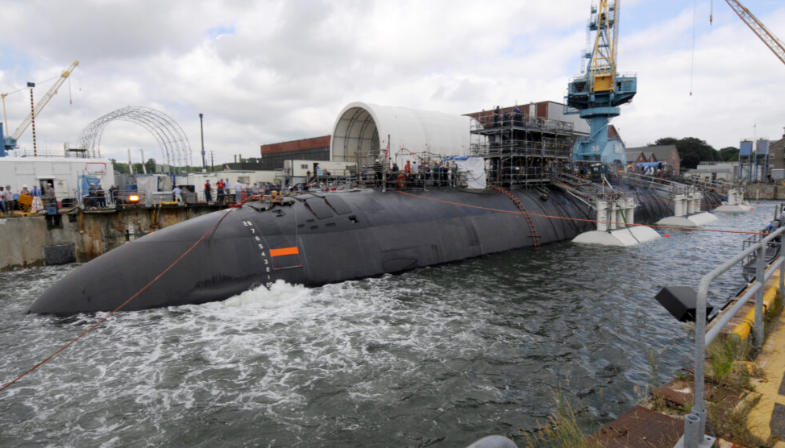
U.S. Navy Decommissions Nuclear Submarine USS San Juan; Kittery Shipyard in Maine Helped Extend Its Service Life
The U.S. Navy recently held a decommissioning ceremony for the USS San Juan, as the Los Angeles-class fast attack nuclear submarine officially departed the fleet at Naval Base Kitsap in Washington State after nearly four decades of service. Named after the capital of Puerto Rico, a U.S. territory, the San Juan was commissioned on August 6, 1988, and its decommissioning coinciding with its commissioning anniversary carries notable symbolic significance. The San Juan had an important connection with Portsmouth Naval Shipyard in Kittery, Maine. Approximately 15 years ago, the submarine entered the shipyard for a major engineering overhaul, completing critical overhaul work between 2010 and 2012. Photographs released by the U.S. Navy in 2011 showed shipyard workers completing the submarine's undocking one day ahead of schedule, reflecting the maintenance progress and shipyard support capabilities at the time.
2026-08-10
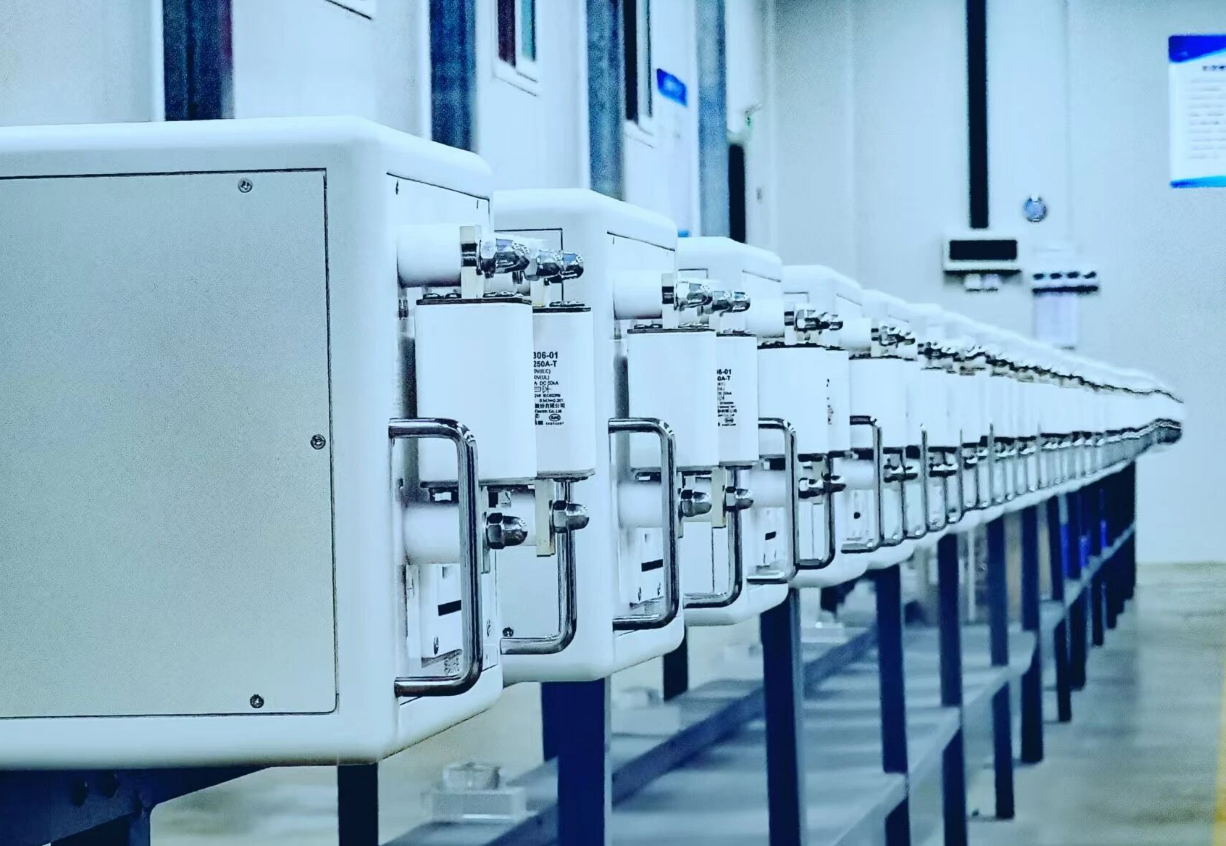
Cathode High-Voltage Power Supply for CFQS Device ECRH System Manufactured by CNNC Tongchuang Successfully Shipped
On August 3, the cathode high-voltage power supply for the Electron Cyclotron Resonance Heating (ECRH) system of China's first Quasi-Axisymmetric Stellarator (CFQS) device, manufactured by CNNC Tongchuang (Chengdu) Technology Co., Ltd., successfully passed factory acceptance and was officially shipped. The CFQS device is a major scientific and technological infrastructure project of Sichuan Province. The device adopts an advanced quasi-axisymmetric magnetic field configuration, combining the advantages of high confinement performance and steady-state operation. Under low-parameter operating conditions, the CFQS test platform confirmed that the quasi-axisymmetric magnetic field configuration can effectively reduce neoclassical transport losses in plasma and improve plasma confinement, marking the first international experimental verification of the superiority of the quasi-axisymmetric magnetic field configuration. Next, the CFQS stellarator...
2026-08-10
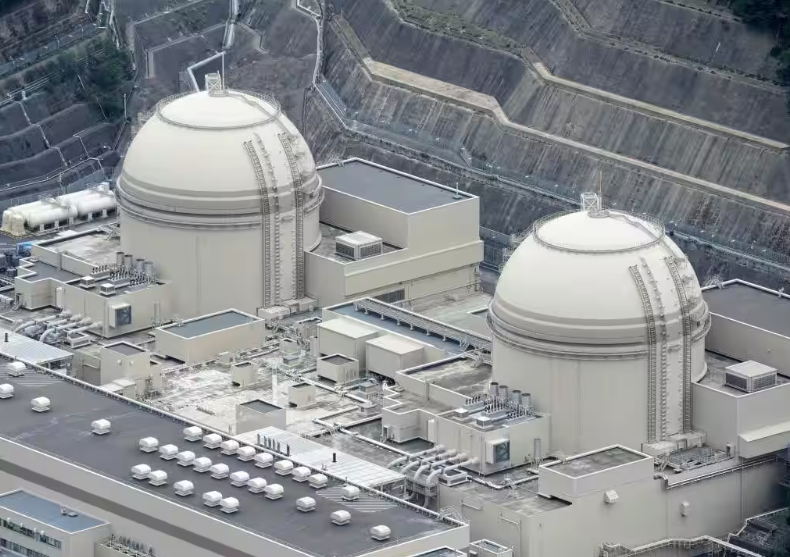
Unit 3 of Japan's Ohi Nuclear Power Plant Automatically Shuts Down
Kansai Electric Power Co. announced in the early hours of the 9th that Unit 3 of the Ohi Nuclear Power Plant, located in Ohi Town, Fukui Prefecture, Japan, automatically shut down during operation. The unit has a generating capacity of 1.18 million kilowatts. According to Kansai Electric Power, at around 23:56 on the 8th, an alarm was triggered at the unit, indicating that the generator had lost the conditions required to produce a magnetic field. Subsequently, the generator automatically stopped operating, and the reactor also automatically shut down. Preliminary information suggests that the anomaly may involve the exciter, a device used to establish the magnetic field for the generator. Kansai Electric Power stated that no radioactive material leakage occurred as a result of this incident, and there was no radiological impact on nearby personnel or the environment. The cause of the malfunction...
2026-08-10

SPIC Archives Management Project Selected for National Archives Administration AI Application Pilot
On July 29, the National Archives Administration issued the "Notice on Announcing AI Application Pilot Projects." The archives management AI application pilot project submitted by State Power Investment Corporation (SPIC) stood out from 253 pilot projects and was successfully selected, thanks to its solid digitalization foundation for archives, clear AI integration implementation roadmap, and distinctive application scenarios characteristic of central energy enterprises, becoming an important practical vehicle for digital transformation of archives in central enterprises. In April this year, to safely, steadily, and orderly promote the application of AI in the archives industry, the National Archives Administration issued the "Notice on Carrying Out AI Application Pilot Work," requiring pilot efforts in five aspects: computing power, models, data, scenarios, and security...
2026-08-10

Low Danube Water Level Tests Bulgaria's Nuclear Operations, Energy Minister Says Kozloduy Plant Can Sustain Operations for About a Week and a Half
Bulgarian Energy Minister Iva Petrova said on August 7 that if the Danube River water level remains at its current level, the Kozloduy nuclear power plant can continue normal operations for about a week and a half. She described the situation facing the plant as difficult and dynamically changing, while emphasizing that the plant is currently operating stably with no direct failures affecting power generation. The Kozloduy nuclear power plant is a critical facility in Bulgaria's power system, and the high attention paid to Danube water level changes is mainly related to the cooling conditions required for plant operations. Persistently low water levels may increase operational dispatch pressure and require the energy sector to more frequently assess safety margins and subsequent response measures.
2026-08-08

Russia Advances Rare Earth Extraction Technology Using Hyperaccumulator Plants, Plans Field Trials
August 7 news - Russian researchers have developed a technology for extracting rare earth metals using hyperaccumulator plants. The technology involves planting crops such as mustard, buckwheat, and sunflower at engineered landfill sites, allowing them to absorb metal elements from the soil and concentrate them in their biomass; after harvest, the plants are incinerated, and valuable elements are extracted from the ash. Mustard plantation. Photo: Pustovoit All-Russian Research Institute of Oil Crops. According to reports, under natural conditions in Russia, the relevant crops can be harvested two to three times per growing season. Estimates indicate that a single landfill site can yield up to 15 tons of rare earth metals annually. Currently, the laboratory has conducted tests using phosphogypsum waste from the Voskresensk and Balakovo areas, as well as loparite from the Lovozersky Mining and Processing Plant. The project plans to conduct field trials under real-world conditions this year, with pilot planting scheduled for next year.
2026-08-09
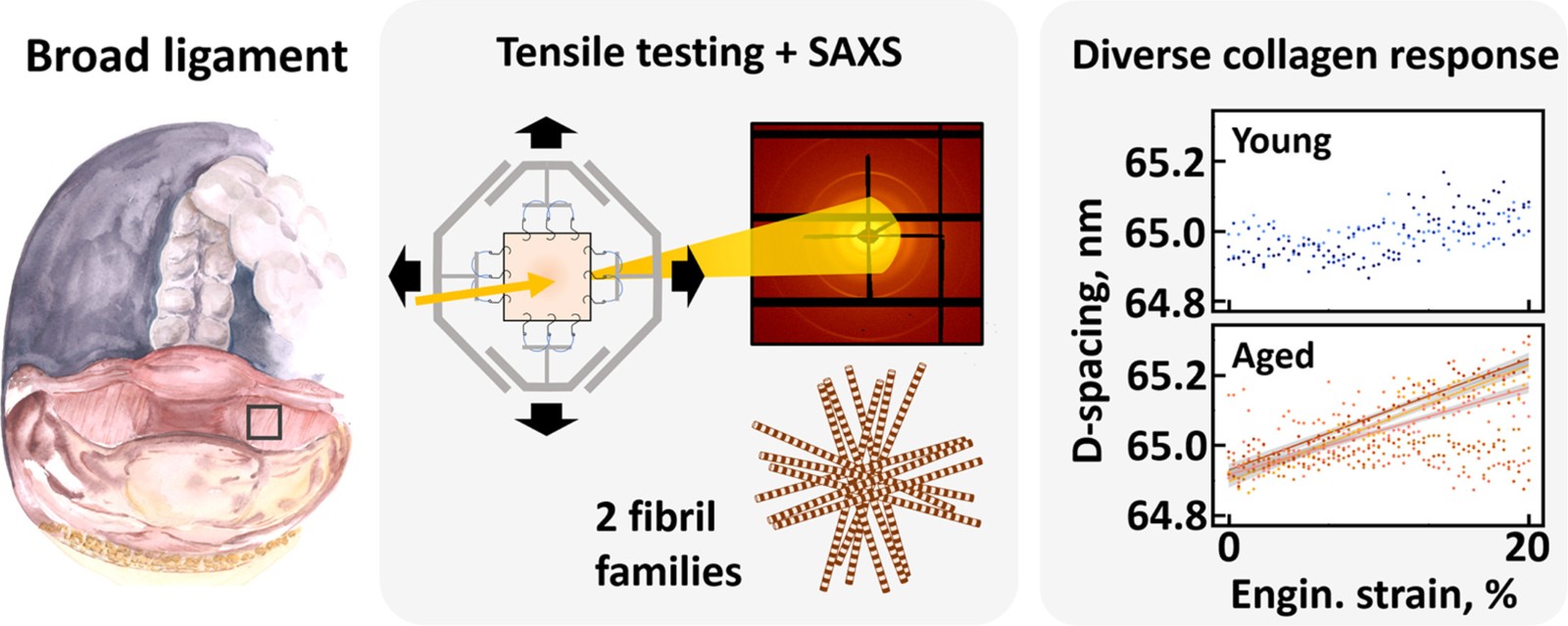
PETRA III Synchrotron Radiation Study Reveals New Clues to Aging Mechanisms of the Uterine Broad Ligament
Austrian and German research teams recently used the PETRA III facility at the German Electron Synchrotron (DESY) to conduct X-ray analysis of the broad ligament, an important ligament supporting the uterus, providing new biomechanical clues for understanding the mechanisms of pelvic organ prolapse. The findings were published in *Acta Biomaterialia*. Pelvic organ prolapse is a common but poorly understood issue in women's health, affecting approximately 40% of women, and predominantly occurring in the latter half of life. Medical researchers have previously speculated that age-related loosening of the ligaments surrounding the uterus may be a significant contributing factor to prolapse. The broad ligament connects the uterus to the pelvic wall, and its strength and elasticity primarily derive from collagen...
2026-08-09
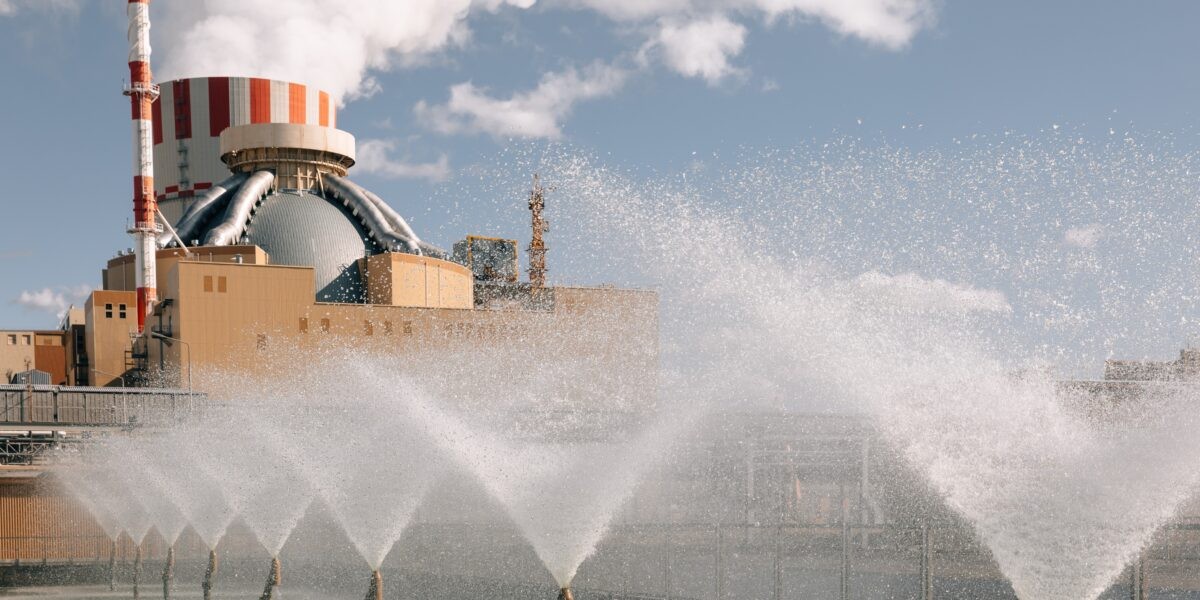
Rosatom Says Russian Nuclear Plants Operate Stably During Summer Heat
In response to recent operational pressures faced by foreign nuclear power plants due to high temperatures and low water levels, Alexey Likhachev, CEO of Rosatom, stated that Russian nuclear power plants are operating normally during the summer peak electricity demand period, with stable power generation. Likhachev said that hot weather does require nuclear plant operators to pay more attention to the condition of cooling systems, but for Russian nuclear plants, this is a normal seasonal factor. Russian nuclear power plants have incorporated significant climate fluctuations, including extreme weather scenarios, into their design and operational phases. He stated that Rosatom has experience in...
2026-08-09