
Search Results
Keyword:Unit 6
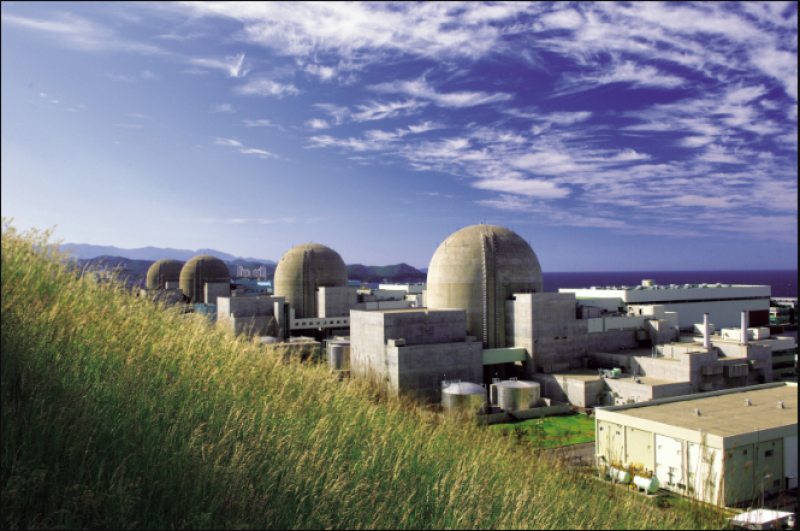
Hanul Unit 6 in South Korea commences its 15th planned preventive overhaul
Korea Hydro & Nuclear Power (KHNP)'s Hanul Nuclear Power Site announced that its Hanul Unit 6 was officially disconnected from the grid at 10:00 a.m. on September 30, fully launching its 15th planned preventive overhaul lasting approximately 72 days. Hanul Unit 6 is a 1,000-megawatt-class pressurized water reactor (PWR) with a rated electrical power of 1,000 megawatts. During this planned maintenance window, the operations and maintenance team will carry out routine nuclear fuel assembly refueling operations as scheduled, and conduct comprehensive preventive maintenance and performance testing on the reactor primary coolant system, engineered safety features, and conventional island critical...
2026-10-04
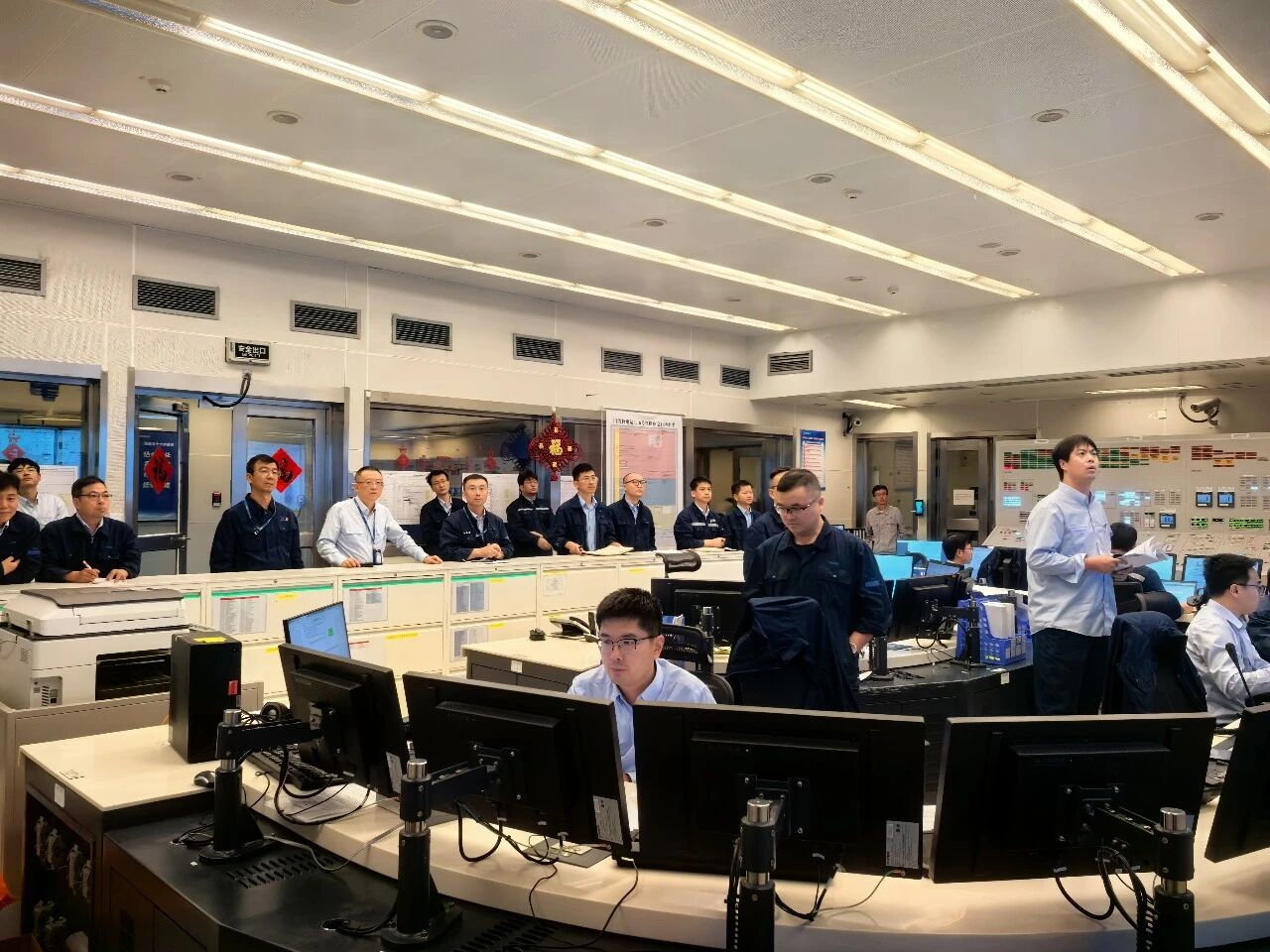
The 4th refueling overhaul of Tianwan Nuclear Power Unit 6 officially begins
At 06:00 on October 1, the main control operator of Tianwan Nuclear Power Unit 6 completed the turbine-generator trip operation, and the unit was officially disconnected from the East China Power Grid, marking the official start of the Tianwan Nuclear Power OT604 overhaul (the 4th refueling overhaul of Unit 6). During the preparation period for the OT604 overhaul, Jiangsu Nuclear Power and China Nuclear Operation and Maintenance deepened joint Party building study and practice, solidly advanced various overhaul preparation tasks, strictly implemented the "721" working principle of "seven parts preparation, two parts execution, one part feedback," conducted discussions and simulations on key milestones in advance, identified and investigated difficulties and bottlenecks in the overhaul, and formulated detailed countermeasures. This overhaul is a Class C overhaul and is also the final battle of the annual overhaul tasks at the Tianwan Nuclear Power Base. Jiangsu Nuclear Power...
2026-10-01
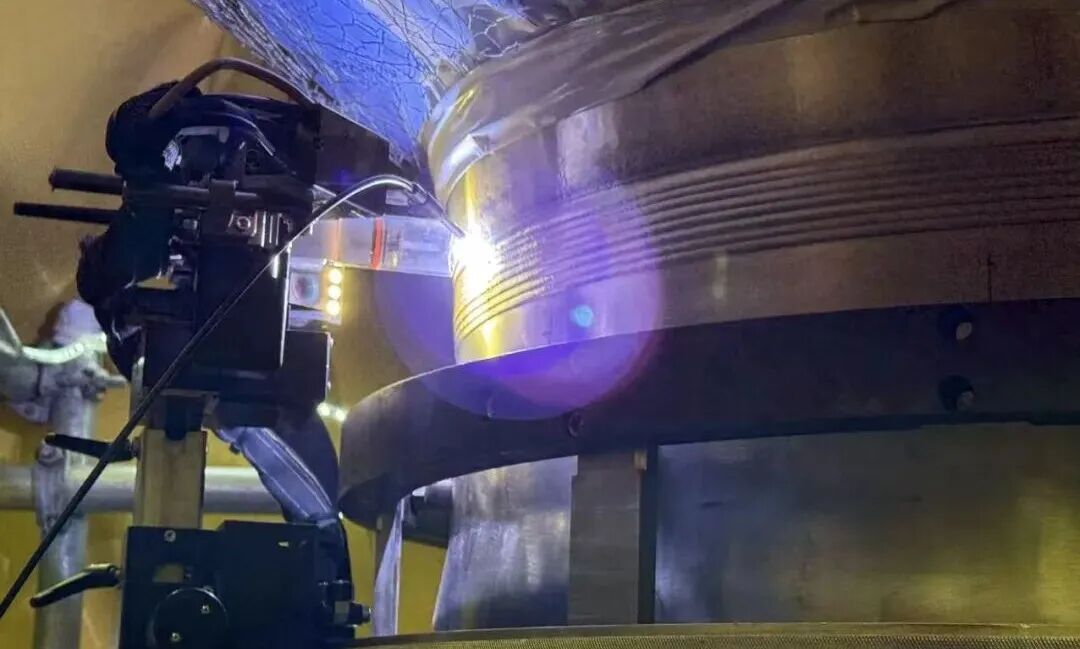
Main Coolant Piping Welding of Lufeng Nuclear Power Unit 6 Successfully Completed
On September 28, the main coolant piping welding of the nuclear island of Lufeng Nuclear Power Unit 6 was successfully completed. All non-destructive testing of the main coolant piping was finished, with the first-pass qualification rate of radiographic testing (RT)/ultrasonic testing (UT) reaching 100%, laying a solid foundation for subsequent key milestones such as nuclear loop flushing and cold functional testing. Facing the high standards of main coolant piping welding, the project department strictly implemented nuclear safety supervision and control requirements, carried out precondition verification across all dimensions of personnel, machines, materials, methods, and environment, established a main coolant piping welding control zone, strictly controlled the working environment including temperature, humidity, and cleanliness, and ensured stable and controllable welding conditions. The project team fully drew on the main coolant piping welding experience of Unit 5, formulated a special plan and implemented full-process management, and through digital monitoring means throughout the entire welding process, tracked key parameters such as welding deformation and temperature in real time, refined the process disclosure, in-process inspection, and quality acceptance procedures for each weld joint, and applied the work style of "strict, cautious, meticulous, and pragmatic" to every welding operation and every weld seam, ensuring the successful completion of the main coolant piping welding of Unit 6.
2026-09-30
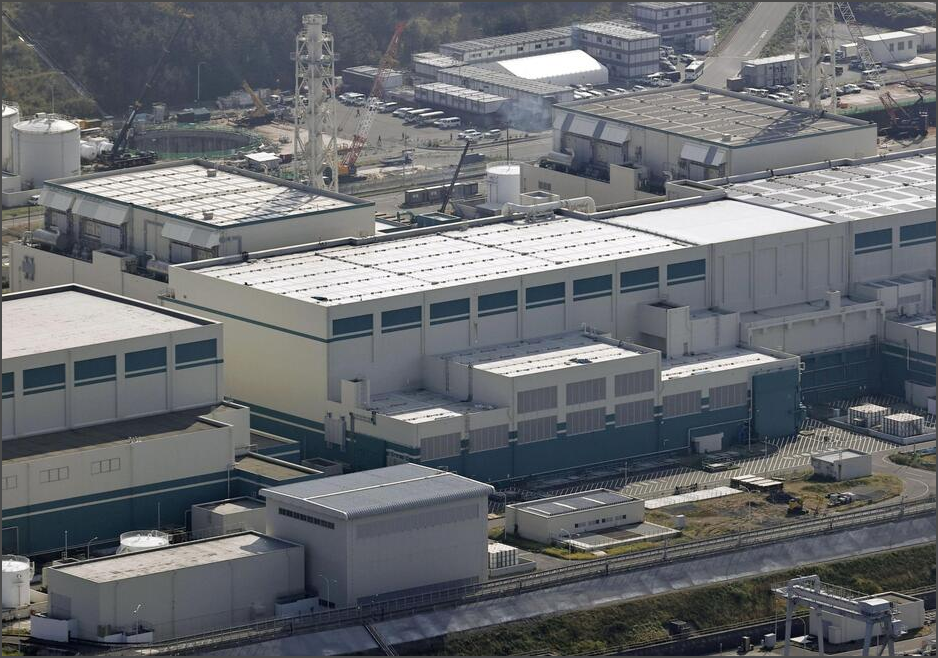
Investigation to Be Conducted into Emergency Diesel Generator Failure at Unit 6 of Japan's Kashiwazaki-Kariwa Nuclear Power Plant
Tokyo Electric Power Company announced that it will investigate the failure of the emergency diesel generator at Unit 6 of the Kashiwazaki-Kariwa Nuclear Power Plant in Niigata Prefecture, Japan. The unit was restarted after 14 years of shutdown and resumed commercial operation in April this year. According to Tokyo Electric Power Company, in July this year, workers discovered that water had mixed into the lubricating oil of the emergency diesel generator at Unit 6. Subsequent inspections confirmed that there was a water leak in the cylinder head, a component of the generator engine. The company therefore determined that the unit currently does not meet the operational safety specification requirements. Tokyo Electric Power Company stated that it plans to complete the relevant repair work by September 19. If the repair cannot be completed by then, the cause of the failure will be further investigated, and measures may include shutting down the reactor for inspection.
2026-09-11
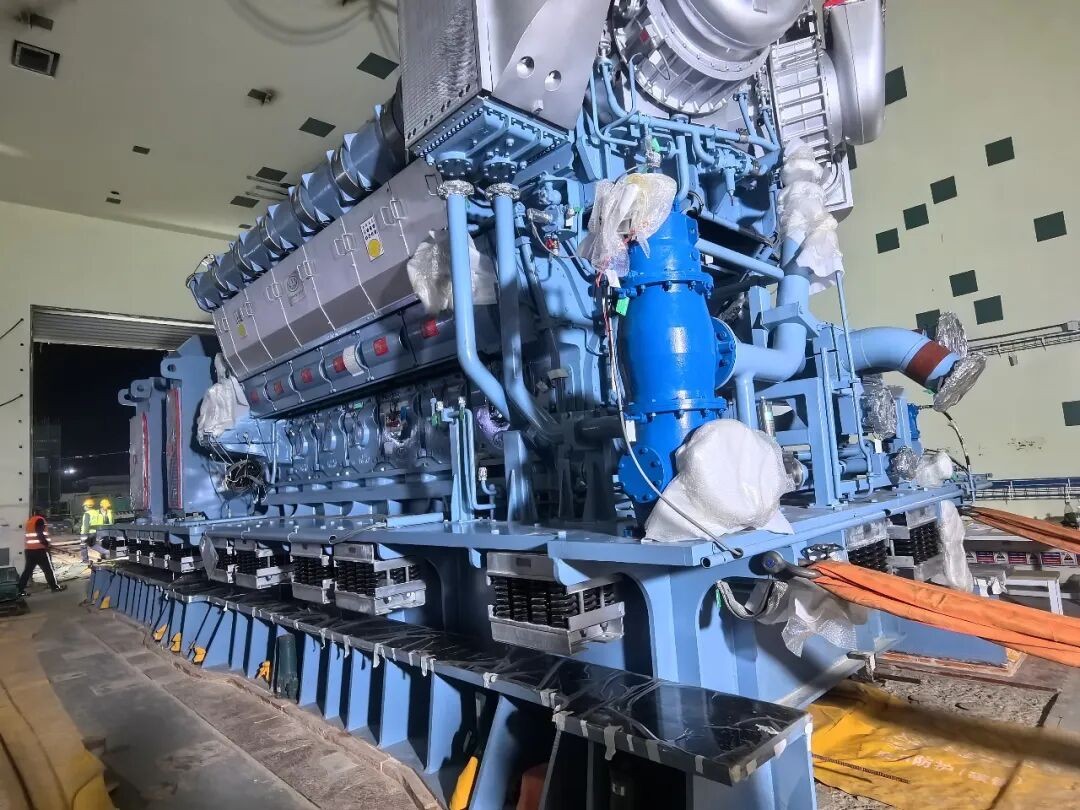
First Emergency Diesel Generator Successfully Introduced at Unit 6 of Lufeng Nuclear Power Plant
On September 4, 2026, the first emergency diesel generator for Unit 6 of Lufeng Nuclear Power Plant was successfully introduced into the diesel generator building. The emergency diesel generator is a critical required power source during the cold test phase of a nuclear power unit. The successful introduction of this equipment ensured the availability of emergency power during the cold test period, providing a solid power guarantee for the smooth execution of subsequent cold test work for Unit 6. The Installation Management Section of Lufeng Nuclear Power shifted from passive waiting to proactive action, planning the diesel generator introduction route in advance. The greatest challenge of this introduction task was the deep pit backfill adjacent to the main area of the siphon well on the west side of the diesel generator building, with a backfill depth exceeding 20 meters, a wide coverage area, and a graded aggregate demand of up to approximately 80,000 cubic meters. During construction...
2026-09-08
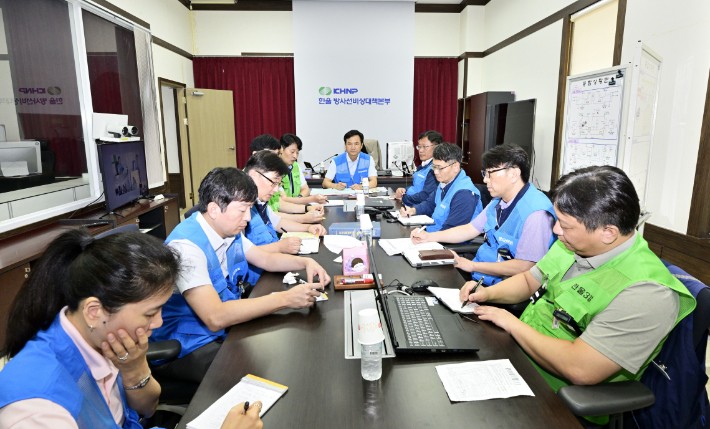
Radiation Emergency Drill Conducted at Unit 6 of South Korea's Hanul Nuclear Power Plant
Korea Hydro & Nuclear Power (KHNP) recently conducted a comprehensive radiation disaster prevention drill at Unit 6 of its Hanul Nuclear Power Plant to test the emergency response system and on-site handling capabilities under radiation emergency conditions. According to the Hanul Nuclear Power Plant, the drill was held on September 3, organized in accordance with the evaluation guidelines established by the Korea Institute of Nuclear Safety (KINS) and based on the National Radiation Emergency Plan. The drill scenario was not disclosed in advance, and the evaluation methods were also adjusted, with a focus on verifying the unit's response capabilities under actual emergency scenarios. During the drill, all emergency personnel of Unit 6 at Hanul Nuclear Power Plant participated in the response. The scenario simulated a casualty incident occurring within the controlled area, with medical rescue operations organized, and a 3.2 MW mobile generator was used to inspect the operational capability of emergency facilities.
2026-09-04
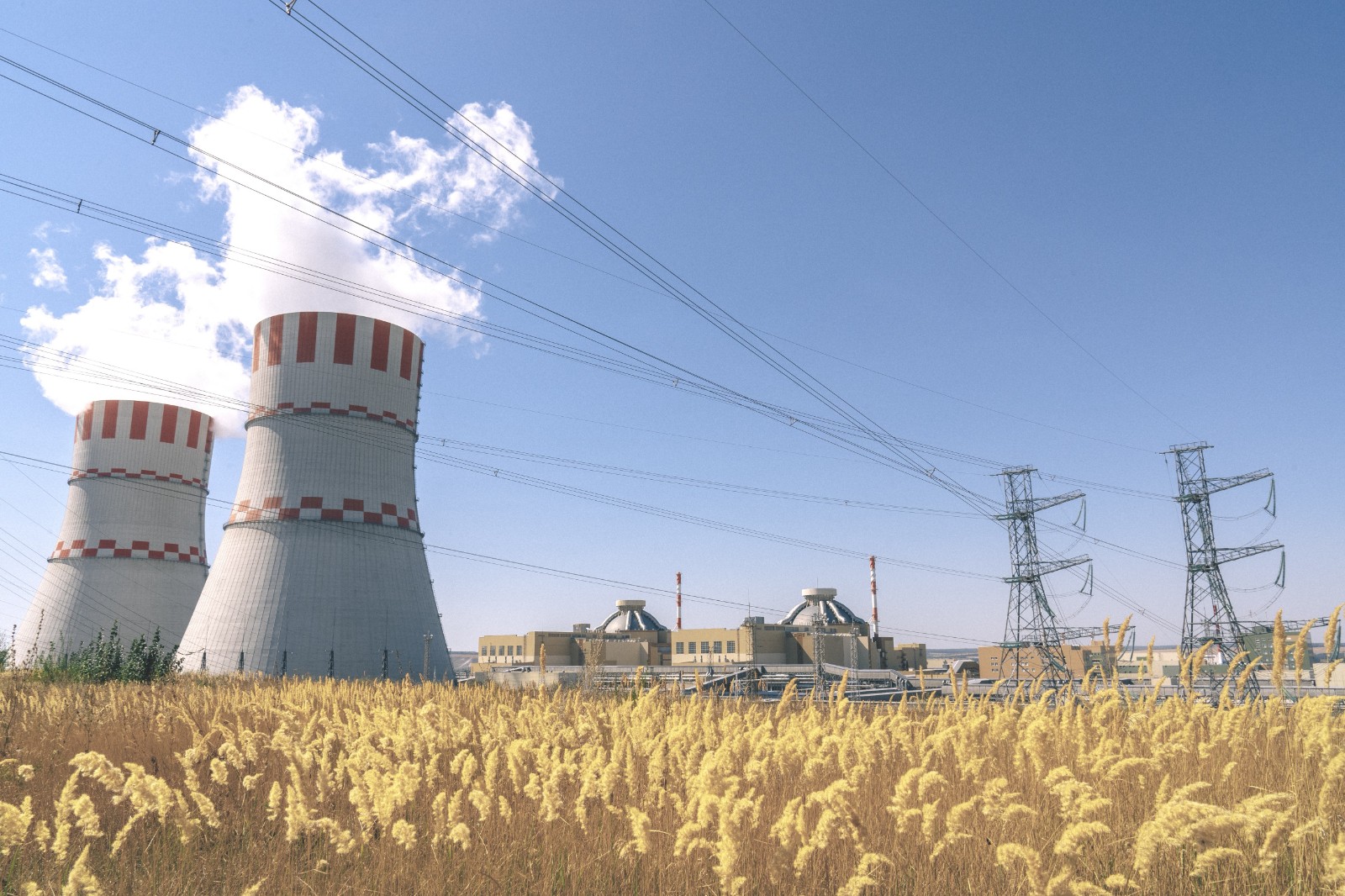
Novovoronezh NPP Unit 6 Exceeds 79 Billion kWh in a Decade of Operation
Since Unit 6 of Russia's Novovoronezh Nuclear Power Plant was first connected to the grid in 2016, it has delivered over 79 billion kWh of electricity to the Unified Energy System of Russia. The unit is the world's first Generation III+ nuclear power unit equipped with a VVER-1200 reactor, and also the first new nuclear unit built from scratch in Russia under the NPP-2006 project. The Novovoronezh NPP currently operates four units, namely Units 4, 5, 6, and 7. Unit 6 accounts for 31.2% of the plant's total electricity generation from operating units. The unit entered commercial operation in February 2017. Its construction began in 2007, with about 200 contracting organizations involved in the project. Russia...
2026-08-06