IAEA Publishes Report on Aging Management of Spent Fuel Dry Storage Systems
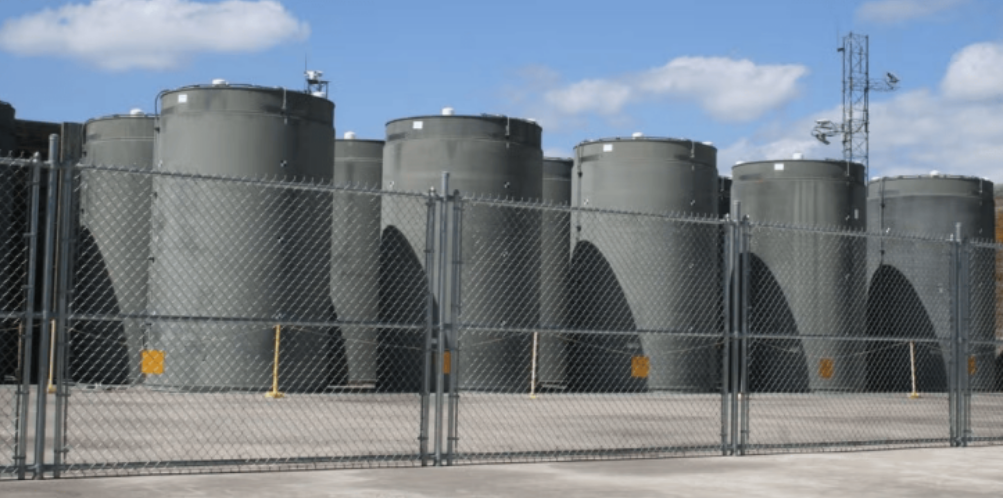
The International Atomic Energy Agency (IAEA) has published the findings of a decade-long study on aging management of spent fuel dry storage systems. According to IAEA estimates, by the end of 2024, spent fuel discharged from nuclear power plants worldwide had exceeded 400,000 tonnes of heavy metal (tHM). Of this, 106,000 tHM is in dry storage, a long-term storage method that is becoming increasingly common compared with wet storage. Most IAEA member states are still decades away from commissioning permanent spent fuel repositories, which means dry storage systems will likely need to continue operating safely beyond their design lifetimes. Wet storage has been in operation for decades, and the IAEA states that aging management of such facilities is generally well understood. Utilities choose dry storage for its passive safety features, and many dry storage facilities have already received license extensions. The IAEA expects demand for dry storage to continue growing, with service periods extending well beyond the original 20-to-40-year licensing terms, potentially exceeding 120 years. Aging management programs (AMPs) are therefore needed to verify continued safe operation.
2026-08-06