
Search Results
Keyword:nuclear regulation
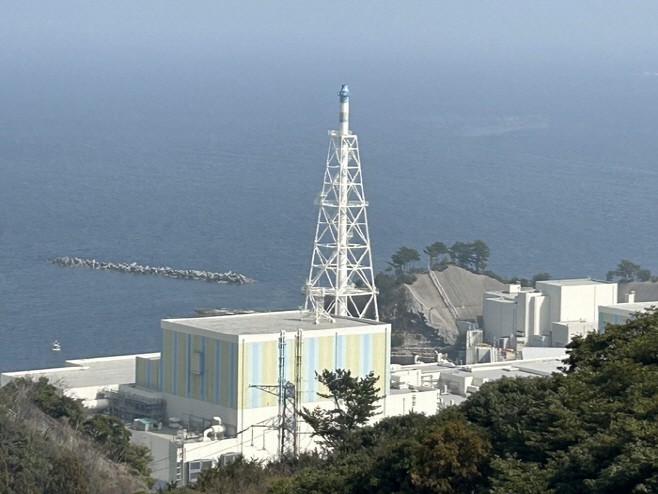
NRA Commissioner Inspects Radiation Management at Shimane Nuclear Power Station
Reiko Kanda, a Commissioner of the Nuclear Regulation Authority (NRA) of Japan, visited Matsue City, Shimane Prefecture, from September 7 to 8 to inspect radiation level management and on-site inspection work at the Shimane Nuclear Power Station. The NRA has a dedicated inspection team stationed at the Shimane Nuclear Power Station and conducts a related inspection once a year to confirm that resident inspectors can properly manage and monitor radiation levels. On September 8, the NRA inspected the emergency response center used by the nuclear power station in the event of a severe accident, focusing on confirming the inspectors' emergency response procedures. Reiko Kanda observed the inspection process on site. Reiko Kanda stated that the inspection work was carried out properly and that this inspection will serve as a reference for the NRA's future work.
2026-09-10
Japanese regulator plans budget for research on next-generation reactor reviews
The Nuclear Regulation Authority (NRA) of Japan has included research costs required for reviewing next-generation nuclear reactors in its budget request for the next fiscal year. The funds will be used to evaluate the effectiveness of new safety measures, providing a review basis for potential future construction or replacement applications. The Japanese government is promoting the development of next-generation nuclear reactors, including innovative light-water reactors that further enhance safety performance based on existing light-water reactor technology. Since November 2025, Kansai Electric Power Company (KEPCO) has been conducting geological surveys at the Mihama Nuclear Power Plant in Fukui Prefecture, in preparation for possible future plans to replace existing units with next-generation reactors. At a meeting held on September 2...
2026-09-03
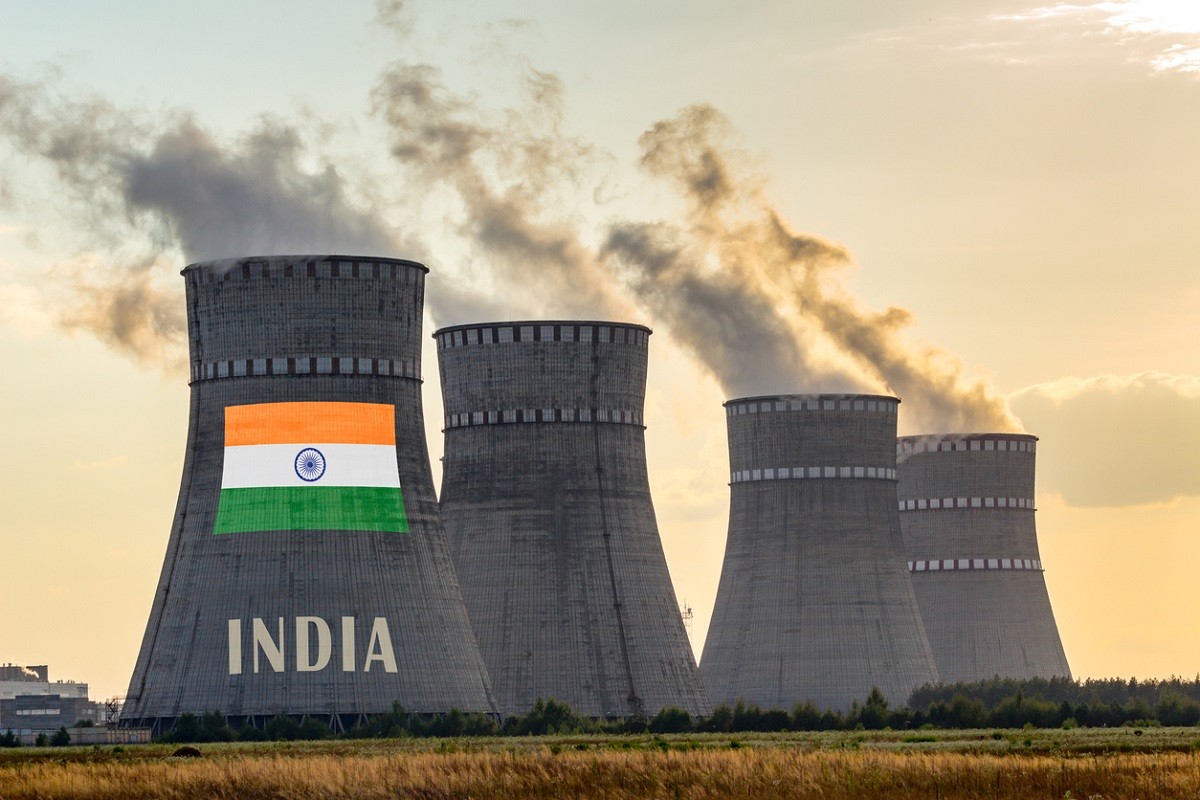
India's Draft Nuclear Regulations May Affect Foreign Reactor Technology Introduction
A draft nuclear regulatory framework in India could introduce new uncertainty to its nuclear power expansion plans. Multiple industry insiders and legal experts believe that the draft's additional approval requirements for imported reactors may push companies toward domestic technology and delay the entry of foreign capital and advanced reactor technology into the Indian market. India passed a new nuclear energy law last year, allowing private enterprises to enter the nuclear power sector, which had long been strictly controlled by the state, and is attempting to expand nuclear power capacity by introducing foreign technology and investment. India plans to increase its nuclear power installed capacity nearly tenfold over the next two decades to 100 gigawatts, with estimated investment needs approaching $210 billion. The target is seen as...
2026-08-28

Indonesia Holds Meeting with Russia on Regulatory Framework for Floating Nuclear Power Plants
On August 18-19, Russian and Indonesian agencies held working meetings in Jakarta to discuss the development of a regulatory framework for Indonesia's nuclear energy program, covering licensing, regulatory, and safety requirements for the implementation of floating nuclear power plant projects. Deputy Chairman of the Federal Service for Environmental, Technological and Nuclear Supervision (Rostekhnadzor) Alexey Ferapontov, the head of Indonesia's Nuclear Energy Regulatory Agency (BAPETEN), representatives of Rosatom, and representatives of Indonesia's Ministry of Transportation attended the meetings. The discussions focused on cooperation prospects between the two countries' regulatory bodies in the context of developing Indonesia's nuclear energy program...
2026-08-21
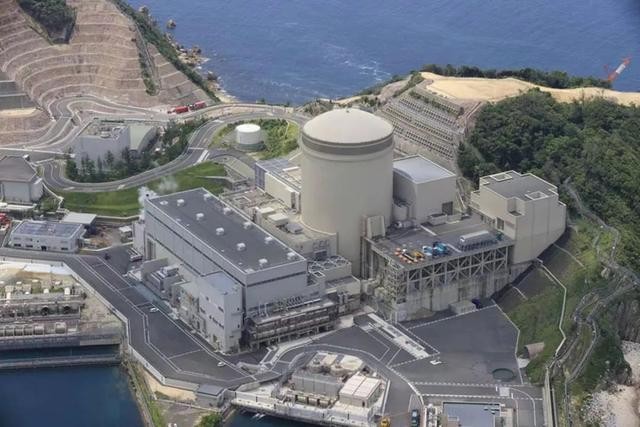
Japan's regulator says steam leak at Mihama Nuclear Power Plant Unit 3 was "avoidable"
On August 19, Japan's Nuclear Regulation Authority (NRA) released the results of its nuclear regulatory inspections for the first quarter of the current fiscal year, determining that the steam leak incident at Mihama Nuclear Power Plant Unit 3, operated by Kansai Electric Power Co., in May this year was "foreseeable within a reasonable range" and that the associated losses "could have been avoided." The incident occurred in the high-pressure turbine area of Mihama Unit 3. A small hole approximately 8 centimeters long and 1 centimeter wide appeared in the metal cover atop the high-pressure turbine casing, causing a steam leak that forced a manual reactor shutdown. In its assessment, the NRA concluded that the event was foreseeable and could have been prevented through appropriate management or maintenance measures. However, since no pipe rupture or fire occurred between the onset of the steam leak and the reactor shutdown, the NRA rated the significance and severity of the incident at the lowest of four levels.
2026-08-20
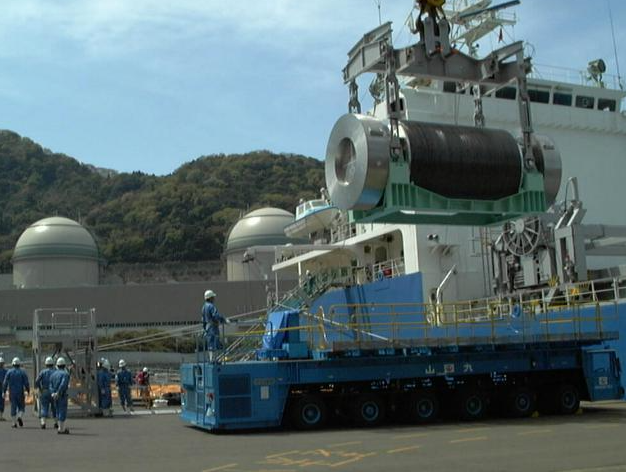
Kansai Electric's Dry Cask Storage Project for Spent Fuel at Three Fukui Nuclear Plants Accelerates
Kansai Electric Power Company (KEPCO) plans to construct dry cask storage facilities for spent fuel at the sites of its three nuclear power plants in Takahama, Oi, and Mihama in Fukui Prefecture, Japan, and the local approval process for the project has recently accelerated. According to local arrangements, in addition to regulatory review, the project requires prior consent from the Fukui Prefectural Government and the towns where the nuclear plants are located. The Nuclear Regulation Authority (NRA) of Japan has completed safety reviews of the dry cask storage facility plans for the Takahama and Mihama nuclear power plants, while the plan for the Oi plant remains under review. Takahama Town Mayor Hisakatsu Nishijima...
2026-08-20

Russia to Develop General Safety Rules for Controlled Thermonuclear Fusion Facilities
The Federal Environmental, Industrial and Nuclear Supervision Service of Russia (Rostekhnadzor) has completed the development of the draft federal norms and rules in the field of atomic energy use, "General Provisions for Ensuring the Safety of Controlled Thermonuclear Fusion Facilities," and has been soliciting comments and suggestions on the results of the draft review since August 17, 2026, with a feedback deadline of September 17, 2026. According to the draft, the document applies to controlled thermonuclear fusion facilities equipped with thermonuclear reactors or thermonuclear devices. The scope of application includes thermonuclear devices with a neutron production intensity exceeding 10²⁰ neutrons per second, or, in pulsed operation with a single pulse of less than 1 second, exceeding 10²⁰ neutrons per pulse, as well as...
2026-08-17
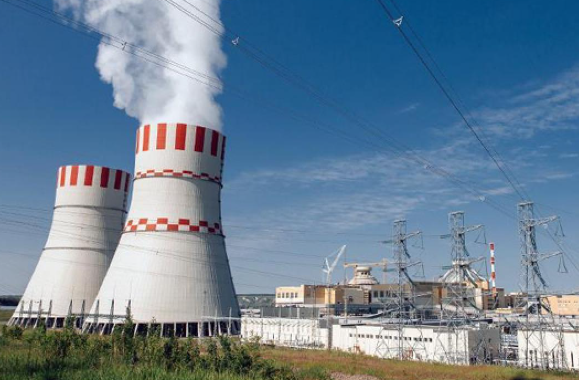
Turkey's Nuclear Regulatory Authority (NDK) Relaxes Certification Requirements for Testing of Short-Cycle Equipment
Turkey's Nuclear Regulatory Authority (NDK) has recently adjusted testing requirements for equipment related to nuclear facilities, providing flexibility for equipment with a production cycle of less than 15 days. According to the decision published in the Official Gazette, under specific conditions, when such equipment undergoes certain tests, testing laboratories will no longer be required to hold specific accreditation for the corresponding test methods. This adjustment applies to the supply chain under the framework of the Regulation on Authorization of Nuclear Facilities. When the NDK, suppliers, or subcontractors are unable to provide a laboratory accredited for the relevant test methods, the original accreditation prerequisite may be waived for the testing of such equipment. This indicates that the regulatory authority, while ensuring quality control of nuclear facility equipment, has also left operational leeway for the testing process of short-cycle production equipment.
2026-08-14
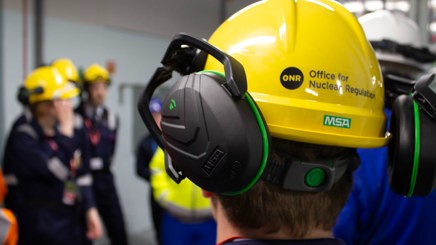
UK Office for Nuclear Regulation Publishes New Safeguards Guidance
The UK Office for Nuclear Regulation (ONR) published updated guidance on 10 August to help nuclear facility operators meet new requirements under the Nuclear Safeguards (EU Exit and Fees) (Amendment) Regulations 2026. The amending regulations, which came into force in July this year, are regarded as a significant adjustment to the UK's nuclear safeguards regime. Safeguards measures are primarily used to verify whether a state complies with its international obligations, ensuring that nuclear materials in civil nuclear programmes are not diverted to non-peaceful purposes. The amendment modernises safeguards reporting requirements, with operators transitioning from the previous basic technical characteristics reports to the International Atomic Energy Agency (IAEA) standardized design information questionnaire. The new regulations also...
2026-08-11

Ethiopia Advances Nuclear Power Regulatory Framework Development
The Ethiopian Technical Authority stated on August 4 that the country is strengthening its legal and regulatory framework in the nuclear energy sector, aligning with its strategic plan for future nuclear power generation and bringing relevant systems in line with international standards. As part of its nuclear power program, the Ethiopian Technical Authority has convened a stakeholder consultation forum bringing together government agencies, professional associations, and key partners to review the draft regulations for nuclear facility oversight. Solomon Getachew, Director General of the Ethiopian Technical Authority, stated at the forum that since the country formally notified the International Atomic Energy Agency (IAEA) of its intention to utilize peaceful nuclear technology for power generation, Ethiopia has undertaken various efforts in regulatory capacity building...
2026-08-05

UK Office for Nuclear Regulation contributes to IAEA regulatory cooperation toolkit for advanced reactors
The International Atomic Energy Agency (IAEA) recently published the Nuclear Harmonization and Standardization Initiative (NHSI) Regulatory Cooperation Toolkit. The UK Office for Nuclear Regulation (ONR) played a significant role in the development of this toolkit, which is designed to support cooperation among national nuclear regulators in the review of advanced reactor technologies. The toolkit is one of the key outputs of Phase 2 of the NHSI (2025–2026), developed jointly by multiple regulators participating in the NHSI Regulatory Track and the Small Modular Reactor (SMR) Regulators' Forum. The toolkit provides practical guidance, templates, and methodologies to help regulators conduct collaborative reviews, leverage existing regulatory assessment outcomes, and address...
2026-08-05
Japan's Nuclear Regulation Authority Begins Revising Seismic Motion Evaluation Guidelines
In response to the data falsification issue at Chubu Electric Power's Hamaoka Nuclear Power Plant, Japan's Nuclear Regulation Authority (NRA) has initiated the revision of seismic motion evaluation guidelines. The falsification involves seismic motion evaluation data that underpins the safety of nuclear power plants, carrying significant implications. The NRA has stated it will treat this matter with utmost seriousness, aiming to establish stricter standards and monitoring systems through the guideline revision. Chubu Electric Power's data tampering is a grave issue that undermines public trust in nuclear power plant safety. Seismic motion evaluation is an extremely critical element in assessing the seismic resistance of nuclear power plants, and data accuracy is fundamental to safety. This incident has called into question the safety of the Hamaoka Nuclear Power Plant, necessitating a thorough investigation and re-evaluation by regulatory authorities. In the revision work...
2026-08-01
Japan's Nuclear Regulation Authority to Revise Seismic Review Guidelines for Nuclear Power Plants
Following the exposure of Chubu Electric Power Co., Inc.'s alleged tampering with data related to earthquake assumptions at the Hamaoka Nuclear Power Plant in Shizuoka Prefecture, Japan's Nuclear Regulation Authority (NRA) has decided to revise certain seismic review guidelines for nuclear power plants to strengthen prevention of similar misconduct. At a regular meeting held on July 29, the NRA decided to proceed with revisions to the guidelines concerning seismic assumption reviews. Previously, the review process primarily focused on the calculation results submitted by nuclear power plant operators. The revision will extend the scope of verification to include the calculation process and the data used therein, in order to prevent companies from intentionally selecting, adjusting, or manipulating data.
2026-07-30
Chugoku Electric Power Submits Third Amendment to Reactor Installation Change Permit Application for Shimane Nuclear Power Plant Unit 3 to Regulatory Authority
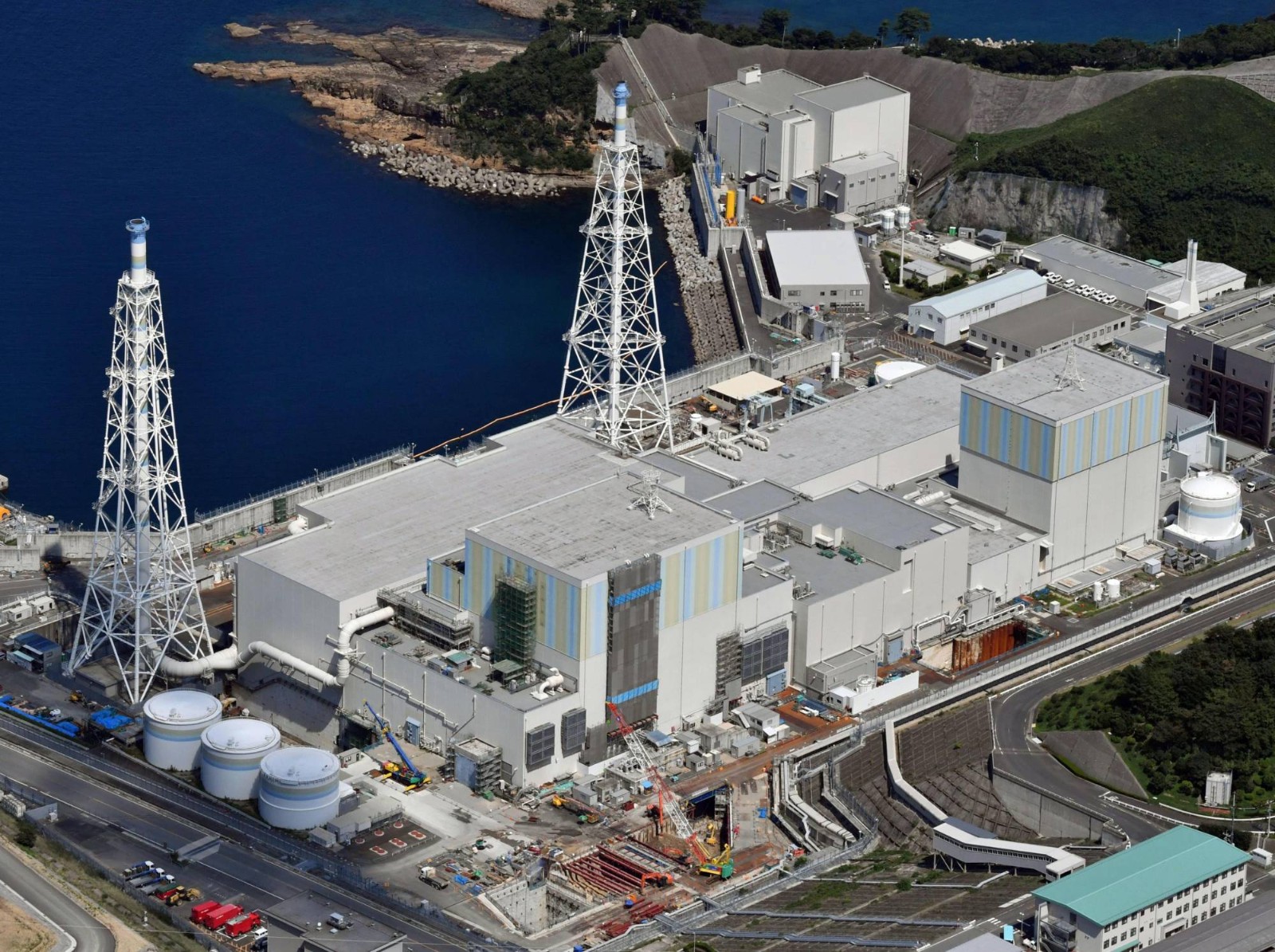
Chugoku Electric Power Co., Inc. announced on July 29 that it had submitted the third amendment to the reactor installation change permit application for Unit 3 of the Shimane Nuclear Power Plant to the Nuclear Regulation Authority (NRA) on the same day. The company stated that this amendment adjusts the application content for related equipment at the plant based on previous review findings. This includes reclassifying certain equipment already installed for Unit 2, such as the emergency response center, for shared use between Unit 2 and Unit 3. According to reports, Chugoku Electric Power had previously submitted two amendments to the reactor installation change permit application for Unit 3 of the Shimane Nuclear Power Plant, on December 22, 2021, and June 29, 2022, respectively.
2026-07-29
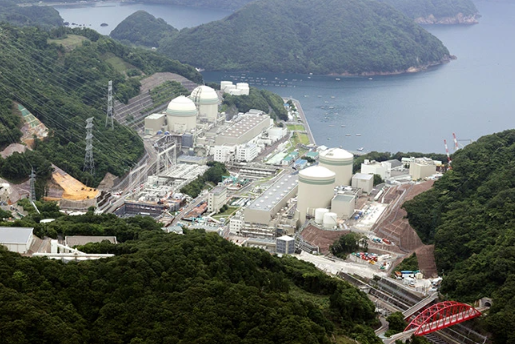
A member of Japan's Nuclear Regulation Authority inspects safety management at the Takahama Nuclear Power Plant.
Tomoyuki Sugiyama, a commissioner of Japan's Nuclear Regulation Authority (NRA), recently visited Kansai Electric Power Co.'s Takahama Nuclear Power Plant to inspect safety management measures, the execution of routine inspections, and pre
2026-07-27