
Search Results
Keyword:water level
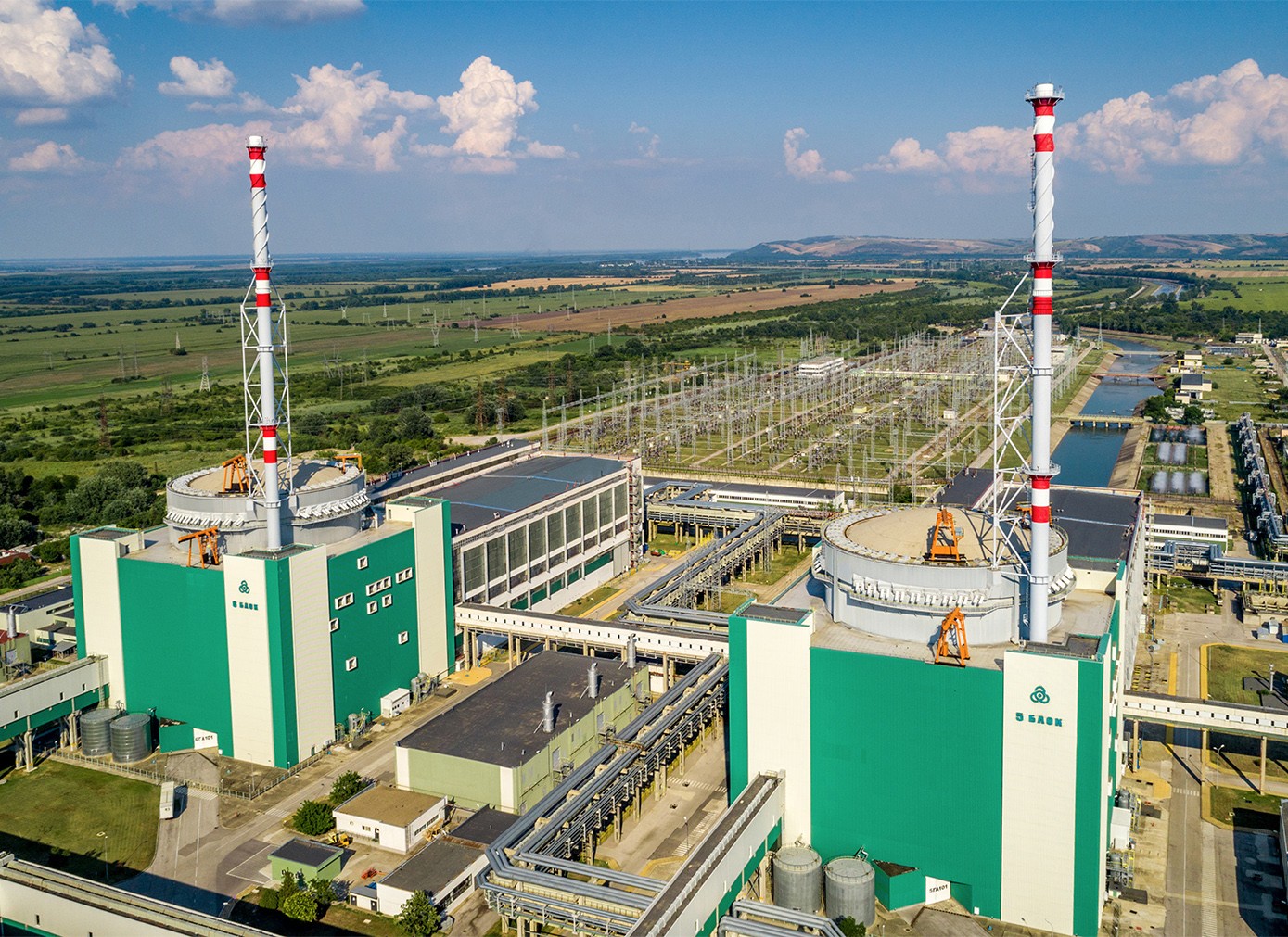
Bulgarian Energy Minister Calls for Coordinated Response to Low Danube Water Levels
Bulgarian Energy Minister Eva Petrova stated at a meeting of the National Assembly's Energy Committee in Sofia on September 2 that persistently low water levels in the Danube River have impacted the operation of nuclear power plants along its banks. While countries have taken individual response measures, there remains a need to strengthen coordination at the regional level. Petrova said the Danube is currently at extremely low water levels, leading to reduced electricity generation at nuclear power plants along the river, including Bulgaria's Kozloduy Nuclear Power Plant. She noted that relevant forecasts indicate such severe conditions may become more frequent in the future. She explained that the Kozloduy Nuclear Power Plant has...
2026-09-03
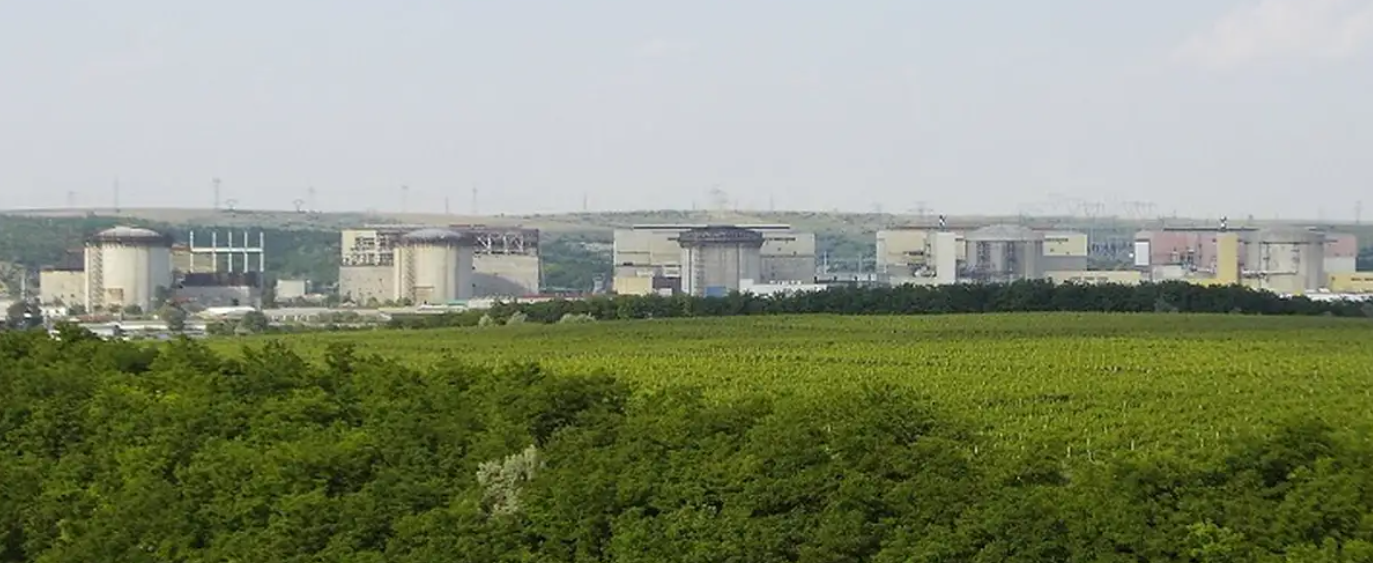
Romania's Cernavodă Nuclear Power Plant unlikely to restart before September 10
Romania's Cernavodă Nuclear Power Plant is expected to be unable to resume operations before September 10. Cristian Bușoi, State Secretary of the Romanian Ministry of Energy, stated that although the Danube River flow is recovering, water levels around the plant have not yet reached the conditions required for a safe and stable restart. In a recent interview, Bușoi said that to avoid creating unrealistic expectations, it can currently be confirmed that the Cernavodă Nuclear Power Plant does not yet meet the conditions for restart before September 10. He explained that the plant's operation depends on a stable water source to ensure the reactor...
2026-09-03
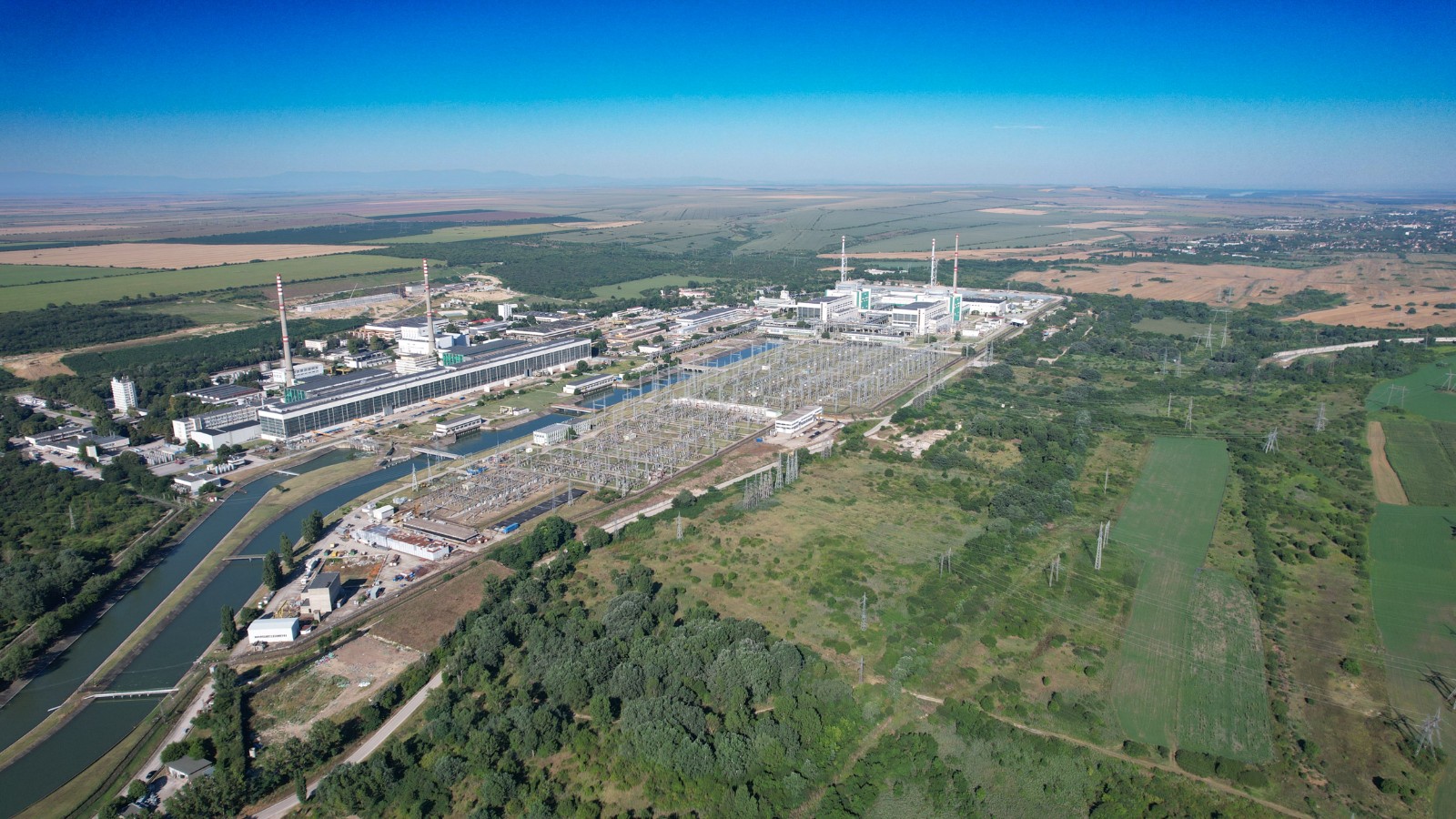
Unit 5 of Bulgaria's Kozloduy NPP Raises Power Output to 950 MW
At 10:00 on August 31, 2026, Unit 5 of Bulgaria's Kozloduy NPP (Kozloduy Nuclear Power Plant) began a phased increase in power output as scheduled. By 17:00 that day, the unit's power output had risen to 950 MW. In the preceding days, the Danube River water level in Bulgaria had recovered, and the plant proceeded accordingly to resume normal unit operation. Kozloduy NPP stated that the operating team continues to carry out relevant work to ensure the safe and reliable operation of the nuclear unit. In response to changes in river water levels, the plant continuously monitors the Danube River water level and maintains communication with the Danube Research and Maintenance Executive Agency to promptly track water level trends. At the same time, the plant strictly implements long-term low-water emergency procedures, conducts continuous monitoring of hydraulic structures in the technical water supply area, and takes necessary measures to ensure the effective operation of relevant facilities.
2026-09-01
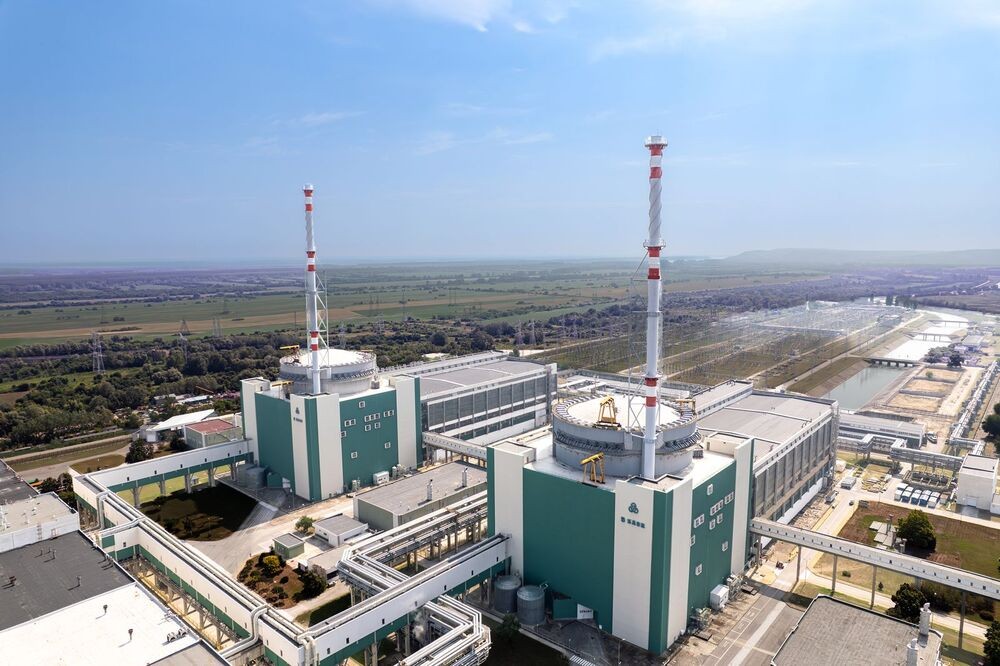
Bulgarian Environmental Groups Demand Public Review of Water Engineering Project Near Kozloduy Nuclear Power Plant
WWF Bulgaria has called for the prompt public disclosure of the technical plans and final design selection for the proposed hydraulic structures near the Kozloduy Nuclear Power Plant, as well as for public discussions to be organized before construction work begins in the Danube riverbed. The organization stated that the purpose of the proposed project is to raise local water levels during prolonged droughts and historically low Danube water levels, ensuring the stable operation of the Kozloduy Nuclear Power Plant's cooling system. The organization has sent an open letter to Bulgaria's Minister of Energy, Minister of Transport and Communications, and Minister of Environment and Water, raising these demands. WWF Bulgaria noted that the Danube is an international waterway, and any engineering intervention involving the riverbed requires careful assessment of environmental, socio-economic, hydro-morphological, and transboundary impacts. Given the complexity of the factors involved in the project, relevant analyses, model results, and design justifications should be made public in a timely manner and subjected to transparent public discussion.
2026-08-27
Bulgaria to Build Danube Weir to Secure Cooling at Kozloduy Nuclear Power Plant
Bulgaria plans to construct a weir approximately 250 to 300 meters long on the Danube River near the Kozloduy Nuclear Power Plant to ensure the stable operation of the plant's cooling system. Bulgarian Energy Minister Eva Petrova stated that the construction work is expected to take 10 to 15 days, with preliminary preparations already completed. Petrova noted that, due to the persistently low water level of the Danube, the Bulgarian side made this decision after analyzing hydrological conditions and conducting hydraulic model simulations. The weir will be used to improve water intake conditions for the nuclear power plant, ensuring the water supply required for the cooling system. Previously, due to the declining water level of the Danube, Unit 5 of the Kozloduy plant had its power output reduced by 120 megawatts to avoid potential operational risks...
2026-08-25

Three units at Hungary's Paks Nuclear Power Plant return to full-capacity operation
Of the four units at Hungary's Paks Nuclear Power Plant, three have returned to full-capacity operation, and grid connection work for Unit 4 is also progressing as planned. Hungarian authorities stated that all eight pumping systems at the plant are now in operation, with total generating capacity expected to approach 2,000 megawatts within two days. Previously, three units at the Paks plant were temporarily shut down due to declining water levels in the Danube River, which serves as a vital water source for the plant's cooling system. To improve water intake conditions, Hungary constructed a temporary weir in the river section near the Paks plant, using thousands of tons of rock and crushed stone during construction, with military engineering units also participating in the operations. The Paks Nuclear Power Plant is located approximately 100 kilometers south of Budapest on the banks of the Danube...
2026-08-25
Half of Turbines at Hungary's Paks Nuclear Power Plant Back in Operation
Hungarian Prime Minister Péter Magyar stated that the Paks Nuclear Power Plant has restored approximately half of its generating capacity, with full restoration expected to be completed earlier than originally planned. Four of the plant's eight turbines are currently in operation, and restoration efforts are ongoing. Magyar said on social media that operating conditions at the plant have improved as construction work near the Paks site progresses and the Danube River water level recovers. Based on the current pace, the Paks plant is expected to regain a generating capacity of 2,000 megawatts by Wednesday, which could meet about 35% of Hungary's electricity demand. Earlier, Unit 3 of the Paks plant was announced to resume power generation ahead of schedule on Saturday evening. Magyar noted that the unit's resumption of power generation is linked to on-site engineering measures and changes in the Danube water level.
2026-08-24

Preventive Power Reduction of Unit 5 at Bulgaria's Kozloduy NPP
Bulgarian Energy Minister Iva Petrova stated in Sofia on August 21 that due to the persistently low water level of the Danube River, Unit 5 of the Kozloduy Nuclear Power Plant (Kozloduy NPP) has undergone a preventive reduction in power generation of approximately 120 MW, but the plant is currently not in a crisis situation. The unit has an installed capacity of slightly over 1,000 MW. Petrova said that the power reduction is a preventive measure within the plant's action plan for responding to the declining Danube water level, and the current situation is under control. She noted that if the water level continues to drop, Unit 5 may require further power reduction. At present, the plant has established an internal working group to continuously monitor hydrological changes. The situation is...
2026-08-22
Bulgaria's Kozloduy NPP Reduces Power Output Due to Falling Danube River Levels
Bulgaria's Ministry of Energy stated that due to the sustained decline in the Danube River water level, Unit 5 of the Kozloduy NPP will reduce its power output by 120 megawatts starting August 21 to mitigate potential operational risks. The Ministry said in a statement that reducing reactor power is one of the measures to ensure the safe operation of the Kozloduy NPP, citing a sustained, abnormal, and rapid decline in the Danube River water level. The Danube River water level within Bulgaria is currently still on a downward trend. It is noted that this is the first time in the 52 years since the Kozloduy NPP was commissioned that its generating capacity has been reduced for such reasons. The plant uses Danube River water to cool the steam in the condensers of the conventional island, with water intake completed by dedicated pump stations located on the riverbank.
2026-08-21
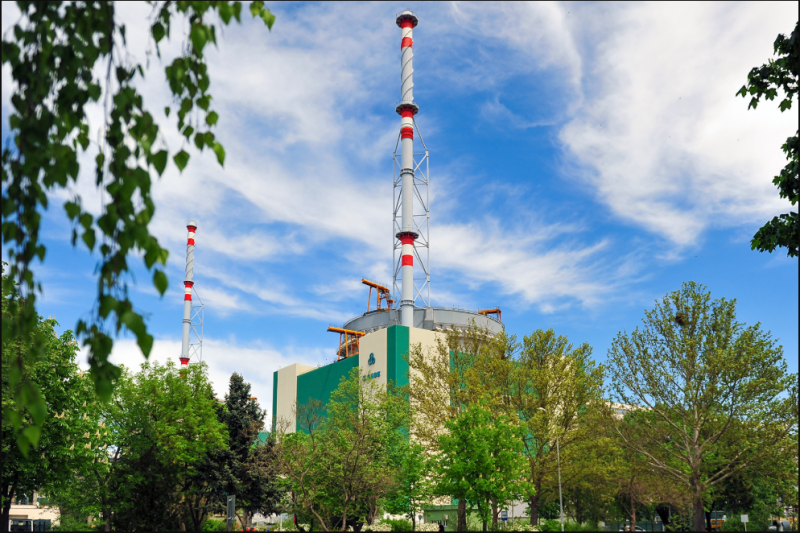
Danube Water Levels Recover, Paks Nuclear Power Plant Expected to Resume Full-Capacity Operation
According to Hungarian sources on August 19, Peter Magyar stated that due to the recovery of Danube water levels, the Paks Nuclear Power Plant is expected to resume full-capacity operation by next weekend. Magyar noted that starting from Friday, August 28, the Paks Nuclear Power Plant will be ready for full-capacity operation. The recent rise of 15 to 20 centimeters in Danube water levels has created conditions for the plant to restore its output and has also eliminated the need for operators to shut down turbines again. Relevant experts plan to restart the turbines that have not yet resumed operation as soon as possible. Previously, due to historically low Danube water levels, the operation of the Paks Nuclear Power Plant, which relies on river water for cooling, was affected, and the plant's output once dropped to approximately 10% of full capacity.
2026-08-20
Cernavoda Nuclear Power Plant Fully Shut Down Due to Falling Danube River Water Levels
Due to the continuous decline of the Danube River water level, the two units of Romania's only nuclear power plant, the Cernavoda Nuclear Power Plant, have been successively shut down. To alleviate the pressure on electricity supply, Unit 4 of the Rovinari coal-fired cogeneration plant has been put into operation, adding approximately 330 megawatts of generating capacity to Romania's power system. Romania's nuclear power company (Nuclearelectrica) previously reported that due to the sharp decline in the Danube River water level, which affected the assurance of cooling water for the reactor, Unit 2 of the Cernavoda Nuclear Power Plant was shut down in a controlled manner on the morning of August 13. The company stated that the shutdown process was carried out in accordance with procedures. At the end of July this year, Unit 1 of the Cernavoda Nuclear Power Plant had already been shut down for the same reason...
2026-08-19
Hungary's Paks Nuclear Power Plant expected to resume full generating capacity from August 23
Hungarian Prime Minister Magyar stated that as the Danube water level is expected to recover, the remaining 6 turbines at Hungary's Paks Nuclear Power Plant are planned to restart from August 23, which is expected to fully restore the plant's original generating capacity. Due to recent high temperatures and Danube water levels, the Paks Nuclear Power Plant had previously been unable to maintain full-load operation as originally planned. On the evening of August 10, the second of the plant's 8 turbines was started, and the current generating power is approximately 480 megawatts, lower than the originally planned 2,000 megawatts. Magyar stated that once the relevant water-retention facilities are completed and the river water level rises as expected, the nuclear power plant will have the conditions to restart the remaining turbines...
2026-08-19
Bulgaria's Kozloduy NPP Addresses Challenges of Low Danube River Water Levels
Bulgaria's Ministry of Energy stated on August 16 that the Kozloduy NPP is currently operating as planned. In response to the persistently rare low water levels in the Danube River, the plant has further studied and implemented preventive arrangements based on existing technical and organizational measures to ensure stable unit operation under complex hydrological conditions. The Bulgarian Ministry of Energy stated that the Kozloduy NPP has established a dedicated working group to evaluate various options for ensuring the plant's normal operation, with a focus on facilities related to the riverbank pumping station. The working group is continuously optimizing the riverbank pumps, reactor unit cooling systems, spent fuel storage facilities, and the overall water...
2026-08-17
Danube Water Levels Continue to Drop, Hungary's Paks Nuclear Power Plant May Reduce Output Again
Hungary's Paks Nuclear Power Plant may reduce its power generation output again early next week due to the continued decline in Danube water levels. Péter Magyar stated on social platform X that Tuesday and Wednesday will be critical periods, with the Danube water level expected to drop by another 14 to 15 centimeters, while the current level is only 9 centimeters away from the threshold that would force the shutdown of the second-to-last turbine at the Paks plant. Magyar noted that this critical phase is expected to end on August 20, when the water level in the Hungarian section of the Danube is expected to recover, influenced by inflows from the Austrian catchment area. Previously, on August 12, Magyar stated that the Hungarian government had decided to build temporary water-retention structures near the Paks Nuclear Power Plant and sink two barges to raise local water levels and ensure the plant's water intake conditions.
2026-08-17
Hungary Plans to Sink Two Barges Near Paks Nuclear Power Plant to Raise Danube Water Level
Hungarian authorities plan to conduct controlled sinking of two giant barges, each about 80 meters long, in the river section near the Paks Nuclear Power Plant on August 14, aiming to raise the local water level of the Danube and ensure cooling water supply for the nuclear power units. According to European sources, after the two barges are sunk, the water level in the relevant river section is expected to rise by about 20 centimeters. Recently, persistent high temperatures across many parts of Europe have driven the Danube's water level to a low point, putting pressure on water intake and power generation along the river. The Paks Nuclear Power Plant is the only operating nuclear power plant in Hungary. Due to the low water level of the Danube, the plant's power output has dropped to about 25% of its installed capacity. Earlier this week, Hungarian authorities also announced plans to build a riverbed weir on the Danube. Under current expectations, the project could raise the water level in the relevant river section by about 1 meter.
2026-08-15