
Search Results
Keyword:water level

Danube Water Level Drop May Affect Operation of Paks Nuclear Power Plant
Hungarian Prime Minister Magyar stated after inspecting the Paks Nuclear Power Plant that the Danube water level has dropped again, which may lead to a further reduction in the plant's power output next week, or even pose a risk of shutdown. At a press conference, Magyar said that about a week ago, heavy rainfall occurred in the Austrian catchment area, temporarily alleviating the low water level of the Danube, but the positive effects of the rainfall have since diminished. According to forecasts, the Danube water level may drop to -132 cm on August 16 or 17, a level approaching the critical operating conditions of the Paks Nuclear Power Plant. If this level is reached, one of the two currently operating turbines may need to be shut down again. He noted that existing forecasts cover the next 6 to 7 days,...
2026-08-14
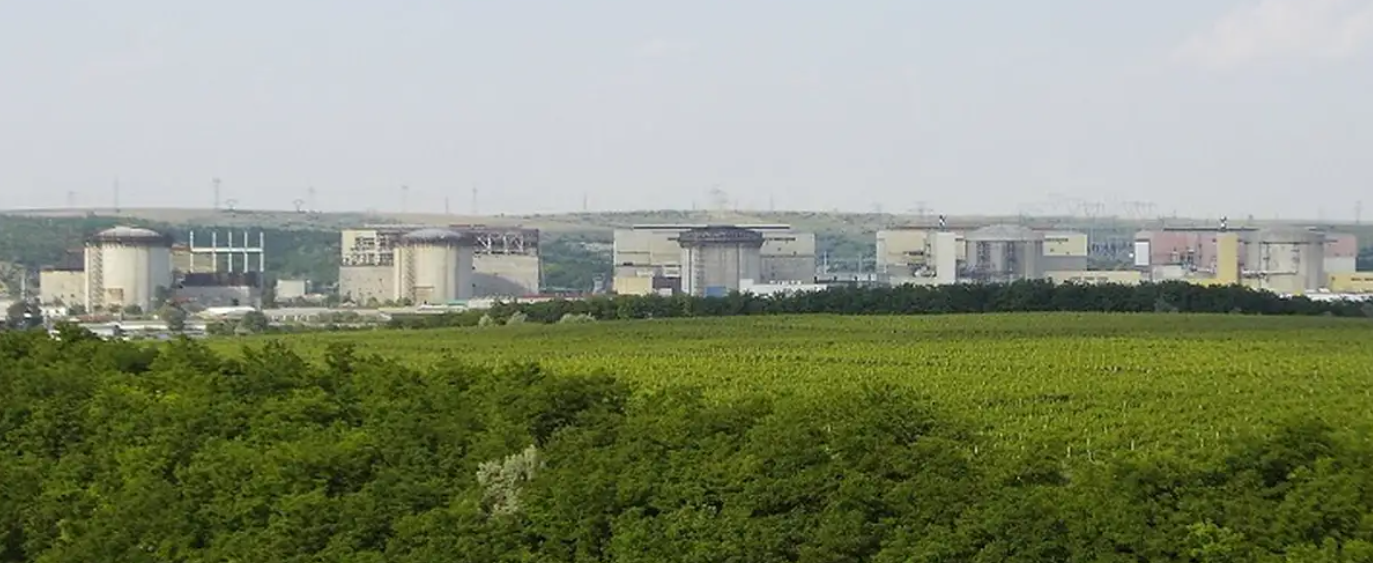
Unit 2 of Romania's Cernavodă Nuclear Power Plant shut down for at least 10 days due to falling Danube River water levels
Romeo Urjan, head of Romania's Cernavodă Nuclear Power Plant, said that due to the continuous decline of Danube River water levels, Unit 2 of the plant has been shut down since August 13 for at least 10 days. Romania's Ministry of Energy stated on August 12 that Unit 2 of the Cernavodă Nuclear Power Plant required a temporary shutdown. As planned, the shutdown operation began on the morning of August 13 and was completed before noon that day. Urjan stated that Danube River water levels are expected to continue declining over the next 10 days, so the plant currently has no plans to restart Unit 2. He emphasized that this shutdown is unrelated to nuclear safety issues or emergencies, with the main reason being...
2026-08-14
Romania's Cernavoda Nuclear Power Plant to Shut Down Due to Falling Danube River Levels
Romania's Ministry of Energy announced on the 12th local time that, due to current hydrological conditions, Unit 2 of the Cernavoda Nuclear Power Plant will undergo a controlled shutdown starting on the 13th. Cernavoda is Romania's only nuclear power plant, and this shutdown will mark the first time the plant has been completely taken offline since 2003. The Cernavoda plant has two units, with Unit 1 already shut down at the end of last month. The plant accounts for approximately one-fifth of Romania's electricity generation. Romanian authorities had previously taken engineering measures to delay the shutdown of Unit 2, including dredging relevant sections of the Danube River, blasting and removing underwater rock obstacles, clearing the riverbed, and sinking barges loaded with crushed stone into the river channel to adjust water flow conditions. These operations involved an investment of over 2 million euros.
2026-08-13
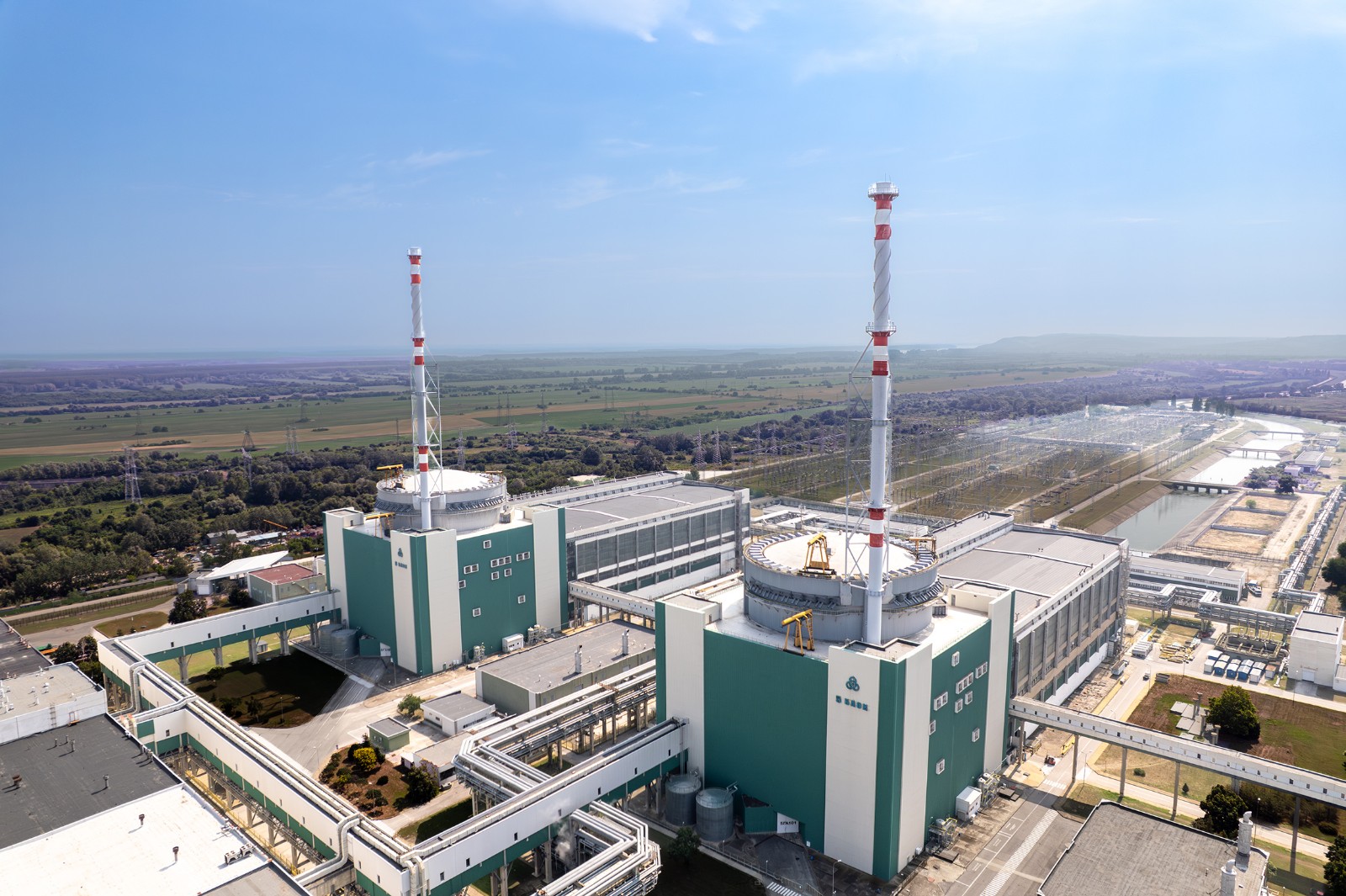
Two Units of Kozloduy NPP Operating at Full Capacity as Scheduled
As of 13:00 on August 11, 2026, the two units of Kozloduy Nuclear Power Plant continue to operate at full capacity in accordance with the power generation schedule. The plant's operating team maintains continuous watch to ensure the safe and stable operation of the relevant facilities. To guarantee the water volume required for the circulating pump station and the technical water cooling system, the plant has implemented technical and organizational measures under existing conditions to maintain the operation of the shore pump station. The technical condition of the relevant facilities requires ongoing attention, and operational parameters are being continuously monitored on site. To optimize water intake conditions, the plant needs to clean the riverbed between the Danube River and the shore pump station. The operation of the shore pumps is being monitored, with flow regulated by adjusting the blade angles; if necessary, further...
2026-08-12
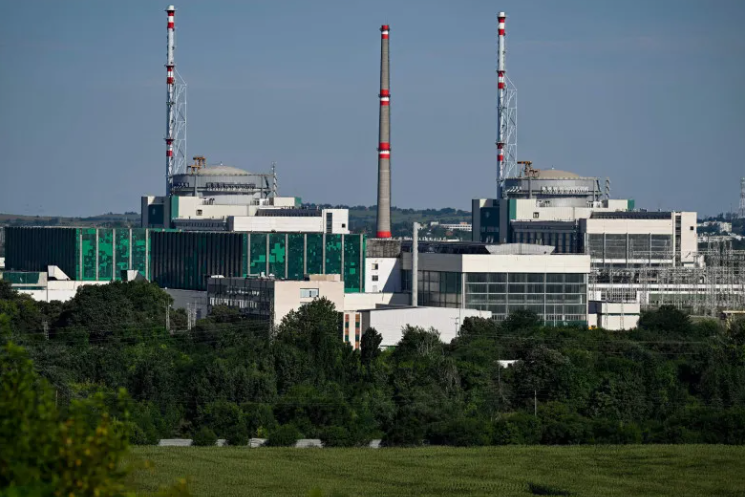
Bulgaria's Kozloduy Nuclear Power Plant Faces Shutdown Risk Due to Low Danube Water Levels
On August 11, Bulgaria's Ministry of Energy warned that the Kozloduy Nuclear Power Plant is facing the risk of reduced output or even shutdown due to the continuously declining water level of the Danube River. The plant relies on the Danube to provide cooling water for its two 1,000 MW reactors. If the water intake capacity continues to be constrained, it will directly affect the safe operation of the reactors and the stability of power supply. Bulgaria's Ministry of Energy stated that measures have been taken to ensure water supply to the cooling system, including dredging the channels connecting the Danube to coastal pumping stations to maintain the necessary flow. This summer, the Danube's water level has dropped to historic lows due to prolonged drought. Near Ruse, Bulgaria, the river's flow is already more than one meter below the safe navigation level, and it has continued to decline over the past 24 hours...
2026-08-12
Romania's Cernavodă Nuclear Power Plant to Shut Down Completely Due to Low Danube Water Levels
Affected by persistent drought and low Danube water levels, the Cernavodă Nuclear Power Plant in Constanța County, southeastern Romania, is expected to be completely shut down within the next 48 hours. Sorin Lindasu, a representative of Romania's water utility company Apele Române, stated that based on current hydrological forecasts, the shutdown of the nuclear power plant is unavoidable and there is no other solution. On Tuesday local time, the Danube's flow rate at its Romanian estuary dropped to 1,370 cubic meters per second, below the previous historical low of 1,450 cubic meters per second. Meteorological forecasts indicate no significant rainfall in the Danube basin over the next five days. Cristian Bușoi, State Secretary of the Romanian Ministry of Energy...
2026-08-12
Danube Water Levels Recover, Hungary Restarts Second Turbine at Paks Nuclear Power Plant
On August 10, as the Danube River's water levels recovered, Hungary began restarting a previously constrained turbine at the Paks Nuclear Power Plant. The Paks plant uses Danube water for cooling and normally supplies nearly half of Hungary's electricity. Due to heatwaves and persistent drought, the Danube's water levels fell to historic lows in recent weeks, reducing the plant's generating capacity to about 10%, with only one of its eight turbines remaining operational. According to available information, Hungarian Prime Minister Péter Magyar stated on the 10th that the Danube's water level had risen 19 centimeters from the low point recorded last week, and that restart work on the second turbine at the Paks plant had begun, with power generation expected to resume by Monday evening. He also previously mentioned...
2026-08-11
Unit 2 of Romania's Cernavoda Nuclear Power Plant Still at Risk of Shutdown
Ionel Scrioșteanu, State Secretary of Romania's Ministry of Transport and Infrastructure, stated that Unit 2 of the Cernavoda Nuclear Power Plant is currently still in operation, but the risk of shutdown has not been eliminated. On August 8, Romanian authorities took emergency measures by sinking four fully loaded barges into the Danube River to raise local water levels, increasing the water intake into the plant's cooling water system to ensure the cooling needs of the reactor units. Scrioșteanu said on social media that the related actions have achieved positive results, allowing Unit 2 of the Cernavoda Nuclear Power Plant to continue operating...
2026-08-11
Unit 2 of Romania's Cernavoda Nuclear Power Plant to Operate for at Least 9 More Days
Unit 2 of Romania's Cernavoda Nuclear Power Plant is expected to continue operating for at least 9 more days. Romania's Acting Minister of Defense and Transport, Radu Miruță, stated that after blasting operations and the removal of underwater obstacles in the Danube River, the water level in the Cernavoda area rose by 4 centimeters over the past 24 hours. The previous day, the water level in the area had dropped by 3 centimeters. Recently, due to persistent drought, the Danube River's water level has fallen to historic lows, putting pressure on the plant's water intake and reactor cooling. To increase water supply in the river section near the Cernavoda Nuclear Power Plant, Romania last week implemented unconventional engineering measures, including blasting a rock formation in the Danube and sinking barges loaded with cargo to alter...
2026-08-10

Low Danube Water Level Tests Bulgaria's Nuclear Operations, Energy Minister Says Kozloduy Plant Can Sustain Operations for About a Week and a Half
Bulgarian Energy Minister Iva Petrova said on August 7 that if the Danube River water level remains at its current level, the Kozloduy nuclear power plant can continue normal operations for about a week and a half. She described the situation facing the plant as difficult and dynamically changing, while emphasizing that the plant is currently operating stably with no direct failures affecting power generation. The Kozloduy nuclear power plant is a critical facility in Bulgaria's power system, and the high attention paid to Danube water level changes is mainly related to the cooling conditions required for plant operations. Persistently low water levels may increase operational dispatch pressure and require the energy sector to more frequently assess safety margins and subsequent response measures.
2026-08-08
Danube Water Level Temporarily Recovers, Hungary's Paks Nuclear Power Plant May Continue Reduced-Power Operation
Hungarian Prime Minister Peter Magyar said on August 7 that due to rainfall in Austria, the Danube water level is expected to temporarily recover in the near term, which will help improve cooling conditions at the nuclear power plant, but the Paks Nuclear Power Plant, which supplies nearly half of Hungary's electricity, may still continue to operate at reduced power. In a social media video, Magyar said the current situation at the Paks Nuclear Power Plant remains very difficult. Affected by persistent high temperatures and historically low Danube water levels, the plant has been operating at approximately 10% output since last week. At a subsequent press conference, he stated that Hungary must find a solution for the operation of the Paks Nuclear Power Plant, because "the Hungarian economy cannot function for months without the plant." Previously, the government had called on businesses and residents to reduce electricity consumption in the evening and dim the decorative lighting of historic buildings in Budapest to alleviate power supply pressure.
2026-08-08
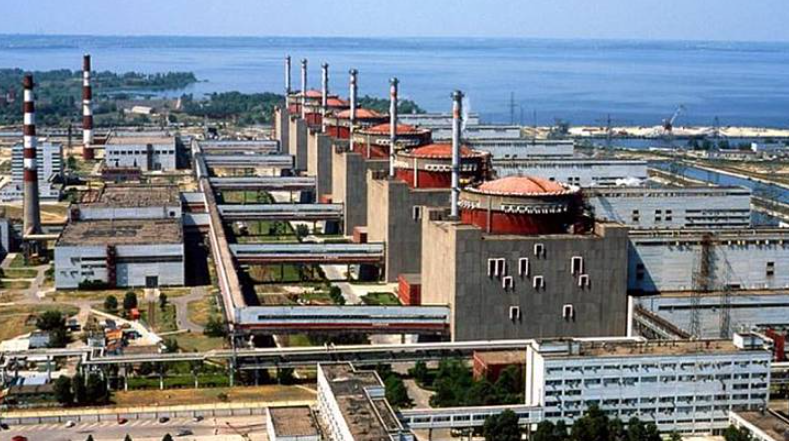
Zaporizhzhia Nuclear Power Plant to Raise Spent Fuel Pool Water Levels to Mitigate Power Outage Risks
The International Atomic Energy Agency (IAEA) stated that the operator of the Zaporizhzhia Nuclear Power Plant has decided to raise the water levels in the spent fuel pools on site to enhance safety buffer capacity in the event of a prolonged loss of external power. The primary purpose of raising the water levels is to extend the time before water in the spent fuel pools begins to boil and evaporate under extreme conditions where external power to the plant is interrupted for an extended period, diesel reserves are depleted, and emergency diesel generators can no longer supply power to the cooling systems. Spent fuel pools are used to store used nuclear fuel underwater, typically for at least five years, allowing its radioactivity and residual heat to gradually decay, making continuous cooling a critical element of nuclear safety. All six units at the Zaporizhzhia Nuclear Power Plant...
2026-08-08
Drought Lowers Danube Water Levels, Romania Plans to Restrict Industrial Power Use if Necessary
Romania's Acting Prime Minister Ilie Bolojan said after a cabinet meeting on August 6 that the government has developed a comprehensive risk prevention plan covering multiple risk scenarios, including earthquakes, public health events, and the current drought, with corresponding response measures clearly defined. Under the plan, Romania will establish a national operations center in the energy sector. Bolojan stated that the government will approve on August 7 measures by Transelectrica to take action when necessary: with 24 hours' prior notice, certain industrial users may be disconnected from the national grid. He also emphasized that power supply to ordinary citizens, apartments, and residential users will not be...
2026-08-07
Romania postpones sinking barges to guide water flow, safeguarding cooling water supply for Cernavodă Nuclear Power Plant
Romania has recently taken emergency measures to address the impact of the persistently declining Danube River water level on the water supply to its nuclear power plant. On August 5 local time, Romanian authorities stated that four barges would be sunk in the Danube River to guide water flow into the water intake channel related to the cooling water supply of the Cernavodă Nuclear Power Plant. Cernavodă is Romania's only nuclear power plant. Affected by drought and the low water level of the Danube, the plant's water intake conditions are under pressure. On August 3, the Romanian military used approximately 180 kilograms of explosives to blast and clear a rock formation in the Danube riverbed, aiming to improve the water flow channel, ensure the cooling water source for units in operation, and prevent the nuclear units from being forced to shut down due to insufficient water supply...
2026-08-06
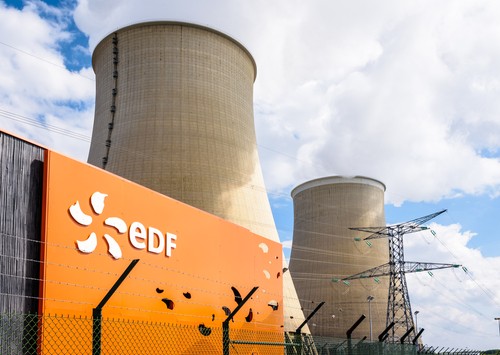
France's drought lowers river water levels, EDF shuts down three nuclear reactors
Affected by drought weather, water flows in France's Meuse and Moselle rivers have declined, and Électricité de France (EDF) has shut down three nuclear reactors in northeastern France. As of the afternoon of August 3, Units 1 and 2 at the Chooz Nuclear Power Plant in the Ardennes department, as well as one unit at the Cattenom Nuclear Power Plant in the Moselle department, remained offline. EDF shut down Unit 1 at the Chooz plant on Saturday evening to comply with the Meuse River management agreement signed between France and Belgium in 1998. Under the same agreement, Unit 2 at the Chooz plant has been offline since July 11. EDF stated that the agreement allows for adjustments to power generation arrangements based on hydrological conditions to safeguard water usage for users along the Meuse River in both France and Belgium.
2026-08-05