
Follow-up consultations on ROK-US nuclear-powered submarine and nuclear cooperation agreement progress slowly
 Scan to share
According to a South Korean diplomatic source on July 31, South Korea and the United States have yet to finalize the schedule for the second working-level consultation, and the follow-up talks originally planned for July have not yet taken place. The consultations are aimed at implementing the security-related agreements outlined in the joint statement issued at last year's summit between the two countries, including South Korea's introduction of nuclear-powered submarines and the revision of nuclear cooperation arrangements regarding uranium enrichment and spent nuclear fuel reprocessing.
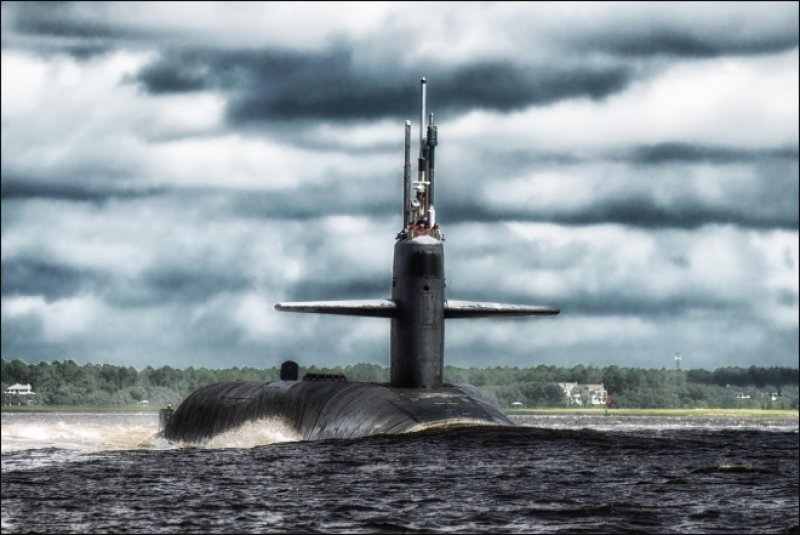
The two sides previously held their first working-level consultation in Seoul on the 2nd and 3rd of last month. U.S. Under Secretary of State for Political Affairs Allison Hooker led a cross-agency delegation to South Korea at the time to discuss the implementation of the security agreement with the South Korean side. Observers had expected the second consultation to be held in Washington, but as of now, the meeting date has yet to be confirmed.
The core agenda of the relevant agreement includes South Korea's acquisition of nuclear-powered submarine capabilities and the expansion of cooperation space in uranium enrichment and spent nuclear fuel reprocessing. Compared with consultations in areas such as tariffs and investment, the pace of follow-up progress in the security domain has been noticeably slower, with no new round of meetings held nearly two months after the first working-level consultation.
Diplomatic sources believe that the U.S. domestic political calendar and congressional schedule are among the influencing factors. Both the introduction of nuclear-powered submarines and the revision of the nuclear cooperation agreement require congressional cooperation from the U.S. side, and the congressional recess and subsequent election preparations may affect the pace of related deliberations. In addition, U.S. administrative resources being drawn across multiple foreign policy and security issues are also considered to have contributed to the delay in ROK-US security consultations.
According to reports, South Korean Foreign Minister Cho Hyun met with U.S. Secretary of State Marco Rubio and Under Secretary of State Allison Hooker on the 22nd on the sidelines of the ASEAN Foreign Ministers' Meeting and expressed the position of hoping to expedite the follow-up consultations. A senior official from South Korea's Ministry of Foreign Affairs stated that although the relevant negotiations have been delayed, this does not signify a change in direction, and the process will continue as originally planned.
Disclaimer: Information republished from partner media, institutions or other websites is provided for reference and communication purposes only. It does not imply endorsement of its views or verification of its accuracy. Please contact us if any content infringes rights or requires correction.