
Long-term overhaul of heating networks launched in satellite town of Smolensk NPP
 Scan to share
A large-scale modernization of the municipal heating system has been launched in Desnogorsk, the satellite town of Russia's Smolensk Nuclear Power Plant. The project is planned to last 15 years and is expected to replace more than 30 kilometers of main heating pipelines, accounting for about one-third of the city's heating network infrastructure.
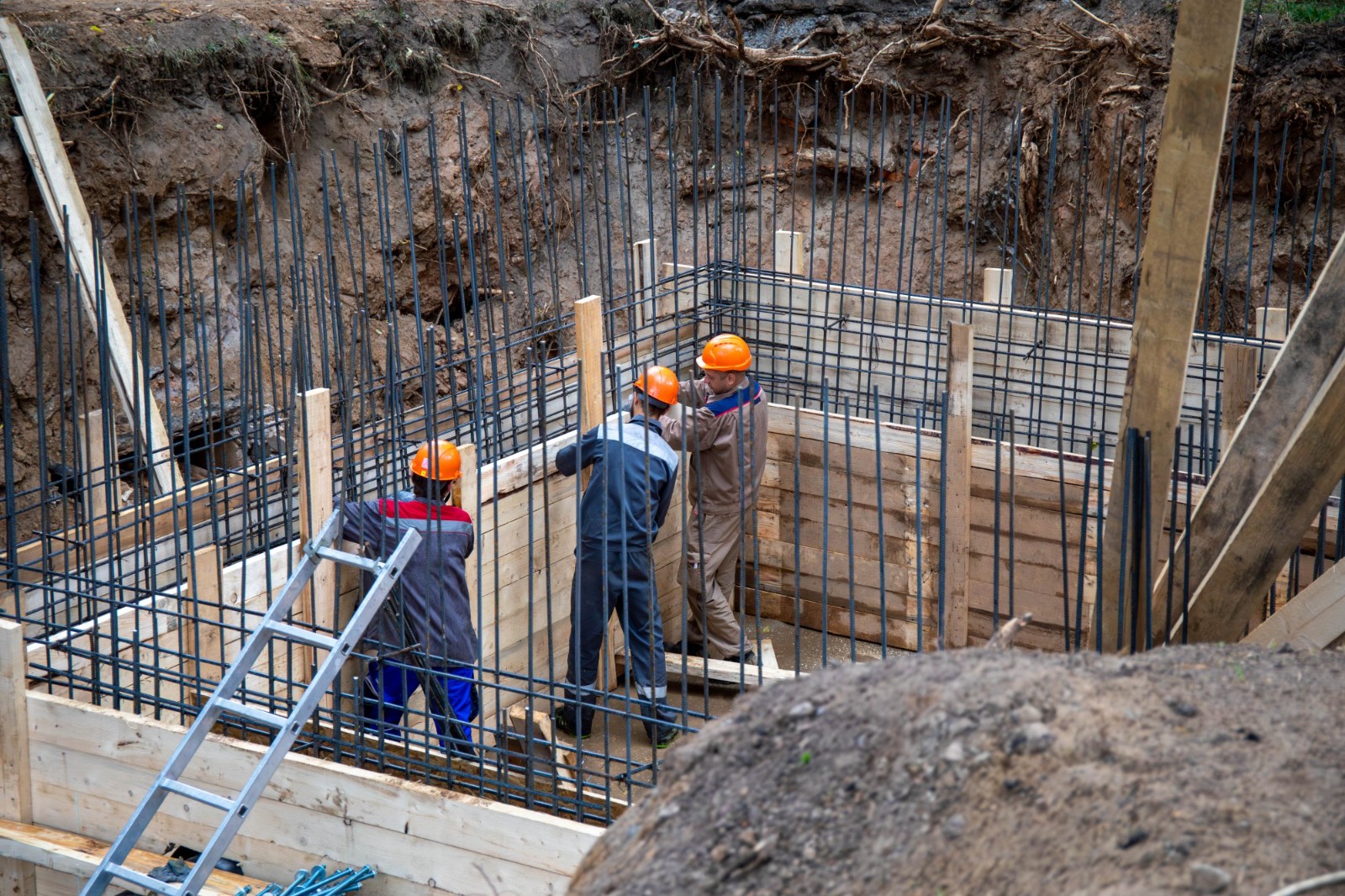
The work is being carried out by AtomTeploElektroSet, a company affiliated with Rosenergoatom, which operates public utility services including heating, water supply, and drainage in cities hosting nuclear power plants. Currently, renovation work has begun in the first and third residential districts of Desnogorsk.
The project's progress is linked to Desnogorsk being included in the heating price zone. Under the new heating tariff regulation mechanism, the city can raise long-term investment funds for heating network renewal while keeping energy price growth under control. Desnogorsk is one of the pilot cities for this mechanism, with work launched in 2024 and participation from enterprises under Russia's State Atomic Energy Corporation (Rosatom).
Vyacheslav Sedunkov, head of the Desnogorsk branch of AtomTeploElektroSet, said that after obtaining heating price zone status, the company can allocate funds systematically for network renewal rather than merely maintaining the existing system. Among the pipelines to be replaced over the next 15 years, some sections have been in operation for 40 to 50 years or more.
Ivan Sidorov, director of the Smolensk Nuclear Power Plant, said that stable and reliable urban infrastructure helps improve the living environment in the city hosting the plant and supports the attraction and retention of professional talent. The heating network overhaul will use pre-insulated pipes with remote leak detection systems to enhance operational reliability.
The Smolensk Nuclear Power Plant, located in the Smolensk region of Russia, is the backbone enterprise of Desnogorsk. The plant currently operates three power units, each with a capacity of 1,000 MW, delivering more than 20 billion kWh of electricity annually to Russia's Unified Energy System. Rosatom has previously stated that improving the quality of life in cities where nuclear enterprises are located is one of the key conditions for maintaining the workforce and advancing future projects, including arrangements related to the construction of the second phase of the Smolensk Nuclear Power Plant.
Disclaimer: Information republished from partner media, institutions or other websites is provided for reference and communication purposes only. It does not imply endorsement of its views or verification of its accuracy. Please contact us if any content infringes rights or requires correction.