
US Oak Ridge National Laboratory Advances 3D-Printed Nuclear Components Manufacturing and Certification
 Scan to share
The US Oak Ridge National Laboratory (ORNL) is working with industry partners to advance the application of advanced manufacturing technologies, with a focus on heavy-duty 3D printing, AI-driven automated manufacturing, and digital qualification methods, to address issues such as unstable US industrial supply chains, shortages of skilled workers, and long lead times for large custom components.
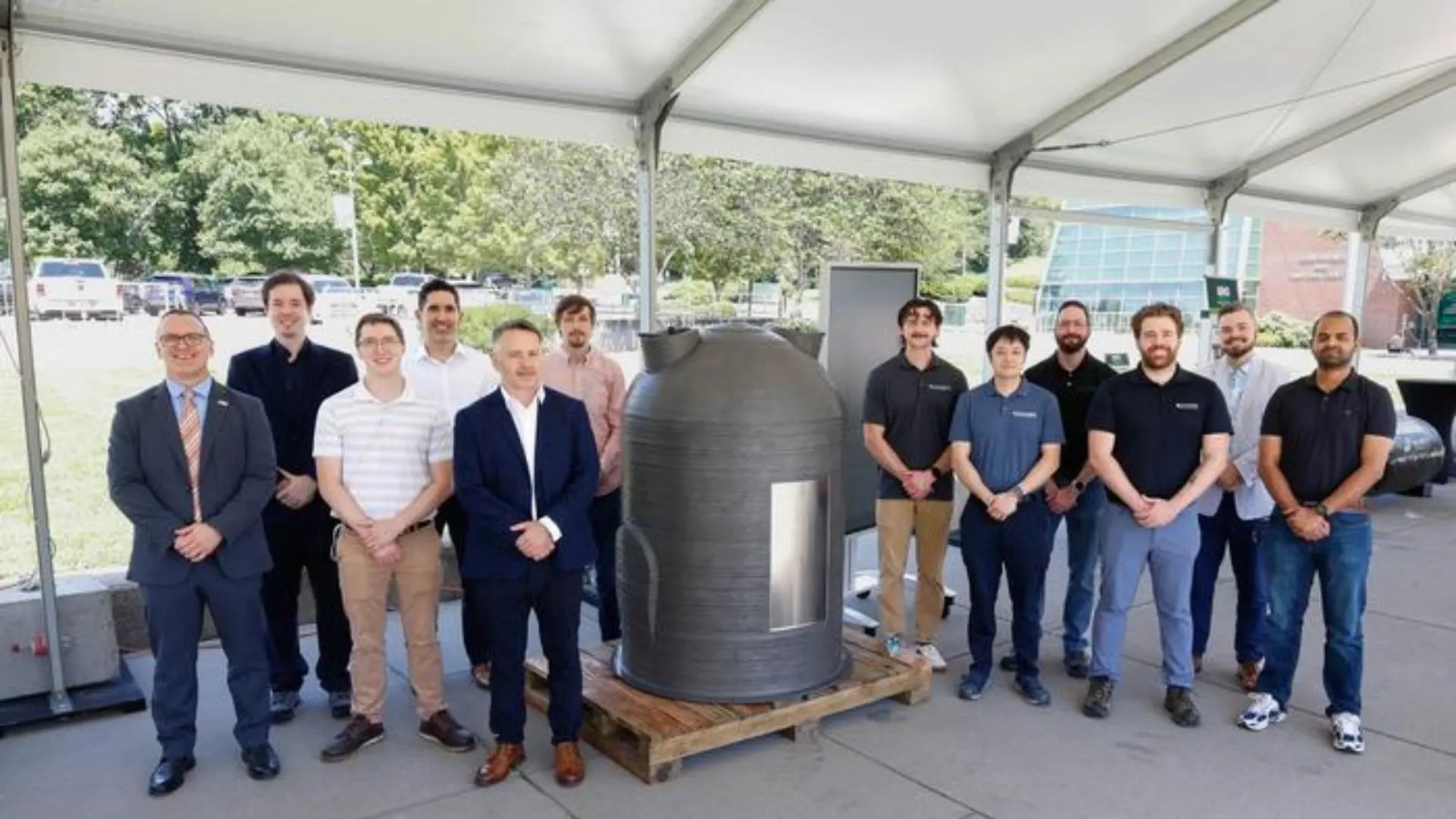
At an advanced manufacturing facility in Tennessee, ORNL demonstrated two large-scale 3D printing manufacturing cases for the nuclear energy sector. Among them, a three-arm robotic system called MedUSA printed a steel nuclear pressure vessel approximately 3 feet by 5 feet with complex dome geometry by guiding molten steel. Researchers said the project was used to verify the feasibility of producing large metal nuclear energy components through additive manufacturing. Traditional reactor pressure vessels typically rely on large-scale forging and welding processes, but related domestic capacity is limited and production cycles are long.
Another demonstrated achievement was an impact limiter model printed by ORNL in collaboration with the University of Maine. The model is approximately 12 feet tall and made from high-strength plastic materials such as fiberglass polymer, used to protect spent nuclear fuel transport casks during transportation. Compared with traditional wooden structures, the project is mainly used to explore the application potential of alternative materials in nuclear fuel transport protective components.
At the Materials and Manufacturing Innovation Day held at ORNL, more than 350 industry representatives participated in discussions focused on how to accelerate the transition of advanced manufacturing technologies from the laboratory to the factory. Attendees believed that more resilient supply chains, the application of alternative materials, faster component certification processes, and the integration of artificial intelligence, robotics, and digital engineering with manufacturing will directly affect the component supply capacity in the energy and infrastructure sectors.
Ryan Dehoff, director of the ORNL Manufacturing Demonstration Facility (MDF), said the laboratory hopes to fully listen to industry opinions to guide research directions and ensure that related work has practical value for US manufacturers, while also considering the supply chain conditions required for commercializing new technologies.
However, attendees also pointed out that manufacturing a component is only the first step, and how to obtain the certification required for practical application remains a key bottleneck. To shorten this process, ORNL announced that it will conduct joint research with Idaho National Laboratory to promote the unification of digital qualification methods across different facilities. Researchers plan to use real-time sensors, machine learning, and defect tracking algorithms in the manufacturing process to provide regulators with the data needed to certify 3D-printed nuclear and energy components, with the goal of shortening the relevant certification data preparation cycle from years to months.
According to reports, ORNL has also signed new cooperation agreements with energy companies such as SLB and Kairos Power to promote the translation of laboratory research results into engineering tools usable by manufacturers. Related work shows that the United States is trying to enhance its domestic manufacturing capacity for large energy and nuclear components through advanced manufacturing technologies.
Disclaimer: Information republished from partner media, institutions or other websites is provided for reference and communication purposes only. It does not imply endorsement of its views or verification of its accuracy. Please contact us if any content infringes rights or requires correction.