
Search Results
Keyword:2027
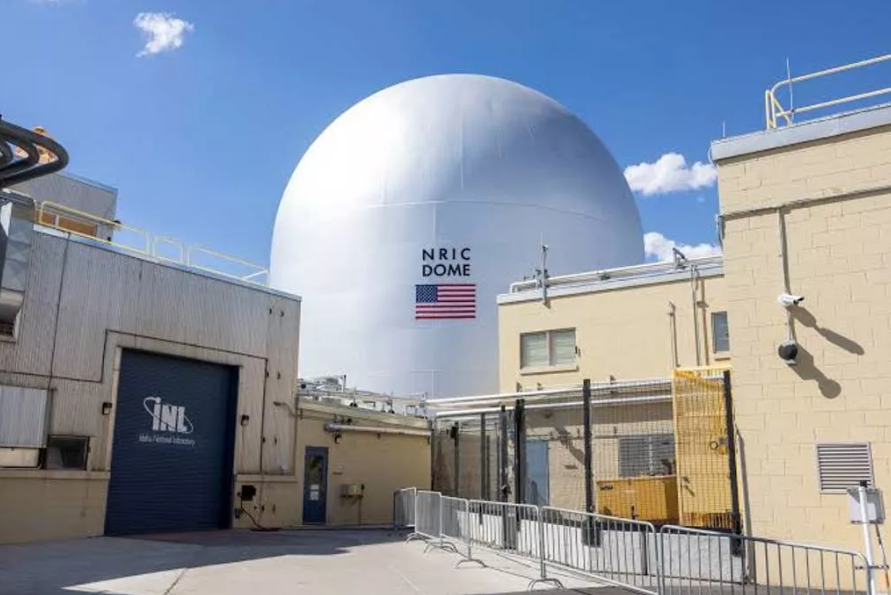
Deployable Energy 1MW Microreactor UNB Achieves Initial Criticality: Scheduled to Enter INL DOME Test Bed in 2027 for Full-Power Testing
Houston-based nuclear energy startup Deployable Energy recently announced that its independently developed Microreactor, the Unity Nuclear Battery (UNB), has successfully completed its Initial Criticality Test. According to the established deployment plan, the system will officially arrive at the Demonstration and Operation of Microreactor Experiments (DOME), the dedicated microreactor test bed at Idaho National Laboratory (INL), in 2027 to conduct full-power comprehensive performance testing. Although branded as a Nuclear...
2026-10-02
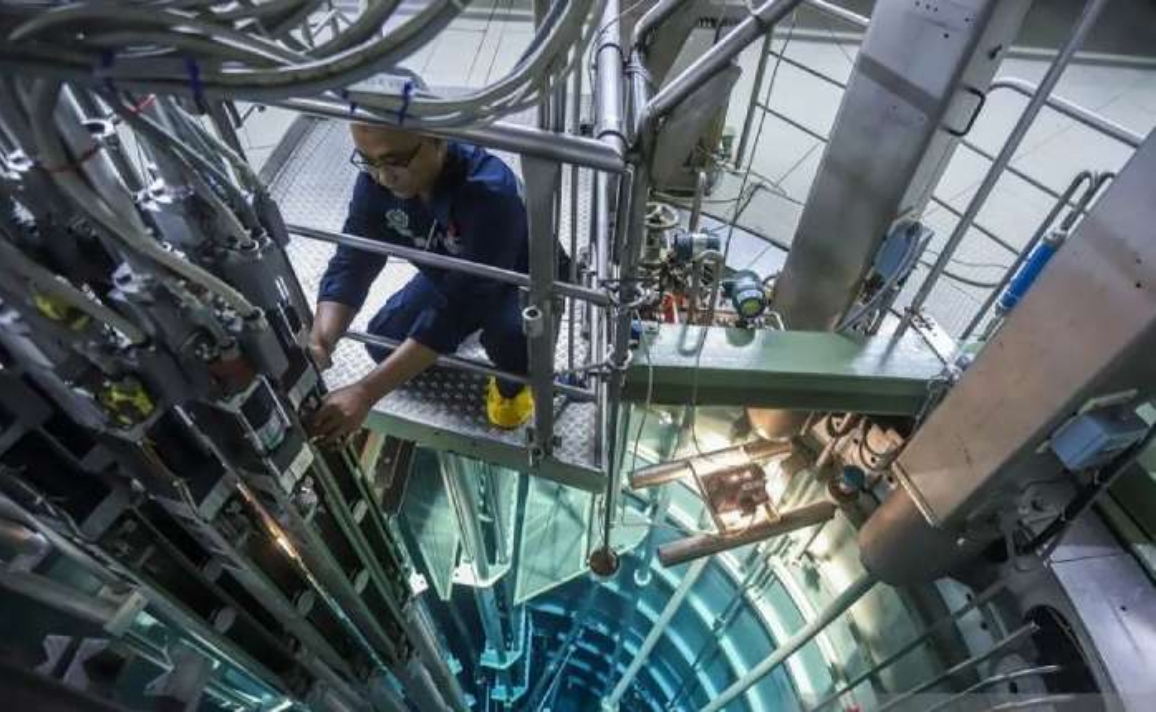
Indonesia Plans to Finalize the Site of Its First Nuclear Power Plant by 2027 at the Latest: Technologies from the United States, South Korea, Japan, and Russia Shortlisted for Cooperation Consideration
Elen Setiadi, Deputy Minister for Energy and Mineral Resources Coordination at Indonesia's Coordinating Ministry for Economic Affairs, stated on September 30 in Jakarta that the Indonesian government is comprehensively advancing the construction project of a Nuclear Power Plant (NPP) and plans to officially finalize the construction site in 2026, or by 2027 at the latest. Indonesia aims to fully integrate advanced nuclear power into its national medium- and long-term energy supply strategy, using stable and abundant baseload electricity to support sustained domestic economic growth and industrialization transformation. At the World Resources Institute Indonesia (W...
2026-10-02
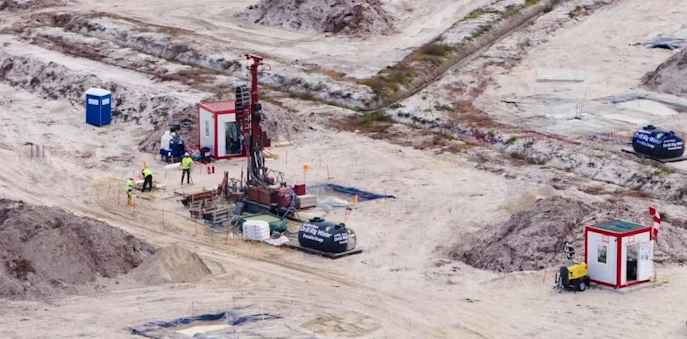
Bechtel and Westinghouse Consortium Formally Signs EPC Turnkey Contract for Poland's First Nuclear Power Plant, Construction Scheduled to Begin in 2027
A consortium comprising U.S. engineering giant Bechtel and nuclear technology supplier Westinghouse Electric Company has formally signed an Engineering, Procurement, and Construction (EPC) contract with Poland's state-owned nuclear power company Polskie Elektrownie Jądrowe (PEJ) to advance the construction of Poland's first-ever commercial nuclear power plant. The nuclear project is located in Choczewo on the Baltic Sea coast in the Pomerania province of northern Poland. PEJ officially stated that the site is planned to host 3 Westinghouse AP1000 Generation III+ advanced pressurized water reactor units, with a designed total installed capacity of 3750 megawatts (3750 MWe), and the first unit is expected...
2026-09-30
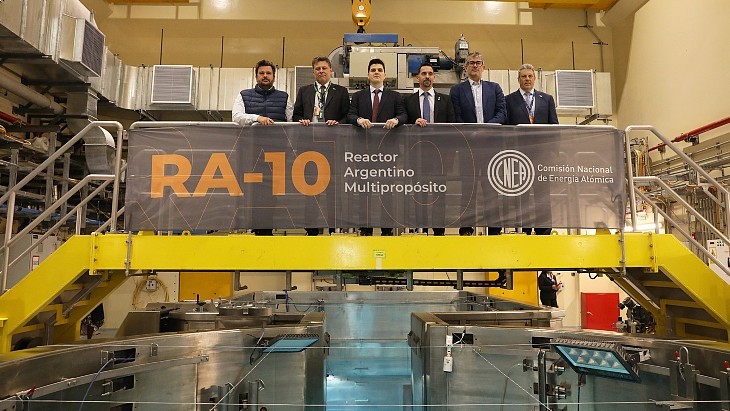
Argentina Plans to Commission RA-10 Multipurpose Reactor in 2027
Argentina's National Atomic Energy Commission (CNEA) and the Nuclear Affairs Secretariat recently stated that the RA-10 multipurpose research reactor at the Ezeiza Atomic Centre is planned to begin commissioning before the end of this year, with the goal of achieving operation in 2027. (Image source: CNEA) According to the project site, RA-10 is currently in its final phase, with approximately 530 workers completing the remaining construction and system testing in preparation for subsequent reactor commissioning and operation. The project is currently about 96% complete overall. RA-10 is a 30 MW open-pool multipurpose research reactor that will provide products and services to the medical, scientific, technological, and industrial sectors once completed. Among these, molybdenum-99 will be one of its key products...
2026-09-08
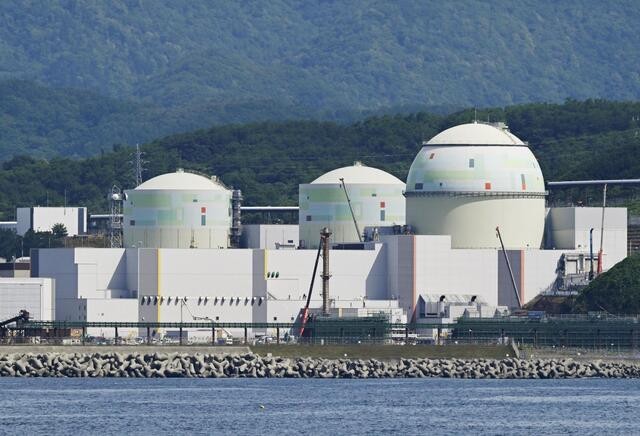
Restart of Unit 3 at Japan's Tomari Nuclear Power Plant May Be Delayed to After End of 2027
The restart of Unit 3 at the Tomari Nuclear Power Plant, operated by Hokkaido Electric Power in Tomari Village, Hokkaido, Japan, may be delayed to after the end of 2027. The company currently maintains its stated target of a restart in early 2027, but has not yet provided a specific date. Key factors affecting the restart schedule include delays in the construction of the tsunami protection embankment, a fatal accident during construction that occurred during the review process by the Nuclear Regulation Authority (NRA) of Japan, and certain technical matters that remain under confirmation and consultation. Hokkaido Electric Power has stated that the embankment is expected to be completed by mid-August 2027. The project was originally scheduled for completion around March 2027, but has been extended due to blizzard conditions and additional...
2026-09-08
Russia plans to launch main construction of Primorsky Krai NPP in 2027
Alexey Likhachev, Director General of Rosatom, said recently during the Eastern Economic Forum that the first concrete pour for the Primorsky Krai nuclear power plant is planned for 2027, with the first batch of electricity to be connected to the grid in 2032. Likhachev stated that relevant work is progressing toward these target timelines. Following conventional practice in nuclear power project construction, the first concrete pour is generally regarded as a key milestone marking the transition of a nuclear project into its main construction phase. During the same forum, Dmitry Demeshin, Governor of Khabarovsk Krai, proposed that consideration be given to building nuclear power plants in parallel in both Khabarovsk Krai and Primorsky Krai...
2026-09-03

Busan, South Korea Secures 2027 Budget Support; Export-Oriented Research Reactor and Other Projects Included in Government Proposal
Busan Metropolitan City recently announced that multiple national projects aligned with its core development goals have been included in the South Korean government's 2027 budget proposal, including the Gadeok Island New Airport, a new export-oriented research reactor, a heavy ion accelerator, as well as industrial projects such as port artificial intelligence, naval vessel maintenance, repair and overhaul, and power semiconductors. Under the budget arrangement, the Gadeok Island New Airport construction project has secured 431.1 billion KRW in support. To enhance maritime and logistics competitiveness, the budget proposal also includes 7.35 billion KRW for a demonstration project on autonomous port cargo handling equipment, 36.4 billion KRW to support shipbuilding and shipping cooperation, 5 billion KRW to strengthen the global competitiveness of small and medium-sized shipbuilders in naval vessel maintenance, repair and overhaul, and an additional 24.9 billion KRW allocated for the development of a fishery products industrial cluster.
2026-09-02
South Korea's 2027 Budget Proposal Includes First-Ever Funding for Domestic Nuclear Submarine Development
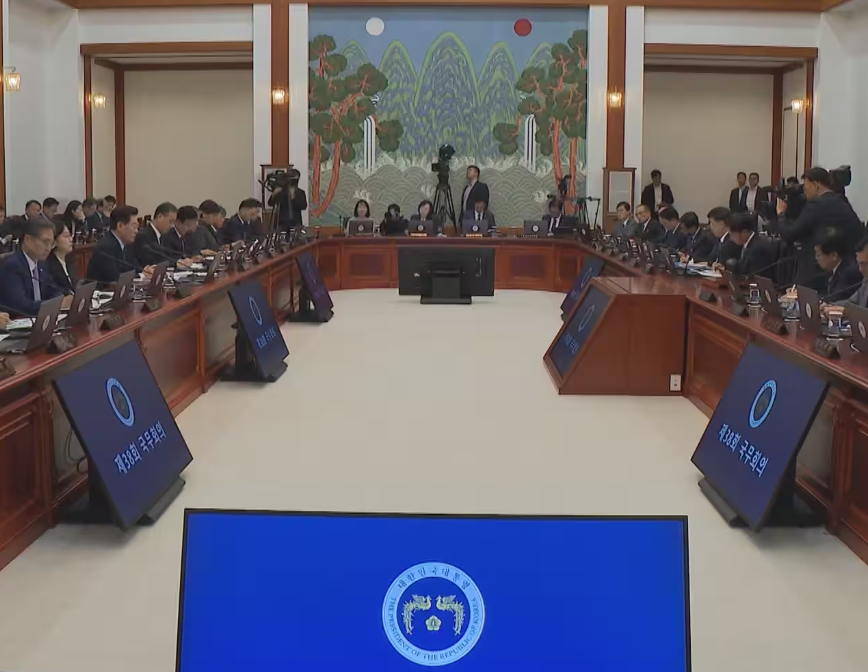
The South Korean government approved its 2027 budget proposal, with total government spending reaching 820.9 trillion won, approximately 95.6 trillion yen, marking a 12.8% increase from the previous year and setting a record high. The budget proposal has been submitted to the National Assembly for review. President Lee Jae-myung presided over a cabinet meeting at the presidential office on September 1, where the budget proposal was reviewed and approved. Under the plan, the South Korean government intends to increase investment in growth-oriented industries, with approximately 2.5 trillion yen allocated to infrastructure development related to semiconductor manufacturing and artificial intelligence, nearly doubling the scale of the previous year. On the revenue side, the South Korean government expects that as AI demand continues to grow and major semiconductor companies see improved performance, corporate income tax and personal income tax revenues will increase significantly.
2026-09-02
South Korea's Nuclear Safety Regulatory Budget for 2027 Rises to KRW 303 Billion
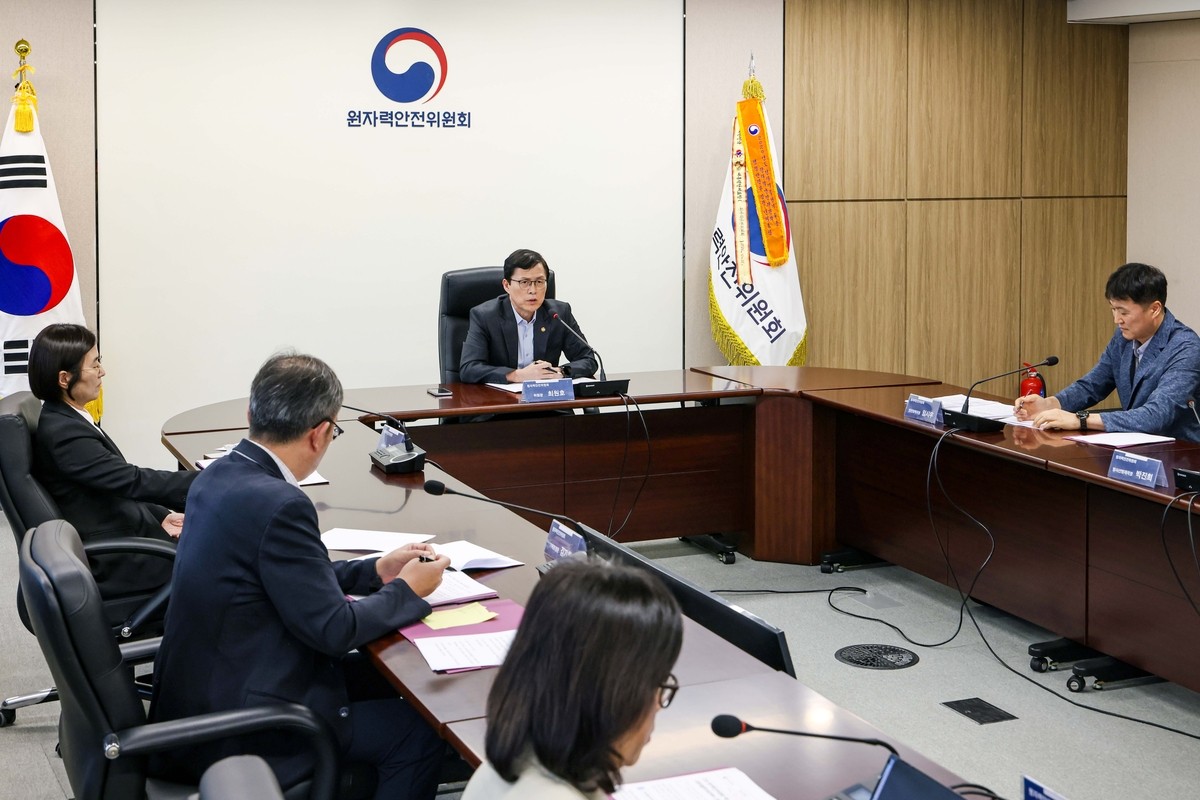
The Nuclear Safety and Security Commission (NSSC) of South Korea announced on September 1 that it has allocated KRW 303 billion for the 2027 budget, an increase of KRW 10.4 billion from this year. The new budget focuses on areas such as small modular reactor regulation, spent nuclear fuel safety, nuclear facility decommissioning review, environmental radiation monitoring, and nuclear safety information disclosure. Regarding small modular reactors, as non-light water reactor-type small modular reactor development projects aim to obtain licenses by the early 2030s, South Korea will invest KRW 8 billion in R&D to establish a new safety evaluation system. In addition, in line with the preliminary review system set to take effect in November this year, the government has allocated KRW 2.7 billion to conduct preliminary reviews of non-light water reactor-type small modular reactors expected to file applications next year. This system allows applicants to request regulatory review of reactor designs before formally submitting license applications.
2026-09-02
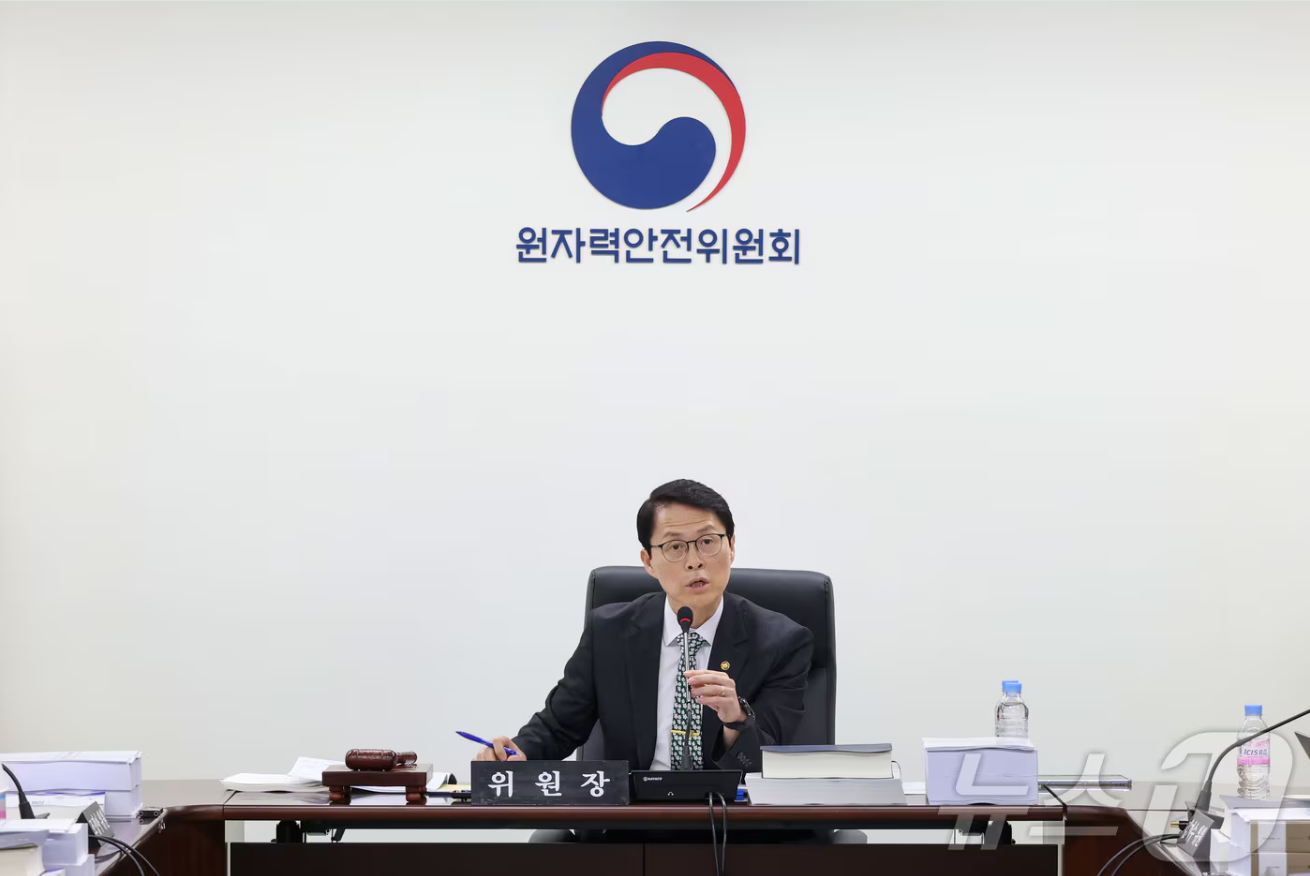
South Korea to Launch National Radiation Monitoring Center in 2027
The South Korean government reviewed and approved the "2027 Budget Plan" at a cabinet meeting on September 1. According to the budget arrangement, South Korea will launch the National Radiation Monitoring Center in 2027 to centrally collect and manage national environmental and marine radioactive information; simultaneously, it will expand the Nuclear Safety Information Sharing Center to strengthen direct communication with residents near nuclear power plants. The Nuclear Safety and Security Commission (NSSC) has allocated 1.4 billion KRW for the construction and operation of the National Radiation Monitoring Center. The project aims to strengthen the environmental radioactivity monitoring and analysis system to address regulatory demands arising from the expansion of domestic nuclear power utilization in South Korea and the increased operation and construction of nuclear facilities in neighboring countries. The National Radiation Monitoring Center is planned...
2026-09-01

Russia Plans to Complete Development of First Domestic Proton Beam Therapy Cyclotron by 2027
Russian scientists plan to complete the development of the country's first domestically produced proton beam therapy cyclotron by 2027, with commissioning to begin in the same year. This progress was announced by Sergey Gertzog, CEO of the Russian National Institute of Electronics and Atomic Energy (NIIEFA), at the recent Technoprom forum held in Novosibirsk. A proton beam therapy cyclotron is a type of charged particle accelerator that uses magnetic and electric fields to accelerate protons to high-energy states, reaching speeds of one-half to two-thirds the speed of light. The accelerated proton beam can target cancerous tumor areas with relative precision for oncological treatment. According to the schedule outlined in Gertzog's report...
2026-08-28
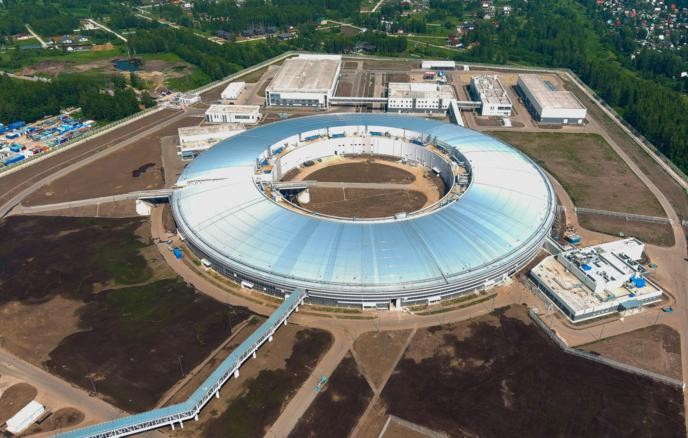
First Seven Experimental Stations of Russia's SKIF Synchrotron Planned for Commissioning in Summer 2027
The first seven scientific experimental stations at the Siberian Circular Photon Source (SKIF) shared center, located near Novosibirsk, Russia, are planned to begin beam testing in August 2027. According to the center's relevant official, all experimental station equipment has been fully installed, and experts are currently conducting commissioning work. Construction of the SKIF synchrotron was completed in June 2026. Once the project becomes operational, it will utilize synchrotron radiation to help researchers observe the internal structure of matter, obtaining high-precision data on material structure and behavior, which can serve fundamental research and related industrial R&D. As planned, the Budker Institute of Nuclear Physics of the Siberian Branch of the Russian Academy of Sciences will launch beam operation in the main storage ring in September...
2026-08-28
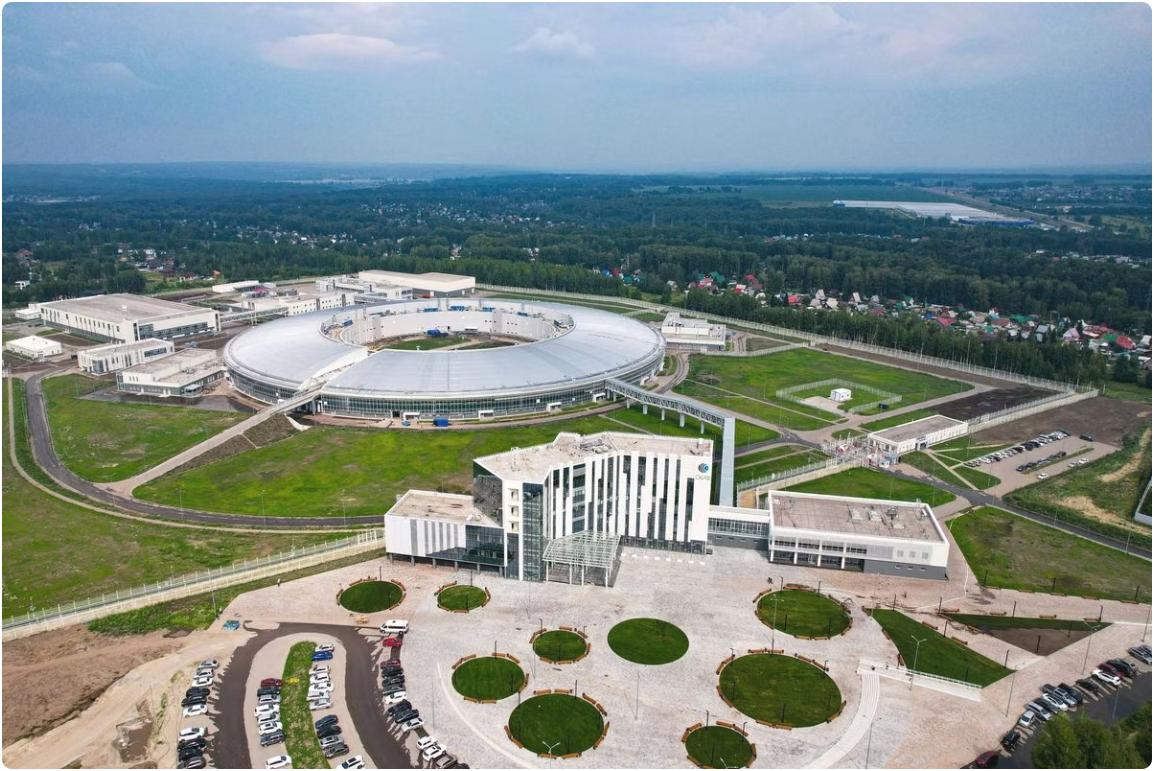
Russia's SKIF Synchrotron First Scientific User Competition Expected to Launch in Second Half of 2027
The competition to select the first research teams for the Siberian Circular Photon Source (SKIF) synchrotron in Russia is planned for the second half of 2027. Valery Bukhtiyarov, Director of the Boreskov Institute of Catalysis of the Siberian Branch of the Russian Academy of Sciences, stated at the Technoprom-2026 forum held in Novosibirsk that the first open competition will be launched in the second half of 2027. The institute is responsible for commissioning the construction of this large-scale scientific facility. Bukhtiyarov noted that SKIF is scheduled to receive synchrotron radiation and conduct its first experiments in the autumn. Construction of the facility was completed in June 2026, with an opening ceremony held in August 2026. Once operational, SKIF will use synchrotron radiation to help...
2026-08-27
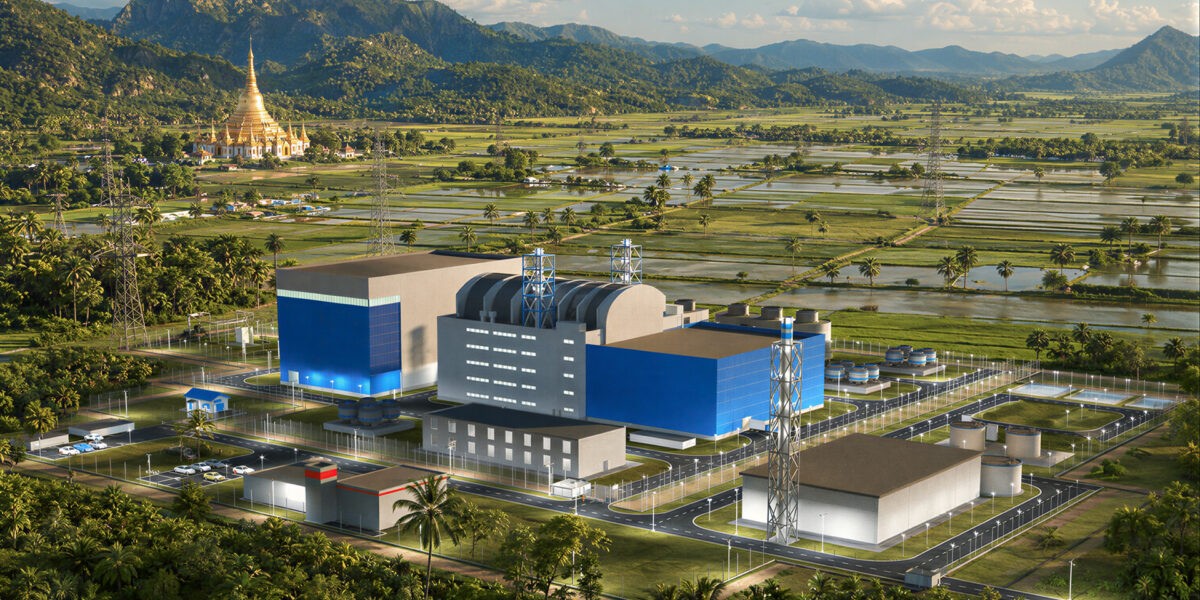
Rosatom to Conduct Site Surveys for Myanmar Small Nuclear Power Plant in 2027
Russia and Myanmar are advancing the implementation of a small nuclear power plant project. Russian Prime Minister Mikhail Mishustin stated during a meeting with visiting Myanmar President Min Aung Hlaing on August 18 that the project will promote deeper cooperation between the two countries in basic research, applied sciences, and related fields. Rosatom CEO Alexey Likhachev said the company expects to sign a preliminary engineering survey contract by the end of this year and plans to commence site construction in 2027. He also noted that the project timeline depends not only on the Russian side but also on...
2026-08-25

Armenia to Select Technology Solution for New Nuclear Power Plant by End of 2027
The Armenian government has set the end of 2027 as the deadline for selecting the technology solution for a new nuclear power plant. The project will eventually replace the existing Metsamor Nuclear Power Plant and has been incorporated into Armenia's government program for 2026 to 2031. According to the program, Armenia will advance the construction project for the new nuclear power plant and complete the reactor technology selection by at least the end of 2027. At present, the government has not yet disclosed the installed capacity, reactor type, or potential contractor for the new plant. Armenia has been evaluating nuclear power options from multiple countries in recent years, including both traditional large- or medium-sized nuclear units and small modular reactors (SMRs). Armenian officials have previously stated that units of relatively smaller scale, which are easier to connect to the national grid, are one of the key areas of focus for the government.
2026-08-23