
Search Results
Keyword:CA
KhimMed to Build Large-Scale Electrolyte Plant for Rosatom, Securing Supply Chain for Gigafactories
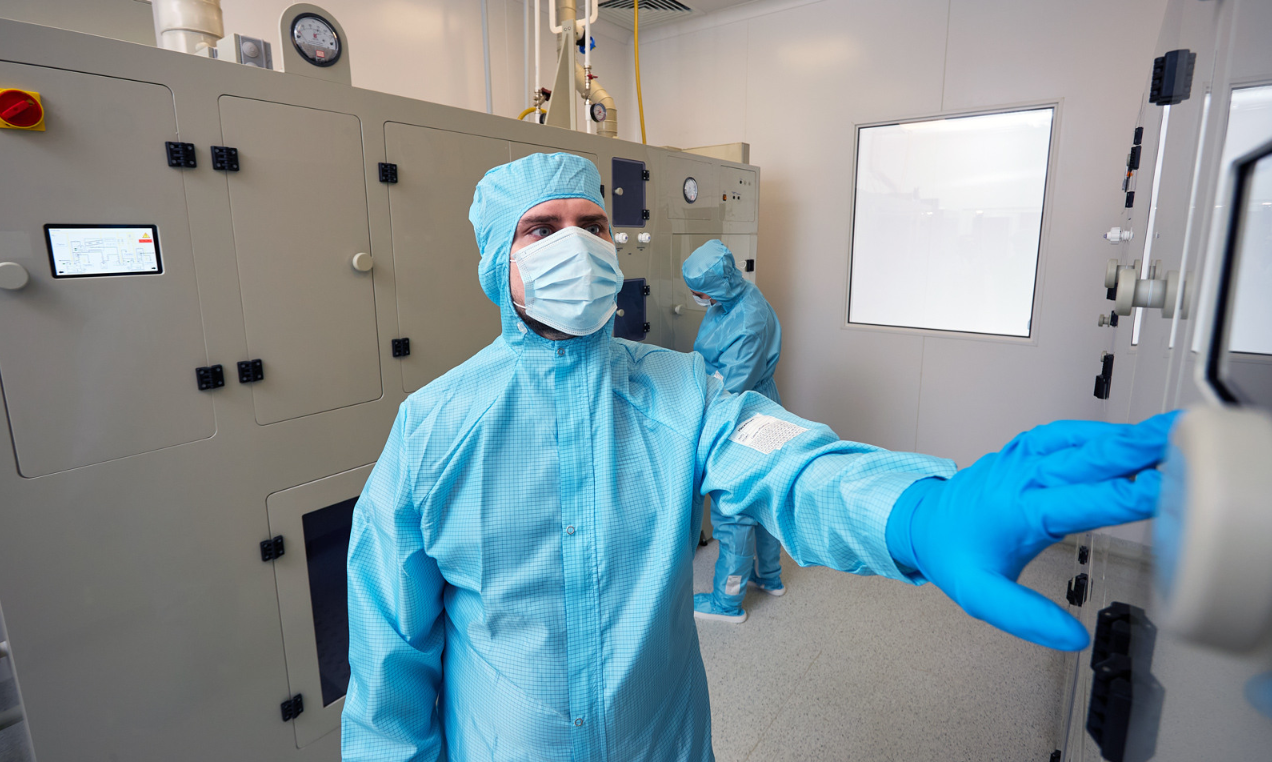
Recently, the Fuel Division of Rosatom, Russia's state nuclear energy corporation, signed a cooperation agreement with KhimMed, a diversified chemical holding company, announcing joint development of domestically produced key components for lithium-ion batteries and the construction of industrial-scale electrolyte production facilities at KhimMed's existing site. It is understood that the new facility has a potential annual production capacity of up to 10,000 tons of electrolyte, sufficient to support the production of lithium-ion batteries with a total capacity of 15 GWh to 20 GWh. By comparison, the two gigafactories planned by Rosatom's Fuel Division in Kaliningrad Oblast and Moscow Oblast have a combined planned capacity of 8 GWh, meaning that the electrolyte plant's output can not only fully meet Rosatom's own...
2026-10-16
Bruce Unit 4 Refurbishment Sets Record, Schedule Significantly Ahead of Unit 3
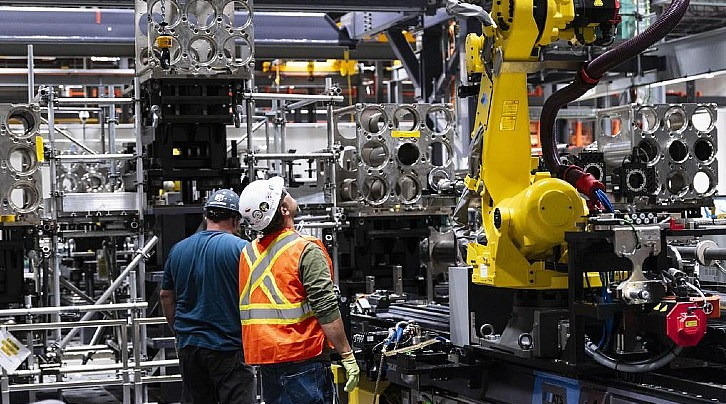
Recently, Bruce Power of Canada announced that the Major Component Replacement (MCR) project at Bruce Unit 4 has reached a key milestone. The installation efficiency of the unit's 480 calandria tubes set a new record, with overall progress further accelerated compared to the previous Unit 3. As a core life extension project for the CANDU heavy water pressure tube reactor, the MCR project encompasses the systematic removal and replacement of key core components, representing a major infrastructure undertaking spanning multiple years and aimed at extending the reactor's operational life by 30 to 35 years. During this construction phase, a six-axis robotic tooling system jointly developed by Bruce Power...
2026-10-16
Akkuyu NPP in Türkiye Holds Full-Scale Joint Emergency Exercise: Cross-Departmental Live Drill Tested Ahead of First Unit Commissioning
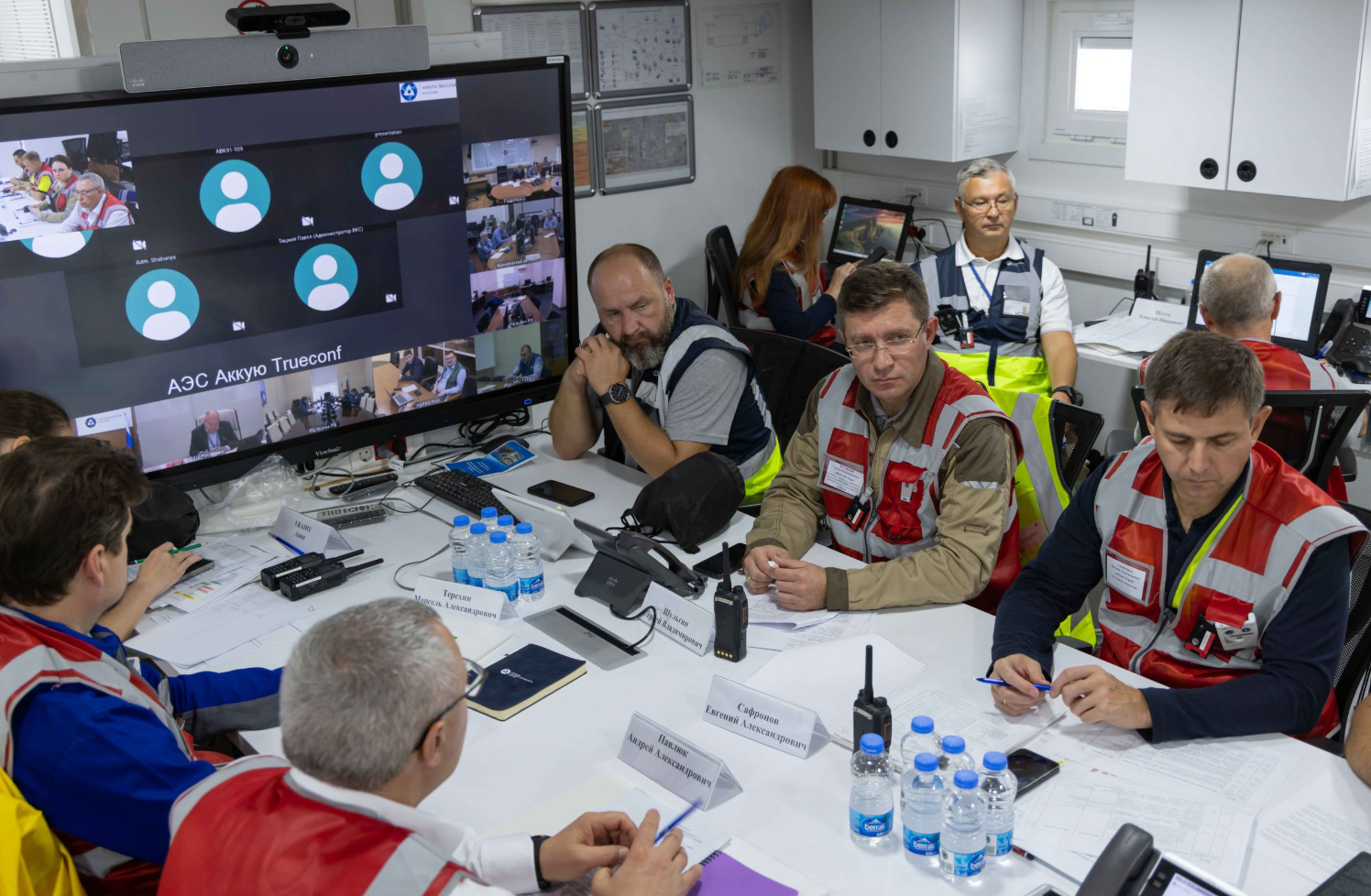
The Akkuyu NPP, Türkiye's first nuclear power project, constructed by Rosatom, held a large-scale comprehensive emergency and firefighting tactical live exercise on October 12 at the Büyükeceli site in Mersin Province. The exercise aimed to comprehensively test the multi-agency coordinated response capabilities of nuclear power plant operating shift personnel, external technical support organizations, and Turkish local emergency rescue teams under extreme conditions, providing critical pre-commissioning safety justification for Unit 1 of the project as it formally enters the fuel-loading and commercial power generation phase. Rosatom Director General Alexey...
2026-10-14
Expansion of the United States' only commercial uranium enrichment facility reaches 75% completion, as Urenco's New Mexico plant accelerates capacity upgrades
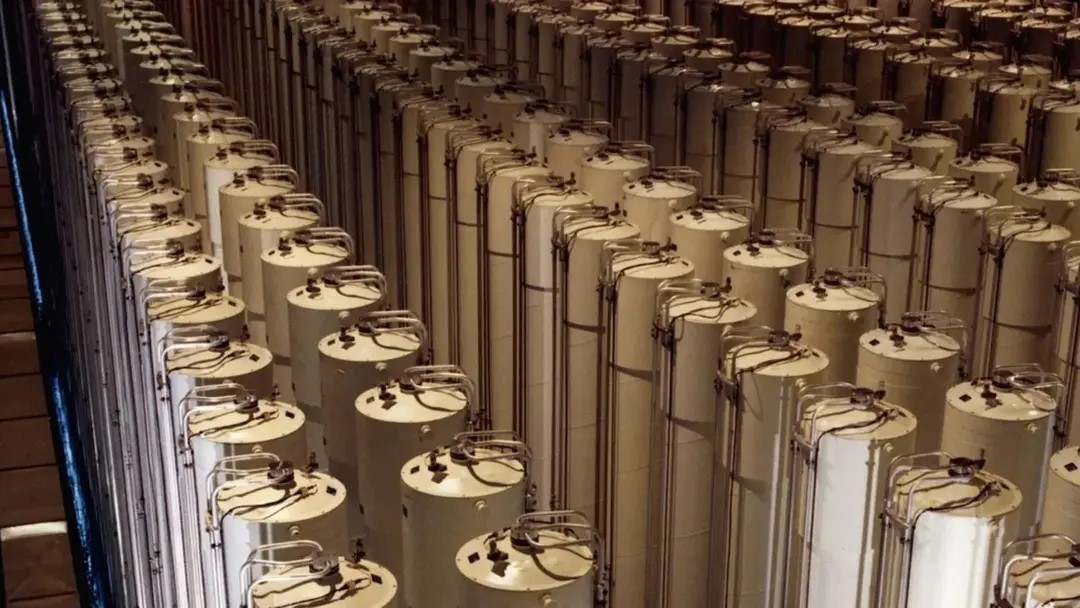
As the only commercial uranium enrichment facility on U.S. soil, the National Enrichment Facility in Eunice, New Mexico, has recently reached a key expansion milestone, with its phased capacity expansion target now 75% complete. Operator Urenco Group plans to raise the plant's uranium enrichment capacity to 7 million Separative Work Units (SWU) per year over the next decade, in order to strengthen the United States' domestic nuclear fuel supply security. Strong global demand for zero-carbon electricity is currently driving a revival of the nuclear energy industry. Although the United States is at the forefront of research and development in next-generation reactor technologies...
2026-10-14
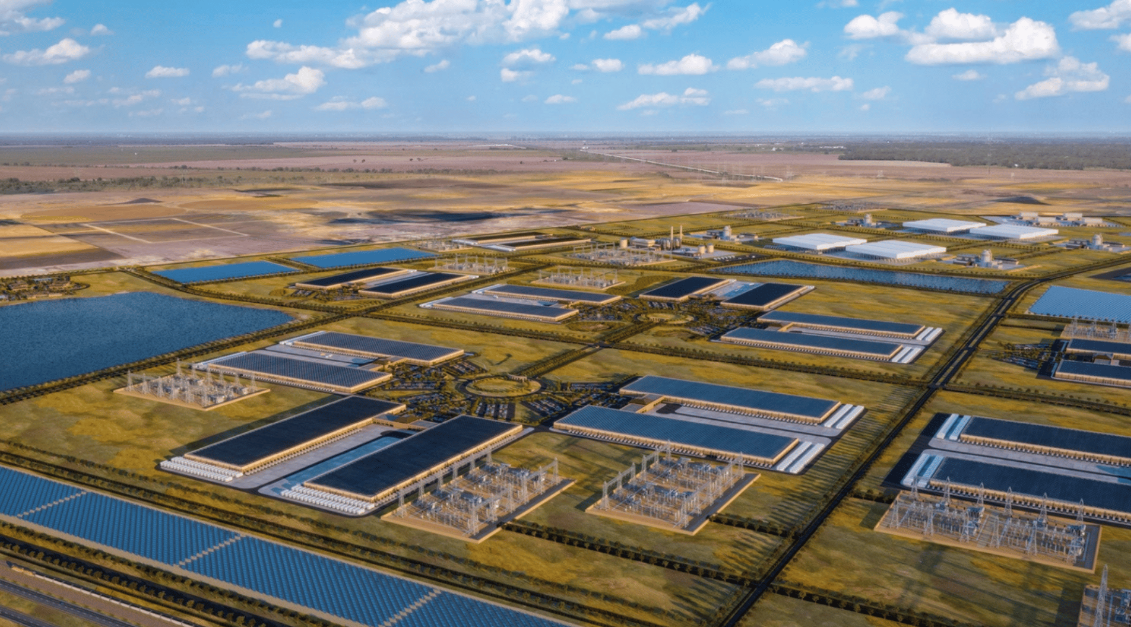
Fermi America's Project Matador Receives NRC Draft Environmental Assessment, Plans Four AP1000 Reactors to Power AI
Recently, Fermi America's advanced energy and intelligence campus, Project Matador, located in Carson County, Texas, has made significant progress. The U.S. Nuclear Regulatory Commission (NRC) has published a Federal Register notice releasing the draft environmental assessment for the four Westinghouse AP1000 reactors planned for the campus. NRC staff have preliminarily recommended approval of the project's combined license, subject to completion of the necessary safety review. It is understood that Project Matador plans 17 gigawatts of private energy infrastructure, with nuclear power generation as a key component...
2026-10-13
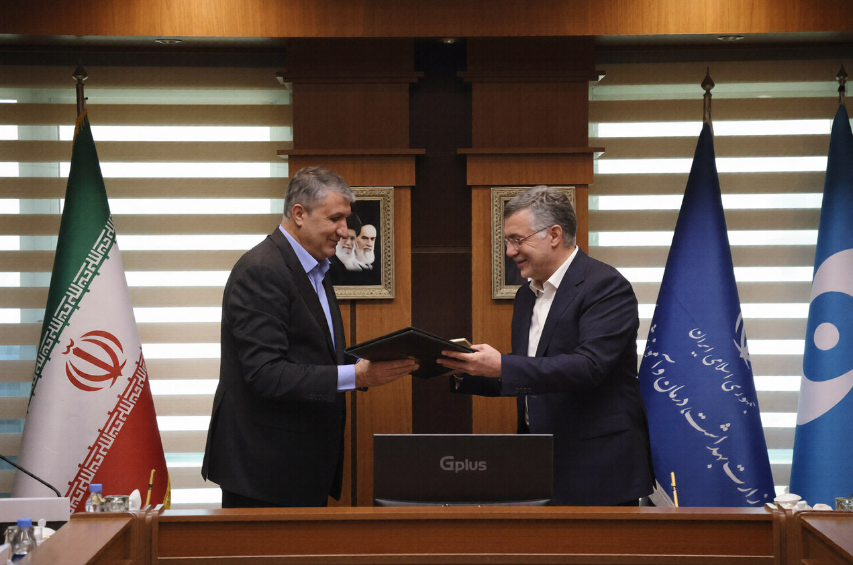
Iran Signs Memorandum on Nuclear Technology for Medical Applications to Control Dengue Fever Through Radiation-Sterilized Mosquitoes
Recently, the Iranian Ministry of Health and the Atomic Energy Organization of Iran (AEOI) signed a memorandum of understanding to expand the application of nuclear technology in the healthcare sector. Iranian Health Minister Mohammad-Reza Zafarqandi and AEOI Chairman Mohammad Eslami signed the agreement, with the primary goal of controlling the Aedes mosquito population through the sterile insect technique (SIT) to combat dengue fever, chikungunya, and Zika virus. It is understood that SIT is an environmentally friendly pest control method: male mosquitoes are mass-reared, sterilized using radiation, and then released to significantly reduce mosquito populations. Both parties will utilize Iran's scientific, research, and technological capabilities to establish a mass-rearing center for Aedes aegyp...
2026-10-13
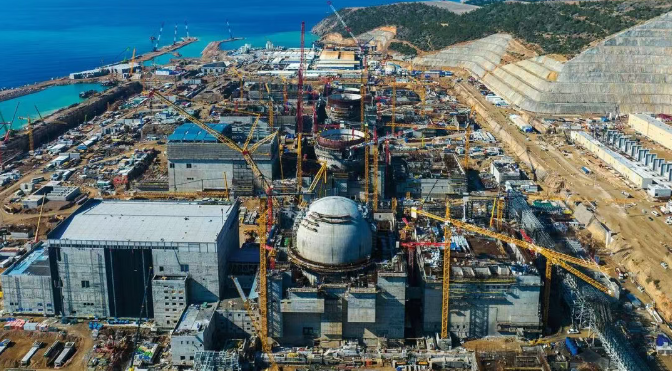
MIPT and U.S. Partners Develop Precise Method for Calculating Nuclear Power Plant Seismic Resistance
Recently, the Science Communication Center of the Moscow Institute of Physics and Technology (MIPT) reported that Russian and American researchers have jointly developed a method capable of precisely calculating the seismic resistance of nuclear power plants, taking into account the heterogeneous structure of reinforced concrete, including the presence of individual rebar within walls and domes. The new method helps improve nuclear power plant safety by accounting for differences in how different types of seismic waves act on reinforced concrete. Alena Favorskaya, a lead researcher at MIPT, stated that the study explicitly identifies metal rebar as heterogeneities in the computational domain rather than averaging them; the grid-characteristic method (gr...
2026-10-13
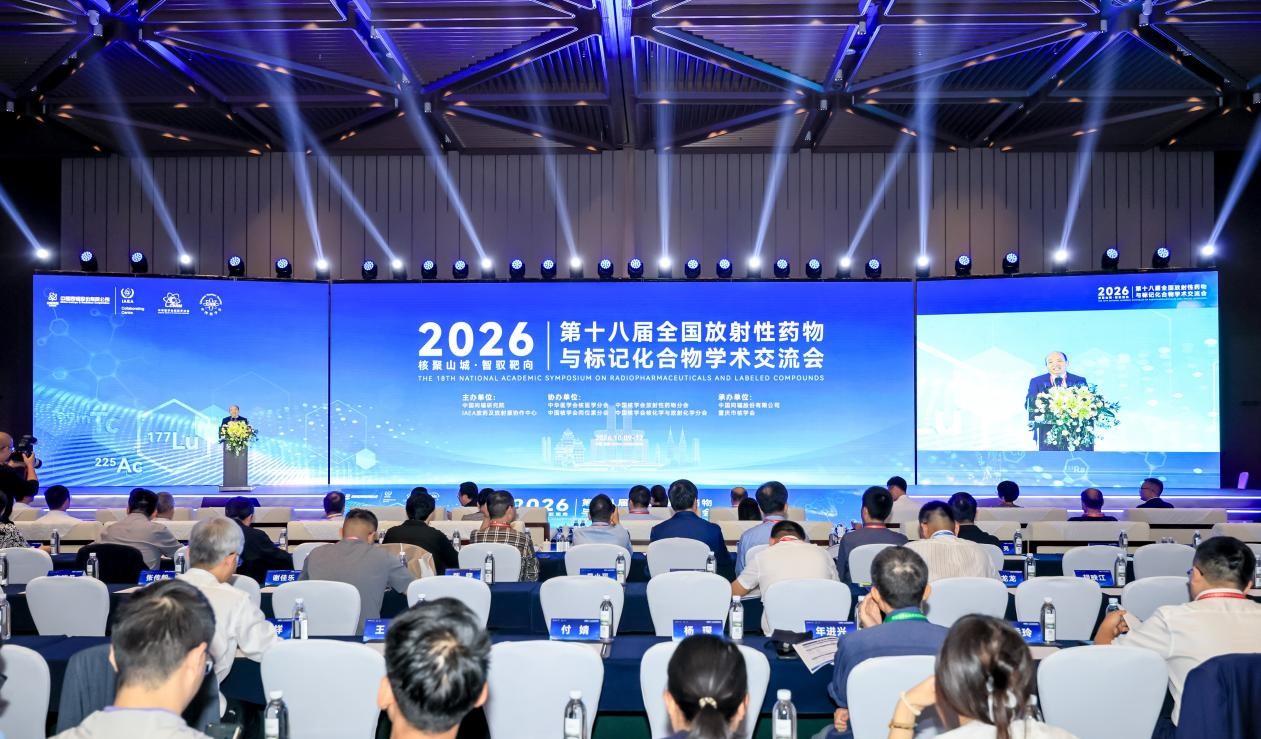
The 18th National Symposium on Radiopharmaceuticals and Labeled Compounds Held in Chongqing, Focusing on Alpha Nuclide Targeting and Theranostics
The 18th National Symposium on Radiopharmaceuticals and Labeled Compounds was held on October 10-11 at the Chongqing Science Hall. The conference was co-hosted by the China Isotope & Radiation Corporation Research Institute and the IAEA Collaborating Centre for Radiopharmaceuticals and Radioactive Sources, co-organized by the Nuclear Medicine Branch of the Chinese Medical Association, the Isotope Branch of the Chinese Nuclear Society, the Radiopharmaceuticals Branch of the Chinese Nuclear Society, and the Nuclear Chemistry and Radiochemistry Branch of the Chinese Nuclear Society, and undertaken by China Isotope & Radiation Corporation and the Chongqing Nuclear Society. More than 400 experts, scholars, clinicians and...
2026-10-12
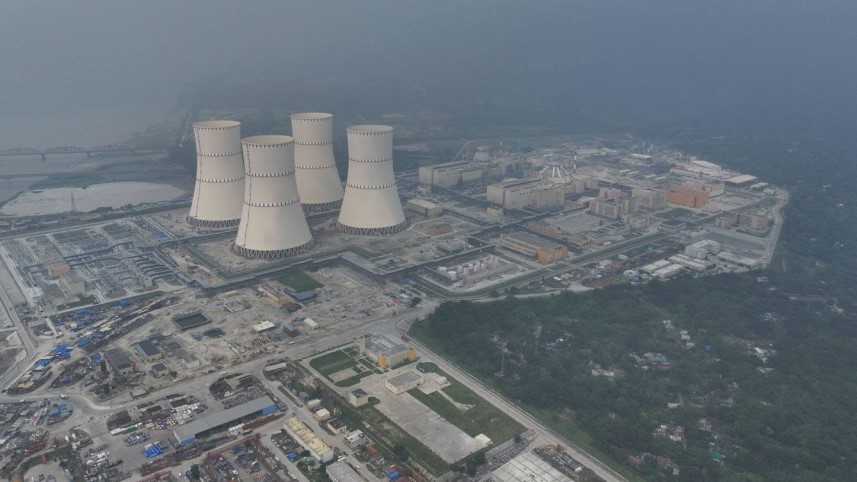
Unit 1 of Bangladesh's Rooppur Nuclear Power Plant Achieves First Criticality, Realizing First Nuclear Fission Chain Reaction
Unit 1 of the Rooppur Nuclear Power Plant, Bangladesh's first nuclear power plant, officially initiated its first nuclear fission reaction on the afternoon of October 11, marking a breakthrough milestone for the country's first major nuclear energy project. Md Anwar Hossain, Permanent Secretary of the Ministry of Science and Technology of Bangladesh, confirmed to the media that, after obtaining formal approval from the nuclear safety regulatory authority, the unit successfully initiated a self-sustaining nuclear fission chain reaction at approximately 3:34 p.m. that day. Hossain stated that the on-site commissioning team conducted the fission reaction startup operation at Unit 1 for the first time that day, and the entire startup process proceeded very smoothly...
2026-10-12
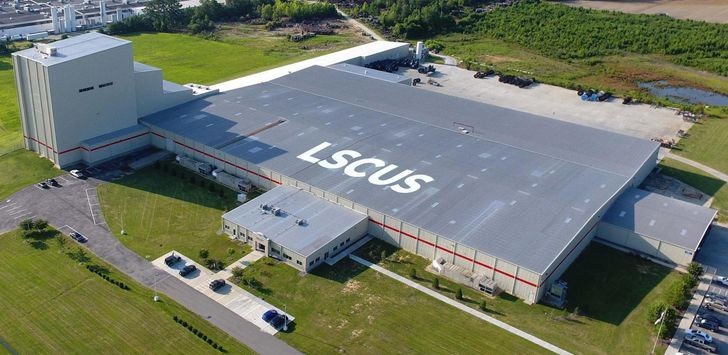
South Korea's Gaon Cable to Build Nuclear Power Plant Dedicated Cable Production Line in the United States
South Korean LS Group's cable manufacturing subsidiary Gaon Cable (Korean: 가온전선, English: Gaon Cable Co., Ltd.) announced on Monday that it will build a nuclear power plant dedicated cable production line at its production base in North Carolina, United States, to seize the incremental market opportunities brought by the U.S. nuclear power expansion. Gaon Cable revealed that its U.S. subsidiary LS Cable & System U.S.A. will add related production equipment at its Tarboro, North Carolina factory. This strategic move aims to establish a localized supply system to respond to the future large-scale commercial nuclear power plants and small...
2026-10-12
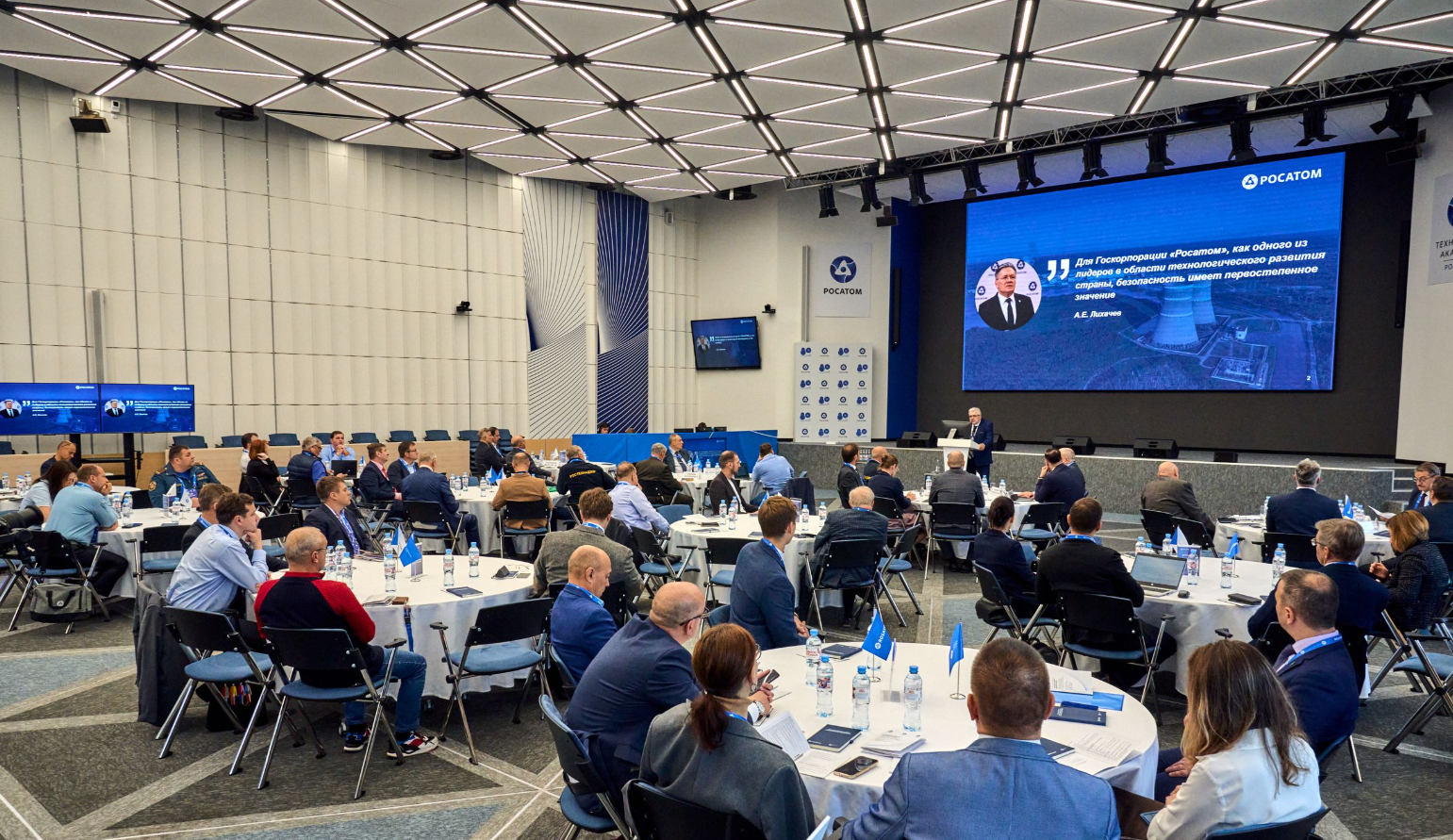
The 20th International Nuclear Forum Concludes in Obninsk: Focusing on Nuclear Emergency Preparedness and Response, Rosatom Showcases Nearly 3,000 Professional Emergency Responders
With the support of the Public Council of Rosatom, the 20th International Nuclear Forum "Nuclear Technology Safety: Emergency Preparedness and Response," hosted by the Rosatom Technical Academy, successfully concluded on October 9, 2026, in Obninsk. As the birthplace of the world's first nuclear power plant, Obninsk hosted this milestone annual international event for the first time. The forum attracted more than 100 nuclear safety and emergency experts from Russia and abroad. In addition to Rosatom, the Federal Service for Ecological, Technological and Nuclear Supervision (Rostechnadzor), Rosenergoatom, the Rosatom Emergency Technical Center, and the NPO Typhoon research and production association...
2026-10-12

Ganzhou District of Zhangye, Gansu Deepens Full-Chain Closed-Loop Regulation of Nuclear and Radiation: Focusing on 70 Nuclear Technology Utilization Units, with a 100% Closed-Loop Rate for Hazard Rectification
The Ganzhou Branch of the Zhangye Municipal Ecology and Environment Bureau in Gansu Province has recently comprehensively deepened full-chain regulation of nuclear and radiation safety within its jurisdiction, keeping a close watch on 70 nuclear technology utilization units across the district. Through refined management and source-based prevention and control, it has maintained a 100% closed-loop rate for radiation safety hazard rectification, ensuring that the regional radiation environment quality remains continuously safe and controlled. In regulatory practice, the Ganzhou Branch has implemented a multi-dimensional linkage mechanism of inspection, verification, service, and monitoring: internal and external linkage with checklist-based case closure: focusing on four key dimensions—maintenance and operation of protective facilities, implementation of laws and regulations, emergency response capacity, and data quality of the regulatory system—it urges enterprises to carry out grid-based self-inspections, establishes three lists of "problems, responsibilities, and rectification," and implements ledger-based closure management within deadlines...
2026-10-12

Datang Nuclear Power Receives RMB 1.57 Billion Capital Increase
Datang International Power Generation Co., Ltd. (Datang Power Generation) issued an announcement on the evening of October 9, 2026, stating that it has formally signed a Capital Increase Agreement with its controlling shareholder China Datang Corporation Ltd. (Datang Group) and China Datang Corporation Nuclear Power Co., Ltd. (Datang Nuclear Power Company). All parties will jointly implement a capital increase in Datang Nuclear Power Company using their own funds in cash, with a total capital increase scale of RMB 1.57 billion. According to the provisions of the Capital Increase Agreement, this capital increase strictly proceeds in proportion to the original shareholders' shareholding ratios. Datang Group contributed RMB 942 million according to its 60% shareholding ratio, and Datang Power Generation contributed RMB 628 million according to its 40% shareholding ratio. After the completion of the capital increase, the equity structure of Datang Nuclear Power Company...
2026-10-11
![CNNC Headway's Self-Developed 50mg Urea [¹³C] Powder Sachet Kit Approved, Establishing an Independent "Dual Dosage Form, Dual Specification" Landscape for Carbon-13 Breath Diagnosis](https://www.cinie.net/uploadfile/2026/1011/20261011102120494.jpg)
CNNC Headway's Self-Developed 50mg Urea [¹³C] Powder Sachet Kit Approved, Establishing an Independent "Dual Dosage Form, Dual Specification" Landscape for Carbon-13 Breath Diagnosis
On October 8, 2026, the 50mg urea [¹³C] powder sachet breath test kit independently developed by Shenzhen CNNC Headway Biotechnology Co., Ltd. (CNNC Headway), a subsidiary of China Isotope & Radiation Corporation under CNNC, officially obtained the drug registration certificate issued by the National Medical Products Administration. This product is not only the first generic drug of the same variety approved for marketing in China in the 9 years since the implementation of the new drug review and approval regulations in 2017, but also another key achievement of CNNC Headway following the 75mg urea [¹³C] breath test kit becoming the first to pass the generic drug consistency evaluation, marking that China has officially formed a capsule + powder dual dosage form and 75mg + 50mg dual specification independent supply matrix in the field of Helicobacter pylori (Hp) breath testing...
2026-10-11
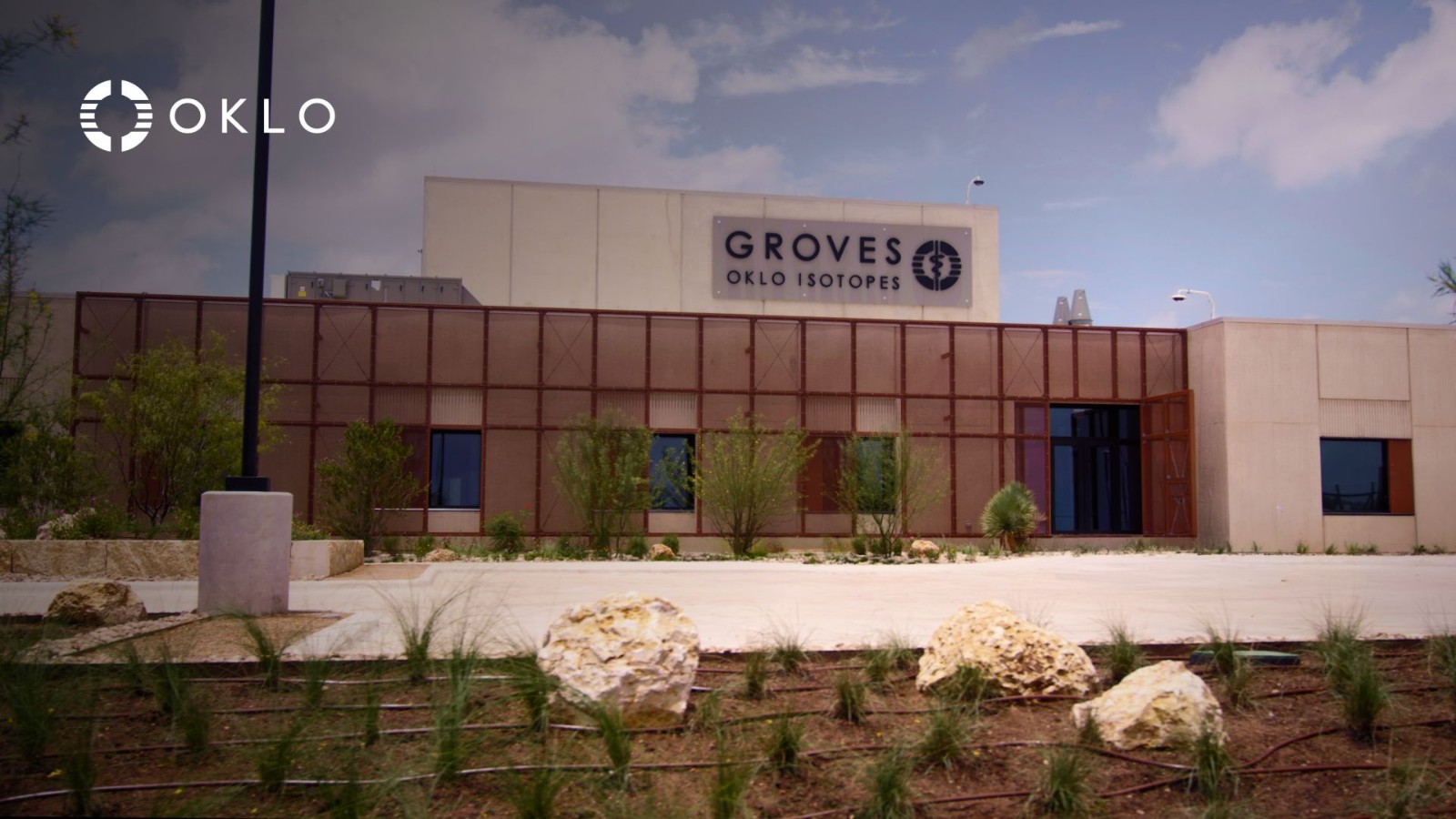
Oklo's Groves Isotope Test Reactor Achieves First Criticality, Fifth Reactor in U.S. Department of Energy Test Reactor Program Successfully Started
The Groves Isotope Test Reactor under Oklo, an advanced nuclear fission company in the United States, has officially achieved first criticality. The U.S. Department of Energy (DOE) confirmed that the reactor successfully reached criticality at 9:19 p.m. Eastern Time on Wednesday at the Groves site in Lockhart, Texas, becoming the fifth advanced test reactor to achieve criticality under the DOE's dedicated authorization and regulatory pathway. The Groves Isotope Test Reactor has a thermal power of 15 megawatts (MWt) and adopts an atmospheric-pressure water-cooled pool-type reactor design. It is led by Oklo Isotopes, a subsidiary of Oklo focused on medical and industrial isotope production...
2026-10-11