
Search Results
Keyword:CT
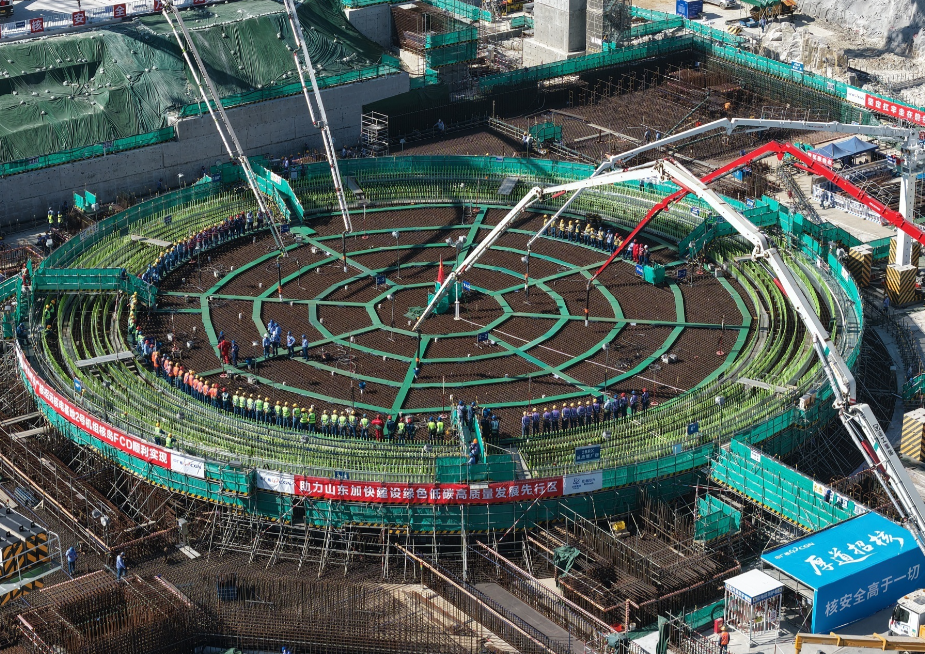
Main Construction of Unit 2 at CGN's Shandong Zhaoyuan Nuclear Power Project Commences
On the morning of September 5, the first concrete pour for the nuclear island of Unit 2 at CGN's Shandong Zhaoyuan Nuclear Power Project was initiated, marking the official commencement of main construction for this unit and the entry of the project's Phase I into full-scale construction. According to reports, the concrete pouring for Unit 2, which commenced construction this time, totals approximately 8,800 cubic meters, equivalent to the volume of 3.5 standard swimming pools. The pour is divided into 7 points and will be completed in a single continuous operation, with an estimated total duration of about 60 hours. The main construction of Unit 1 of this project commenced on November 18, 2025. Yu Xiangdong, General Commander of CGN's Shandong Zhaoyuan Nuclear Power Project, stated that currently, the adjacent Unit 1's nuclear island reactor building has completed the hoisting of 4 steel liner modules, with the steel liner constructed to elevation 29.72 meters. Construction of the conventional island turbine foundation, turbine frame, corridors, and circulating water pump pits is progressing concurrently, while cooling tower rebar cage installation and concrete pouring are underway. Construction safety and quality remain under control, with all work progressing in an orderly manner.
2026-09-05

U.S. ZC Institute Unveils "Kardashev One" Fusion Prototype Reactor Plan to Independently Test Neutron Recovery Concept
ZC Institute, a fusion energy company headquartered in Atlanta, USA, announced on September 4 the launch of the Kardashev One program, aiming to develop a fusion prototype reactor to explore recovering energy lost to radiation and neutron escape during fusion reactions. As an early validation step of the program, ZC Institute has commissioned Professor Jason Cassibry and his team at the University of Alabama in Huntsville (UAH) to conduct independent testing of the related field distortion technology. According to ZC Institute, existing fusion approaches, including inertial confinement fusion and magnetic confinement fusion, lose energy in forms such as electromagnetic radiation and neutron escape. Magnetic fields can confine charged...
2026-09-05
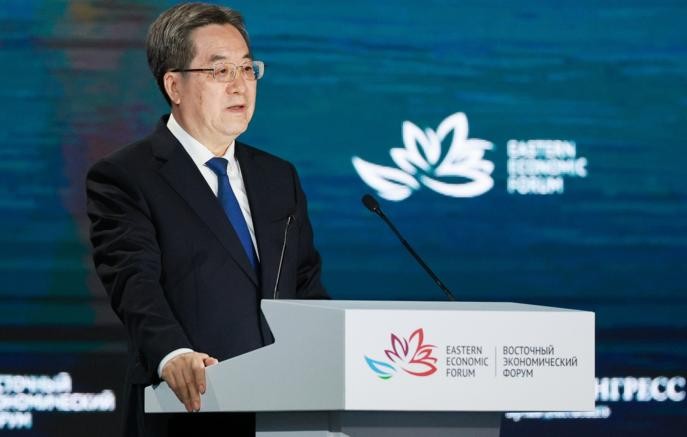
China and Russia Advance Cooperation on Tianwan and Xudabao Nuclear Power Plant Construction
During the meeting of the China-Russia Intergovernmental Energy Committee, Chinese Vice Premier Ding Xuexiang stated that enterprises from both countries are expanding cooperation in the energy sector, strengthening power technology exchanges, and exploring the possibility of reverse power supply from China to Russia. During the meeting, Ding Xuexiang also mentioned the construction progress of the Tianwan and Xudabao nuclear power plants. He noted that the two countries are systematically advancing the relevant nuclear power projects, with Unit 1 of the Xudabao Nuclear Power Plant scheduled to commence operation by the end of this year. The meeting was held as part of the Eastern Economic Forum activities. In addition to nuclear power projects, China and Russia also exchanged views on cooperation in the power sector...
2026-09-05

Changwon National University and Wrocław University of Science and Technology Partner to Cultivate Nuclear Power Manufacturing Talent
The Artificial Intelligence Innovation Research Center for Next-Generation Nuclear Energy Equipment and Component Manufacturing (AI-NMIC) at Changwon National University recently signed a cooperation agreement with Wrocław University of Science and Technology (WUST) in Poland, under which the two institutions will collaborate on talent development in the fields of next-generation nuclear power and nuclear energy equipment manufacturing. This marks AI-NMIC's first formal partnership with an overseas university. Wrocław University of Science and Technology is one of Poland's key technical universities, with strong foundations in engineering fields such as mechanical, electrical, and materials science. As Poland advances...
2026-09-06
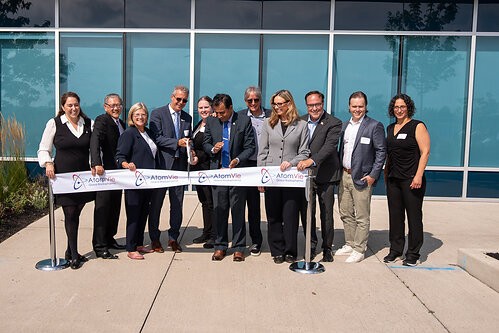
Canada's AtomVie Opens Large-Scale Radiopharmaceutical R&D and Manufacturing Facility in Hamilton
On September 4, AtomVie Global Radiopharma, a radiopharmaceutical contract development and manufacturing organization, announced the official opening of its new state-of-the-art production facility at 10 Aeropark Boulevard, Hamilton, Ontario, Canada. The facility is designed to support the full-spectrum translation of radiopharmaceuticals from early-stage research and development, through clinical development, to commercial manufacturing. According to reports, the new facility represents an investment of over $160 million and spans 72,300 square feet, making it one of the largest single-site radiopharmaceutical R&D CDMO facilities in North America. The facility offers production capabilities ranging from low-throughput to high-throughput, increasing AtomVie's overall production capacity by more than tenfold, with dedicated spaces configurable to meet clients' subsequent R&D and commercialization needs.
2026-09-05
U.S. NANO Nuclear and Enveniam to Advance Microreactor and Nuclear Fuel Cycle Cooperation
U.S. advanced nuclear energy company NANO Nuclear Energy Inc. announced on September 4 that it has signed a non-binding memorandum of understanding with Enveniam, LLC, a project integration and engineering technology services provider, to explore cooperation in areas such as nuclear fuel cycle infrastructure, microreactor commercialization, advanced manufacturing, and end-user energy solutions. Under the MOU, the parties will evaluate how to leverage Enveniam's experience in nuclear engineering, project integration, safety analysis, licensing support, project controls, operational readiness, and complex energy infrastructure development to support NANO Nuclear...
2026-09-05
Germany's BEST and Luvata Partner to Expand Supply of RRP Superconductors for Fusion
Bruker Energy & Supercon Technologies (BEST) of Germany and Luvata Materials & Solutions, part of the Luvata Group, have announced a strategic partnership to expand the industrial supply capacity of high-performance RRP® superconductors for next-generation magnetic confinement fusion power demonstration projects worldwide. According to information released by the two companies, the collaboration will focus on enhancing the industrial readiness and availability of RRP superconductors, expanding manufacturing capabilities, and strengthening supply chain resilience to meet the large-scale demand for superconducting materials in high-field magnetic confinement fusion projects...
2026-09-05
Hitachiomiya City Assembly in Japan Hears Briefing on Literature Survey for High-Level Radioactive Waste Disposal Site
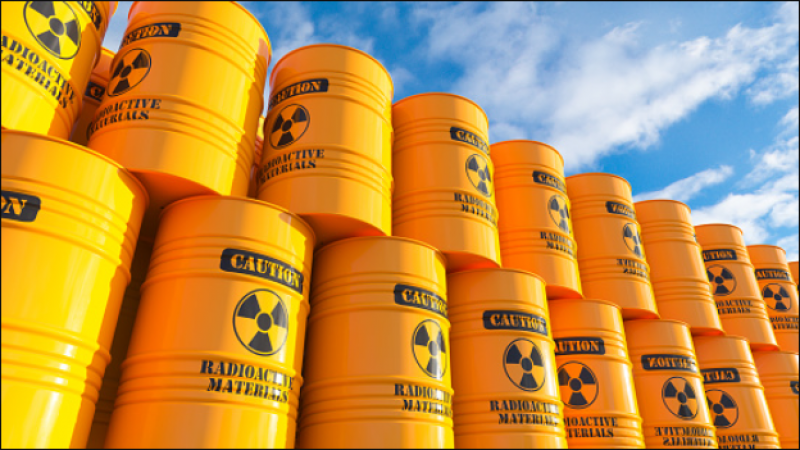
On September 4, the Hitachiomiya City Assembly in Ibaraki Prefecture, Japan, held a closed-door briefing session regarding the central government's request for the city to initiate a literature survey for the final disposal site selection of high-level radioactive waste. Representatives from the Ministry of Economy, Trade and Industry (METI) and the Nuclear Waste Management Organization of Japan (NUMO) attended the meeting to explain the national energy policy, an overview of the geological disposal project, and the background behind the survey request. All 16 members of the Hitachiomiya City Assembly participated in the briefing, with Mayor Suzuki Sadayuki attending as an observer. The meeting was originally scheduled for approximately two hours but actually lasted about three and a half hours due to the large number of questions from assembly members. After the meeting, Yokote Hiroki, Director of the Radioactive Waste Policy Division at METI's Agency for Natural Resources and Energy, stated that assembly members raised questions covering multiple aspects, including technical details of geological disposal and the site selection procedure for disposal facilities, and that the government side would continue its outreach efforts. Should the City Assembly make a request, METI would provide further explanations.
2026-09-06

8th Russia-China Energy Business Forum Held; Putin Says Nuclear Power Projects in China Using Russian Designs Nearing Completion
On September 4, Russian President Vladimir Putin stated in his address to the participants, organizers, and guests of the 8th Russia-China Energy Business Forum that energy has always been one of the most important and dynamic areas of Russia-China economic cooperation. Putin noted that the comprehensive partnership and strategic coordination between the Russian Federation and the People's Republic of China continue to develop steadily. Russia currently holds a firm position as a major supplier of oil and natural gas to China, and is also an important exporter of coal and liquefied natural gas to China. In the nuclear power sector, Putin mentioned that multiple nuclear power plants designed by Russia are under construction in China, with related projects nearing successful completion...
2026-09-05

South Korean civic groups oppose construction of spent fuel storage facility at Hanbit Nuclear Power Plant site
On September 4, the Joint Action Organization Against Hanbit Nuclear Power Plant in the Honam region of South Korea held a press conference in front of the high-level radioactive waste forum venue in Gochang County, North Jeolla Province, demanding the cancellation of plans to build a storage facility at the Hanbit Nuclear Power Plant site and proposing fundamental measures to address nuclear waste issues. The organization stated that Korea Hydro & Nuclear Power (KHNP) is pushing forward with the construction of temporary storage facilities at the plant site on the grounds that the spent fuel pools at Hanbit Nuclear Power Plant may reach saturation by 2030. The organization argued that this move fails to adequately respond to the opinions of residents near the plant and amounts to unilaterally shifting the burden of nuclear waste onto the local community. The organization stated that the current plan involves building storage facilities at the existing nuclear power plant site...
2026-09-06
First Application and Verification of Intelligent Monitoring and Adjustment System for Nuclear Power Plant Personnel Status at "Hualong One" Nuclear Power Plant
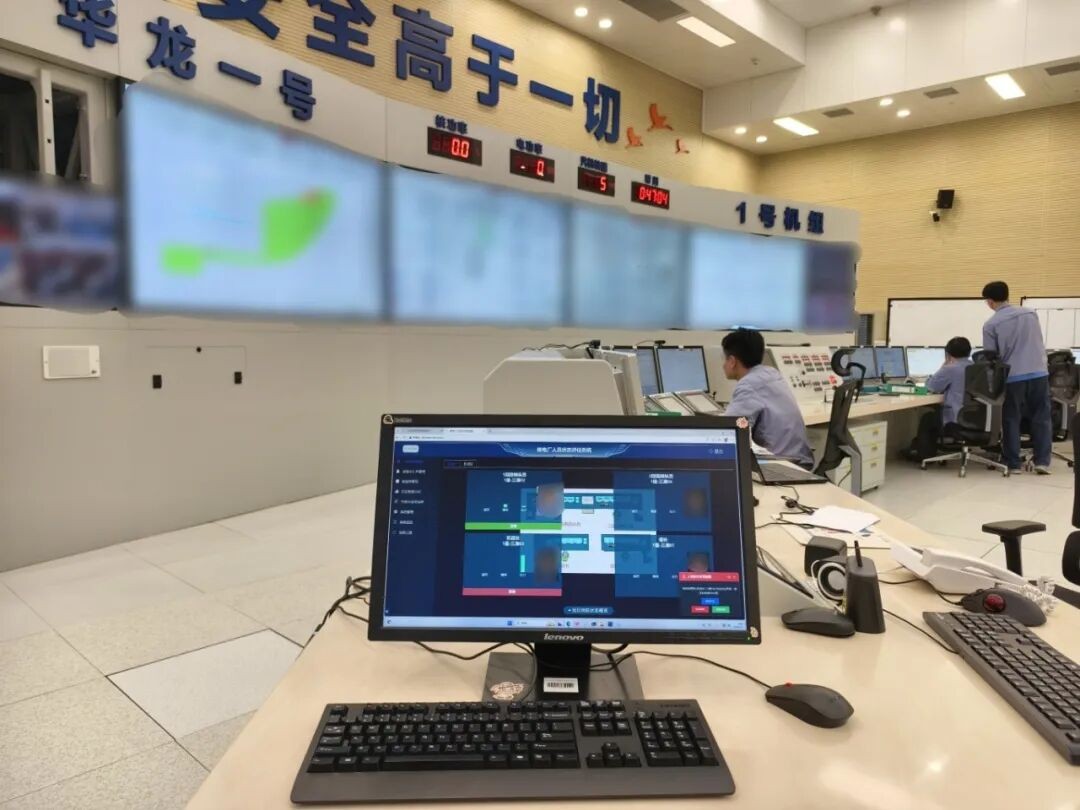
On September 4, CGN Engineering, in collaboration with Cangnan Nuclear Power, successfully completed the testing, verification, and on-site data collection of the Intelligent Monitoring and Adjustment System for Nuclear Power Plant Personnel Status at the San'ao Nuclear Power Base. The CGN Engineering departments participating in this testing and verification included CGN Design Institute, the National Key Laboratory of Nuclear Power Safety Technology and Equipment (hereinafter referred to as the National Key Laboratory), CGN Engineering Cangnan Project Department, and Huasheng Technology. This joint test marks an important milestone in the project's transition from technology research and development to engineering application, providing key technical support for the quantitative analysis transformation of human factors safety management in China's nuclear power industry. The system, built upon the personnel fatigue status monitoring principle prototype developed under the Intelligent Nuclear Power strategic special project, has been iteratively improved with continuous support from the Yangjiang Chuangbao High-tech Research Project and the National Key Laboratory research projects, and has now evolved into a mature product suitable for engineering and large-scale application. Previously, relevant functional modules of the system had been deployed and data collected in applications such as human factors verification in the main control room of Yangjiang Nuclear Power Base and simulator training at Taishan Nuclear Power Base. The on-site testing and data collection at the San'ao Nuclear Power Base further verified the system's environmental adaptability and reliability across multiple nuclear power base scenarios, laying a solid foundation for subsequent industry-wide promotion and application.
2026-09-05
State Nuclear Uranium Industry Achieves 100% Localization of Electron Linear Accelerator Development
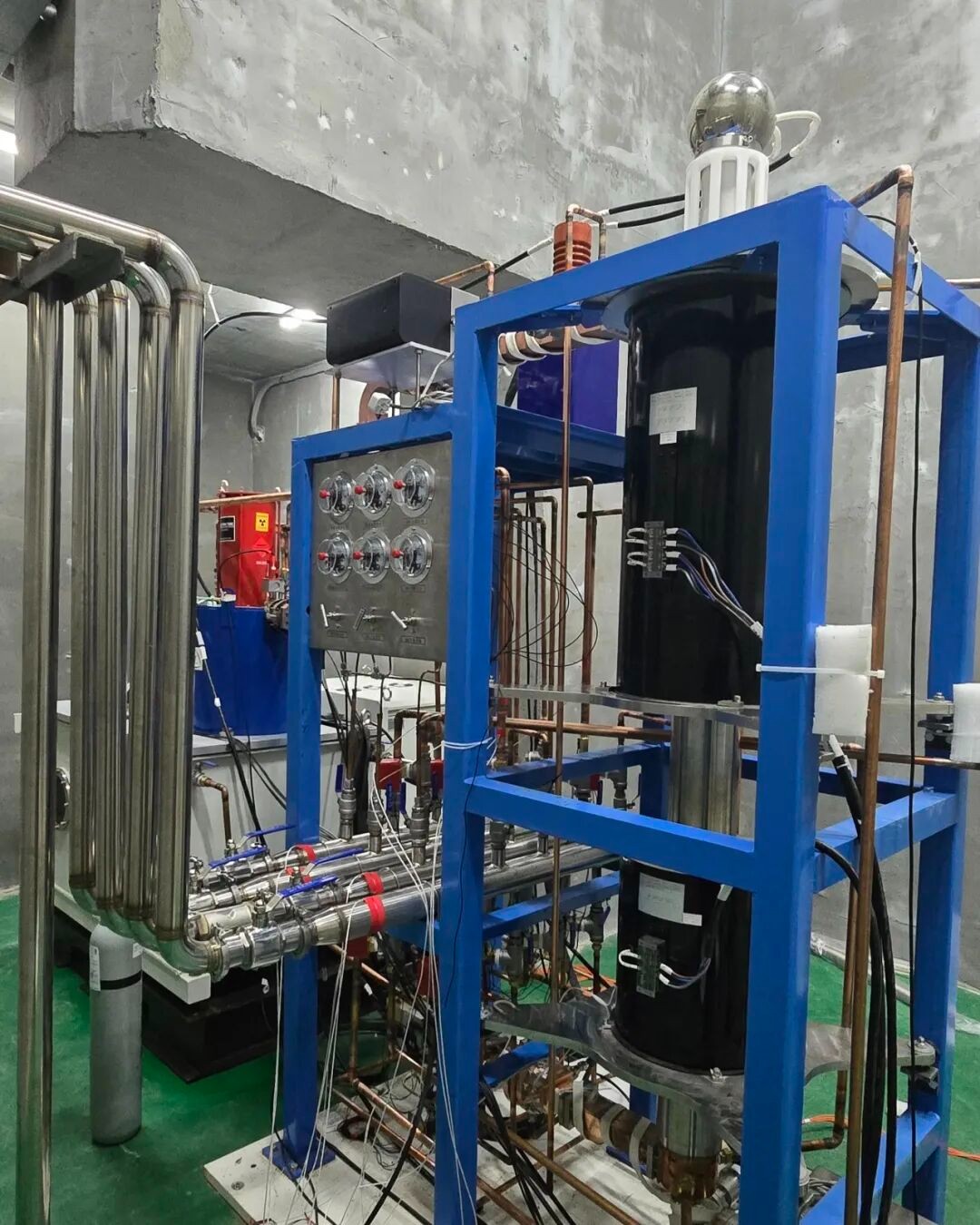
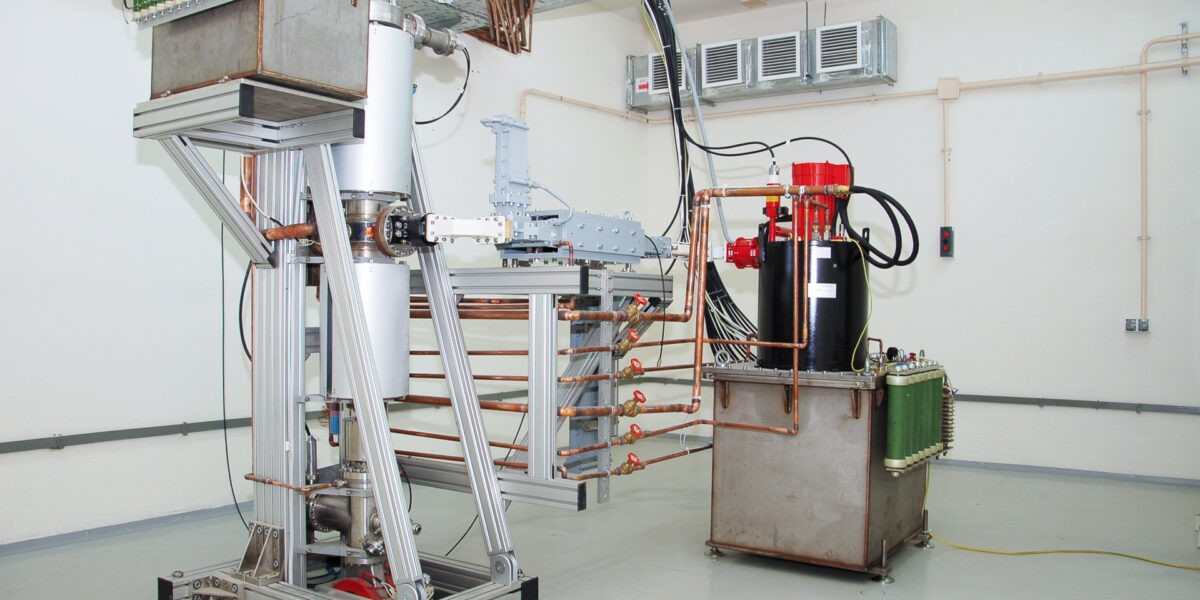
Recently, the first fully domestically produced 10 MeV/20 kW electron linear accelerator developed by the Technology Center of State Nuclear Uranium Industry (Nuclear Power Tongchuang) completed its 20 kW beam extraction test, with performance meeting design specifications. This marks a significant breakthrough for State Nuclear Uranium Industry in the field of electron accelerator development and elevates its capability in developing nuclear technology application equipment to a new level. Main unit of the 10MeV/20kW electron irradiation accelerator As a versatile high-energy electron linear accelerator, the 10MeV/20kW electron linear accelerator is widely used in multiple sectors of the national economy, including medical device sterilization, traditional Chinese medicine pest control, food preservation, and polymer material modification. During the current process of engineering application and industrial promotion, its core components such as klystrons, waveguide windows, and water loads have a relatively low localization rate, with some models still relying on imports, facing challenges such as long procurement cycles, high costs, and difficulties in spare parts support. The R&D team of State Nuclear Uranium Industry has focused on industry pain points, adhered to a problem-oriented approach, overcome difficulties, efficiently resolved various technical challenges, and successfully achieved 100% localization of this model of electron linear accelerator with significantly reduced overall machine costs, breaking the reliance on imported core components. As a key R&D project for differentiated layout in the nuclear technology industry, State Nuclear Uranium Industry will continue to improve its processes and standards systems, accelerate the application of research achievements in typical scenarios, bridge the chain from R&D to industrial application, and promote the steady development of the nuclear technology industry.
2026-09-05
Russian Research Team Synthesizes Novel Metal-Organic Framework Material Capable of Immobilizing Radioactive Cesium
The Frumkin Institute of Physical Chemistry and Electrochemistry of the Russian Academy of Sciences has synthesized a novel metal-organic framework material containing neptunium and cesium atoms. Research shows that this material is insoluble in water, resistant to high temperatures and intense radiation, and can stably "lock" radioactive cesium within its own structure, offering new insights for research on radionuclide immobilization and radioactive waste treatment materials. Metal-organic framework materials are a class of materials with high porosity and controllable crystal structures, whose lattices are typically composed of metal atoms connected by organic molecules. Since their pore sizes and structures can be tuned at the molecular level, these materials can be used to adsorb gases or specific nuclides. However, compared with traditional adsorbents such as activated carbon...
2026-09-04
Takahama Nuclear Power Plant in Japan to Transport 1,600 Drums of Low-Level Radioactive Waste
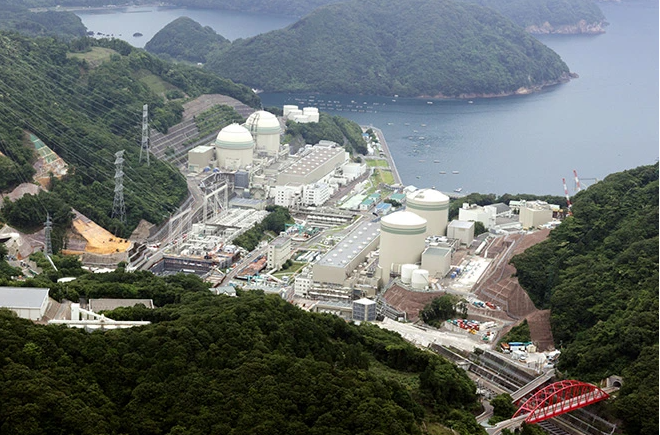
Kansai Electric Power announced on September 4 that it will transport low-level radioactive waste generated at the Takahama Nuclear Power Plant to the Low-Level Radioactive Waste Disposal Center of Japan Nuclear Fuel Limited (JNFL) in Rokkasho Village, Aomori Prefecture. According to the plan, the dedicated low-level radioactive waste transport vessel Seiei Maru will berth at the Takahama Nuclear Power Plant on September 5 and depart on September 12 after loading is completed. If the transport schedule is adjusted due to factors such as weather conditions, Kansai Electric Power will announce the actual situation separately. This shipment consists of 200 dedicated containers holding 1,600 waste drums, all of which are cement-solidified waste, excluding homogeneously solidified waste.
2026-09-04
U.S. Completes Mechanical Property Measurements of Irradiated HALEU TRISO Fuel Particles
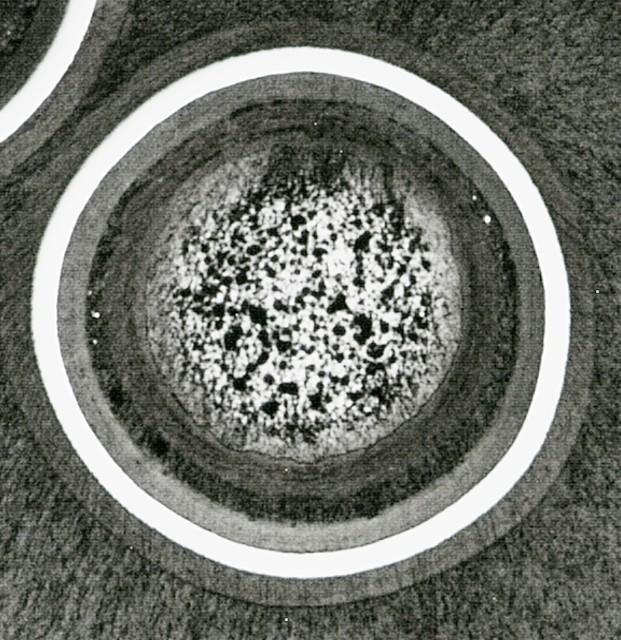
Researchers at the U.S. Department of Energy's Oak Ridge National Laboratory (ORNL) have completed mechanical property measurements of irradiated high-assay low-enriched uranium (HALEU) TRISO fuel particles, providing new experimental data for the development and qualification of next-generation nuclear fuels. This is an optical cross-sectional image of an irradiated AGR-2 TRISO fuel particle in the Irradiated Fuels Examination Laboratory at Oak Ridge National Laboratory. Image credit: Oak Ridge National Laboratory, U.S. Department of Energy. TRISO fuel, or tri-structural isotropic fuel, features particles coated with multiple protective layers, typically including pyrolytic carbon layers and a silicon carbide layer. This structure provides strong fission product retention capability and is considered one of the key fuel options for advanced reactors, particularly high-temperature gas-cooled reactors. Understanding the property changes of these coatings after irradiation is a critical step in predicting fuel performance under reactor operating conditions.
2026-09-04