
Search Results
Keyword:CT
South Korean Companies Advance Nuclear Hydrogen Demonstration Project in Czech Republic
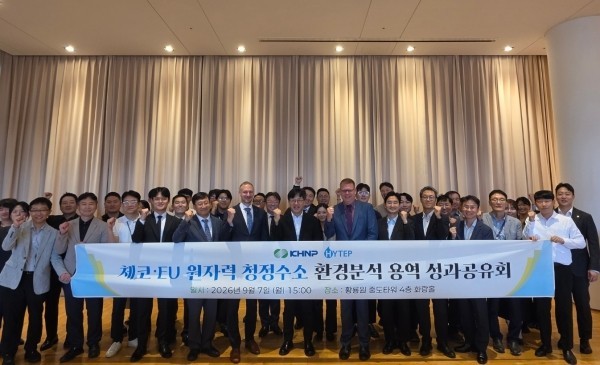
Korea Hydro & Nuclear Power (KHNP) announced on September 8 that it has completed a joint research review with the Czech Hydrogen Association (HYTEP) on the legal, institutional, and policy environment for nuclear hydrogen production in the Czech Republic and the European Union, and exchanged views on advancing a clean hydrogen production demonstration project in the Czech Republic. The two sides held a results-sharing meeting on September 7 at Hwangnyongwon in Gyeongju, South Korea, to review the final outcomes of the research. The study, launched in September 2025 and spanning approximately 11 months, primarily examined policy directions, laws and regulations, certification requirements, and market access conditions in the nuclear and hydrogen sectors in the Czech Republic and the EU, providing an institutional basis for the implementation of nuclear hydrogen production projects. Based on the research findings, KHNP plans to promote a clean hydrogen production demonstration project integrated with nuclear power in the Czech Republic.
2026-09-08
Gyeongju City in South Korea Submits Key Requests to Government for Extension of Wolseong Nuclear Power Plant
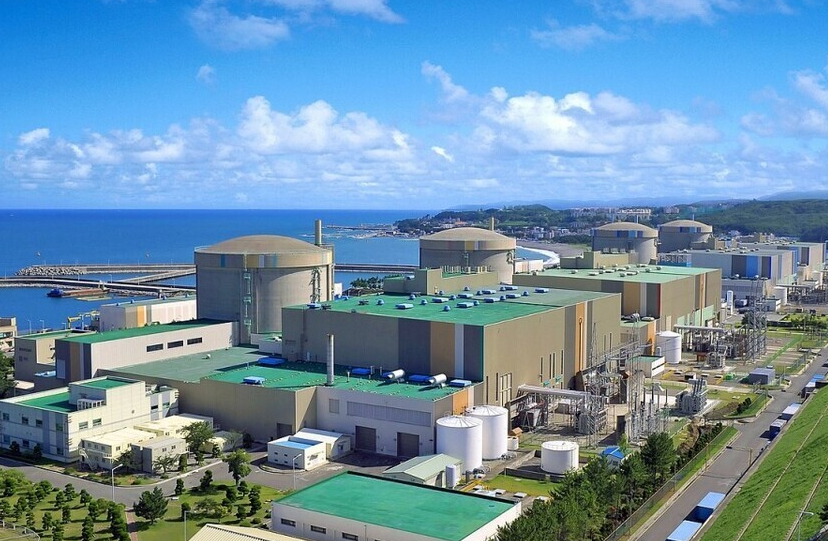
Gyeongju City, North Gyeongsang Province, South Korea, stated on September 7 that it has submitted five key pending matters to the Ministry of Climate, Energy and Environment, covering nuclear power plants, support facilities for low- and intermediate-level radioactive waste disposal, and water supply guarantees for the Hyeongsan River basin. On the same day, Gyeongju Mayor Joo Nak-young and National Assembly member Kim Seok-ki met with Minister Kim Sung-hwan of the Ministry of Climate, Energy and Environment to explain the importance of the relevant projects to regional development and public welfare, and requested review and support at the central government level. Regarding support facilities for radioactive waste disposal...
2026-09-08
Türkiye says Russia interested in participating in new nuclear power projects
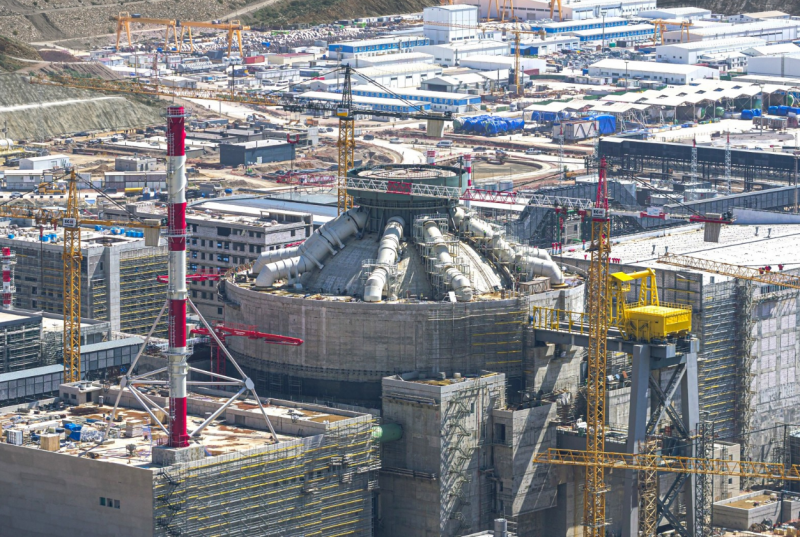
Türkiye's Minister of Energy and Natural Resources Alparslan Bayraktar recently stated that Russia has expressed interest in participating in Türkiye's new nuclear power plant projects, including the Sinop nuclear power plant on the Black Sea coast and a nuclear power project in the northwestern Thrace region. South Korea, Canada, and China are also in contact with Türkiye regarding nuclear power cooperation. In an interview on September 6 local time, Bayraktar said Russia hopes to apply the experience and personnel accumulated during the construction of the Akkuyu nuclear power plant to the Sinop and Thrace nuclear power projects. He stated that in addition to Russia, Türkiye is also in contact with Canada...
2026-09-08
Restart of Unit 3 at Japan's Tomari Nuclear Power Plant May Be Delayed to After End of 2027
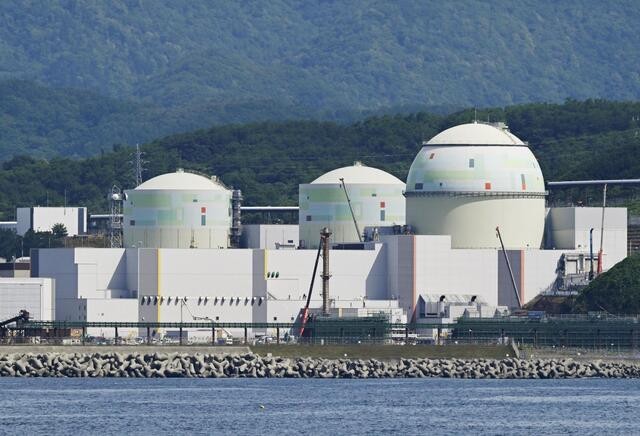
The restart of Unit 3 at the Tomari Nuclear Power Plant, operated by Hokkaido Electric Power in Tomari Village, Hokkaido, Japan, may be delayed to after the end of 2027. The company currently maintains its stated target of a restart in early 2027, but has not yet provided a specific date. Key factors affecting the restart schedule include delays in the construction of the tsunami protection embankment, a fatal accident during construction that occurred during the review process by the Nuclear Regulation Authority (NRA) of Japan, and certain technical matters that remain under confirmation and consultation. Hokkaido Electric Power has stated that the embankment is expected to be completed by mid-August 2027. The project was originally scheduled for completion around March 2027, but has been extended due to blizzard conditions and additional...
2026-09-08

UK's First TerraPower Natrium Reactor Could Generate Power by 2034
TerraPower, the US nuclear power company backed by Bill Gates, expects its Natrium sodium-cooled reactor could generate electricity in the UK as early as 2034. If the project progresses smoothly, the UK will become the company's first market for deploying this technology outside the United States. TerraPower CEO Chris Levesque said that given the company's first Natrium reactor project is scheduled for completion in 2031, the Natrium technology is highly likely to become a reality in the UK by 2034. The technology has already met relevant US regulatory requirements, and the first unit is under construction in Wyoming. In recent years, the UK has accelerated the development of small modular re...
2026-09-08
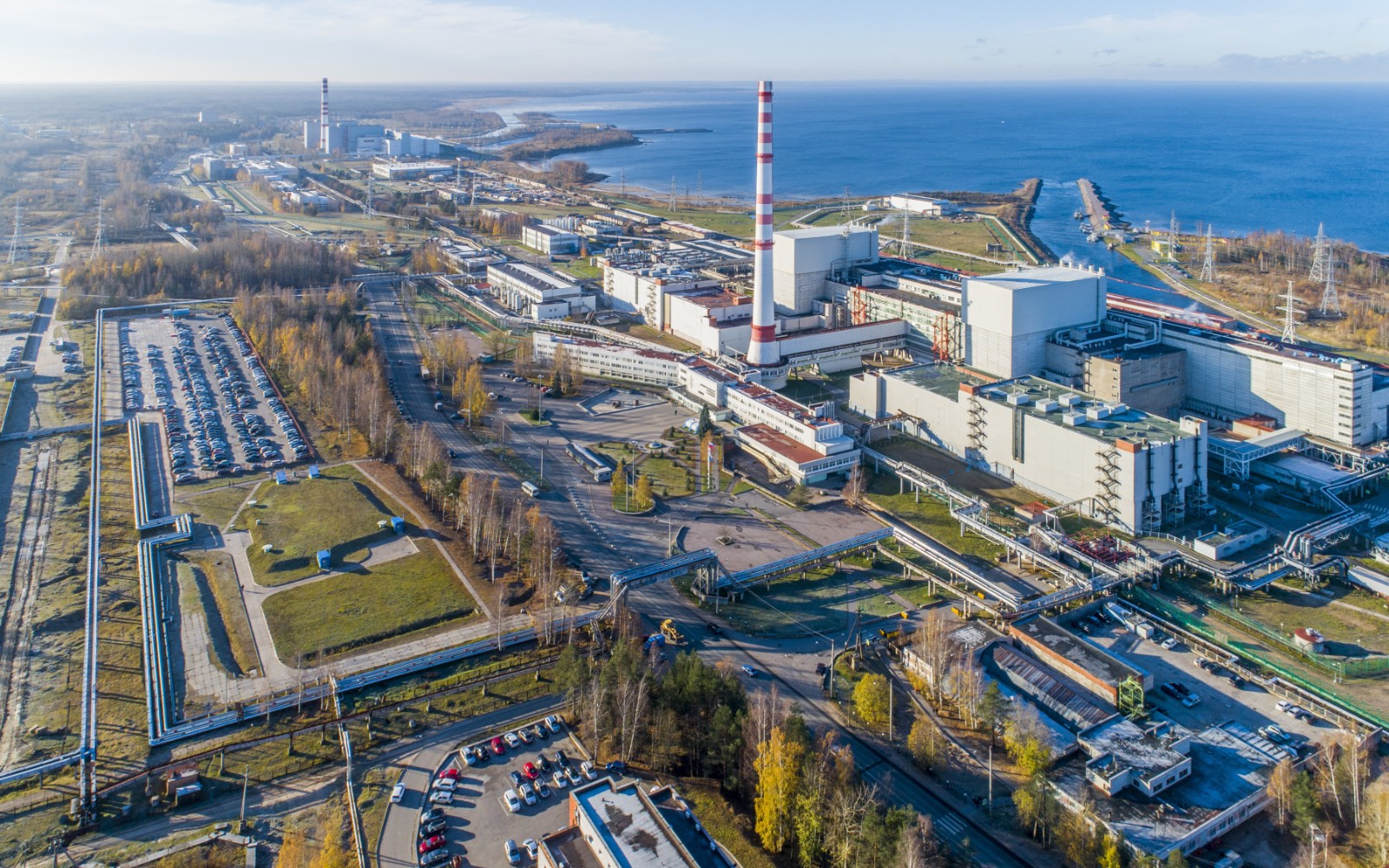
Russian nuclear power plants generated 149.1 billion kWh of electricity in 2026 as of September 7
Rosenergoatom, a subsidiary of Russia's State Atomic Energy Corporation (Rosatom), recently stated that as of September 7, Russian nuclear power plants had generated a cumulative total of 149.1 billion kWh of electricity in 2026. This output exceeds the target set for the same period by the Federal Antimonopoly Service (FAS) by 6.73%. Data previously released by the Federal State Statistics Service (Rosstat) shows that from January to July this year, electricity generation at Russian nuclear power plants increased by 2.2% year-on-year, reaching 126 billion kWh. In 2025, Russian nuclear power plants generated a total of 218.35 billion kWh for the full year. Alexey Likhachev, Director General of Rosatom, stated that the company plans to exceed the government's electricity generation target for the full year of 2026. The target is no less than 214 billion kWh.
2026-09-08
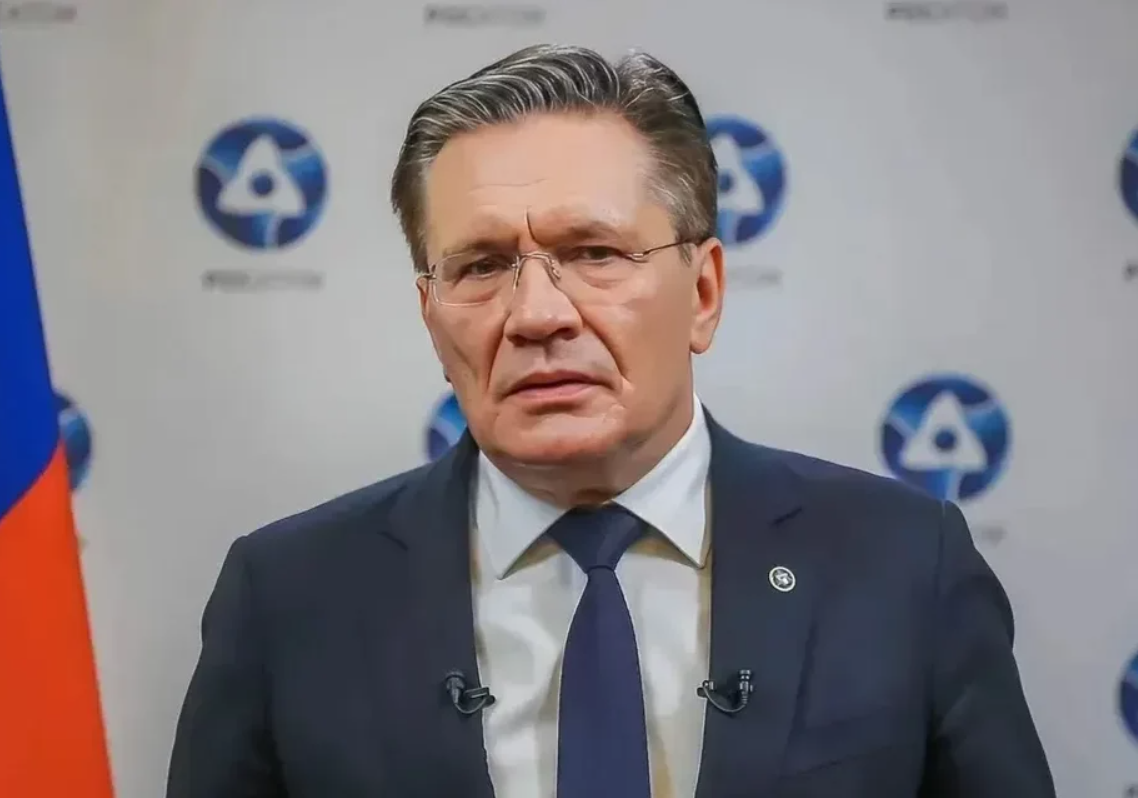
Russia Says IAEA to Rotate Inspectors at Zaporizhzhia Nuclear Power Plant in About a Week
Alexey Likhachev, CEO of Rosatom, said on September 7 that the International Atomic Energy Agency (IAEA) mission at the Zaporizhzhia Nuclear Power Plant is about to undergo a new round of personnel rotation. Likhachev stated that the 35th group of IAEA inspectors is expected to arrive at the Zaporizhzhia Nuclear Power Plant in about a week. He noted that, as with previous rotation arrangements, the operation will be conducted within the territory of the Russian Federation to ensure safety. The Zaporizhzhia Nuclear Power Plant is one of Europe's largest nuclear power facilities by installed capacity. The IAEA maintains a continuous on-site presence at the plant and conducts relevant nuclear safety and security observation activities through regular rotation of inspectors.
2026-09-08
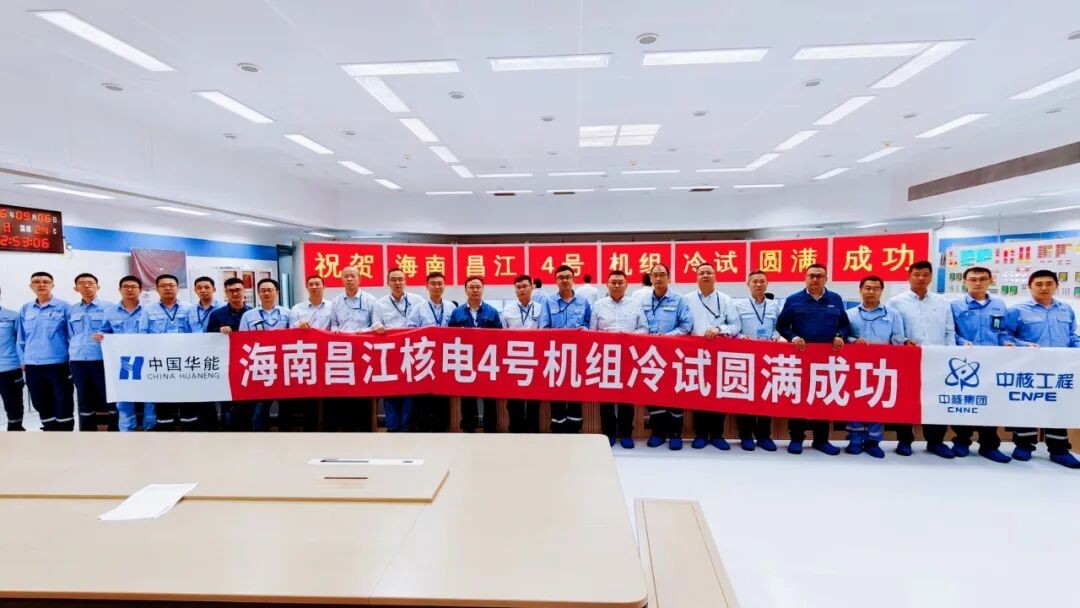
Huaneng Hainan Changjiang Nuclear Power Unit 4 Completes Cold Functional Test
At 12:50 on September 6, the cold functional test of Unit 4 at Huaneng Hainan Changjiang Nuclear Power was successfully completed, marking the unit's official full entry into the commissioning phase and laying the foundation for subsequent high-quality power generation and grid connection. This project is the first large-scale pressurized water reactor nuclear power project constructed under majority ownership by China Huaneng Group Co., Ltd., and also the first Hualong One nuclear power project in Hainan Province. The cold functional test, also known as the cold hydrostatic test of the primary circuit in a nuclear power plant, is an important milestone in nuclear power engineering construction. It is primarily used to comprehensively verify the integrity and leak-tightness of pressure boundaries, including primary circuit pipeline welds, equipment, and high-pressure sections of connected systems, ensuring the safety and stability of the primary circuit during subsequent operation...
2026-09-08

CFHI and China Huaneng Hold Talks on Cooperation in Nuclear Power Equipment and Other Fields
On September 7, Lv Zhiqiang, Secretary of the Party Committee and Chairman of CFHI, together with Quan Huaqiang, Deputy Secretary of the Party Committee, Director and General Manager, visited Bai Yong, Secretary of the Party Leadership Group and Chairman of China Huaneng, for discussions on further deepening cooperation. Zhang Hao, Member of the Standing Committee of the Party Committee and Vice President of CFHI, Hao Jinyu, Deputy Secretary of the Party Leadership Group and Director of China Huaneng, and Li Qizhao, Member of the Party Leadership Group and Vice President of China Huaneng, attended the talks. Lv Zhiqiang expressed gratitude to China Huaneng for its long-standing care and support for CFHI, and briefed on the company's reform and development as well as the 15th Five-Year Plan. He stated that China Huaneng is an important partner of CFHI, having been deeply engaged in the development of China's power industry for many years and continuously leading the progress of the power generation sector. Coinciding with the inaugural year of the 15th Five-Year Plan, he expressed hope that both sides would focus on fields such as nuclear power equipment, wind power, high-end materials, and scientific research and development, continuously expanding the boundaries of cooperation, innovating cooperation models, and jointly serving the national energy strategy while demonstrating the responsibility of central state-owned enterprises.
2026-09-08
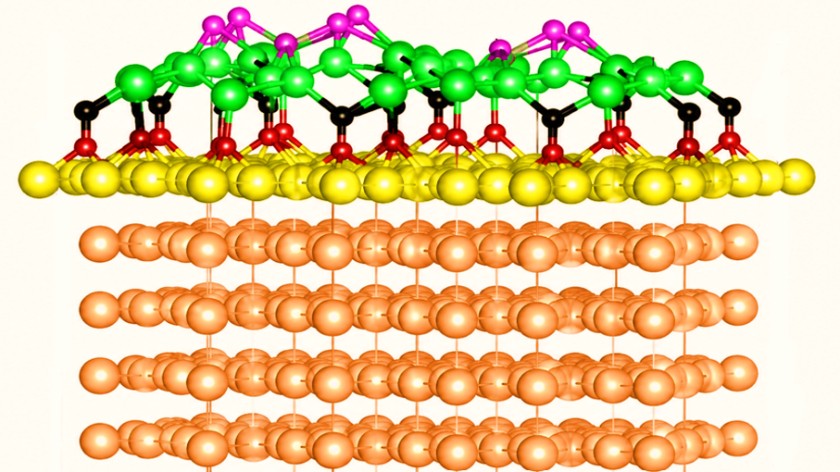
BESSY II reveals early-stage copper oxidation: providing evidence for catalyst development and corrosion research on nuclear waste final disposal containers
Germany's BESSY II synchrotron facility has recently provided new experimental insights into the early-stage oxidation process of copper surfaces. The study shows that before the formation of pure copper oxides, copper and oxygen atoms first form complex surface superstructures, such as "29"CuₓO. The chemical state of such structures has long been debated, and the findings are of reference value for catalyst research as well as for corrosion protection studies of copper containers used for radioactive waste final disposal. Before the formation of pure copper oxide, complex superstructures composed of copper and oxygen atoms emerge—such as "29"CuxO. HZB In everyday environments, copper surfaces gradually lose their red metallic luster and form a greenish oxide layer. This layer structure can slow further corrosion over an extended period. Regarding the initial stages of this process, the core question researchers focus on is: to what extent are copper atoms actually oxidized once oxygen enters the copper surface. Since conventional spectroscopic methods struggle to clearly distinguish between pure copper and partially oxidized surfaces, such oxidation states have previously been difficult to determine directly.
2026-09-07
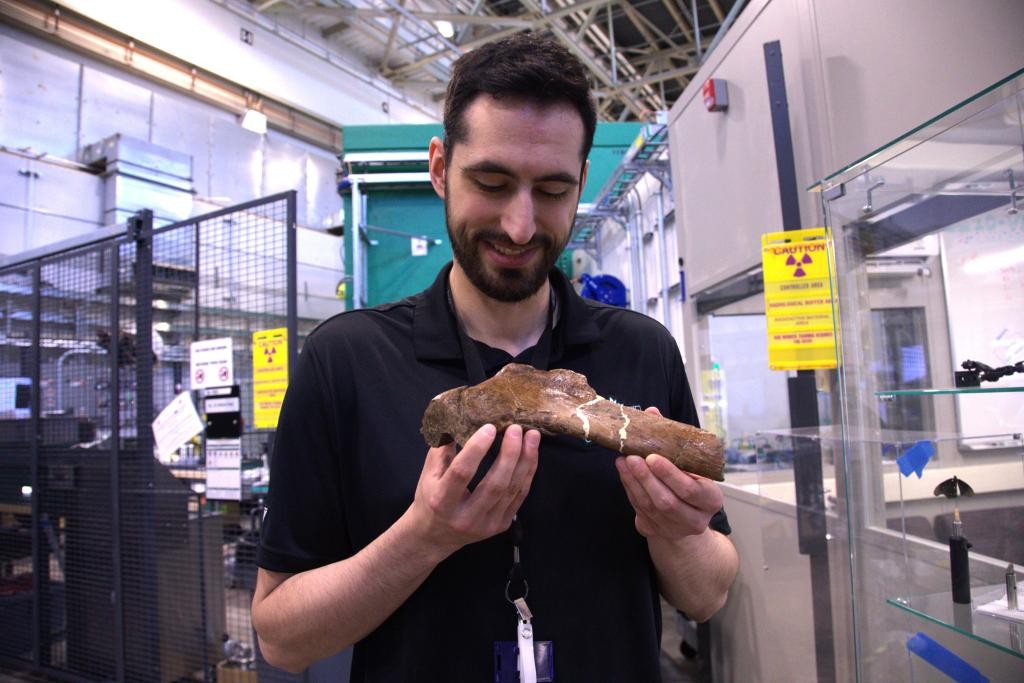
ORNL Neutron Imaging Technology Reveals Healed Rib Fracture in Tyrannosaurus Rex Fossil
Neutron imaging technology at the U.S. Department of Energy's Oak Ridge National Laboratory (ORNL) has helped researchers from the University of Regina in Canada and other institutions observe rare healing signs inside the fossilized bones of a Tyrannosaurus rex, providing new insights into ancient life from approximately 66 million years ago. The subject of this study is a fractured rib from "Scotty," the largest Tyrannosaurus rex skeleton ever discovered. Researchers found that this rib preserved a wound-healing process rarely seen in the fossil record: after the fracture occurred, iron-rich blood entered the injured area and formed a network of blood vessels to promote healing; however, before the rib had fully healed, Scotty died and was preserved in a salt marsh environment, which slowed the decomposition of the remains...
2026-09-07
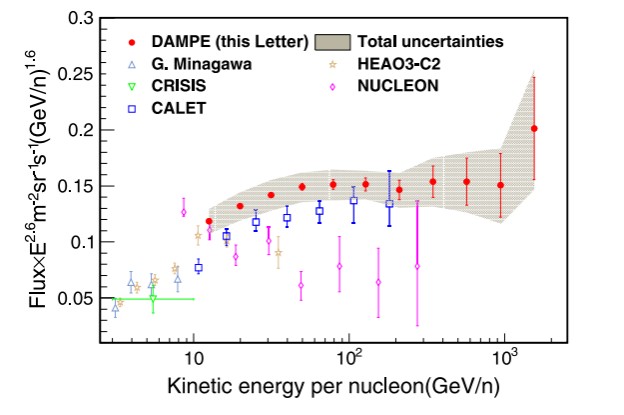
"Wukong" Detects "Super-Iron" Elements in Cosmic Rays, Achieving First High-Precision Cosmic Ray Nickel Energy Spectrum in the TeV Range
Recently, the DAMPE scientific team led by Academician Chang Jin of the University of Science and Technology of China made significant progress in direct observations of high-energy cosmic rays. Based on DAMPE on-orbit observation data, the scientific team obtained the differential flux spectrum of nickel nuclei from 10 GeV/n to 2 TeV/n. The results were published in the international academic journal *Physical Review Letters* under the title "Measurement of the Cosmic Ray Nickel Energy Spectrum from 10 GeV/n to 2 TeV/n with the DAMPE Space Mission." The origin of super-iron elements in cosmic rays has long been a challenge for the scientific community. It is generally believed that cosmic ray elements are primarily produced in nuclear fusion processes within stars, but since iron nuclei have the highest binding energy per nucleon, stellar fusion reactions typically struggle to proceed beyond elements near iron. Heavier elements than iron are generally attributed to different nucleosynthesis processes such as neutron capture. Because the abundance of super-iron elements is typically at least an order of magnitude lower than that of iron, measurements of super-iron elements in cosmic rays remain extremely scarce. Most experiments have only provided relative abundances of different elements; a few experiments have measured the differential flux spectrum of cosmic ray nickel, but with energy upper limits of only a few hundred GeV/n.
2026-09-07
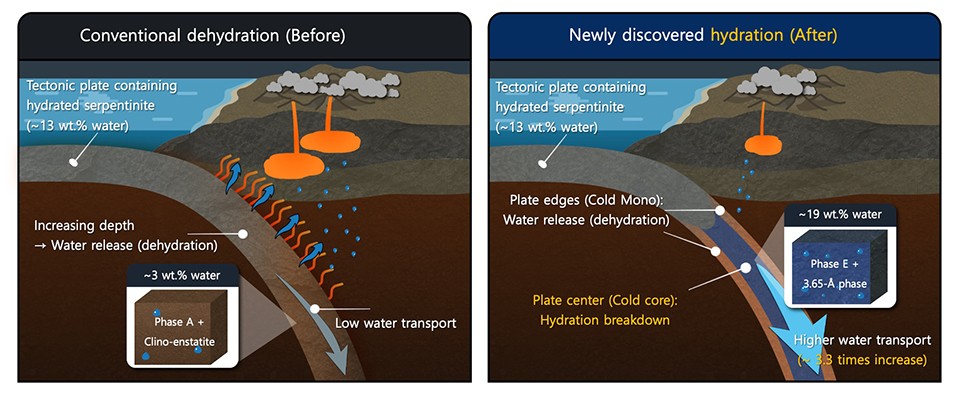
South Korean research team reveals that water storage capacity of cold subducting slabs has been underestimated using synchrotron radiation sources
A research team led by Professor Yongjae Lee of the Department of Earth System Sciences at Yonsei University in South Korea has recently found that in cold, rapidly descending tectonic subduction zones, crustal rocks may transport up to 1 trillion kilograms of water to the mantle each year—approximately twice the previous estimate. The findings have been published in Nature Communications. Subduction zones are regions where Earth's tectonic plates converge and one plate descends beneath another, often accompanied by volcanic and seismic activity. For a long time, the academic community has generally believed that serpentinite, a water-bearing rock, gradually dehydrates as it descends with the plate due to increasing pressure and temperature, and the released water further promotes melting of the overlying plate and is associated with the formation of volcanic arc chains.
2026-09-07
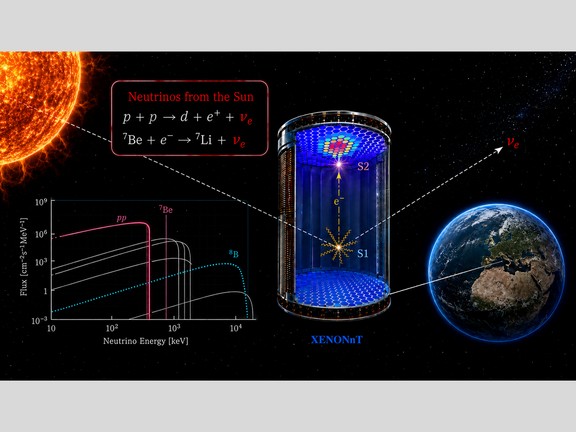
XENONnT Observes First Low-Energy Solar Neutrino-Electron Scattering Signals
Scientists of the XENON collaboration recently announced the first observation of low-energy solar neutrino scattering off electrons in the XENONnT particle detector. The results were presented at a workshop held on August 31, 2026, at the Gran Sasso National Laboratory of the Italian National Institute for Nuclear Physics. The team of Prof. Teresa Marrodán Undagoitia and Dr. Hardy Simgen from the Max Planck Institute for Nuclear Physics played a key role in the experiment. Nuclear fusion in the Sun continuously produces vast numbers of neutrinos, with hundreds of billions passing through every square centimeter of Earth each second. Because neutrinos interact with matter extremely weakly, detecting these particles...
2026-09-07

Malaysia Expands Nuclear Radiation Mutation Breeding Applications to Bolster Food Security and Industrial Inspection
Malaysia's nuclear technology applications are extending from traditional fields such as medicine and industry further into agricultural production and food security. Dr. Sukri, Senior Director of Project Management at the Malaysian Nuclear Agency, stated that through research and development using nuclear radiation mutation breeding technology, the agency has shortened the maturation period of cassava from the original 10 to 12 months down to 6 months. Sukri noted that this technological application helps reduce farmers' production costs, improve land use efficiency, and cultivate larger cassava varieties. In addition to cassava, the Malaysian Nuclear Agency, in collaboration with the Ministry of Agriculture and Food Security and the Department of Agriculture, has successfully developed two new rice varieties, NMR 151 and NMR 152. These new varieties feature higher yields and demonstrate strong resistance to diseases, extreme weather conditions such as prolonged drought, and flooding.
2026-09-07