
Search Results
Keyword:CT

UK Rolls-Royce SMR Signs Memorandum of Understanding with ABB on Small Modular Reactors
On September 8, 2026, ABB and Rolls-Royce Small Modular Reactors (Rolls-Royce SMR) signed a Memorandum of Understanding to explore collaboration on small modular reactor projects. Under the MoU, ABB will study how its automation, electrification, instrumentation, and communications solutions can be applied to the scaled deployment of related projects. Rolls-Royce SMR is developing standardized, factory-prefabricated small modular reactor technology aimed at reducing nuclear project risks, improving delivery certainty, and providing low-carbon electricity in global markets. The company plans to develop a fleet of units, each with an electrical output of 470 megawatts, capable of meeting the electricity needs of one million UK households...
2026-09-09

Russia Says India's Kudankulam Nuclear Power Plant Project Progressing Smoothly
On September 8, Russian Presidential Press Secretary Dmitry Peskov stated at a briefing for Indian media that the Kudankulam Nuclear Power Plant project in India is progressing smoothly, and Russia looks forward to negotiations with India on new nuclear power plant projects. Peskov said: "The Kudankulam Nuclear Power Plant project is progressing well, and we look forward to further developing cooperation in this area while awaiting negotiations on the construction of new nuclear power plants in India." The report noted that these remarks were made on the eve of the BRICS summit in New Delhi...
2026-09-09
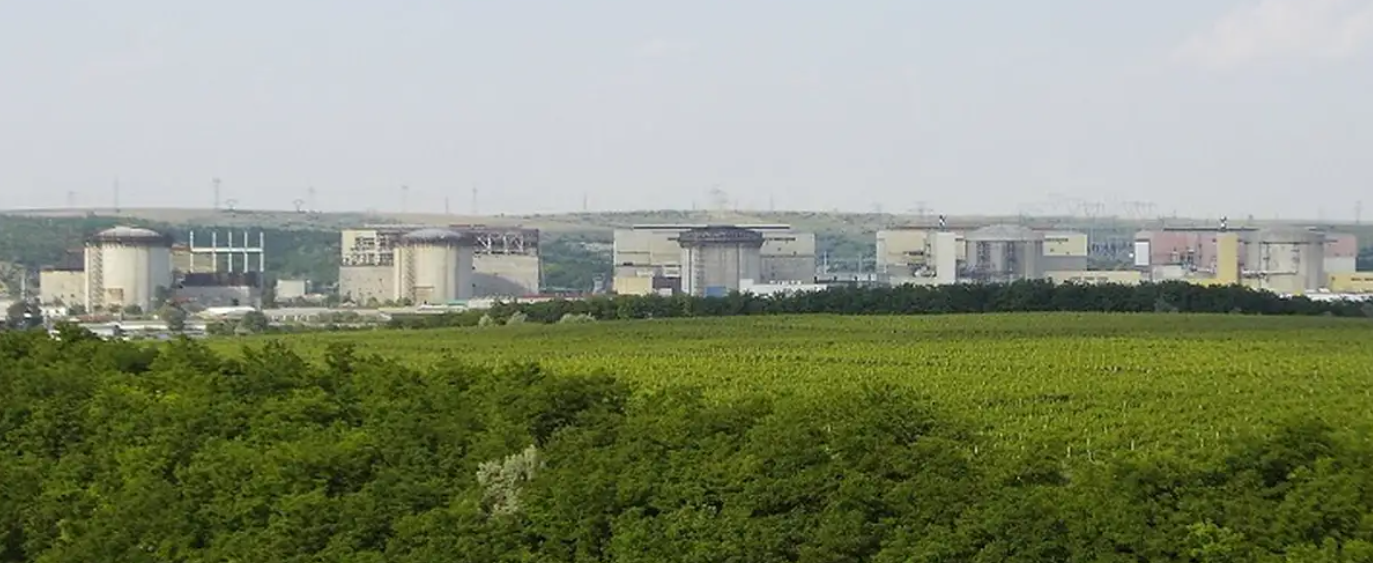
Romania's Cernavoda Nuclear Power Plant to Remain Offline Until at Least September 18 Due to Low Danube River Levels
On September 8, Romania's Cernavoda Nuclear Power Plant was expected to remain offline until at least September 18 due to low water levels in the Danube River. Emil Macovei, Technical Director of Nuclearelectrica, the operator of the Cernavoda plant, stated that over the next 10 days, the Danube's water volume would still be insufficient to support the restart of either of the plant's two units. Romania's Antena 3 television channel quoted him as saying that current hydrological conditions do not yet meet the requirements for unit operation. Cristian Busoi, Secretary of State at Romania's Ministry of Energy, said that predictions regarding the plant's restart timeline were "rather optimistic," and the ministry is currently unable to provide a definitive date for resuming operations. He confirmed that...
2026-09-09
South Korea and Westinghouse Electric Plan to Advance Cooperation on 8 Nuclear Power Plants in the U.S.
According to a September 9 report by South Korean media, South Korea and the United States are coordinating an investment cooperation plan to build up to 8 large-scale nuclear power plants in the U.S., with a total project scale of approximately $120 billion, equivalent to about 161 trillion Korean won. Korea Hydro & Nuclear Power (KHNP) and U.S.-based Westinghouse Electric Company (WEC) are expected to collaborate on the project. The report said the preliminary plans under discussion include: at least 2 of the 8 nuclear power plants using the Korean-designed APR1400 reactor, with the remaining units likely adopting Westinghouse AP1000 technology. Specific site selection, construction entities, operational arrangements, final reactor types...
2026-09-09

South Korea and France Agree to Deepen Nuclear Energy R&D and Nuclear Fuel Supply Cooperation
South Korean President Lee Jae-myung, on a state visit to France, held a summit with French President Emmanuel Macron at the Élysée Palace in Paris on September 8. The two sides stated after the meeting that they would further expand cooperation in the nuclear energy sector, with a focus on nuclear energy R&D, nuclear fuel supply, next-generation reactor development, and mid- to long-term supply chain diversification. Lee Jae-myung said at a joint press conference that the two countries had signed supplementary documents on cooperation in nuclear energy R&D and nuclear fuel supply to deepen the nuclear energy cooperation agreement reached between the two nations in April. Both sides confirmed that they would continue to advance cooperation in next-generation reactor development and mid- to long-term supply chain diversification. According to related reports, the two countries also decided to establish a new...
2026-09-09
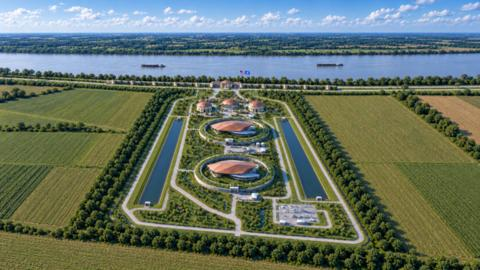
US ONE Nuclear Advances 1 GW SMR Project in Louisiana
ONE Nuclear Energy LLC (referred to as "ONE Nuclear") recently announced that its Amberjack small modular reactor (SMR) project in Louisiana, USA, has entered the technical and environmental assessment phase. The project is planned as a standalone, scalable multi-unit SMR campus targeting an advanced nuclear power generation capacity of up to approximately 1 GW. ONE Nuclear stated that the final installed capacity, reactor technology pathway, and plant configuration for the Amberjack project have not yet been determined and will depend on subsequent technology down-selection, detailed engineering design, environmental assessment, transmission studies, commercial arrangements, financing, and federal licensing processes. The company previously also announced...
2026-09-09
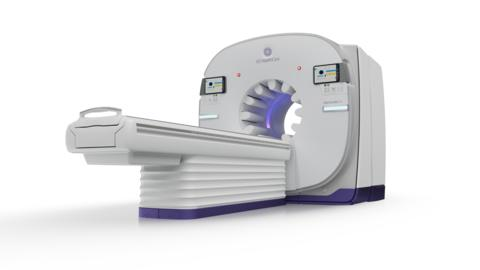
GE HealthCare's StarGuide GX Digital 4D CZT SPECT/CT Receives FDA 510(k) Clearance in the U.S.
GE HealthCare recently announced that its new digital 4D CZT SPECT/CT system, StarGuide GX, has received 510(k) clearance from the U.S. Food and Drug Administration (FDA). The system had previously obtained CE marking, and this U.S. clearance marks progress in the clinical adoption of its next-generation molecular imaging technology. Designed for theragnostics and precision medicine needs, StarGuide GX is a comprehensive SPECT/CT system. It supports imaging at multiple energy levels, enables general-purpose SPECT imaging, and is tailored for emerging tracer applications, including investigational α-emitters, aiming to provide imaging support for clinicians and researchers exploring new pathways in diagnosis, treatment planning, and therapeutic response monitoring.
2026-09-09
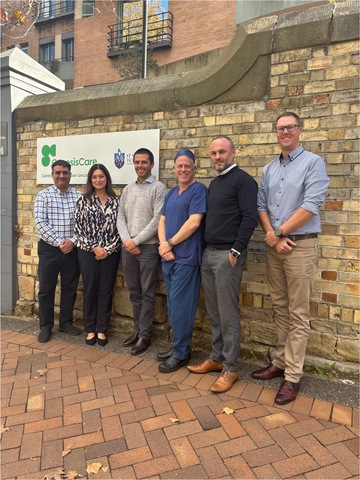
Australia's First ZAP-X Gyroscopic Radiosurgery Platform to Be Installed at St Vincent's Hospital Sydney
ZAP Surgical Systems has announced that GenesisCare will become the first cancer treatment provider in Australia to introduce the ZAP-X Gyroscopic Radiosurgery® platform. The device is expected to be installed this month at GenesisCare's center at St Vincent's Hospital in Sydney, New South Wales, with the first patients anticipated to begin treatment before the end of the year. The deployment of the ZAP-X platform will enhance GenesisCare's neuro-oncology treatment capabilities in Sydney, enabling it to deliver dedicated stereotactic radiosurgery (SRS). Previously, SRS patients were primarily treated using cobalt-60 systems and multi-purpose radiotherapy linear accelerators. The ZAP-X, in contrast, is a dedicated platform designed for non-inv...
2026-09-09

US Lightbridge Aims to Accelerate Advanced Nuclear Fuel Commercialization via INL Project
Lightbridge Corporation, a US advanced nuclear fuel technology company, announced on September 8 that it has been selected for the "Launchpad" program advanced by the US Department of Energy (DOE) at Idaho National Laboratory (INL), and plans to leverage this opportunity to accelerate the deployment of Lightbridge Fuel™ in commercial reactors. According to a shareholder letter from Lightbridge Chairman and CEO Seth Grae, the company will pursue a two-track commercialization strategy: on one track, under DOE authorization, it will build the Specialized High-Assay Low-Enriched Uranium Extrusion Demonstration (SHED) facility to produce Lead Test Assemblies (LTAs); on the other...
2026-09-09
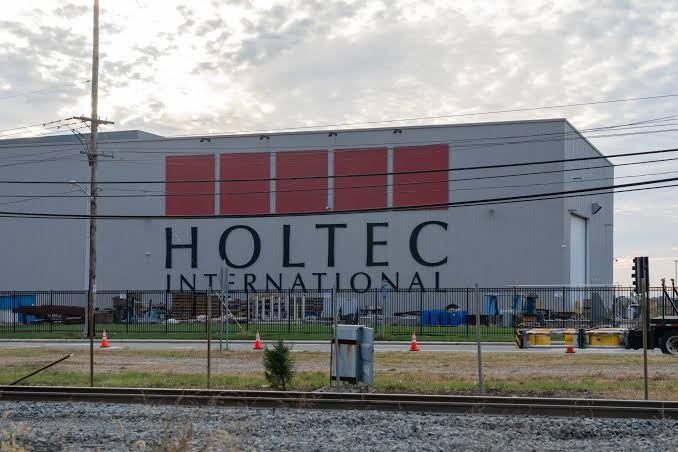
Ukraine's Energoatom purchases additional 41 VVER Spent Fuel Dry Storage Systems
Holtec Nuclear recently announced that Ukraine's national nuclear energy company Energoatom has awarded it a new contract to supply an additional 41 spent fuel safe transport and storage systems for VVER reactors at Ukraine's Khmelnytskyi, Rivne, and South Ukraine nuclear power plants. The contract was signed on August 26, 2026. Energoatom's acting CEO Pavlo Kovtonyuk signed the contract in Kyiv, while Holtec Nuclear's CEO and Board Chairman Kris Singh signed in Camden, New Jersey, USA...
2026-09-09

Alpha-9 Oncology Initiates Phase 1 Clinical Trial of GRPR-Targeted Radiotherapy, First Patient Dosed
Alpha-9 Oncology, a U.S. clinical-stage radiopharmaceutical company, recently announced that the first patient has been dosed in its Phase 1 clinical trial evaluating two GRPR-targeted radiopharmaceuticals. The study involves the actinium-225-labeled compound 225Ac-A9-0642 and the lutetium-177-labeled compound 177Lu-A9-0631, primarily enrolling patients with breast cancer and other solid tumors, with data expected to be released by the end of 2027. According to the company, both 225Ac-A9-0642 and 177Lu-A9-0631 target the gastrin-releasing peptide receptor (GRPR). GRPR is considered a solid tumor-associated target with potential clinical value in breast cancer and other solid tumors. 225Ac-A9-0642 is Alpha-9's first actinium-225 GRPR-targeted compound to enter clinical evaluation...
2026-09-09
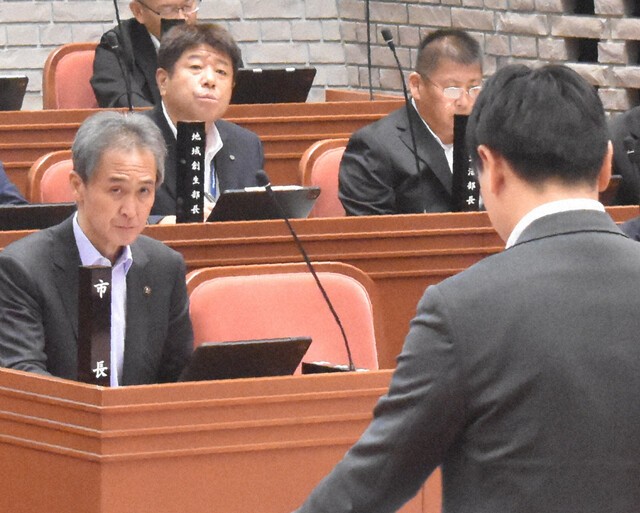
Hitachioomiya City Assembly in Ibaraki Prefecture, Japan, discusses literature survey request for nuclear waste disposal site
Hitachioomiya City in Ibaraki Prefecture, Japan, received a request from Japan's Ministry of Economy, Trade and Industry (METI) asking the city to accept a literature survey for the siting of a final disposal facility for high-level radioactive waste. On September 8, the Hitachioomiya City Assembly held a general question-and-answer session, during which multiple city assembly members expressed their views on whether to accept the survey. Of the five assembly members who filed questions that day, two expressed opposition to accepting the request and one expressed support. The assembly plans to hold a closed-door meeting on September 9, at which each assembly member will state their position, and the relevant content will subsequently be conveyed to Mayor Sadayuki Suzuki for his consideration in formulating the city government's response. Assembly member Toshiyuki Kurata stated that if the literature survey proceeds, it would impact the policies and projects currently being implemented by the city...
2026-09-09
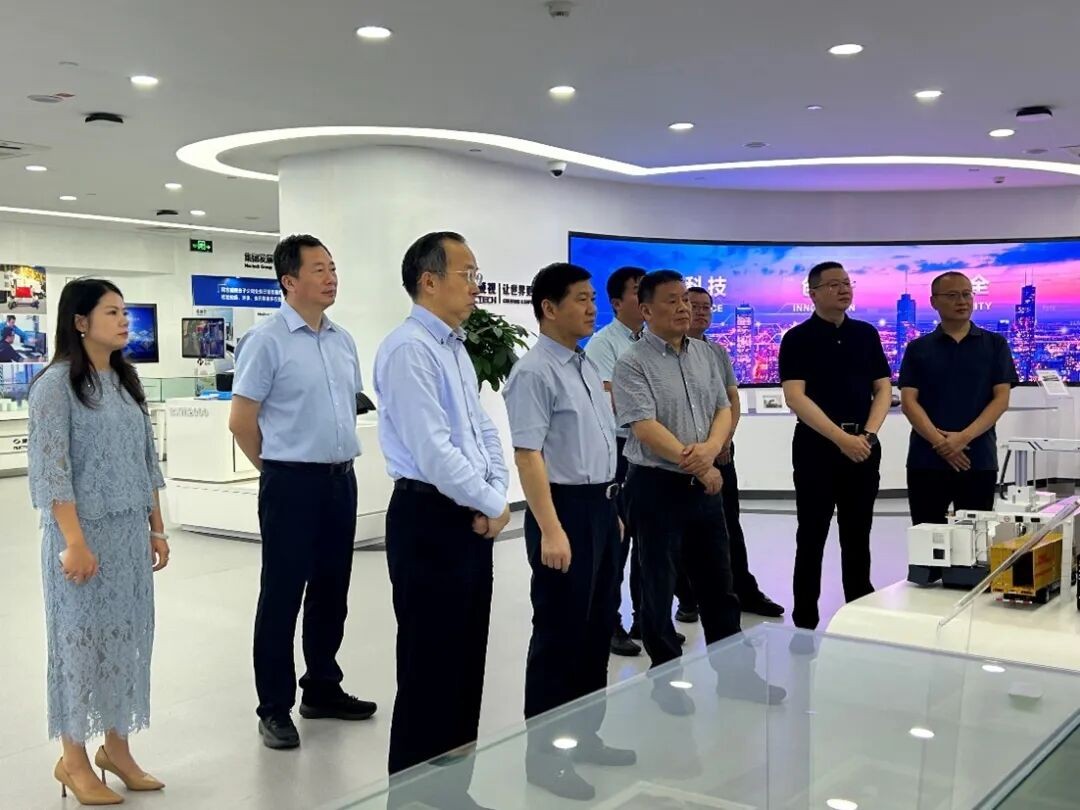
China Ports Association Visits Nuctech to Discuss Smart Port and Security Inspection Cooperation
On September 2, Xie Jun and Han Jian, Vice Presidents of the China Ports Association, led a delegation to Nuctech for a special visit and research. Chen Zhiqiang, Chief Scientist and Chairman of Nuctech, received the delegation. The two sides held discussions on topics including government-enterprise collaboration, smart port upgrading, industry standard development, and industrial innovation, reaching multiple consensuses on future cooperation directions. Prior to the discussions, Chen Zhiqiang accompanied the China Ports Association delegation on a tour of the Nuctech New Vision Exhibition Hall, presenting the company's development history, core business, proprietary key technology systems, and related product applications in the port and customs sectors. The exhibition content covered port security inspection, smart customs clearance, intelligent...
2026-09-09
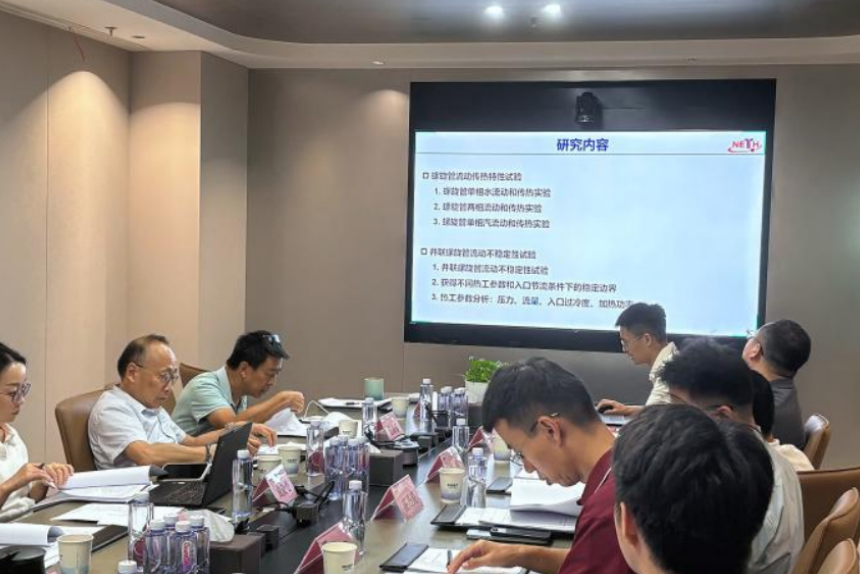
"Junhe-1" OTSG Thermal-Hydraulic Experiment Program Passes Expert Review
On September 2, 2026, Shanghai Junhe Atomic Technology Co., Ltd. organized an expert review meeting on the "Junhe-1 OTSG Single-Tube Flow and Heat Transfer Experiment Program" and the "Junhe-1 OTSG Parallel Channel Flow Instability Experiment Program." The review meeting invited multiple experts from CGN Research Institute, Shanghai Nuclear Engineering Research and Design Institute, Fudan University, Nanjing University of Aeronautics and Astronautics, and Shanghai Jiao Tong University. The first thermal experiment project of Junhe-1 is undertaken by Professor Gu Hanyang's team from Shanghai Jiao Tong University, which has extensive experience in reactor R&D experiments and has undertaken multiple thermal-hydraulic experiment tasks for the Hualong One and domestic small reactor R&D projects. The meeting heard...
2026-09-09
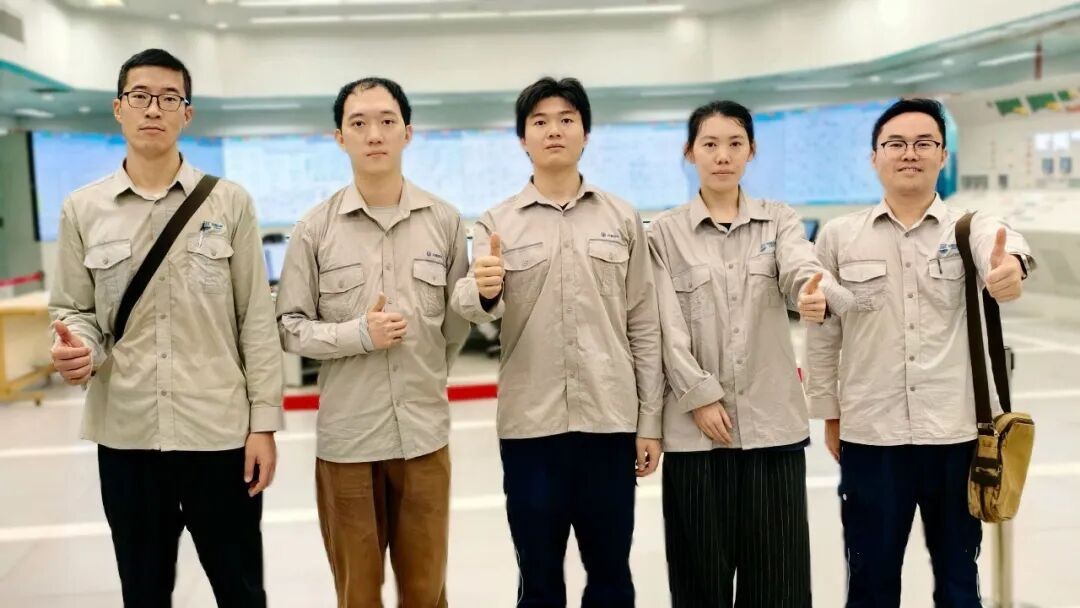
Pakistan Karachi Nuclear Power Plant Unit K-3 Connected to Grid After Major Overhaul
At 03:30 local time on September 7, 2026, Unit K-3 of the Karachi Nuclear Power Plant in Pakistan was successfully connected to the grid. Since the unit was disconnected from the grid on July 1, 2026 for this major overhaul, the Chinese and Pakistani teams have worked closely together to successfully complete all maintenance tasks. This overhaul involved heavy workloads and multiple critical points. The CNNC Overseas Operation and Maintenance team planned and deployed in advance, refined the overhaul plan, coordinated and allocated various resources, clarified responsibilities, implemented dynamic tracking and daily work reviews, and efficiently completed key tasks including the modification of the lower half heat shield of the low-pressure cylinder, preventive maintenance of UPS, maintenance of the containment spray pipeline, emergency repair of the emergency compressed air compressor, and technical guidance for turbine overhaul, eliminating equipment hazards and consolidating the foundation for safe unit operation...
2026-09-09