
Search Results
Keyword:GE
IAEA Confirms Undeclared Nuclear Facilities in Syria
A confidential report by a United Nations agency reveals that after IAEA inspectors visited multiple locations in Syria in August this year, they confirmed that the former Syrian authorities had failed to declare relevant nuclear materials, nuclear facilities, and nuclear activities as required by the safeguards agreement under the Treaty on the Non-Proliferation of Nuclear Weapons. The report states that the information includes a nuclear reactor that was under construction in Deir ez-Zor, a fuel fabrication facility, and another site used for fuel storage during the former government era. For a long time, there has been external suspicion that Syria had secretly pursued a nuclear program, with a facility in Deir ez-Zor province believed to be a nuclear reactor built with assistance from North Korea. The facility was destroyed by an Israeli airstrike in 2007...
2026-09-03

Japanese regulator plans budget for research on next-generation reactor reviews
The Nuclear Regulation Authority (NRA) of Japan has included research costs required for reviewing next-generation nuclear reactors in its budget request for the next fiscal year. The funds will be used to evaluate the effectiveness of new safety measures, providing a review basis for potential future construction or replacement applications. The Japanese government is promoting the development of next-generation nuclear reactors, including innovative light-water reactors that further enhance safety performance based on existing light-water reactor technology. Since November 2025, Kansai Electric Power Company (KEPCO) has been conducting geological surveys at the Mihama Nuclear Power Plant in Fukui Prefecture, in preparation for possible future plans to replace existing units with next-generation reactors. At a meeting held on September 2...
2026-09-03
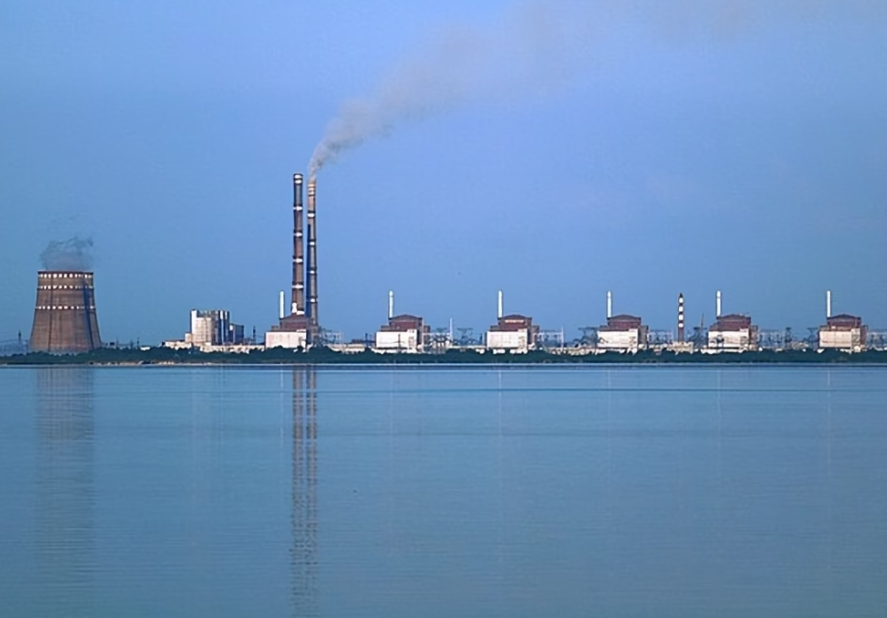
External power supply interruption at Zaporizhzhia Nuclear Power Plant has lasted for 14 days
Yashina, head of communications at the Zaporizhzhia Nuclear Power Plant, stated that the external power supply interruption at the plant has lasted for 14 days, with power currently provided by diesel generators, and that on-site personnel are still able to ensure the safe condition of the plant. According to an earlier statement from the plant, on August 20, the "Ferroalloy-1" power line was damaged, causing the external power supply interruption at the Zaporizhzhia Nuclear Power Plant. The damage site is located in an area where repair work cannot currently be carried out. After the loss of external power, the plant activated its backup power system. Fuel reserves remain available on site, but to conserve these reserves and maintain stable equipment operation, the operating mode of the diesel generators needs to be optimized. Yashina stated that the plant has been powered by diesel generators for 14 consecutive days...
2026-09-03
Uzbekistan Proposes Joint Venture to Manage Nuclear Power Plant Construction Project
The press service of Uzbek President Shavkat Mirziyoyev announced that Uzbekistan has proposed establishing a joint venture to manage the construction of a domestic nuclear power plant with the participation of Russia's State Atomic Energy Corporation (Rosatom). On September 2, Mirziyoyev was briefed on the progress of the comprehensive nuclear power plant in the Jizzakh region and the construction of a supporting modern satellite city. According to the relevant arrangements, to improve project management, strengthen technical control, and conduct independent reviews of technical solutions, Uzbekistan plans to establish a joint venture in cooperation with leading foreign engineering companies. The statement also noted that the project will promote the alignment of relevant standards with Uzbekistan's national system, with plans to introduce approximately 100...
2026-09-03

Qinshan Nuclear Power Completes Overhaul Validation of Grille Cleaning Robotic Arm
The grille cleaning robotic arm, an integrated system of UAV-based intelligent inspection and robotic arm automatic cleaning independently developed by the Mechanical Team of the Fourth Maintenance Division at Qinshan Nuclear Power, recently completed on-site validation during the Unit 2 312 overhaul at Qinshan Phase II. Designed for seawater system intake grille cleaning scenarios, this equipment transforms the original manual operation requiring entry into deep wells into an unmanned operation conducted under ground-based remote monitoring. The intake grille serves as a critical barrier for the cooling water system of a nuclear power plant, and its unobstructed condition is directly related to the stable operation of the unit. In traditional cleaning methods, workers were required to enter narrow shafts more than twenty meters underground to perform inspection and cleaning in confined spaces, which involved high labor intensity, low efficiency, and safety risks such as falls from height...
2026-09-03
Chinese Research Team Develops Novel Adsorbent Material for Uranium Extraction from Seawater
On September 2, it was learned from the Qingdao Institute of Bioenergy and Bioprocess Technology, Chinese Academy of Sciences (hereinafter referred to as "QIBEBT") that the research team has recently made a series of advances in the field of uranium extraction materials from seawater. The team introduced discrete molecular topological design into porous organic cage systems for the first time, synthesizing the phosphate-functionalized material PhosCage, and further compounded it with aramid nanofibers to prepare composite aerogel microspheres AC-POC possessing high selectivity, high capacity, and anti-biofouling capability. The relevant results were published in the international academic journals Journal of Hazardous Materials and Separation and Purification Technology. The deep ocean harbors a vast uranium reservoir, but how to economically and efficiently extract uranium from it remains...
2026-09-03
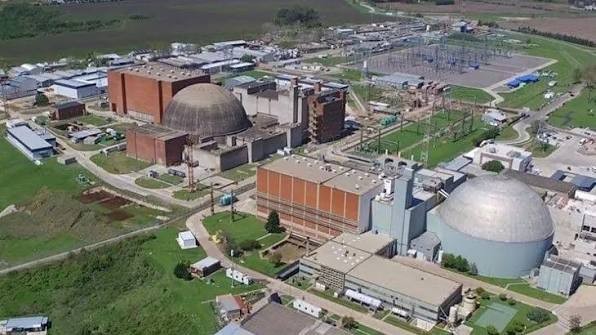
Argentina's Atucha II Nuclear Power Plant Ranks First in National Installed Capacity
Atucha II Nuclear Power Plant is located in Lima, Buenos Aires Province, Argentina, and is part of the Atucha nuclear power plant complex, adjacent to Atucha I, the first nuclear power plant in Latin America. The unit has an installed capacity of 745 megawatts, making it the largest nuclear power unit in Argentina by installed capacity. The recent phase of the Atucha II project's construction process began in 2006, when relevant parties initiated engineering completion work. Unit installation was completed in 2011, followed by a pre-commissioning testing phase during which systems were verified item by item. On June 3, 2014, the Atucha II reactor was first started up. Several weeks later, the plant supplied electricity to Argentina's national grid for the first time, and obtained its commercial operation license in May 2016...
2026-09-02
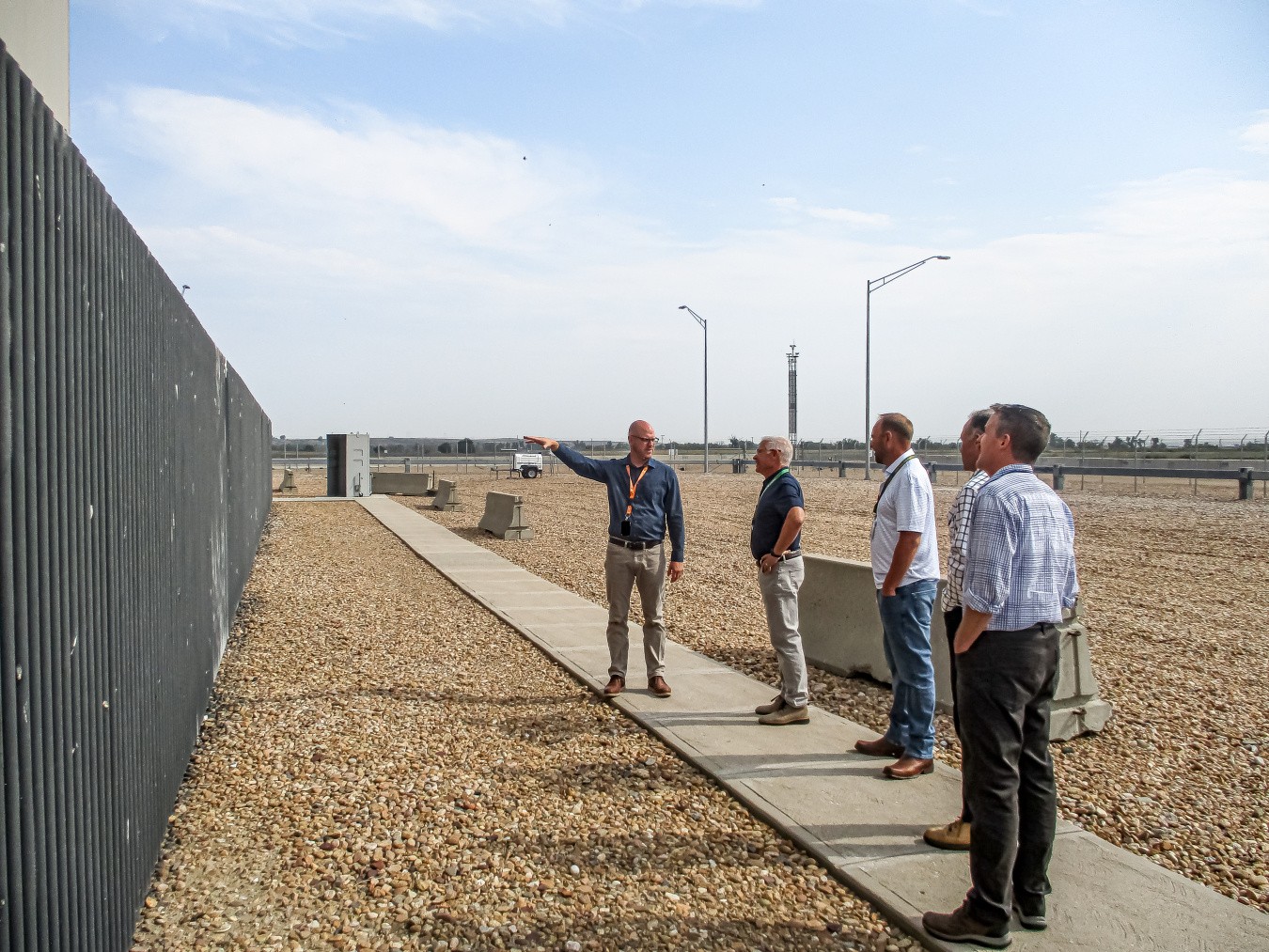
DOE Officials Visit Fort St. Vrain Spent Fuel Storage Facility in Colorado
Tim Walsh, Assistant Secretary of the U.S. Department of Energy's Office of Environmental Management (EM), recently visited the Fort St. Vrain spent nuclear fuel storage facility near Platteville in northern Colorado. The facility is managed by the DOE's Idaho Cleanup Project (ICP) and its contractor, Idaho Environmental Coalition (IEC). During the visit, Walsh inspected the storage facility and multiple supporting buildings to learn about the operational mission and historical background of the Fort St. Vrain facility. The facility currently stores spent nuclear fuel from the former Fort St. Vrain power station, which operated using gas-cooled reactor technology and was shut down in 1979...
2026-09-02

Demolition Begins on Contaminated Buildings in Isotope Area at Oak Ridge National Laboratory
The Oak Ridge Environmental Management Office in Tennessee recently initiated demolition of a group of highly contaminated buildings in the Isotope Area at Oak Ridge National Laboratory. Located in the laboratory's central campus, this area is considered one of the more challenging sites in the local cleanup effort. The Isotope Area comprises 10 facilities, constructed between the late 1940s and early 1960s, which once served the laboratory's isotope program. These facilities were used for decades in the production, processing, and research of chemical elements for medical, industrial, and scientific applications. As the laboratory evolved, the facilities were taken out of service in the early 1990s but remained standing. According to reports, the area retains contaminated...
2026-09-02
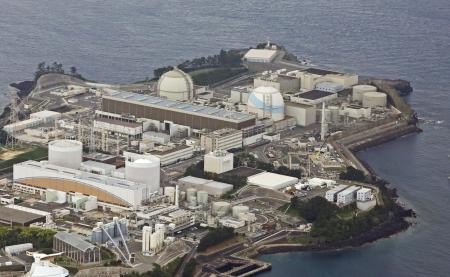
Unit 4 of Japan's Genkai Nuclear Power Plant Receives 72 New Fuel Assemblies
Kyushu Electric Power Co. announced on September 1, 2026, that Unit 4 of the Genkai Nuclear Power Plant has completed the receipt of a batch of new fuel. The new fuel was processed and shipped by Mitsubishi Nuclear Fuel Co., Ltd., with transportation carried out from August 27 to September 1, 2026. According to Kyushu Electric Power, the new fuel delivered to Unit 4 of the Genkai Nuclear Power Plant consists of 72 fuel assemblies, transported in 36 shipping containers via both land and sea routes. Two control rod assemblies were also transported along with this batch of fuel. Fuel used in nuclear power plants...
2026-09-02
Japan Approves Adjusted Tsunami Height Assessment for Genkai Nuclear Power Plant
At its regular meeting held on September 2, Japan's Nuclear Regulation Authority (NRA) formally approved Kyushu Electric Power Co.'s assessment of the maximum potential tsunami height at the Genkai Nuclear Power Plant site in Saga Prefecture. Under this adjustment, the maximum tsunami height on the northwest side of the Genkai plant site has been raised to 14 meters; previously, the maximum tsunami height on the north side of the site was 6 meters. The NRA determined that the ground surface on the northwest side of the Genkai plant site is covered by bedrock with an elevation of 16 meters, and therefore no additional disaster prevention measures are required even under the new tsunami height assessment. In July, the NRA had already approved the review report draft submitted by Kyushu Electric Power...
2026-09-02
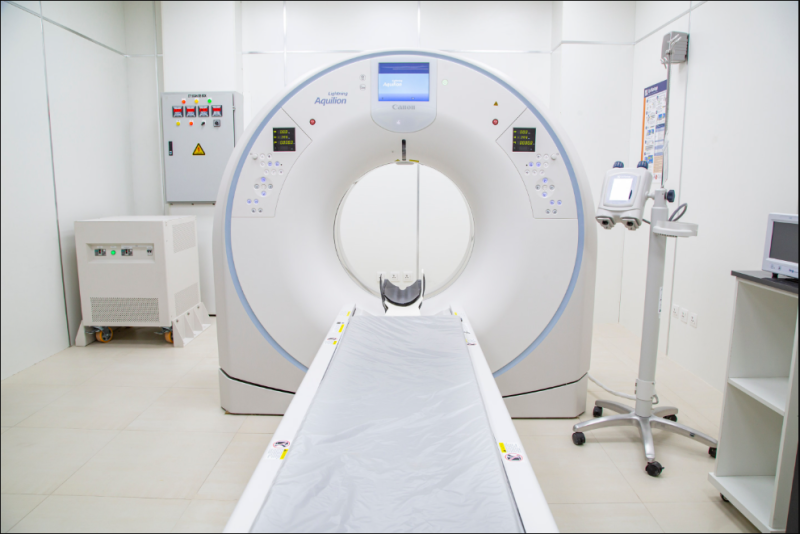
Sejong City Requests National Support for Proton Cancer Therapy Center Budget
On September 2, 2026, the Democratic Party of Korea and Sejong City held their first budget policy consultation meeting at the Sejong City Government to discuss key agenda items and budget support for the city. At the meeting, Sejong City Mayor Cho Sang-ho requested the Democratic Party's attention to several issues, including securing national funding for the construction of a cancer proton therapy center, improving the general grant system for Sejong City, and promoting the passage of the Special Act on the Administrative Capital within the year. After the closed-door consultation, a relevant spokesperson stated in a briefing that the meeting proposed allocating 300 million KRW each in the next year's national budget for a feasibility study on the construction of the cancer proton therapy center and for the formulation of the basic plan for the National Central Bioresource Center.
2026-09-02
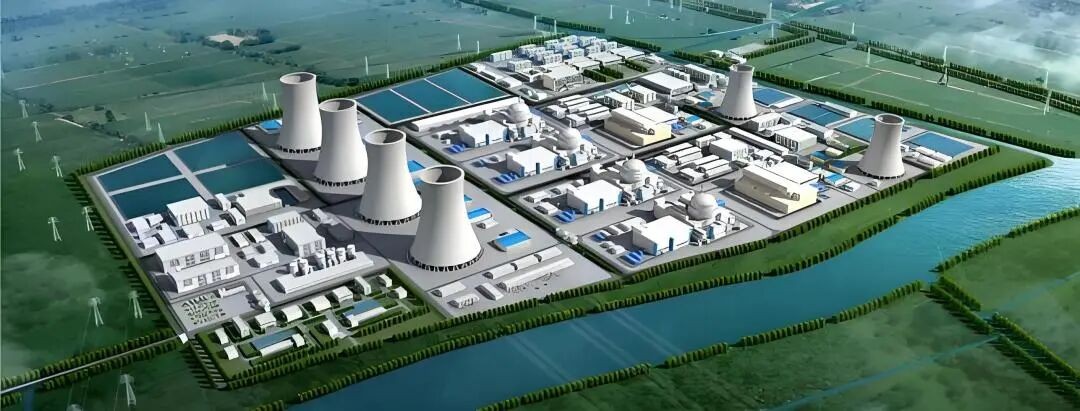
Hiconics Signs Contract for Main Helium Circulator Variable Frequency Drive Project at Xuwei Nuclear Heating and Power Generation Plant
Recently, Hiconics signed a contract for the main helium circulator variable frequency drive (VFD) project for the high-temperature gas-cooled reactor (HTGR) at the Jiangsu Xuwei Nuclear Heating and Power Plant, and will supply multiple sets of HC2000W four-quadrant water-cooled high-voltage VFDs for the project. This marks the second application of Hiconics' VFD technology in drive scenarios for key equipment related to Generation IV nuclear power, following the HTGR demonstration project at Huaneng Shandong Shidao Bay Nuclear Power Plant. The Jiangsu Xuwei Nuclear Heating and Power Generation Project is a comprehensive nuclear energy utilization project that adopts a coordinated operation model of "nuclear reactor – turbine generator unit – heating system," focusing primarily on industrial heating while also supplying electricity. Phase I of the project plans to construct two Hualong One pressurized water reactors and one HTR-PM600S high-temperature gas-cooled reactor...
2026-09-02

Concrete Placement Completed for Raft Foundation of Circulating Water Pit on North Side of 5BMX Turbine Generator Building at Fangchenggang Nuclear Power Plant
On August 30, the concrete placement for the raft foundation of the circulating water pit on the north side of the 5BMX turbine generator building at the Fangchenggang Nuclear Power Plant in Guangxi, undertaken by China Energy Engineering Group Anhui Electric Power Construction No.2 Engineering Co., Ltd., was completed. The total concrete volume placed was 796 cubic meters, with two truck-mounted concrete pumps operating simultaneously, and the work was completed in approximately 22 hours. The circulating water pit raft foundation is a key underground structure of the turbine hall. This mass concrete placement was carried out using the horizontal layered pouring method. The project department made advanced overall arrangements, refined the construction plan, and organized safety and technical briefings for construction. During the placement, project personnel performed their respective duties with coordinated collaboration, efficiently advancing concrete transport, placement, vibration, surface finishing, curing, and other tasks. Dedicated personnel were assigned for on-site supervision to strictly control key parameters such as pouring speed, vibration depth, and slump, and to rigorously implement safety and quality control measures, ensuring the entire construction process was safe, controllable, and quality-compliant. Ultimately, this critical civil construction milestone was successfully completed, laying a solid foundation for the subsequent circulating water system construction and the overall structural construction of the turbine hall.
2026-09-02
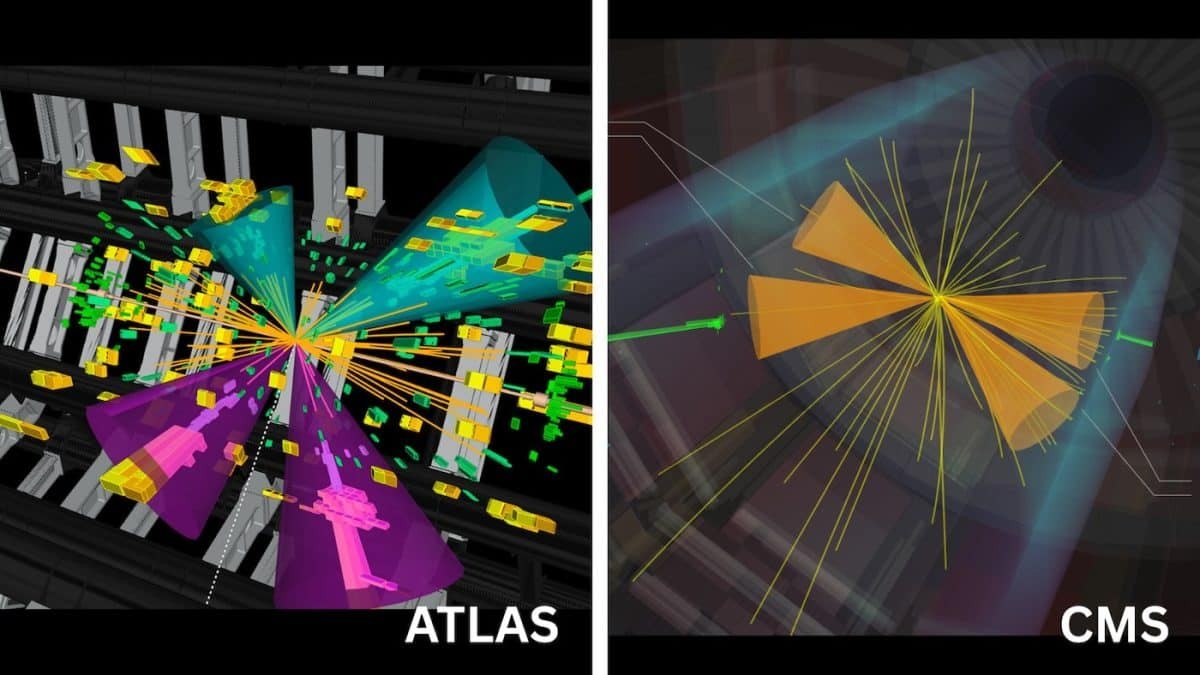
CERN Finds Statistical Hints of Higgs Boson Pair Production
Physics teams at CERN have recently found statistical hints of Higgs boson pair production in data analysis from the Large Hadron Collider. Researchers analyzed millions of collision results over eight years at the collider, with the findings presented at the ICHEP conference and published as two preprints. The figure shows schematic diagrams of events involving the production of two Higgs bosons as observed by ATLAS (left) and CMS (right) CERN The Higgs boson was discovered in 2012, and since then physicists have continuously measured its interactions with other elementary particles to test the Standard Model's explanation of the origin of mass. However, the self-interaction of the Higgs boson has not yet been directly observed.
2026-09-02