
Search Results
Keyword:Japan
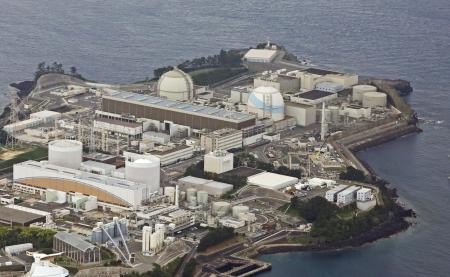
Unit 4 of Japan's Genkai Nuclear Power Plant Receives 72 New Fuel Assemblies
Kyushu Electric Power Co. announced on September 1, 2026, that Unit 4 of the Genkai Nuclear Power Plant has completed the receipt of a batch of new fuel. The new fuel was processed and shipped by Mitsubishi Nuclear Fuel Co., Ltd., with transportation carried out from August 27 to September 1, 2026. According to Kyushu Electric Power, the new fuel delivered to Unit 4 of the Genkai Nuclear Power Plant consists of 72 fuel assemblies, transported in 36 shipping containers via both land and sea routes. Two control rod assemblies were also transported along with this batch of fuel. Fuel used in nuclear power plants...
2026-09-02
Japan Approves Adjusted Tsunami Height Assessment for Genkai Nuclear Power Plant
At its regular meeting held on September 2, Japan's Nuclear Regulation Authority (NRA) formally approved Kyushu Electric Power Co.'s assessment of the maximum potential tsunami height at the Genkai Nuclear Power Plant site in Saga Prefecture. Under this adjustment, the maximum tsunami height on the northwest side of the Genkai plant site has been raised to 14 meters; previously, the maximum tsunami height on the north side of the site was 6 meters. The NRA determined that the ground surface on the northwest side of the Genkai plant site is covered by bedrock with an elevation of 16 meters, and therefore no additional disaster prevention measures are required even under the new tsunami height assessment. In July, the NRA had already approved the review report draft submitted by Kyushu Electric Power...
2026-09-02

Carbon Nanotubes Can "Remember" Their Initial Structure, Isotope Labeling Reveals Dynamic Growth Process
A study released on September 1 shows that carbon nanotubes can maintain their initial atomic structure in dynamically changing growth environments. The research team used digital isotope labeling technology to encode the elongation process of individual carbon nanotubes as sequences of different carbon isotope compositions, and read their growth history through Raman spectroscopy, thereby tracking the structural stability of nanotubes under conditions of temperature variation and catalyst evolution. The properties of carbon nanotubes are highly dependent on their atomic arrangement. The same material may exhibit metallic or semiconducting characteristics due to structural differences, so structural uniformity has always been a key issue for the large-scale application of carbon nanotubes. In floating catalyst chemical vapor deposition and other industrial production routes, catalyst particles experience constantly changing temperatures and gas compositions within the reactor and may undergo irreversible enlargement. Previously, direct evidence was lacking on whether individual carbon nanotubes could maintain their initial structure under such complex conditions.
2026-09-02
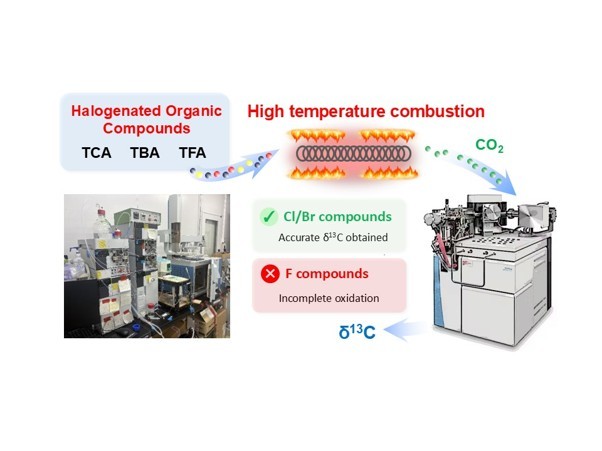
Japanese Team Develops High-Temperature, High-Pressure Isotope Ratio Analysis Method for Tracing Halogenated Pollutants
Researchers from Shibaura Institute of Technology (SIT) and the National Institute of Advanced Industrial Science and Technology (AIST) in Japan have collaboratively developed a customized high-temperature, high-pressure combustion interface for liquid chromatography-isotope ratio mass spectrometry (LC-IRMS), enabling carbon stable isotope ratio (δ¹³C) analysis of various halogenated organic compounds. The research findings were published online on August 2, 2026, and will appear in Volume 1421 of Analytica Chimica Acta, scheduled for release on November 1, 2026. Source of the new high-temperature, high-pressure LC-IRMS system: Professor Hiroto Kawashima, SIT, Japan. Halogenated organic compounds are widely present in disinfection byproducts, pesticides, refrigerants, and industrial chemicals, some of which exhibit persistence, bioaccumulation, and toxicity. Traditional environmental monitoring primarily relies on concentration measurements, which makes it difficult to directly provide information on pollutant sources and environmental transformation processes. δ¹³C analysis can offer clues for studying chemical sources, production processes, and environmental fate, but organic pollutants containing strong carbon—chlorine or carbon—fluorine bonds are difficult to fully oxidize under conventional LC-IRMS combustion conditions, limiting the application of this technique.
2026-09-02

Lightbridge Multi-Zone Fuel Element Granted Japanese Patent, Covering Fuel Assemblies and 3D Printing Manufacturing Methods
Advanced nuclear fuel technology company Lightbridge Corporation recently announced that its Japanese patent application for a multi-zone fuel element has been granted by the Japan Patent Office. The patent covers the fuel element design, fuel assemblies incorporating the design, and methods of producing the element via additive manufacturing, i.e., 3D printing. According to the disclosure, the patent involves a fuel rod composed of three layers of different materials. The thickness of the three layers can vary along the length of the fuel rod, thereby regulating fuel performance at different positions in the reactor to enhance reactor operating performance and safety margins. In addition to the fuel rod itself, the patent also covers fuel assemblies for mounting these fuel rods.
2026-09-02
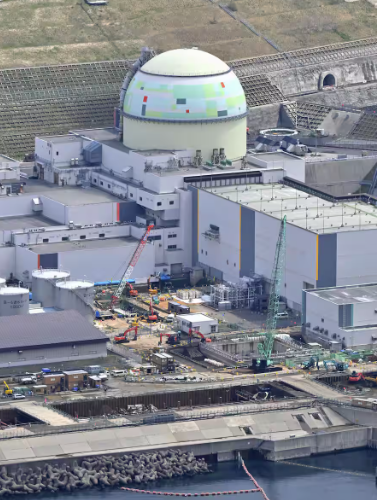
Japan's Tomari Nuclear Power Plant Plans New Low-Level Radioactive Waste Processing Facility
Hokkaido Electric Power Company (HEPCO) recently announced plans to construct a new low-level radioactive waste processing facility within the premises of the Tomari Nuclear Power Plant in Hokkaido, Japan, to handle approximately 12,000 drums of low-level radioactive waste currently stored on site. According to HEPCO, the new facility will sort waste such as paper and metal, reduce its volume through fine shredding or compression, and then solidify it by pouring mortar into the waste drums. After processing, the waste will undergo radioactivity level testing before being transported to the disposal center in Rokkasho Village, Aomori Prefecture. Previously, the Tomari plant had stored this type of waste in 200-liter drums without further processing. The proposed facility will have an annual processing capacity of over 1,000 drums, feature a three-story structure, and cover a total floor area of approximately 4,600 square meters.
2026-09-02
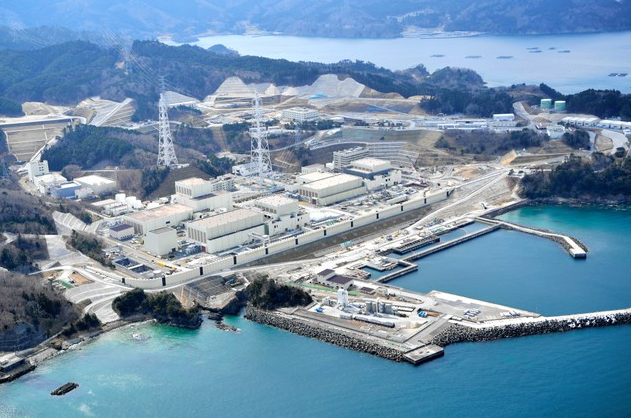
Japan's Onagawa Nuclear Power Station Unit 2 Plans to Replace Hydrogen Concentration Monitoring Equipment
Tohoku Electric Power has consulted with Miyagi Prefecture, Ishinomaki City, and Onagawa Town in advance regarding a change to the method of monitoring hydrogen concentration inside the containment vessel under severe accident conditions at Unit 2 of the Onagawa Nuclear Power Station. The company plans to submit an application to amend the reactor installation license to the Nuclear Regulation Authority (NRA) of Japan on the 2nd. Unit 2 of the Onagawa Nuclear Power Station is located in Onagawa Town and Ishinomaki City, Miyagi Prefecture. Tohoku Electric Power previously installed a total of four hydrogen concentration detectors inside and outside the reactor containment vessel of this unit, intended to monitor changes in hydrogen concentration within the containment vessel in the event of a severe accident. In 2025, some of these detectors experienced malfunctions. In the same year...
2026-09-02
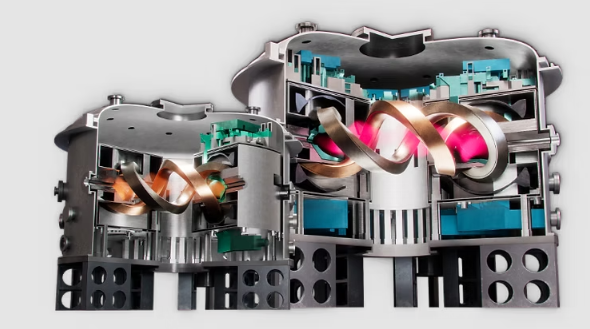
Japan's Helical Fusion Technology Selected as Candidate for METI's Fusion Demonstration Program
Helical Fusion Co., Ltd. has recently been selected as a final candidate for the fusion power demonstration project support program by Japan's Ministry of Economy, Trade and Industry (METI). The program aims to align with Japan's national fusion strategy, advancing fusion energy into the demonstration phase by the 2030s and building the technical foundation for subsequent commercialization. The left image shows Helix HARUKA, Helical Fusion's integrated demonstration device; the right image shows Helix KANATA, Helical Fusion's fusion test plant. Under the current arrangement, the program will provide approximately 60 billion yen in government funding over three years through 2028, supporting private-sector R&D across multiple fusion technology...
2026-09-01
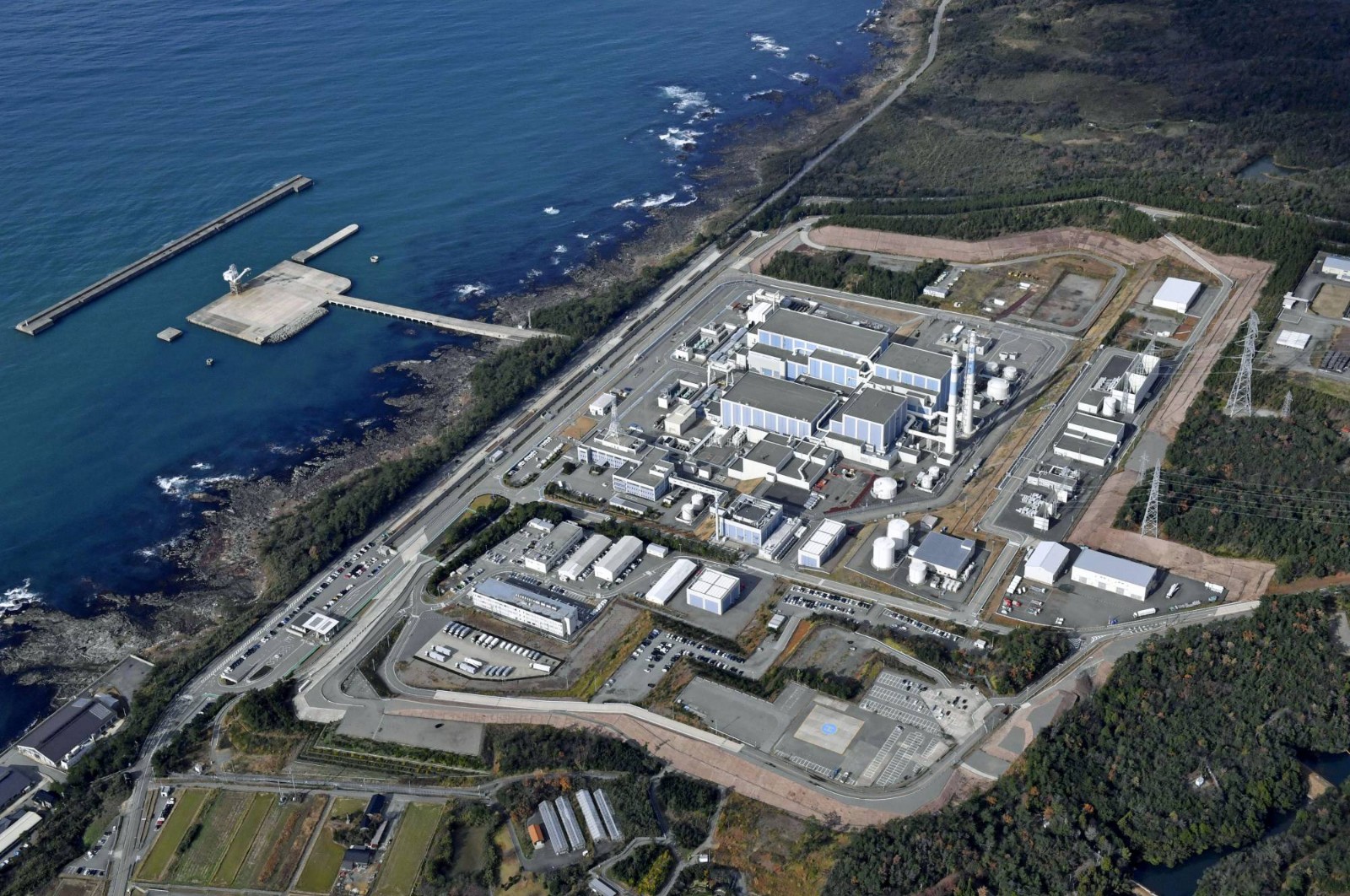
Hokuriku Electric Power Submits Revised Nuclear Disaster Prevention Business Plan for Shika Nuclear Power Station
Hokuriku Electric Power Company announced on August 31 that it has submitted revisions to the "Nuclear Operator Disaster Prevention Business Plan" for the Shika Nuclear Power Station to the Prime Minister of Japan and the Nuclear Regulation Authority for filing. The plan is formulated under Japan's Act on Special Measures Concerning Nuclear Emergency Preparedness, and primarily stipulates the operations required of nuclear power stations in nuclear disaster prevention, emergency response, post-nuclear-disaster response, as well as preventing the occurrence and escalation of nuclear disasters and promoting recovery efforts. Hokuriku Electric Power stated that consultations with Ishikawa Prefecture, Shika Town, and Toyama Prefecture have been completed for this revision. Under relevant Japanese laws and regulations, nuclear power...
2026-09-01
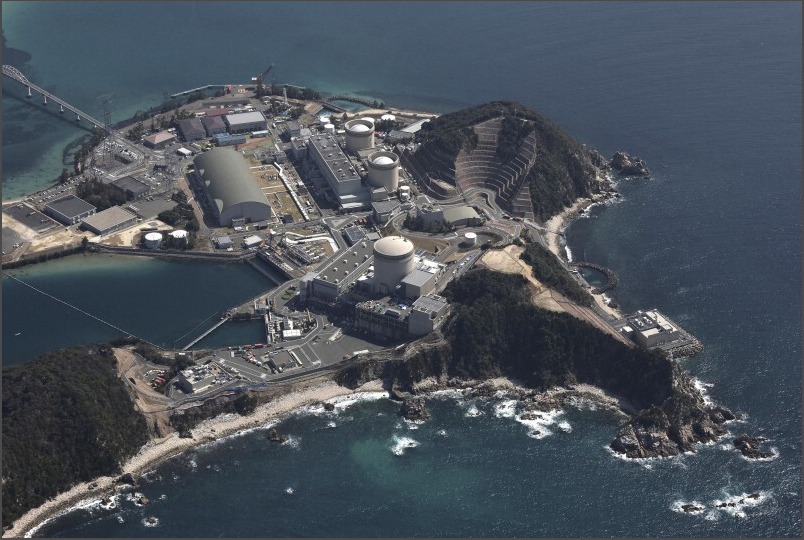
Japan's Mihama Nuclear Power Station Unit 3 Plans Grid Connection on September 15
Kansai Electric Power announced on September 1, 2026, that work related to the periodic inspection of Unit 3 at Japan's Mihama Nuclear Power Station is progressing as planned. Based on the progress of the inspection and the status of corrective measures for the steam leakage issue in the high-pressure turbine, the unit is scheduled to be connected to the grid on September 15. Unit 3 of Mihama Nuclear Power Station is a pressurized water reactor unit with a rated electrical output of 826 MW and a rated thermal output of 2,440 MW. On May 8 this year, the unit underwent a manual reactor shutdown after steam leakage was confirmed in the high-pressure turbine. From June 16, the unit entered its 29th periodic inspection. Kansai Electric Power stated that, in response to the steam leakage in the high-pressure turbine, the upper cylinder sealing cover has been replaced based on the results of the cause investigation, and multiple measures such as the development of relevant guidelines are being advanced.
2026-09-01
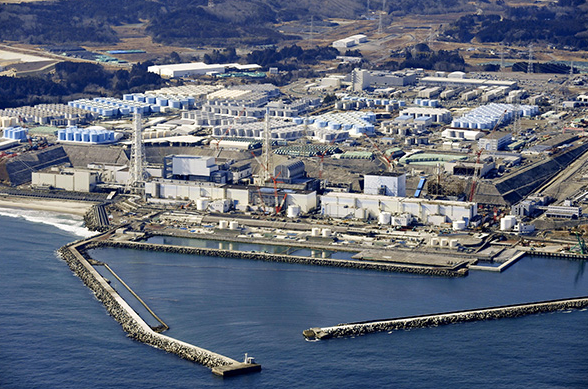
Japan Plans to Introduce Physical AI into Fukushima Daiichi Nuclear Power Station Decommissioning
The Japanese government and Tokyo Electric Power Company (TEPCO) are preparing to introduce Physical AI technology into the decommissioning operations at the Fukushima Daiichi Nuclear Power Station to enhance the autonomous operational capabilities of robots in high-radiation environments. This technology enables artificial intelligence to autonomously control robots based on on-site conditions, performing tasks such as inspection, data collection, and cleanup. To advance this effort, an advisory organization involving the government, businesses, universities, and research institutions is planned to be established within the year, with discussions centered on technology development, equipment application, and on-site verification. The organization is expected to be led by relevant government ministries and TEPCO, and will include AI startups, robot manufacturers, and university researchers.
2026-09-01
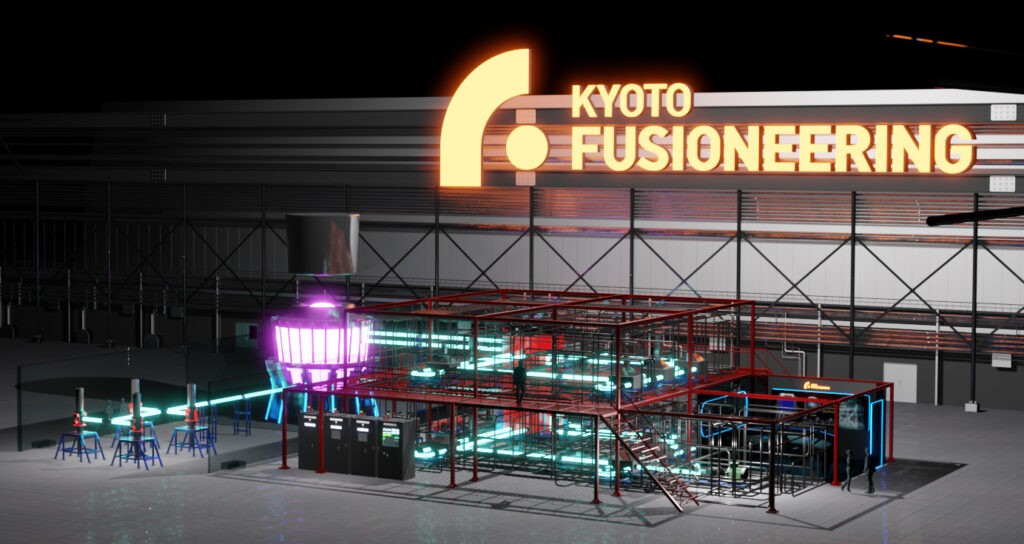
Japan's Kyoto Fusioneering Secures Series D Funding Led by Korea-Japan Fusion Fund
IMM Investment Japan (IMMJ) announced on September 1 that it has led the Series D funding round for Kyoto Fusioneering, a Japanese fusion energy company. The investment was made through the Korea-Japan Fusion Fund, established jointly by Korean and Japanese investors. The fund, initiated by IMMJ, is positioned as a cross-border project fund designed to connect the capital and industrial networks of major Korean corporations with Japan's cutting-edge technology companies. Investors participating in the fund include POSCO Holdings, POSCO International, Doosan, Hyundai Motor, and GS...
2026-09-01
Kansai Electric Power Applies to Build Dry Cask Storage Facilities for Spent Fuel
Kansai Electric Power Company (KEPCO) announced on August 31 that it has submitted an application to Japan's Nuclear Regulation Authority (NRA) seeking approval for the design and construction plans of dry cask storage facilities for spent fuel at its Mihama and Takahama nuclear power plants in Fukui Prefecture. The company plans to begin construction in 2027 and aims to complete the facilities by 2029. This application covers the first-phase construction at the Mihama and Takahama nuclear power plants. KEPCO had previously planned to build a total of four dry cask storage facilities for spent fuel at three nuclear power plants within Fukui Prefecture, including the Mihama, Takahama, and Ohi nuclear power plants. Currently, the related project at the Ohi nuclear power plant and the second-phase construction at the Takahama nuclear power plant remain...
2026-09-01
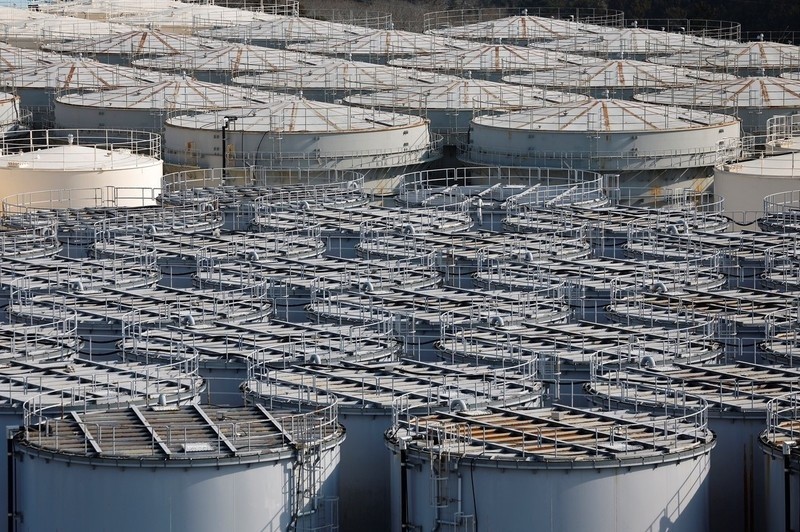
Fukushima Daiichi Nuclear Power Station begins 23rd discharge of treated nuclear-contaminated water
At 11:29 on August 31, Fukushima Daiichi Nuclear Power Station began its fifth discharge of treated nuclear-contaminated water in fiscal year 2026 and the 23rd overall. The operation is scheduled to last 19 days, concluding on September 18, with an estimated discharge of approximately 7,800 tonnes of nuclear-contaminated water diluted with seawater, equivalent to the capacity of about 8 storage tanks. The total tritium content is estimated at approximately 1.2 trillion becquerels. The reactors of Units 1 to 3 at Fukushima Daiichi still contain nuclear fuel that melted and solidified during the accident, known as fuel debris. Groundwater and rainwater that come into contact with this fuel debris form contaminated water. Since the discharge of treated nuclear-contaminated water began in August 2023, Fukushima Daiichi has cumulatively released approximately 173,000 tonnes, equivalent to about 173 storage tanks' capacity.
2026-09-01
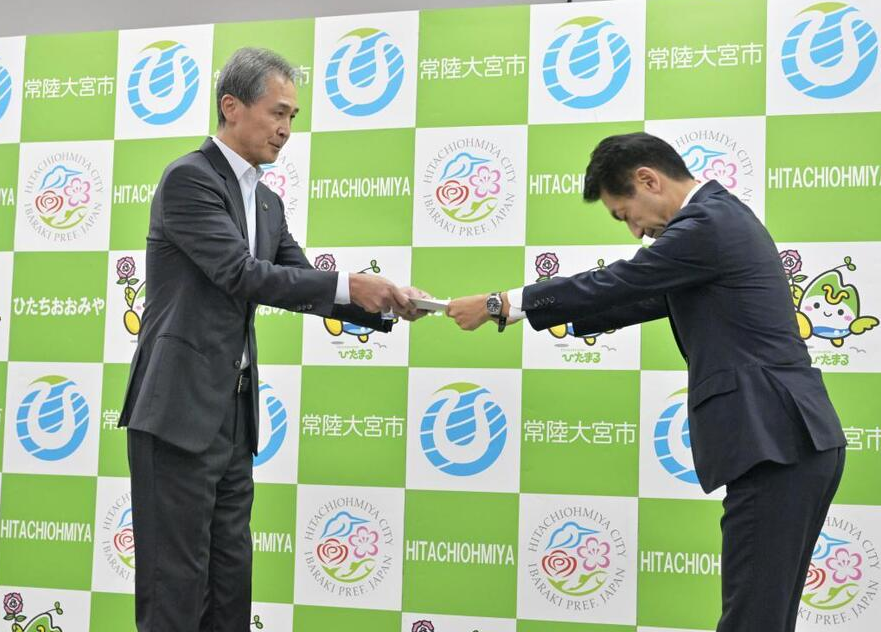
Japan Requests Hitachiomiya City in Ibaraki Prefecture to Conduct Literature Survey for High-Level Radioactive Waste Disposal Site
Japan's Ministry of Economy, Trade and Industry (METI) on August 31 requested Hitachiomiya City in Ibaraki Prefecture to conduct a literature survey, as the first step in siting a final disposal facility for high-level radioactive waste generated from nuclear power plant operations. If Hitachiomiya City agrees, it will become the fifth municipality in Japan to accept such a literature survey, and the second time the Japanese government has proactively requested a survey from a local government, following Minamitorishima in Ogasawara Village, Tokyo. On the same day, Takashi Kume, Vice Commissioner of Japan's Agency for Natural Resources and Energy, visited the Hitachiomiya City government and submitted the survey request to Mayor Sadanori Suzuki. Suzuki stated that he personally takes a positive stance toward accepting the literature survey, and noted that the city faces issues such as rapid population decline and a weak local economy, adding that if the area has favorable geological conditions, participating in the national geological disposal policy would be of "significant importance." He said he would make a decision after hearing the views of the city assembly, with the matter possibly being discussed at the regular assembly meeting as early as September.
2026-09-01