
Search Results
Keyword:Japan
Fukui Prefecture in Japan Aims to Promote Local Utilization of Nuclear Power
On the 27th, Fukui Prefecture in Japan held a co-creation meeting to exchange views on development measures for areas hosting nuclear power plants. The meeting confirmed a new policy aimed at promoting the local use of electricity generated by nuclear plants to drive related industrial development, including attracting large-scale data centers and other high-power-consuming businesses. Fukui Prefecture has held co-creation meetings for the past five consecutive years, with participants including the Fukui Prefectural Government, local governments in areas within the prefecture hosting nuclear plants, Japan's central government, and representatives of electric power companies. The meeting focused on how to combine the stable power supply and carbon-dioxide-free operation of nuclear plants with regional industrial revitalization...
2026-08-28
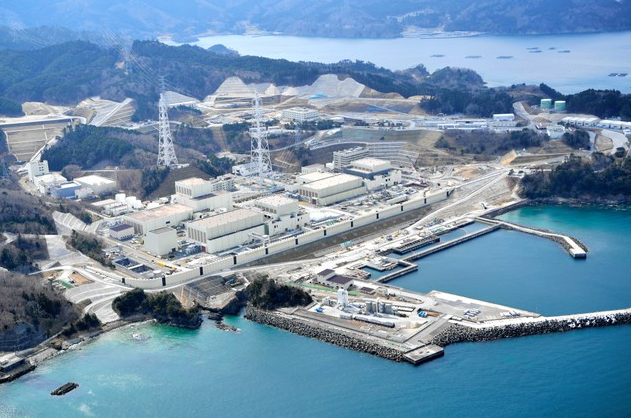
Japan Extends Deadline for Anti-Terrorism Facility Construction at Onagawa Nuclear Power Plant Unit 2
The Nuclear Regulation Authority (NRA) of Japan has officially decided to revise relevant regulations to extend the deadline for installing anti-terrorism facilities, specifically "facilities for responding to specified severe accidents," at nuclear power plants. Under the new rules, the deadline will be adjusted from "within five years after the construction plan is approved" to "within five years after the start of commercial operation." The revised regulations are expected to take effect in September. This change will affect Tohoku Electric Power's Onagawa Nuclear Power Plant Unit 2. The unit, which had faced the possibility of shutdown by December 2026 due to difficulties in completing the required facilities by then, will now be able to continue operating beyond that date. Tohoku Electric Power...
2026-08-28
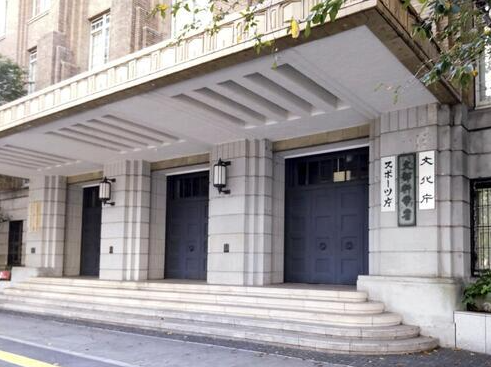
Japan to Build Fusion Tritium Fuel Research Base in Aomori Prefecture
Japan's Ministry of Education, Culture, Sports, Science and Technology (MEXT) has decided to establish a new fusion power generation research base in Aomori Prefecture, focusing on tritium fuel handling technology. The base will target the development needs of fusion demonstration projects in the 2030s, promoting joint research and development among industry, government, and academia. MEXT plans to include approximately 100 billion yen in fusion development-related funding in its budget request for the next fiscal year. Fusion power generation releases energy through the fusion reaction of deuterium and tritium nuclei, a principle similar to the energy generation process inside the sun. Unlike traditional nuclear power that relies on nuclear fission chain reactions, fusion reactions carry a lower risk of runaway, leading many countries to view it as an important direction for future energy technology...
2026-08-28
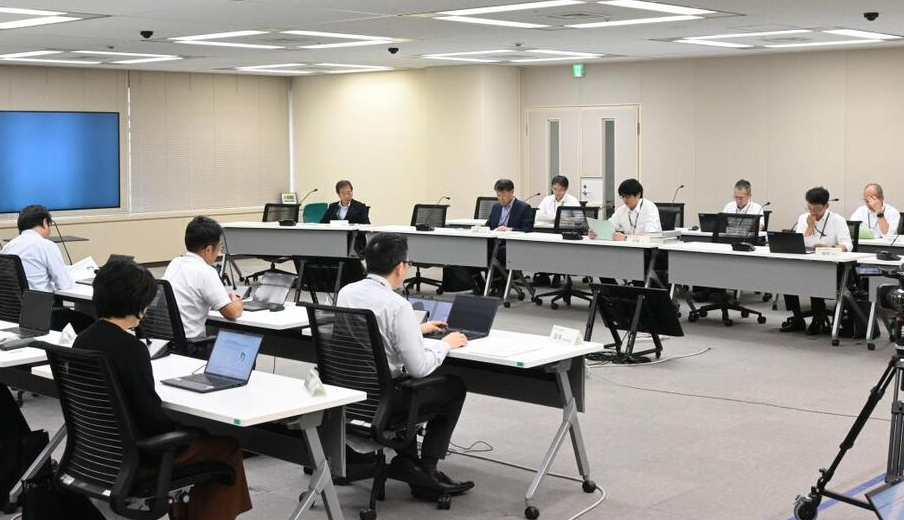
Japan's Tokai No. 2 Nuclear Power Plant Seawall Reinforcement Plan Receives Basic Approval
Japan's Nuclear Regulation Authority (NRA) held a review meeting on the 27th local time and basically approved the seawall structural modification plan for the Tokai No. 2 Nuclear Power Plant submitted by Japan Atomic Power Company (JAPC). The plant is located in Tokai Village, Ibaraki Prefecture, Japan, and the relevant seawall is an important component of the safety measures required for restart, with foundation defects having been discovered during construction. According to JAPC's explanation, the modification plan does not remove the underground foundation where defects were found, but instead adds pile foundations around it and uses cement-based materials to reinforce the ground. Regarding this plan, JAPC submitted an assessment of the seawall's seismic and tsunami resistance performance after modification, concluding that the structurally adjusted seawall can still fulfill the functions required of a tsunami protection facility.
2026-08-28
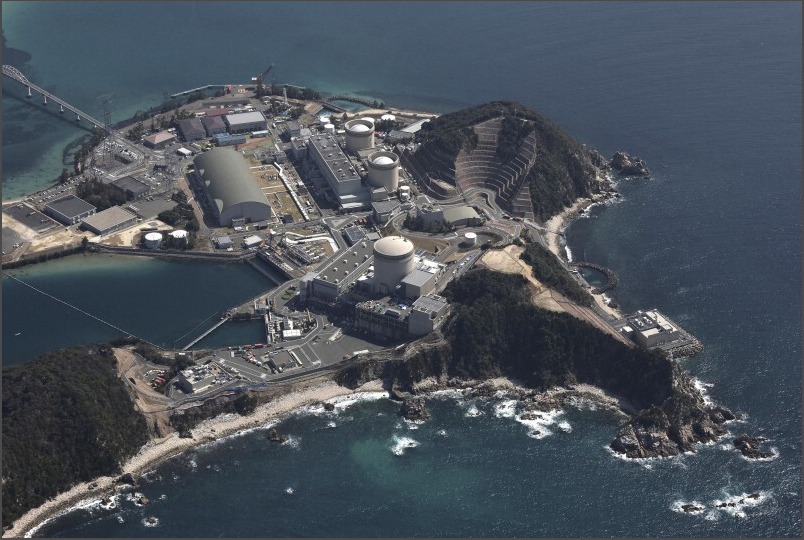
Kansai Electric Power Revises Nuclear Emergency Disaster Prevention Business Plans for Three Nuclear Power Plants
Kansai Electric Power Co., Inc. announced on August 27 that it has revised the nuclear operator disaster prevention business plans for the Mihama, Takahama, and Oi nuclear power plants in accordance with Japan's Act on Special Measures Concerning Nuclear Emergency Preparedness, and filed them with the Prime Minister and the Nuclear Regulation Authority on the same day. The revisions pertain to nuclear emergency disaster prevention arrangements at the three nuclear power plants. Kansai Electric Power stated that it will continue to ensure the safety of the nuclear power plants and enhance nuclear emergency disaster prevention measures in accordance with the relevant plans. According to the documents, the consultation period prior to the revisions was from May 13 to July 30, 2026, totaling 79 days. The consultation parties included the local governments where the nuclear power plants are located and related neighboring local governments.
2026-08-27
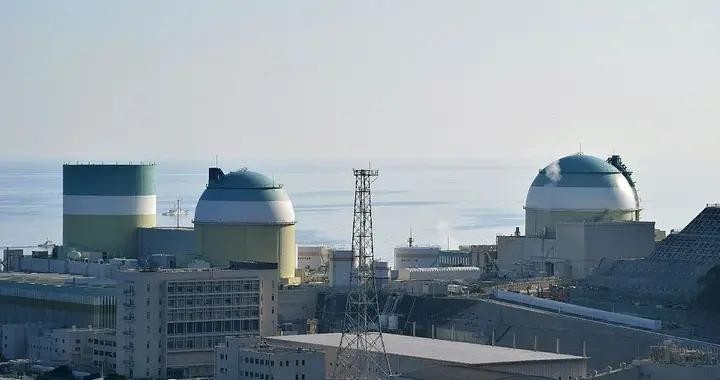
Ikata Nuclear Power Station Unit 3 in Japan briefly deviated from operational limits due to abnormal signals in protection system instrumentation
Shikoku Electric Power Co. reported on August 27 that abnormal signals from safety protection system instrumentation appeared in the central control room of Ikata Nuclear Power Station Unit 3, which was in normal operation, indicating that one channel of the overtemperature ΔT related instrumentation was unreliable. The operator determined at 22:10 on August 26 that the unit had deviated from the operational limits stipulated in the Reactor Facility Security Regulations. On-site confirmation showed that the unreliable signal originated from 1 of the 4 channels of the overtemperature ΔT protection function. Overtemperature ΔT is one of the reactor automatic trip elements, used to protect in-core fuel; its limit value is calculated based on parameters such as reactor power, pressurizer pressure, and...
2026-08-27
Japan's Helical Fusion and Tohoku University Launch Social Communication Research on Fusion Energy
Helical Fusion recently announced that it has launched a joint research project with the Takahashi-Kariwara Laboratory of the Graduate School of Engineering at Tohoku University in August 2026, focusing on ideal communication methods for the social implementation of fusion energy. The project is planned to last approximately one year, with a focus on exploring the communication methods, dialogue mechanisms, and decision-making pathways required for fusion energy to move toward social application. According to the project plan, both parties will examine cases of existing advanced technologies in areas such as social acceptance and risk perception to study communication strategies needed for the stable application of fusion energy in future society. The research also plans to introduce...
2026-08-27
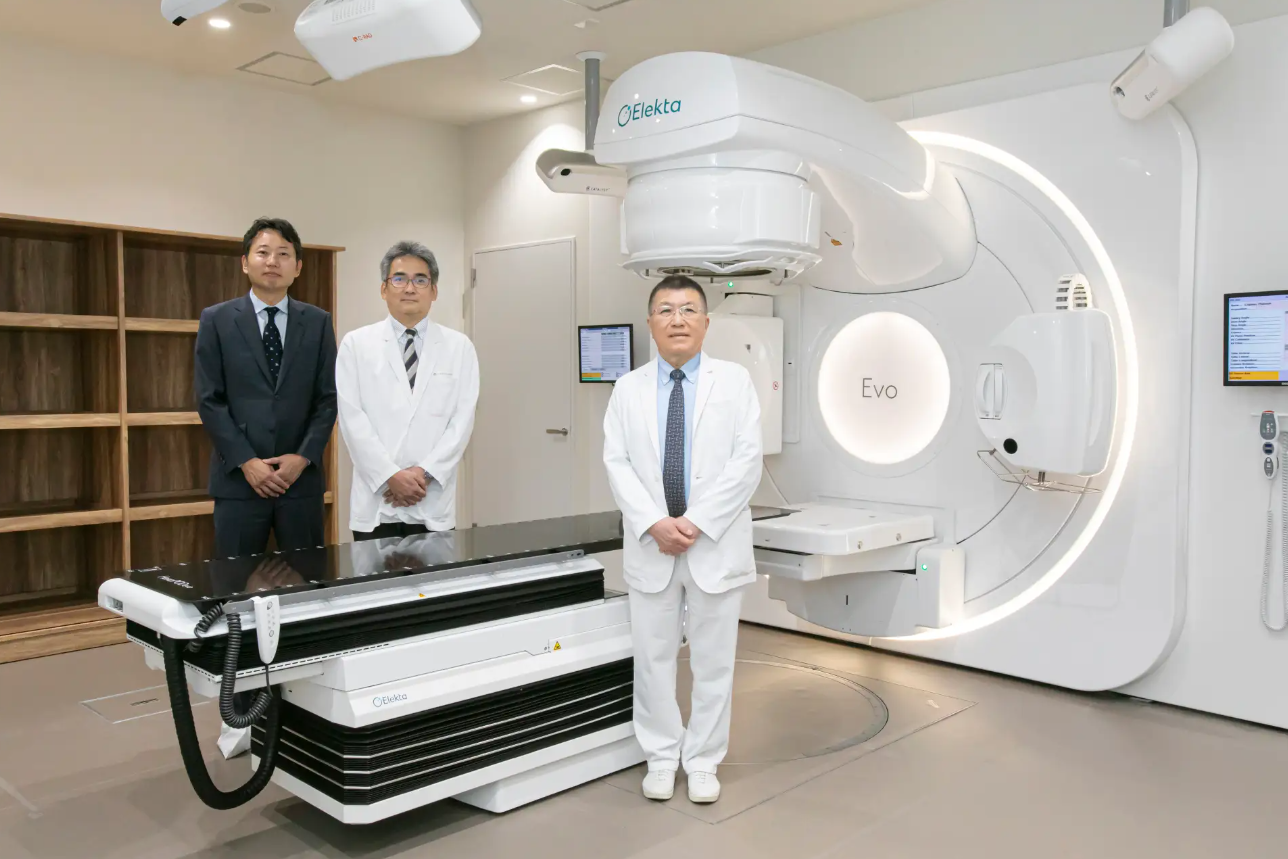
Hyogo Medical University Hospital to Launch Japan's First Elekta Evo Linear Accelerator System Treatments
Elekta K.K. announced on August 27 that its high-precision radiation therapy device, the Elekta Evo linear accelerator system, will be installed for the first time in Japan at Hyogo Medical University Hospital, with the first treatment scheduled to commence on September 24, 2026. This marks the entry of this next-generation radiation therapy system into clinical application in Japan. As the number of cancer patients increases, the demand for personalized and precise treatment in the field of radiation therapy continues to rise. The Elekta Evo is positioned as a next-generation radiation therapy system capable of covering both routine and more complex cancer treatment scenarios. The system is equipped with Iris, an AI-driven high-definition imaging technology, which enables clearer visualization of the positional relationships between organs in the patient's body...
2026-08-27
Tohoku University and Rigaku Establish Joint Research Institute for X-ray Metrology
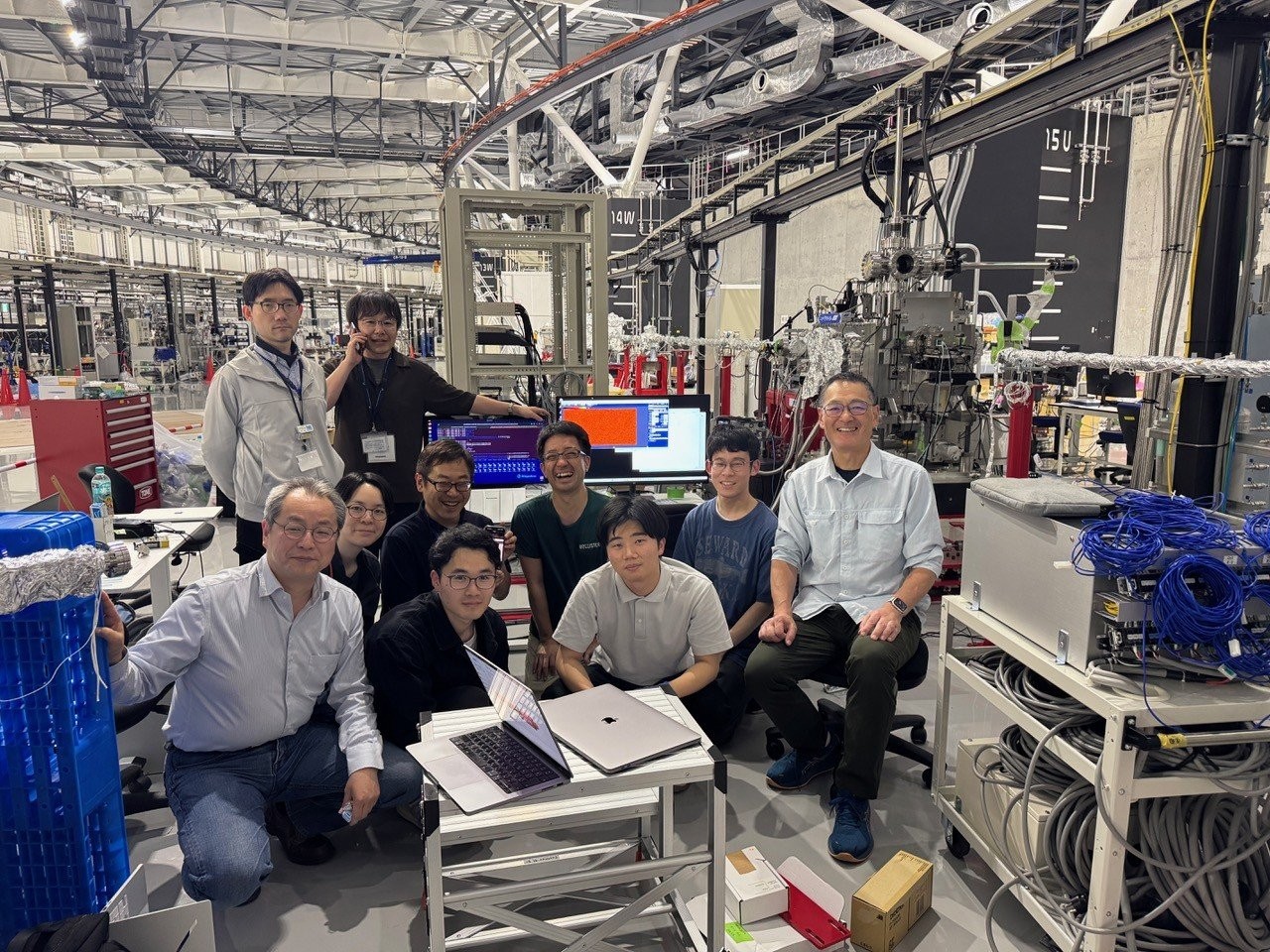
Tohoku University and Rigaku Corporation, a subsidiary of Rigaku Holdings Group, recently announced that they established the "Rigaku-Tohoku University X-ray Metrology Co-Creation Research Institute Beyond The Limits" on August 1, 2026, and commenced joint research. The institute will operate for a period of three years, until July 31, 2029, with the possibility of extension based on research outcomes. According to the announcement, the new institute will focus on upgrading X-ray metrology technologies, establishing new measurement methods, and nurturing the next generation of researchers. As semiconductor devices continue to shrink in size while becoming increasingly multi-layered and multi-material in composition, manufacturing processes are growing more complex, driving rising demand for high-precision, non-destructive evaluation of materials and structures. Existing measurement methods face limitations in evaluating fine structures and precisely analyzing depth-direction structures, making the development of new approaches such as soft X-ray techniques an important direction.
2026-08-27

South Korea's POSCO Group Invests in Japanese Fusion Company Kyoto Fusion Engineering
South Korea's POSCO Group has invested in Japanese fusion energy company Kyoto Fusion Engineering (KF) to establish an early presence in the global fusion energy market and explore new business opportunities in future steel, specialty materials, and energy infrastructure. According to industry sources on the 27th, POSCO Group participated in Kyoto Fusion Engineering's Series D funding round. The investment was made through the Korea-Japan Fusion Fund, established by IMM Investment Japan (IMMJ) together with Korean and Japanese investors. POSCO Holdings and POSCO International also contributed to the fund...
2026-08-27
Japan to Allocate Funds to Accelerate Preparations for Next-Generation Nuclear Reactor Reviews
The Nuclear Regulation Authority (NRA) of Japan has decided to include funding in its budget request for the next fiscal year to investigate the effectiveness of safety measures for next-generation nuclear reactors and to make advance preparations for future review work. The Japanese government is promoting the development of next-generation nuclear reactors, including innovative light-water reactors that enhance safety design based on existing light-water reactor technology. Since November last year, Kansai Electric Power Co. has been conducting geological surveys at the Mihama Nuclear Power Station in Fukui Prefecture as part of preliminary preparations for potentially replacing existing units with next-generation reactors in the future. It has been reported that the NRA plans to include in its budget request for the next fiscal year...
2026-08-27
TEPCO replaces faulty motor of robotic arm at Fukushima Daiichi Unit 2
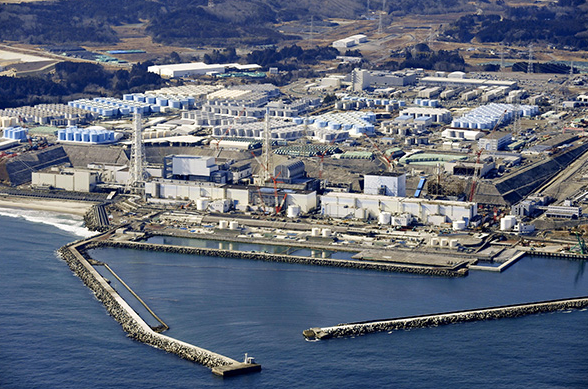
Tokyo Electric Power Company (TEPCO) began replacing the faulty motor of the robotic arm used for fuel debris retrieval trials at Unit 2 of the Fukushima Daiichi Nuclear Power Station on August 26. The robotic arm, approximately 22 meters long, is planned for use in the third fuel debris retrieval trial. During a previous operational inspection inside the reactor building of Unit 2, TEPCO found that the motor driving the robotic arm had malfunctioned, preventing the brake from releasing and the arm from extending. As the robotic arm is already installed on site, workers will enter the "front chamber" in front of the containment vessel to perform the replacement manually. The company stated that radiation levels in the work area will be strictly controlled to prevent workers from receiving excessive exposure. After this replacement, TEPCO will...
2026-08-27
Japan Extends Deadline for Mandatory Anti-Terrorism Facility Installation at Nuclear Power Plants
The Nuclear Regulation Authority (NRA) of Japan formally decided at its regular meeting on August 26 to revise relevant regulations, extending the deadline for the mandatory installation of anti-terrorism facilities at nuclear power plants. The revised system is expected to be implemented in September. Under Japan's current regulatory requirements, nuclear power plants must be equipped with "specified severe accident response facilities" to address serious accidents that could potentially be triggered by extreme scenarios such as terrorist attacks. This revision shifts the starting point of the 5-year grace period from the date of approval of the detailed design and construction plan for the nuclear power plant to the date the plant officially commences commercial operation. This adjustment effectively relaxes the installation deadline requirements. The new rules will apply to nuclear power units that have not yet reached their installation deadlines. East...
2026-08-27
Chubu Electric Power Suspected of Falsifying Decommissioning Progress at Hamaoka Nuclear Power Plant
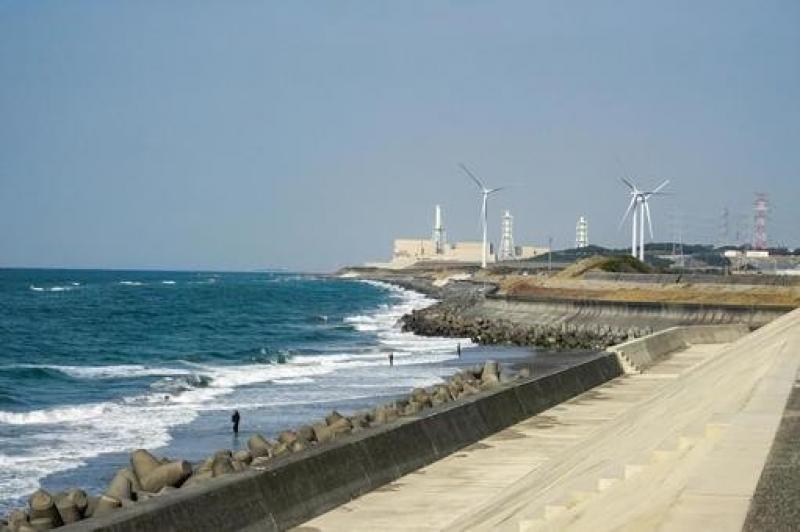
According to disclosures, Japan's Chubu Electric Power Company (CEPCO) is suspected of submitting improper reports to the Japan Spent Fuel Reprocessing and Decommissioning Promotion Organization (NuRO), which manages decommissioning funds, during the cost declaration process for the decommissioning of Units 1 and 2 at the Hamaoka Nuclear Power Plant, overstating project progress and settling related costs accordingly. The Hamaoka Nuclear Power Plant is located in Omaezaki City, Shizuoka Prefecture, Japan. Chubu Electric Power decided to shut down Units 1 and 2 of the plant in 2008, with related decommissioning work commencing in 2009. Sources say that when declaring decommissioning project costs, the company is suspected of reporting project progress as faster than actual conditions and using inaccurate data in documents submitted to the fund management organization...
2026-08-27
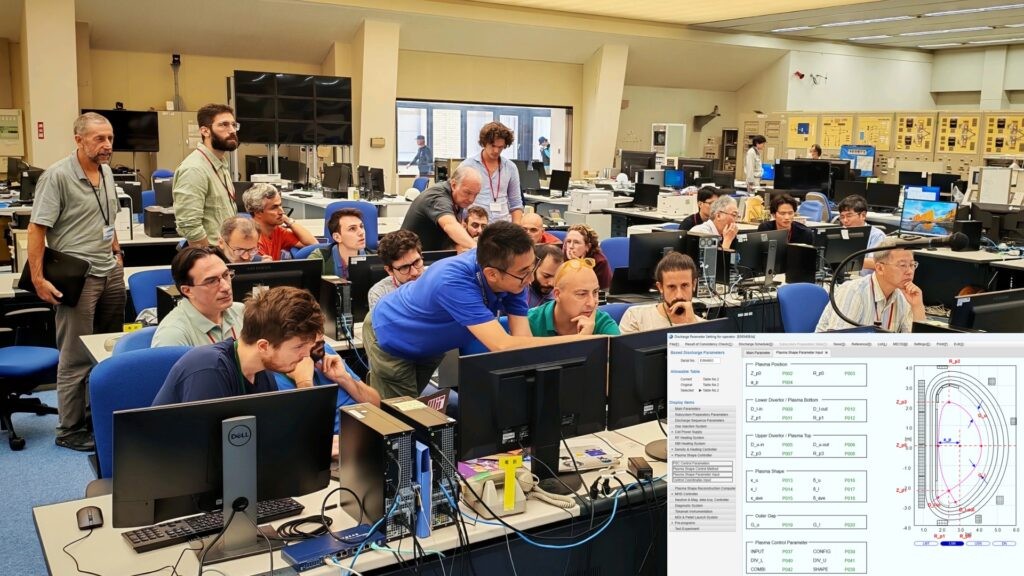
Japan's JT-60SA Experimental Team Advances Preparations for Next Operation Phase
Preparations for the next phase of JT-60SA experimental activities are underway. The technical team is carrying out integrated commissioning as planned, while the experimental team is simultaneously refining related tools and software to enhance scientific output capabilities for the next operation phase. During a training course organized by QST, EUROfusion participants are learning how to configure discharge settings using the Human-Machine Interface (HMI) in preparation for the next JT-60SA campaign. Image credit: QST. The Third JT-60SA Experimental Team Workshop was held from July 27 to 31, 2026, at the Naka Institute of the National Institutes for Quantum Science and Technology (QST) in Japan. Approximately 50 experts attended, including 20 representatives from Europe...
2026-08-26