
Search Results
Keyword:Lu-177
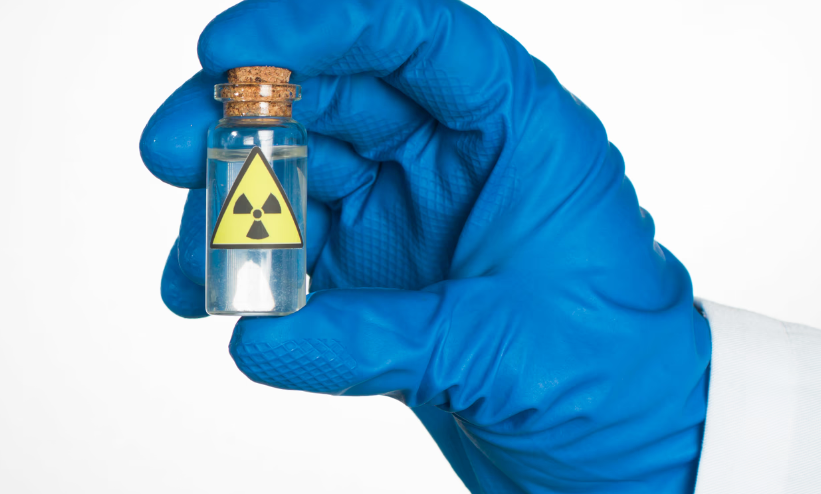
Prostate cancer becomes most common cancer among men in South Korea, Lu-177 PSMA therapy reaches cumulative 200 procedures
Prostate cancer incidence in South Korea has continued to rise, making it the most common cancer among men in the country. Meanwhile, a novel nuclear medicine treatment for metastatic prostate cancer—Lutetium-177 (Lu-177) prostate-specific membrane antigen (PSMA) radioligand therapy—is accumulating more clinical cases. Seoul St. Mary's Hospital Uro-Oncology Center stated on September 1 that since performing South Korea's first Lu-177 PSMA treatment on November 2, 2020, the center had administered a cumulative total of 200 such treatments to 84 patients with metastatic prostate cancer as of the 21st of last month. Metastatic castration-resistant prostate cancer refers to a state in which prostate cancer continues to progress despite androgen suppression therapy. As the disease advances, patients have fewer treatment options and a worse prognosis, making it essential to select appropriate treatment modalities and sequencing based on prior treatment history and physical condition.
2026-09-02
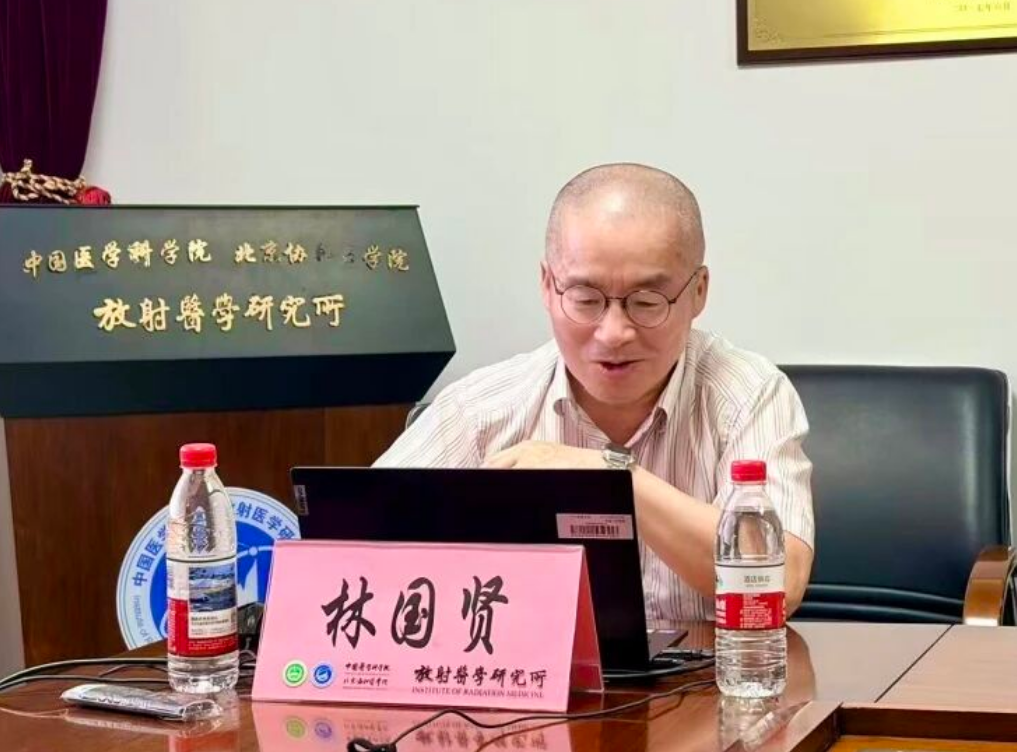
Professor Lin Guoxian from the BC Cancer Agency Delivers Academic Exchange at the Institute of Radiation Medicine, Chinese Academy of Medical Sciences
Lin Guoxian: Professor at the BC Cancer Agency, whose research focuses on the development of targeted radiopharmaceuticals for the diagnosis and treatment of various tumors. To date, he has led/participated in the publication of over 135 peer-reviewed journal articles, filed more than 30 patent applications related to radiopharmaceuticals, and completed the clinical translation of 7 self-developed radiopharmaceuticals for the diagnosis and treatment of multiple tumor types. During the seminar, Professor Lin Guoxian, based on his team's years of frontier exploration, systematically reviewed the research progress of nuclear drugs targeting PSMA for prostate cancer: first, the molecular design and clinical advantages of F-18 labeled PSMA-targeted PET imaging agents; second, the substantial improvement of tumor targeting of Lu-177 labeled therapeutic radiopharmaceuticals through rational optimization of molecular structures,...
2026-08-07
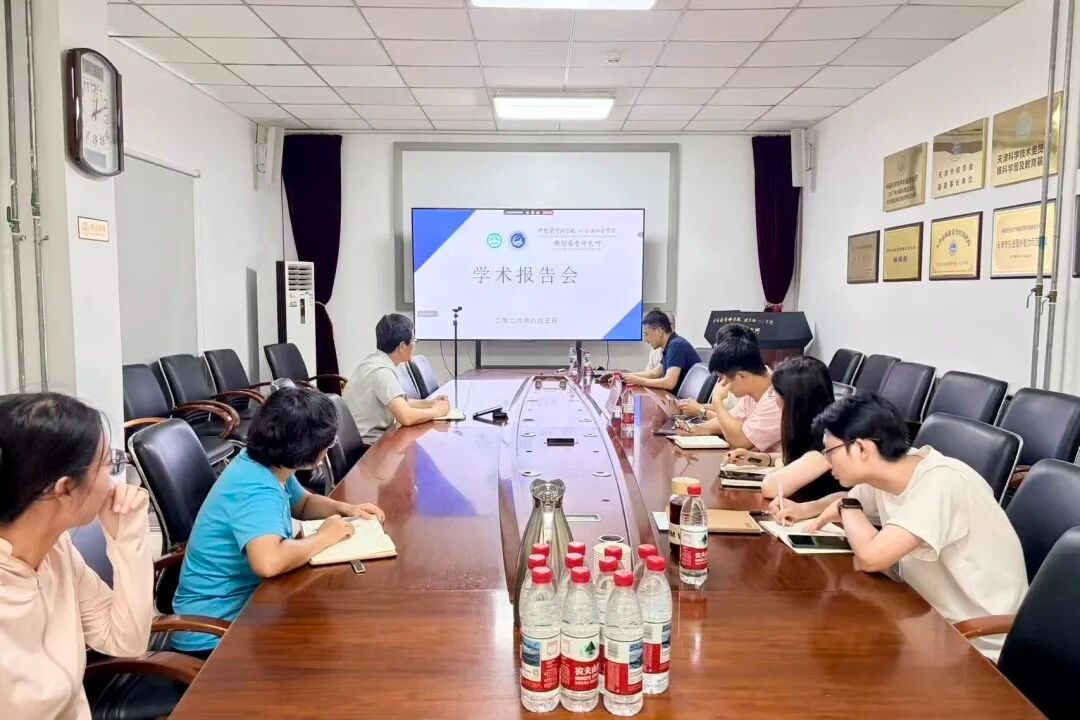
Institute of Radiation Medicine, Chinese Academy of Medical Sciences Hosts Academic Seminar on PSMA-Targeted Radiopharmaceuticals
On August 3, the Institute of Radiation Medicine, Chinese Academy of Medical Sciences held an academic seminar, inviting Professor Lin Guoxian from the BC Cancer Agency in Vancouver, Canada, to deliver a lecture titled "Development of Prostate-Specific Membrane Antigen-Targeted Radiopharmaceuticals for the Diagnosis and Treatment of Prostate Cancer." The seminar was held in a hybrid format, with some researchers and graduate students from the institute attending in person. Professor Lin Guoxian has long been engaged in the development of targeted radiopharmaceuticals for cancer diagnosis and therapy, having led or contributed to the publication of over 135 peer-reviewed journal articles, filed more than 30 patent applications related to radiopharmaceuticals, and completed clinical translation of 7 self-developed radiopharmaceuticals applied in...
2026-08-07

South Korea Advances First Domestic Commercial Production of Lu-177 Using Wolsong Heavy Water Reactors
Korea Hydro & Nuclear Power (KHNP) plans to use the heavy water reactors at the Wolsong Nuclear Power Plant to produce, for the first time domestically, the radioisotope lutetium-177 (Lu-177) for cancer treatment. Currently, South Korea relies entirely on imports for this material, which imposes cost pressures and supply instability on local radiopharmaceutical companies such as Cellbion and FutureChem. Industry experts generally believe that domestic production will help build a diversified supply chain and shorten transportation times. The primary goal of this plan is to achieve commercial production of Lu-177, with pilot production expected in 2028 and full-scale production commencing in 2031. Subsequently, KHNP will expand production to include cobalt...
2026-08-06