
Search Results
Keyword:NASA
NASA Seeks Proposals for Radioisotope Power and Other Technologies for Lunar Missions
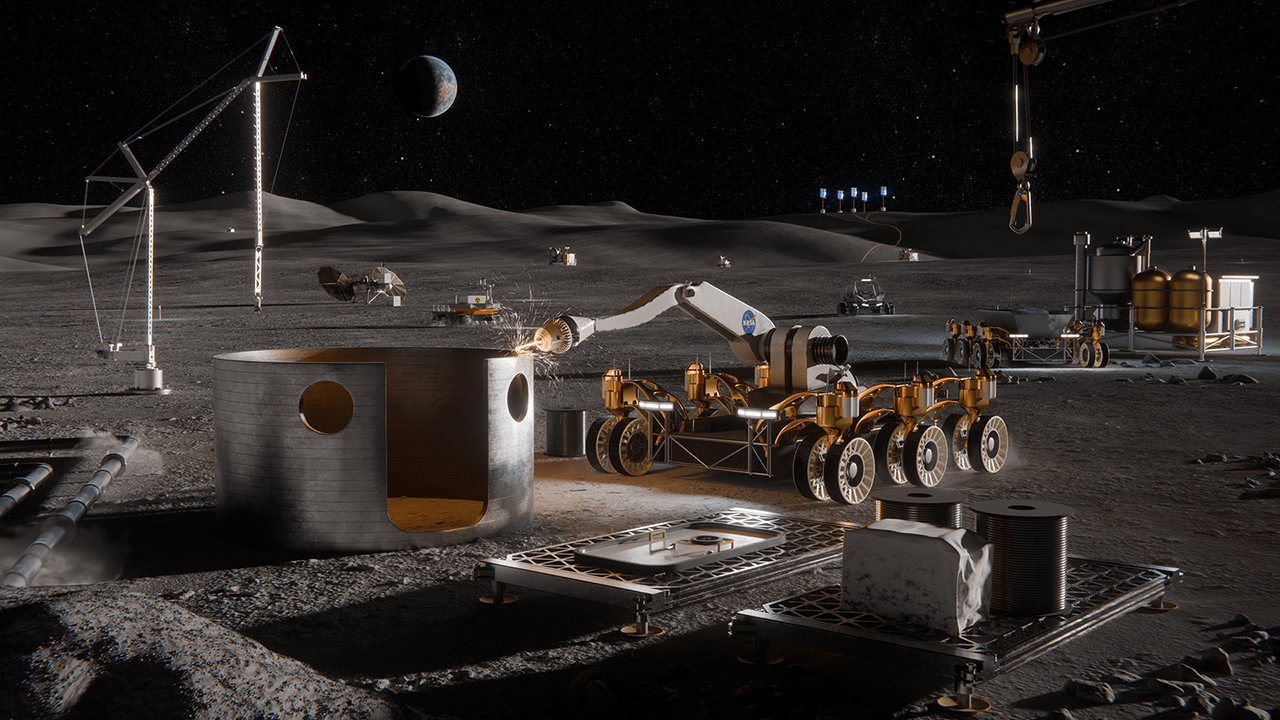
On September 8, 2026, the National Aeronautics and Space Administration (NASA) issued a solicitation seeking proposals for critical technologies and infrastructure for lunar exploration, with near-term focus on supporting the construction of a lunar base in the lunar south pole region. This solicitation is included under Appendix A of the NextSTEP-3 Broad Agency Announcement, the Lunar Enabling Infrastructure Accelerator framework, and covers five technology areas: vertical solar arrays, lunar regolith oxygen extraction, radioisotope power, advanced space manufacturing, and innovative nanomaterial production. NASA stated that these capabilities will be used to address the power generation, resource utilization, materials...
2026-09-13
NASA's Chandra Telescope Discovers 84 Mysterious Supersoft X-ray Sources
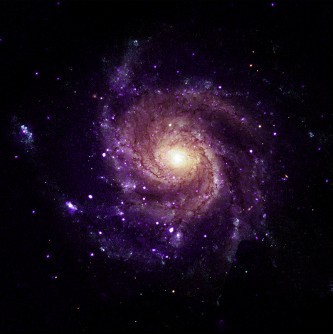
NASA's Chandra X-ray Observatory recently announced that researchers using the observatory's publicly available observation data discovered 84 mysterious celestial objects known as supersoft X-ray sources in 6 galaxies. The related research was published in Nature Astronomy. Image credit: X-ray: NASA. These objects emit X-rays with unusually low energy and may be accompanied by strong high-energy ultraviolet radiation. The research team stated that the behavior of these objects is clearly different from previously observed known celestial bodies and may provide new clues for explaining the origin of Type Ia supernovae and the electron-stripping mechanism in the intergalactic medium. The 6 galaxies covered by this search include two spiral...
2026-09-10
U.S. Plans to Launch Nuclear Fission-Powered Spacecraft to Fly by Mars by End of 2028
The National Aeronautics and Space Administration (NASA) is advancing the Space Reactor-1 "Freedom" (SR-1 Freedom) mission, with the goal of launching a nuclear fission-powered spacecraft by the end of 2028 to validate deep-space nuclear electric propulsion technology. According to existing mission documentation, the mission plans to fly by Mars in 2029 and deploy the SkyFall payload. The SR-1 Freedom is neither a fusion spacecraft nor a crewed Mars vehicle. Its core experiment is to operate a small uranium fission reactor, an energy conversion system, and Hall-effect thrusters in coordination beyond Earth orbit, accumulating engineering data for future higher-power deep-space missions...
2026-08-24
South Korea's domestically developed lunar radiation detector to travel to the Moon aboard NASA commercial lunar lander
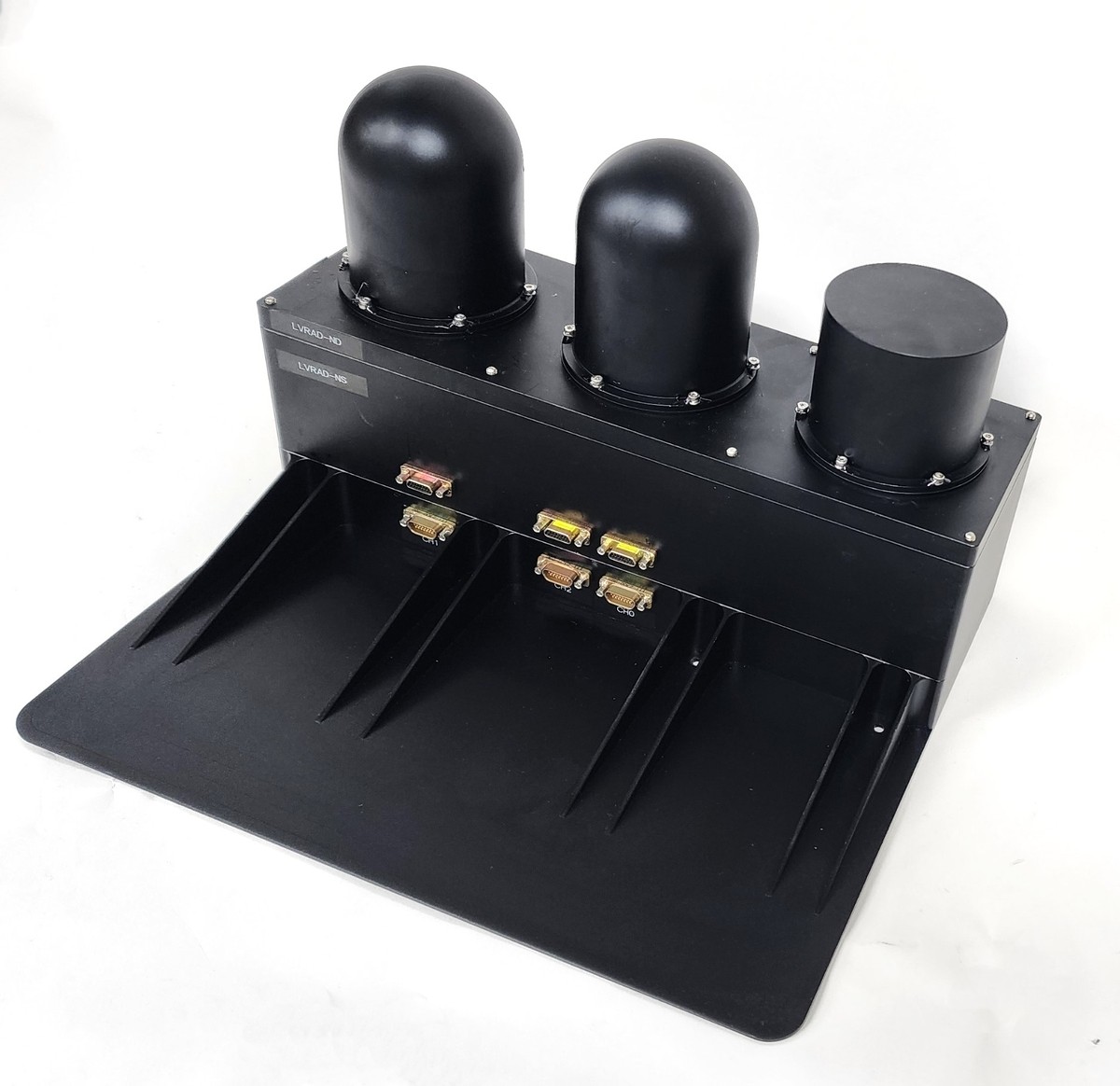
The Korea AeroSpace Administration (KASA) announced on August 17 that the Lunar Space Radiation Detector (LVRAD), independently developed by South Korea, will be mounted on a lander under NASA's Commercial Lunar Payload Services (CLPS) program to conduct observations of the radiation environment on the lunar south pole surface. The two sides signed the relevant implementation agreement on August 14. Under the agreement, KASA plans to complete the development of the flight model of the detector by next year and deliver the equipment to the United States in accordance with the NASA lunar lander mission schedule. NASA will be responsible for integrating the Korean-developed detector onto the commercial lunar lander and supporting its operation and data transmission on the lunar surface after launch. LVRAD consists of...
2026-08-17
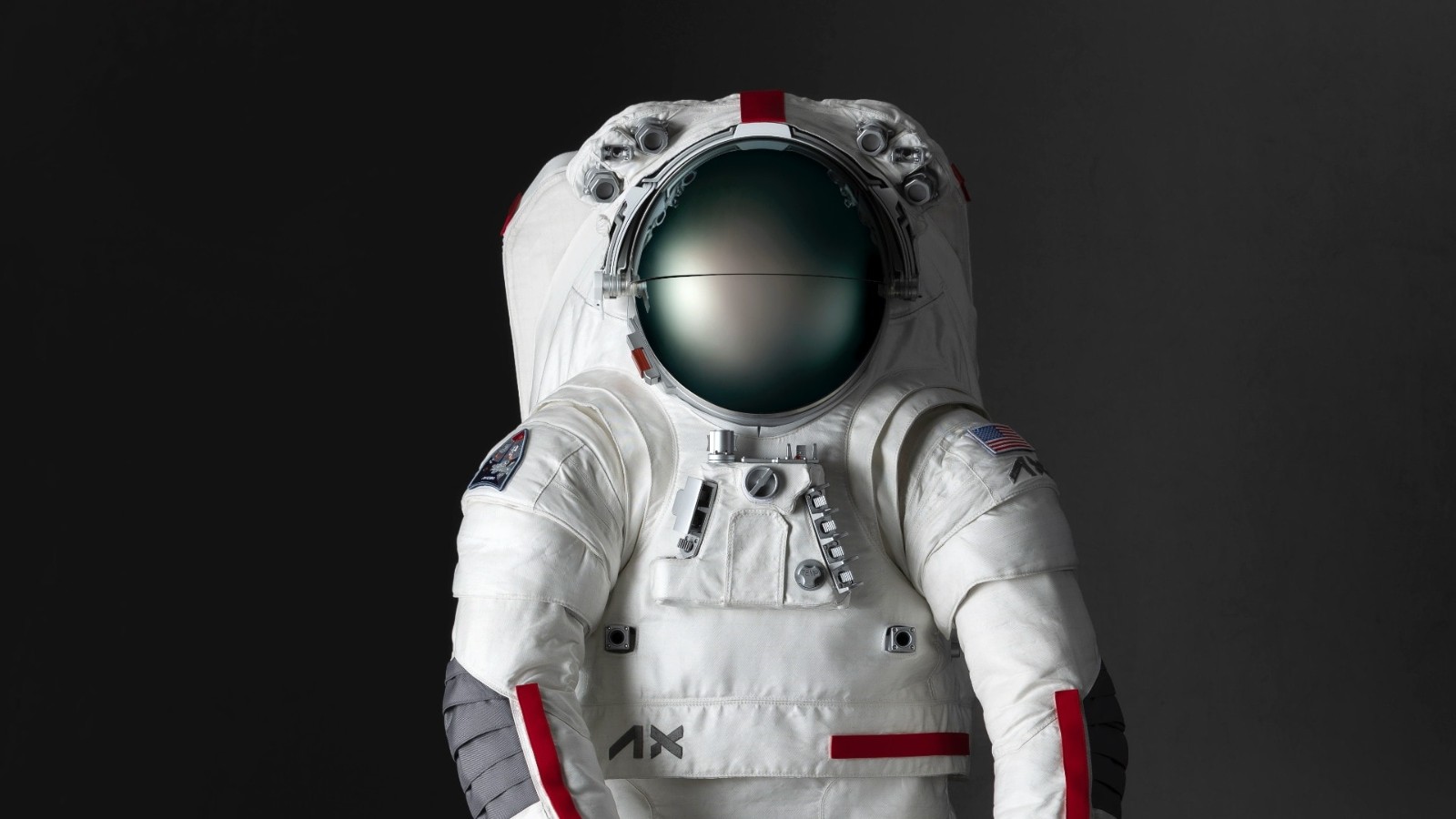
U.S. Company Proposes Americium-241 Radioisotope Heating Solution for Spacesuits, Receives Early NASA Research Support
U.S.-based Zeno Power Systems has proposed a radioisotope heating concept for lunar extravehicular activities, planning to use Americium-241 (Am-241) to provide continuous passive warmth for astronauts during lunar nights and in permanently shadowed regions. The proposal has been selected for this year's NASA Innovative Advanced Concepts (NIAC) program, with the potential to receive up to $175,000 in early-stage research funding. The lunar surface environment is one of the key challenges for long-duration crewed missions. Data shows that lunar nights can last approximately two weeks, and extreme low temperatures will limit the duration of astronaut extravehicular activities in shadowed areas and at night. Even with new-generation spacesuits, their cold resistance remains limited...
2026-08-13
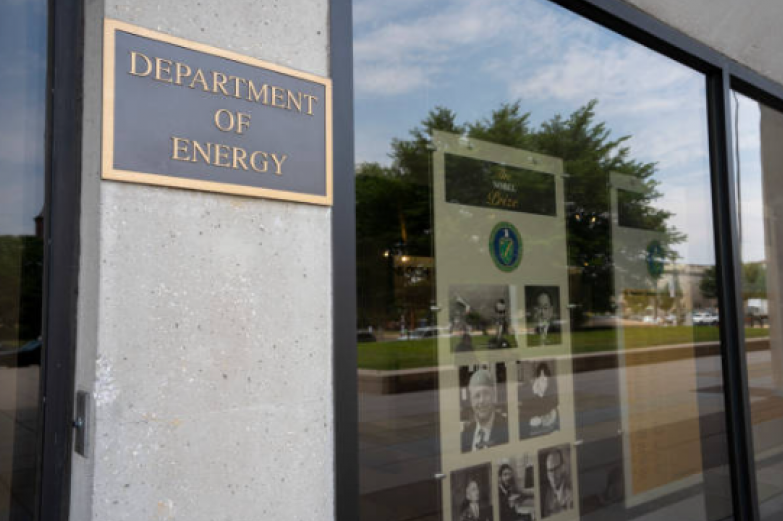
The U.S. Department of Energy conditionally allocates HALEU fuel to NASA and Radiant.
On July 23, the U.S. Department of Energy (DOE) announced a conditional commitment to provide High-Assay Low-Enriched Uranium (HALEU) to NASA and Radiant Industries to meet near-term fuel needs. This marks the third round of HALEU allocations; the materia
2026-07-27
The U.S. Department of Energy conditionally allocates HALEU fuel to NASA and Radiant.
On July 23, the U.S. Department of Energy (DOE) announced a conditional commitment to provide High-Assay Low-Enriched Uranium (HALEU) to NASA and Radiant Industries to meet near-term fuel needs. This marks the third round of HALEU allocations; the materia
2026-07-27